Mind Body Predictions Report 2024

In a year marked by a growing emphasis on health and well-being, the fitness and wellness industry is poised to continue making some large transformations in the coming year. The latest Mind Body (& ClassPass) Predictions Report for 2023/24 provides invaluable insights into the evolving landscape of wellness trends. At Action Group, we’re excited to share some of the most compelling findings from the report, which offer a glimpse into the future of the industry.

1. Strength Training Takes Centre Stage

Strength training has emerged as a dominant force in the fitness world. Over 60% of consumers have incorporated weight or strength training into their routines, highlighting its growing popularity. Moreover, it’s becoming the primary focus for individuals dedicated to their fitness journeys. The benefits of strength training go beyond just building muscle – participants will experience enhanced mobility, flexibility, improved cognitive function, and reduced risks of cardiovascular disease, diabetes, and cancer. Notably, nearly 30% of consumers are exercising to lead long and healthy lives, with over a third embracing strength training specifically for longevity.

David Lloyd Delta – Small group PT sessions focusing on strength and fitness. Shot by Action Group

2. A Quest for Balance in Wellness Routines

Consumers are seeking balance in their wellness routines. While intense workouts like High-Intensity Interval Training (HIIT) remain popular, over 75% of individuals are incorporating low-intensity movement into their routines, such as walking, Pilates, and swimming. This quest for balance presents opportunities for brands to pivot their offerings and offer a broader range of wellness experiences, including strength training, yoga, and mindfulness practices.
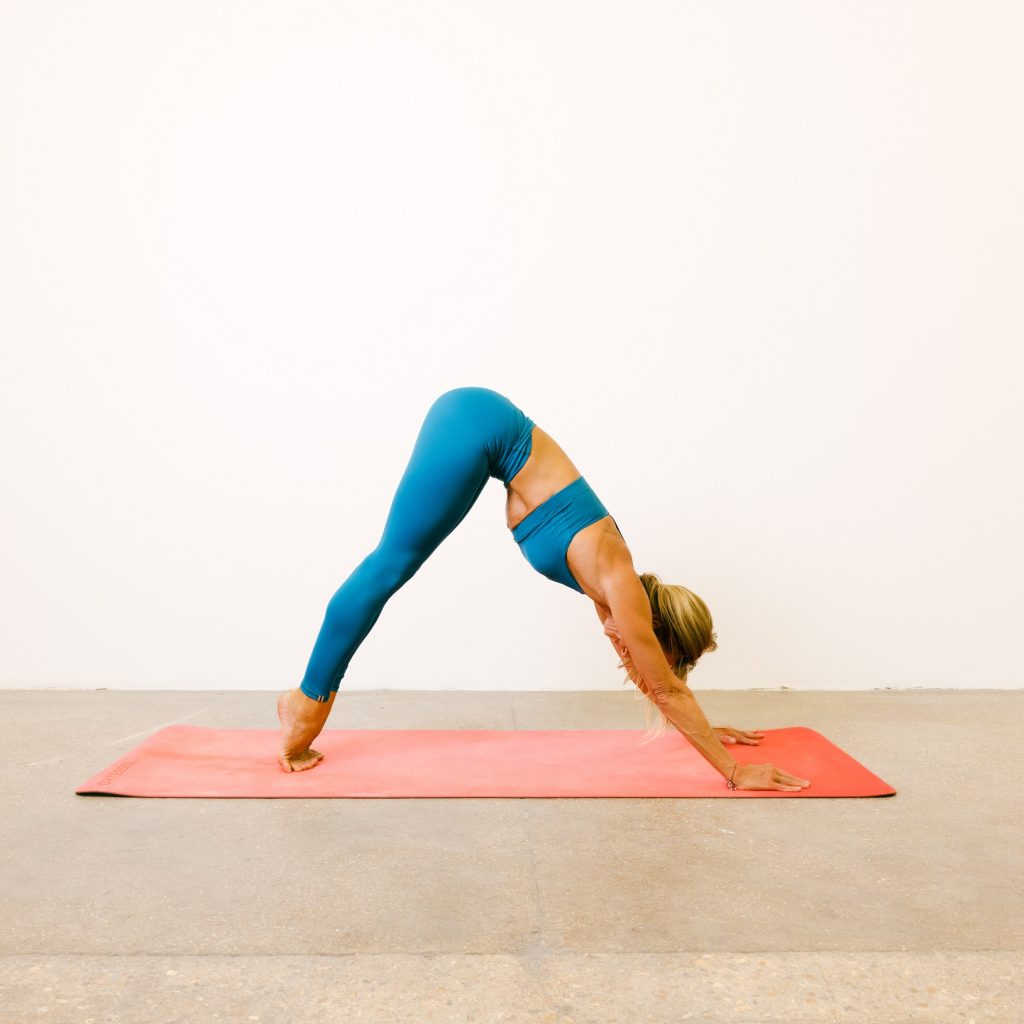
Action Client Monique Eastwood has a wide range of exercise class offerings on her app for those looking to integrate more Pilates and yoga-based exercises into their regimes; whilst also offering more traditional HIIT workouts that feature dance-inspired movement, for a balanced exercise routine with both low and high intensities. 

3. Beauty and Wellness Events Foster Connection

Wellness is no longer just about personal health; it’s also about connection and community. An impressive 43% of consumers look to wellness as a means of forging deeper connections. Over 60% have either attended or expressed interest in attending events hosted at salons, spas, med spas, or wellness centres. This shift is demonstrated by establishments like hair salons transforming their spaces into inviting and comfortable environments, complete with bars, music, and entertainment, creating a holistic wellness experience.

4. Science-Backed Products and Services

Consumers are increasingly prioritizing research and expertise when it comes to wellness advice. This trend extends not only to beauty products but also to everything they put into their bodies. More than a third of consumers prioritize product effectiveness, while 23% prioritize clean and organic ingredients. Sustainability also ranks high, with 20% of consumers valuing eco-conscious products. This shift underscores the importance of evidence-based approaches in the wellness industry.

Squished use rescued berries that would be wasted to make their range of health snacks

5. The Crucial Role of Sleep Hygiene

Awareness of the importance of sleep is on the rise, with one in three Americans not getting enough sleep day-to-day. It is no surprise, then, that more than half of consumers are investing in products to enhance their sleep quality, reflecting a growing emphasis on sleep hygiene and its vital role in overall well-being. Wellness offerings such as saunas, cold plunging, and float therapy will likely see a rise in use with consumers focusing on the modalities that have stood the test of time.

6. Temperature Therapies and Preventative Wellness Strategies

Consumers are increasingly open to temperature therapies as a means of combating inflammation and promoting recovery. Almost a quarter of consumers have tried cold or heat therapies and 80% of those who do say they’re interested in trying them together. Combining different temperature therapies and working them into new preventative wellness strategies is gaining traction, reflecting a proactive approach to health and longevity.

Action Client CoreTx GO Palm Cooling – the latest performance enhancing offering direct from scientific literature. The device cools the palms to reduce exercise fatigue during a workout.

7. Boomers Start to Visit Boutique Fitness Studios

The Baby boomer generation is prioritizing wellness more than ever before, with over half of them considering it a top priority. Strength training has gained particular importance for this demographic, with more beginning to understand the value of fitness for general health. An age that most considered the ‘sunset stage’ of life, this age group are now much more active, and want to continue to be active. Fitness studios are responding with more class offerings tailored to the needs of boomers, providing education around equipment, and creating welcoming and less intimidating environments.

Conclusion of Mind Body Predictions Report:

The Mind Body Predictions Report for 2023/24 paints a dynamic picture of the evolving wellness landscape. As consumers prioritize strength training, wellness events, science-backed products, and holistic approaches to health, the industry has ample opportunities for growth and innovation. At Action Group, we’re excited to help our clients navigate these trends and capitalize on the evolving preferences of wellness enthusiasts. The future of wellness is diverse, inclusive, and firmly rooted in the pursuit of a balanced, healthy, and connected life.

If you’re looking for PR or Marketing support, or in need of business consultancy then get in contact with us: info@action-group.co.uk

International Women’s Day – The Trailblazers in Health and Fitness

Every year International Women’s Day is recognised on the 8th of March to celebrate women’s achievements, raise awareness about discrimination and take action to drive gender parity. We want to take this opportunity to showcase some of the phenomenal women who we have the pleasure of working with in the health and fitness space:

Ellen Latham – Orangetheory

Orangetheory Fitness is a heart rate-based interval training, combining the use of treadmills, rowing machines and weights to provide a full-body workout.

Exercise physiologist Ellen Latham funnelled her passion for exercise into developing a science-backed, inclusive workout that delivered results to all members, no matter their age or ability, something that was missing from the current fitness market. Now, a decade later, Orangetheory Fitness is an internationally recognised fitness concept, adored by millions of followers around the globe.

Jessie Blum – Heartcore

Heartcore uses the most effective elements of Pilates, the wisdom of Yoga and joy of free movement to help you transform your body and your mind.

After discovering a calling in fitness after moving to Los Angeles, founder Jessie Blum was passionate about creating an inviting space where people could show up, free from judgement and get the most transformational workout imaginable. It was in LA that Jessie developed the Heartcore Method and was inspired to take the courageous step to bring boutique fitness to London. Leading a really powerful community, Jessie Blum continues her passionate work to bring the power of positive movement to the world.

Hillary ‘Nesse’ Cannon – BarreFly

BarreFly London is a luxury fitness and nutrition studio based in Parson’s Green, home to three versions of the classic, strengthening barre method. Founder Hillary ‘Nesse’ Cannon is a trailblazer, creating an inclusive and unapologetically feminist safe space for all women to embrace and celebrate their bodies and minds.

Nesse is a plant-powered BNC-certified nutritionist, author, speaker, communications consultant, and all-round wellness warrior, and we are looking forward to working with her to launch a truly unique and delightfully debauched series of events across the year.

Livvy Probert – HAWQScore

HAWQ is the Health And Wellbeing Quotient for employee health and offers the most personalised corporate wellbeing offering on the market with its research-backed and evidence-driven approach.

Co-founder and Head of Science Livvy Probert has a Masters Degree in Sport & Health Sciences and a fantastic analytical knowledge of human performance. A keen rugby player and data enthusiast, Livvy was determined to provide teams with data driven insights and personalised support with a human touch to help employers choose a health and wellbeing solution that suits their entire team.

Georgina Bentliff – Hammersmith Health Books

Hammersmith Health Books is an independent book publisher that publishes a range of books related to physical and mental health.

Georgina Bentliff started Hammersmith in 2009 after seeing a need for more books that allowed people to consider the health advice they receive critically, wherever it comes from, rather than simply accepting what they are told. She has a keen eye for trending health topics and cares deeply about the authors she supports. It’s an impressive portfolio that won her Publisher of the Year at The People’s Book Prize a few years ago. We’re always impressed at the depth and range of health topics covered and Georgina’s keen eye for detail. That’s why we keep a copy of each book in her catalogue at our office!

Sheera Goren – Zygo

Zygo is on a mission to revolutionise the world of swimming with their innovative underwater streaming technology: the Zygo Solo. 

Co-founder Sheera Goren places a high value on challenging the status quo and was determined to solve the lack of workout options for non-swimmers in the pool. With the courage to do something different in life and refusal to just accept what others have done or have told her as truth, Sheera – alongside High School classmate Charlie – has helped to bring swimming to the 21st century with the first, and only, underwater streaming audio solution. Unsurprisingly, wearable technology was crowned the #1 trend for 2023 in the ACSM Annual Report and you can read more about what this means for the fitness industry here.

It is amazing to see the number of powerful women making their mark and creating valuable wellness solutions to help people improve their physical and mental wellbeing. As a company founded and led by two fierce and phenomenal women, we are honoured to be able to work with these exceptional ladies.

If you are interested in featuring any of these phenomenal women in wellness for an interview or feature, or discussing ways which we can represent your brand, please get in touch via info@action-group.co.uk 

How important is employee wellbeing, really?

As a result of the pandemic, employee wellbeing rose up the ranks to top the list of priorities for many organisations, with a significant rise in flexible working and perks to support employees with their health and wellbeing. But now that life is more normal, with a challenging economic climate as a backdrop, how important is employee wellbeing for organisations, really? 

The answer, it seems, is very. In its inaugural State of Work-Life Wellness Report, Gympass, surveyed 9,000 workers around the world and learned that well-being is just as important as salary for 83% of global employees and 77% would consider leaving a company that doesn’t focus on well-being.  

For a long time, ‘success’ equated to a bigger salary, but more recently the definition of ‘success’ has expanded in the minds of many, becoming much more personal. Often now, discussion about roles includes the flexibility the job allows and the freedom it gives you, and perhaps most importantly, the impact it has on your mental health. 

This is no bad thing, but what has led to such a shift in attitudes? Perhaps it’s the influence of our younger colleagues… 

The State of Work-Life Wellness Report also found that, in the UK, three quarters of Gen Z employees are happy at work and most importantly, more engaged with their work compared to older generations. Far from what many stories would have you believe, this generation is not lazy – they are simply reassessing their relationship with work in a way that older generations never did. They are prioritising their own wellbeing and taking stock of what they want out of their employment. 

The link between happy and healthy employees, and improved productivity, has repeatedly been proven. So why are we seeing some organisations reversing the improvements made during the pandemic? Elon👀 

The State of Work-Life Wellness Report resoundingly proves just how important employee wellbeing is, and that rather than pursuing the mythical ‘Work-Life balance’, we should instead seek ‘Work-life wellness’, an attainable state of mind-body wellbeing that’s found at the intersection of life and work. It’s where life experiences in and out of the office interact to the benefit of employee happiness, health, and performance. Now more than ever before, leaders and businesses alike must understand this space. 

This also applies to those within the health and fitness sector, many of our clients already recognise the growing importance of working with the corporate market, creating a new revenue stream but also reaching those who don’t currently engage with any form of activity. From leisure centres like Everyone Active, to boutique fitness studios like Ten Health and Fitness, Action’s clients are increasingly offering access to their facilities to employees via Gympass, seeking to help.  

The Action team launched the report to media in the UK, working with the Gympass to curate the media story based on the report data, and delivering over 20 pieces of gold-standard coverage in the weeks since launch. 

You can read more about Gympass’ The State of Work-Life Wellness Report here. 

Get in contact with us today if you are looking for PR, Marketing, or Consultancy support: info@action-group.co.uk

Hyper-personalisation is changing the fitness landscape

fitness workout data and information

Hyper-personalisation in the fitness industry has grown rapidly in recent years and is already reshaping the way we exercise. This is largely due to data and technology increasing and offering information that informs on and impacts our exercise routines. With wearable tech continuing to grow, as we discussed in our 2022 fitness trends report, more and more people are gaining access to an incredible amount of biometric data. Metrics such as quality of sleep, calories burned, heart rate variability, blood oxygen levels and even acclimation to heat and altitude, means each individual can now track their fitness progress with accuracy and ease.

Thanks to apps like Apple Fitness and Samsung Health, the sharing of data from these apps to others has also allowed all health and fitness providers to improve their services with this information. A great example of this is Nutra Check, the calorie counting app that now uses data from your phone and smartwatch, to manage your required calorie intake based on your energy expenditure each and every day.

Accountability for daily steps and exercise has increased massively upon having access to these results each day: with weekly reports on activity, people can now be more aware of their progress, and if they are on track to reach their targets. Digital wellness is continuing to grow with highly personalised experiences. For example, Headspace has been the leading mindfulness app for years with good reason, offering personalised progress, with tracking of time spent meditating, stress and happiness levels, and sleep quality. Apps like Zero, a fasting platform, also offer personalised insights and advanced tracking to help manage sleep quality and boost energy. This data and feedback together, are helping to build your very own wellness ecosystem, and it won’t be long until the likes of Apple put this all into one space for you to check up on yourself with a summary of your information.

Improving Personal Training Offering Through Hyper-Personalisation

Companies like Firstbeat are already using their heart monitoring technology to give personal trainers, and sports coaches, the ability to provide feedback on the effectiveness of their clients’ training, recovery status, fitness level and stress. This information is vital for trainers to understand the progression of their clients, and how they can improve their programme to help reach their goals more efficiently.

Tracking both sleep and recovery means trainers will be able to restructure their workout plans each and every week. If they have a particularly demanding session planned in the evening with their client, but can see they have been highly stressed throughout the day, with a lack of sleep, they can then re-arrange that session to ensure they are not over-working them. This technology from Firstbeat allows trainers to give personal insights to their clients weekly, whilst freeing up more of their own time, allowing them to take on more clients.

hyper-personalised heart rate data

Improving Fitness Businesses

Fitness operators have also seen substantial changes to their offering, with the digital world of fitness growing rapidly during lockdown. More businesses are now able to offer better-personalized experiences both on site, and online. With access to a broad amount of information on each member, operators can now make personalized suggestions based on their activities and attendance.

Keepme.ai, a retention and marketing platform, has taken this to a whole new level. Using AI and machine learning, Keepme.ai is able to give accurate predictions on when members will be likely to leave, which prospects will be likely to join, and which members are likely to want to purchase personal training sessions.

This data is an opportunity for operators to elevate their business whilst offering a hyper-personalized experience to their members, creating meaningful relationships with their members in the long run, which will only improve their retention.

hyper-personalised member information

Overview of hyper-personalisation in the fitness industry

Hyper-personalisation in the fitness industry has been accelerated by lockdown, showing no signs of slowing down. Within the first two months of lockdown, we predicted that digital fitness offerings personalising their customer experience, will be the most likely to succeed during and after the pandemic, written in our feature The Future of Digital Fitness.

It’s safe to say that every area of the fitness industry has benefitted from hyper-personalisation and will continue to do so. The data is there for everyone, and now it’s up to businesses, trainers and individuals to capitalise and reap the rewards of information.

If you have an innovative product or service in the health, fitness and wellness industry and want to see yourself on a future trends report, or looking to grow and make your mark on the industry then get in touch with us. We are experts in consultancy, marketing, PR and advertising, so whether you’re a small business or a multi-million pound turnover one, we can help you. Email us: info@action-group.co.uk
Women in Wellness

In honour of International Women’s Day (8th March), today we look at the fearless females and wondrous women in wellness dominating the fitness industry in 2021.

BALANCE Magazine reports recent data showing that, from 2013-2023, the global income of women will have increased from $13tn to $18tn. By 2028, women will control almost 75 per cent of discretionary world spending. Slowly but surely, there are more women-owned businesses, more female investors, and—what’s perhaps even more important—more brands that are ‘women-owned and operated’. Quite the badge of honour!

At Action Group, it’s no different. As a female-owned business, we are always championing women in our industry who are taking risks and redefining and redesigning business ideas to better represent the whole population. For that reason, we have a catalogue of highly experienced and well-regarded female clients on our roster.

It’s time to ‘ask Alexa’ to play Alicia Keys’, ‘Girl on Fire’ as we dive into this list of inspiring women in wellness:

The Movement Maverick – Monique Eastwood

Monique Eastwood

Being ‘over 50’ no longer has negative connotations. More in touch with their health, wellness, fitness and strength than ever before, women are fighting fit in their 50s.  Attitude and knowledge are key to this – more openly speaking about the menopause and preventative health benefits of exercise and nutrition are seeing women in the public eye facing down previous generations’ fears of ‘50+’.  Instead, this demographic represents confidence, independence, strength and positivity like never before.

Previously a professional dancer, Monique Eastwood is a celebrity personal trainer to stars including Emily Blunt, Stanley Tucci and Ruth Wilson. Last year, at aged 53, she founded her own online fitness programme; The Eastwood Movement Method and has a legion of A-lister clients and devoted fans across the globe.

With features in everything from The Sunday Times and Women’s Health – Monique’s no-nonsense, realistic and experienced approach to health, exercise and the virtual fitness world has won over the press and fitness fanatics.

The Yogi Tech Master – Zoe Bertali

Zoe Bertali

A yogi with nearly a decade in the industry, Zoe Bertali has trained with the crème-de-la-crème of yogi masters including Shiva Rea, David Swenson and Tom Myers.

As co-founder of The Refinery E9 – a boutique yoga and fitness studio offering – Zoe is passionate about inclusivity and accessibility and went on to co-found an innovative augmented-reality fitness app called Refine with ALFI. As one of the world’s first avatar-led fitness instructors, ALFI encourages wellbeing and human-connection without a focus on the physical aesthetic alone. ALFI is credited as being the most visually appealing and movement-focused PT ever experienced in the virtual and on-demand fitness space (check out our blog about it here).

Zoe is uniquely placed in the industry, with unparalleled knowledge in the augmented reality space. She recently spoke on ukactive’s SWEAT 2021 panel about diversification, sustainability and how the sector can capitalise on investment opportunities to maximise success. And it won’t stop there – keep a lookout for the April edition of Women’s Fitness, which will profile Zoe and her achievements. #WomenInWellness

The Group Exercise Goddess – Diana Archer Mills

Diana Archer Mills

As Les Mills’ Creative Director, Diana works with fitness professionals, exercise scientists and a global tribe of instructors to shape the music and moves that feature in some of the world’s most popular workouts (she also helped create the evidence-backed CXWORX programme, which received widespread press coverage.)

Diana is also mother to four young children – so it’s fair to say she knows a lot about pregnancy, parenting and how to juggle a busy young family with a passion for health and fitness. Following her last pregnancy, Diana developed a collection of free post-pregnancy workouts and guides for pregnant and new mums. She also leads the development of BORN TO MOVE, Les Mills’ suite of programmes designed to help kids fall in love with physical activity.

Athleticism definitely runs in Diana’s blood – her grandfather, Les Mills Snr, was an Olympic athlete, her father Phillip Mills (Executive Director of Les Mills International) was a Commonwealth game track athlete, and her mother, Jackie Mills, was a gymnast. She was just two days old when she first entered the family gym in Auckland and was 12 when she began working there after school. It’s safe to say, when it come to the Les Mills global business, Diana is at the heart of its future.

The Circle of Care Entrepreneur – Joanne Mathews

Joanne Mathews

Ten Health and Fitness, one of the pioneers of the boutique fitness sector and London’s only premium provider to bridge the gap between the world of fitness and the medical sector, exists as the result of a happy accident. More specifically, a car accident, back in 2006. Although it didn’t feel very happy at the time, for founder Joanne Mathews, it turned out to be genuinely and positively life-changing. It was in the rehab gym where Joanne was recovering from the back and pelvic injuries she had sustained that the idea for Ten Health & Fitness was born.

Joanne is one of the handful of entrepreneurs who pioneered the London Boutique fitness sector – the UK’s fastest growing sector for affluent urban professionals. She has also been instrumental in proving the concept for Dynamic Reformer Pilates, and making the no-membership, pay-as-you-go fitness model the standard operating model throughout the sector.

Joanne loves business and people. Her ability to combine these passions makes her role at Ten the most fascinating, challenging and rewarding of her career. With her strategic approach, boutique fitness knowledge and entrepreneurial flair, Joanne continues to develop Ten Health & Fitness and share her insights, experiences and expertise within the sector. You can read more about how Ten’s approach is vital in the world of wellness here.

The Charitable Champion – Julie Davis

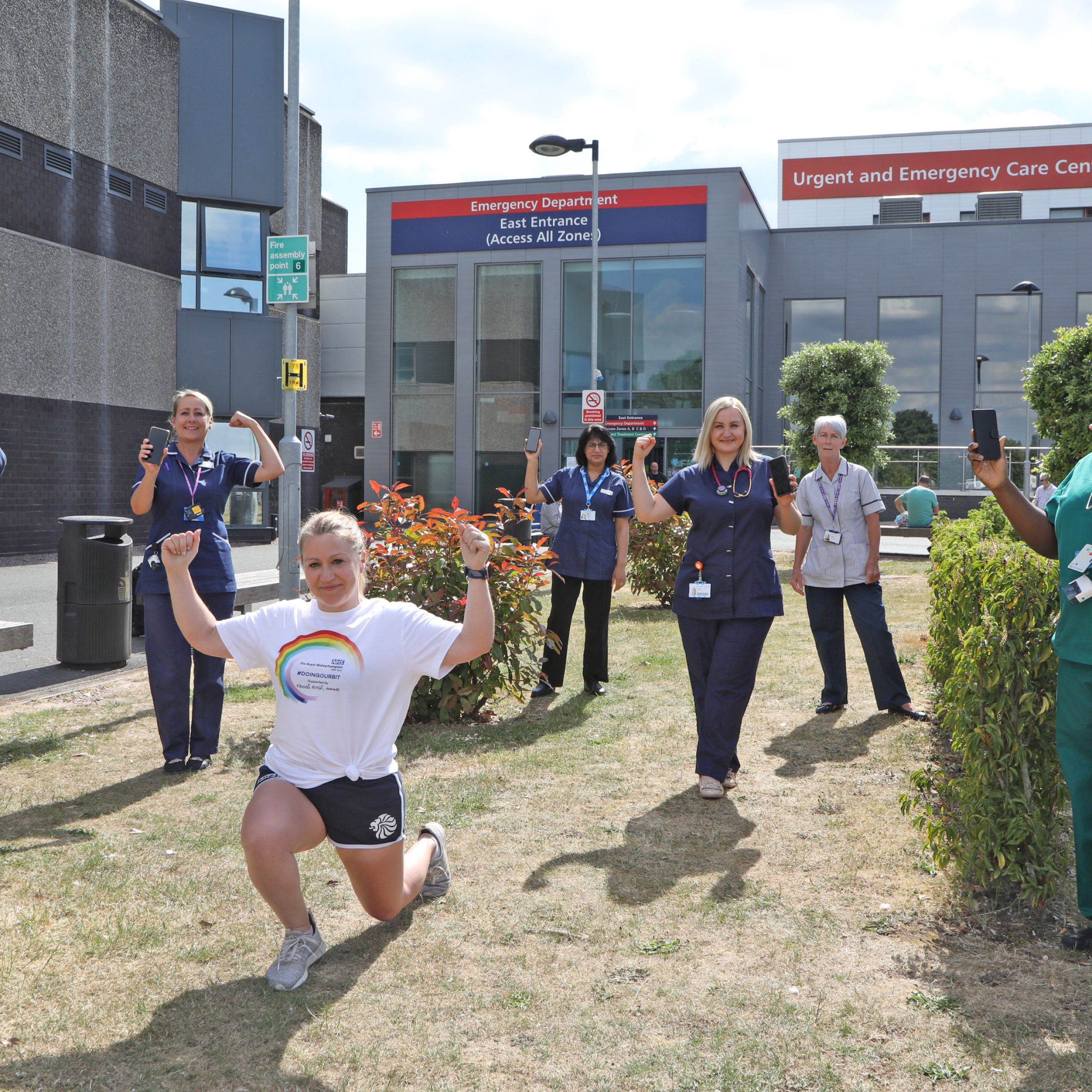
Julie Davis Deputy chief operating officer of national institution of health research, Sultan + 4 entrance ED Promoting exercise app designed by Julie Davis for members of staff

We end our round-up of incredible women with the indomitable Julie Davis, Wellbeing Lead and Deputy Chief Operating Officer at the Clinical Research Network West Midlands. A champion amateur powerlifter currently training to be a personal trainer, Julie is a one-woman dynamo who was inspired to create a free fitness platform for all NHS staff after seeing the physical and emotional toll that treating Covid-19 patients was having on her 190-strong workforce. She was sourcing some free workouts and relaxation sessions to help her colleagues cope when the initiative caught the eye of The Royal Wolverhampton NHS Trust who wanted to offer it to its 10,000 staff.  Overnight, Julie needed a bigger platform and professional support. Her training provider Study Active introduced Julie to us and our client Active IQ. We then joined in Fibodo to create the online platform and host Julie’s ambitious idea.

#DoingOurBit offers bespoke, professional and personalised PT workouts free to all NHS staff. It launched in June 2020 with 28 PTs providing 30 workouts. Today, 40 PTs have submitted nearly 50 workouts and more are added each week. Meanwhile, Julie has signed up over 90 NHS Trusts making #DoingOurBit available to over half a million NHS staff.  And it’s still growing (more about its conception and success here).

Julie’s story shows how a passion project can really take off with the right support team.  We are nothing short of honoured to do our bit to help promote #DoingOurBit with articles such as this on BBC Midlands. We are still actively recruiting PTs, co-ordinating partnerships and backing Julie every step of the way.

Get in contact

If you are interested in featuring any of these phenomenal women in wellness for an interview or feature, or discussing ways which we can represent your brand, please get in touch via info@action-group.co.uk 

The Evolution of Corporate Wellness

Corporate Wellness isn’t a new concept. The origins of corporate health and wellness programmes typically began in the 1980s when employers started to realise that the wellbeing of their employees not only created a better work environment, it also helped save money on healthcare costs. Some early examples date back even further to 1926 when Ford introduced a 40-hour working week for employees, again as a way to encourage a better work/life balance which in turn would make employees more productive. Fast forward to today and workplace wellbeing has become a central pillar of most businesses, with a focus on total wellbeing.

The corporate wellness market

Over the past three to five years, the corporate wellness market has grown at the rate of knots. The global corporate wellness market was valued at $49.8 billion and according to latest research, it set to reach to $66.2 billion by 2027. No longer is it solely about a ‘wellness week’ once a year, where companies get some beers and force participation from employees, nor is it about having a weekly fruit box delivery. It’s now about a 360-wellness solution that is going to help and motivate employees in their lifestyle, not just in 8 (or so) hour working day.

The COVID-19 pandemic has accelerated the market even further. Nearly a year in and employee mental health is at an all-time low. As well as concerns directly related to the virus itself,  people’s mental and emotional wellbeing have taken a real hit as restrictions and closures upended daily routines and positive lifestyle choices. Other factors such as Seasonal Affective Disorder and depression, stress, and political fears have likely culminated to make this winter one of the most challenging and anxiety-inducing times for us all in recent years.

So how can employers make sure their corporate wellness offering really supports employees not just at the moment, but well into the future too? Here are two brands innovating in this space…

Gympass

Officially, Gympass is the world’s leading corporate wellbeing platform, providing millions of employees with access to over 50,000 best-in-class wellbeing partners globally. In this past year, the brand has completely reinvented wellbeing, to offer employees across the global a holistic solution, focusing not just on physical health but a whole range of mental health, emotional support and lifestyle support solutions too. Gympass identified eight key areas of employee wellbeing:

  1. Fitness
  2. Stress Relief 
  3. Nutrition
  4. Sleep
  5. Addiction Help
  6. Therapy
  7. Financial Planning
  8. Meditation

Gympass has since formed partnerships to address these. These partners include health clubs, leisure centres and boutique gyms, a range of leading health and wellness apps, and skilled wellness professionals who users can book live appointments with on a one-to-one basis. With over 50,000 fitness partners, 1,300 on demand classes, 2,000 hours of meditation, 1,000 healthy recipes, weekly one-to-one therapy sessions, and thousands of personal trainers, Gympass’ key goal is to support every wellbeing journey and so far, with millions of employees accessing Gympass globally, it is the market leader in this realm.

Les Mills

Global group exercise provider, Les Mills is certainly a household name for many. Creating the much-loved exercise classes such BODYPUMP, BODYCOMBAT and GRIT. But did you know they also work in the corporate wellbeing space?

Les Mills on Demand
Les Mills On Demand

Les Mills works with some of the world’s biggest organisations including the likes of Spotify and the RAF to provide employee wellbeing solutions. Whether that’s working with HR teams to provide access to its Les Mills On Demand platform or setting up virtual studios within office spaces, Les Mills is able to provide fitness support to employees, which directly translates into better mental health and performance in the workplace too.  

If you’re looking to break into the corporate wellness space and need PR or marketing support feel free to get in touch. We have a wealth of experience in this sector.

Email us: info@action-group.co.uk

Why a 360⁰ approach is vital in the world of wellness

The health and fitness sector has undergone a seismic shift in the last year. Before the pandemic, most people were quite comfortable going to their preferred studio or gym for classes, solo sessions or PT appointments. The more ‘in-the-know’ among them would complement this approach with a few boutique and wellness-focused experiences too.

Founded in 2007, Ten Health & Fitness is one brand that has been well ahead of the curve when it comes to the world of wellness. As one of the pioneers of the boutique fitness sector and London’s only premium provider to bridge the gap between the world of fitness and the medical sector, Ten established a coveted place in the hearts of health-focused, fitness aficionados invested in wellness.

Ten’s unique blend of medically trained instructors, high-quality equipment, smaller (and therefore more targeted) class sizes and technique-driven sessions made the brand an outlier that few had given themselves the opportunity to try.

Now, with everyone understanding the need for bespoke workout solutions, the importance of exercise that is safe and sustainable and how chronic conditions benefit from movement-solutions, Ten’s multi-layered approach is more relevant than ever.  And having gone virtual during lockdown, it’s more accessible than ever before.

Wellness over fitness

The fitness world has rapidly evolved. Any expert in the industry understands that it is about wellness now – a 360⁰ blended approach which gives customers more support than just recommending doing three HIIT sessions a week. It means brands must take time to cultivate a health experience that is personalised to the customer’s needs. This is something Ten has long hailed as a prerequisite for the industry:  it’s only now, in part thanks to COVID, that the rest are catching up.

The facets of wellness

From exercise to nutrition and physio to massage, there are many ways to achieve wellbeing without running on a treadmill or lifting dumbbells for hours on end. With group exercise classes, PT sessions, physiotherapy, massage and clinically supported exercise professionals (revered by health insurers), Ten is a great example of how to cover all the bases of wellness through its catalogue of experts.

Virtual wellness

It is a blessing that the world of wellness has evolved past bricks-and-mortar entities. Before the pandemic, the idea of  a ‘virtual physio session’ would probably not be taken seriously. But times have changed! Without easy access to in-person health professionals, customers can now ZOOM a physio for advice and exercises. On top of that, they can do everything from enjoying a LIVE workout with a group of people and the instructor, to getting a clinical exercise prescription and Covid-rehabilitation support, all through a computer screen.

People learning more about the various layers of health – the physical, mental, emotional, and social elements that all make up wellbeing –  paves the way for brands like Ten Health and Fitness to bring their premium, highly coveted brands to a much wider audience. Increasing the reach, offering more than just fitness and showcasing experts with unparalleled experience and qualifications online as well as in studios will see brands emerge from the pandemic intact and, perhaps, even stronger.

If your brand  is looking to expand outside the realms of fitness and want to evolve your offering, feel free to get in touch via info@action-group.co.uk

Why everyone is riding the Wave of Wellness, even Barbie

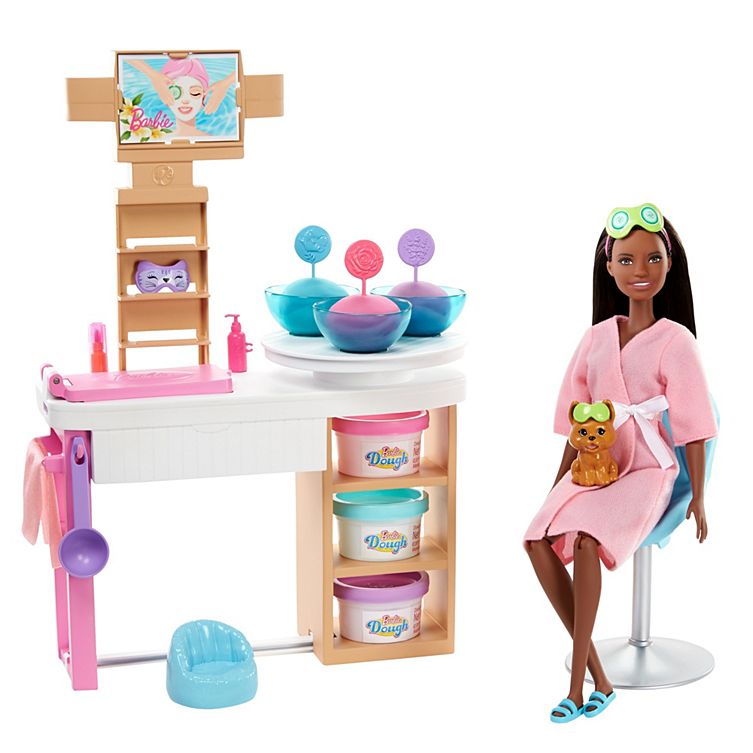
This week, a press release from toy company Mattel announced that the Barbie range is now welcoming a new addition to the collection; The Wellness Barbie. This follows a trend Mattel has been setting recently, modernising its famous toy to encompass more inclusive and realistic depictions of Barbie – even including Barbie dolls with disabilities and skin conditions.

Mattel’s next step into the world of wellness proves that what was once considered a small pocket of activity reserved for those who regularly do yoga, buy self-help books and do juice cleanses, is now a global movement and, more importantly, a hugely profitable market.

Why, more specifically, is Barbie into wellness?

The press release answered this very concisely; “The Barbie Wellness collection will introduce girls to the benefits of self-care through play…The collection teaches girls daily routines that promote emotional well-being and includes three key themes: meditation, physical well-being, and self-care; because Barbie knows to be one’s best is to give yourself the best care.”

So why is ‘Wellness’ the next big thing?

The answer is relatively simple. With constant stimuli around us – busy schedules, 24/7 digital contact, political turmoil, environmental crises and world disasters – people feel an overwhelming need to revert internally to look after themselves, make themselves feel better and look better.

So much so, that according to analytics firm GlobalData, the wellness industry, encompassing nutrition, fitness, cosmetics and more, is now worth up to £2.8 trillion worldwide. According to the Global Wellness Institute, the sector is growing rapidly. By 2022, British consumers are forecast to spend £487 per head annually on “wellness”.

But Barbie is just a toy. Isn’t it a bit of a strange jump?

Not at all. In fact, as a health, fitness and wellness agency, we would argue that if a brand wants to be taken seriously, it will incorporate an element of wellness into its offering. Similarly to sustainability, brands that are evolving and incorporating ways of giving back to the planet and ways of giving back to an individuals’ overall health, are the ones doing the best and have the most longevity.

Not just that, but it also shows the longevity of the wellness industry. By targeting children with the messaging of wellness, self-care and looking after yourself, Mattel is showing that wellness is a big movement but it’s also one that is here to stay for many generations.

Is wellness just a trend though?

Wellness and self-care is not a new phenomenon. Certainly, the news agenda is more eager to talk about it at the moment, (partly in thanks to good PR work…) but the subject has actually been having a steady increase in popularity over the last few years. Even psychologists are pointing out that it has no reason to slow down. According to Gracy Obuchowicz, a self-care facilitator, mentor and coach, this may be because, “People are really hungry for knowledge. We are beginning to recognize that paying attention to our needs can be used to promote a better understanding and well-being around us.”

If you’re considering incorporating wellness into your brand offering or finding your feet in the health and wellness industry, we specialise in strategy, marketing, advertising and PR in the sector and would be happy to help. Get in touch here: info@actionpr.co.uk 

Building a Successful Wellness Brand: Nine Learnings from the Welltodo Founder Series

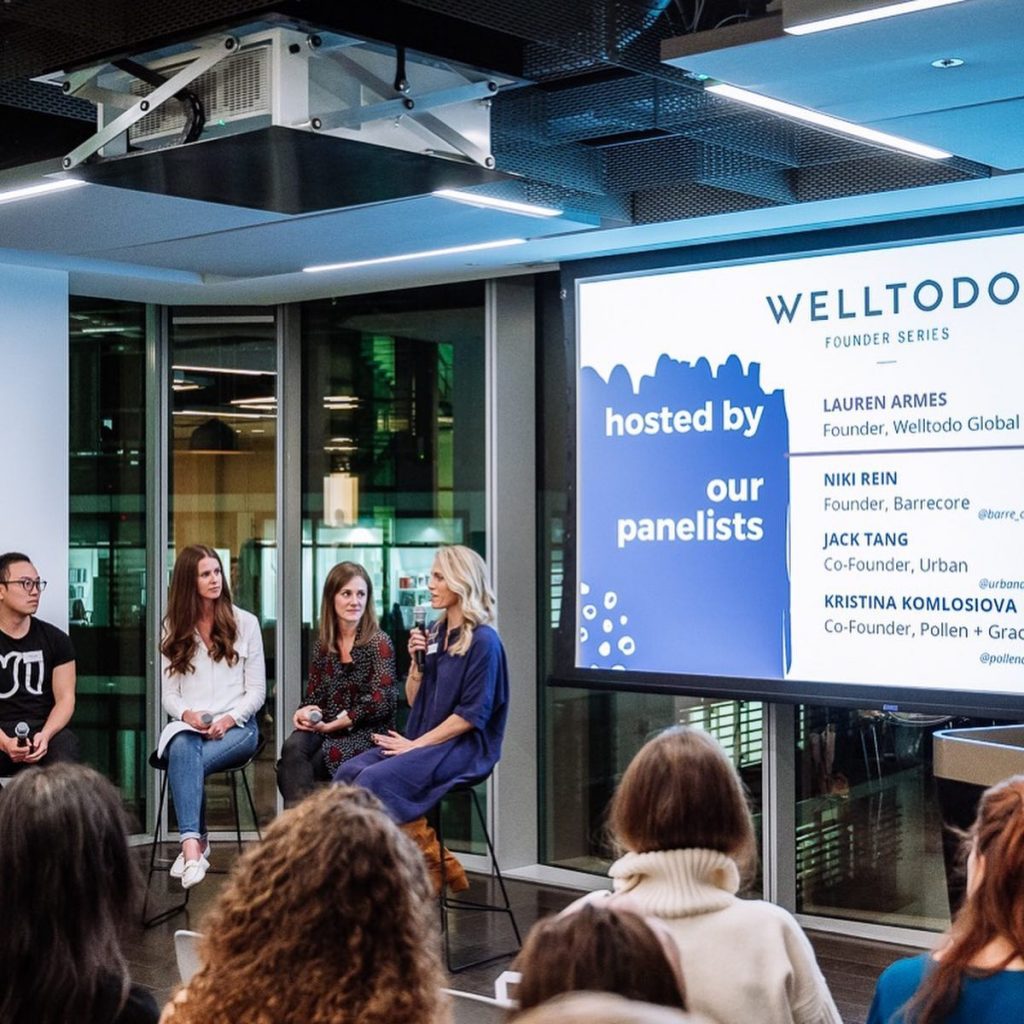
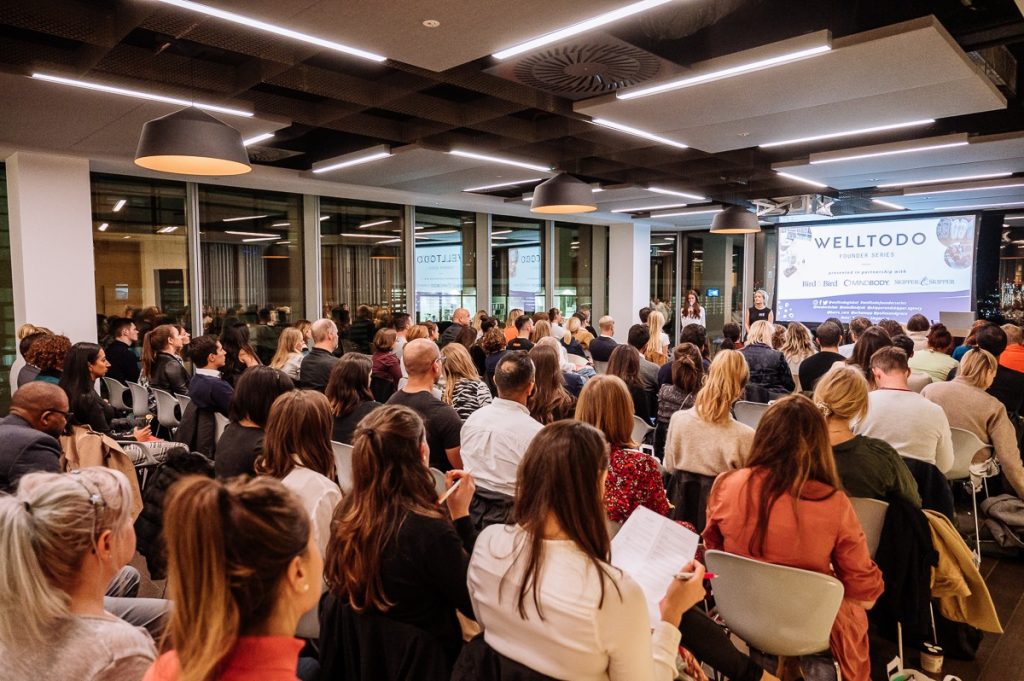
The Welltodo Founder Series is London’s leading event series for forward-thinking brands, startups, influencers and investors in the wellness industry.  This week, we were invited to attend the event and hear from some of the industry’s top entrepreneurs, on what it takes to run a successful wellness business in today’s market.

The speakers at the event included our client and founder of boutique fitness brand Barrecore, Niki Rein, Jack Tang, co-founder of mobile massage therapy brand, Urban (formerly Urban Massage), and Kristina Komlosiova, co-founder of healthy-eating service Pollen + Grace. Here’s some pointers we learnt from this panel of experts:

COMMUNITY

Having all launched their businesses in the last five to ten years, the panellists agreed that one of the key reasons for success so far has been down to building a strong community environment. When customers and staff feel like a little community, they’ll continuously support the business and its development.

Jack Tang pointed out another important aspect of this; “Coffee! Where possible, take your clients or staff or anyone who is willing to talk to you, out for a coffee. Discuss the business with them, ask them about their experiences and learn about the pain points of your product from them.”

“When a community of clients feels like they are on the journey with you, it’s more likely to continue growing and succeeding.” Kristina Komlosiova added.

Niki Rein, who has opened 10 London Barrecore studios and is now expanding to the franchise market also adds, “When growing your community, it’s also important not to do a cut and paste job. Listen to each local environment within your community and understand the different needs.”

CORE (VALUES)

An element all the founders stressed the importance of was establishing core values early on and sticking to them. “Stick to your guns! I knew that I was good at coding and knew the product we wanted to end up with so for me, it was easy to stay passionate about it. But there are those who will question your original ideas and try steer you into other directions. If your gut tells you that you’re right, then stand by your decision and map out your core values early on.” Jack gave this advice to the audience about pinning down your values early in the brand journey.

CREDENTIALS

Sometimes, a founder of a wellness brand has to wear many hats, some of which they may or may not be comfortable with. Niki Rein advised, “There are times when people doubt you, doubt that you can do a good job on all the different elements. I remember having to find studio spaces early on and being overwhelmed with all the building aspects of choosing a studio. Now it’s almost second nature and I reckon I could become an estate agent in my next life! Back yourself, trust that if you don’t know something, you can learn it!”

Welltodo Founder Series

(CONTINUOUS) CHASING

If there’s something all the founders agreed on, it was not taking no for the final answer. Kristina’s brand, Pollen + Grace went from strength to strength through constant chasing on suppliers, exhibitors and buyers. “You just have to keep emailing the right people! Keep yourself and your brand top of mind and they’ll eventually start listening, it just takes grit and determination. If I think back to how we started Pollen + Grace, we were just handing out flyers around Hammersmith for hours on end, but it just demonstrates how success is the result of belief and perseverance”

CAPITAL VS CROWD-FUNDING

Fun fact; the wellness industry is now worth a whopping $4.5trillion, and it’s only growing. The founders of this panel all had different strategies for sourcing funding for their businesses but each agreed that learning the pros and cons of all the different markets, the financial jargon and the hoops that need to be jumped through for financial stability – was one of the toughest parts of the job!

“My recommendation would be to do your homework. Don’t rely on advisors and finance people to give you all the details, learn for yourself first and trust your instincts.” Kristina offered, having achieved crowd-funding success in the second stage of Pollen + Grace’s growth.

CHALLENGES

What all the founders unanimously agreed on was that finding success with any business does not come without its setbacks and challenges.

Kristina and her co-founder had well-established careers before they resigned to start Pollen + Grace. “Our friends and family were in shock when we told them we’d quit our jobs. It was a massive risk and a real struggle financially at times, but if you believe in yourself and your brand, you’ll never regret giving it a chance”.

Jack added, “Don’t be afraid to take setbacks as opportunities to grow. We rented out an apartment for ourselves and used it as an office base too. Living off of baked beans for a little while isn’t the end of the world when you have that bigger picture in the back of your mind.”

“Price is always a tricky differentiator too. People are immediately taken aback by costs of wellness-based offerings. For Barrecore, the biggest challenge was sticking to the value of each class when there were pressures to bring it down. But it goes back to your core values, if you know your worth, know the brand’s worth, you’ll show them why it’s ultimately a cost they could and should prioritise.” Niki offered as her response on this point.

CREATIVITY

All the founders emphasised the importance of investing in the growth of their businesses through strategized branding, marketing and PR.

Thinking back to the early days of Urban Massage, Jack recalled, “We discovered that the secret to growing a business successfully was building its authenticity and trust and the secret to that trust was repeated exposure. We made sure wherever you looked, you would see Urban, whether it was on your walk to work or on an ad on Facebook, we made sure Urban was out there. I can’t stress enough how important it is to invest in your branding and marketing, not just financially but with your time too.

Welltodo Founder Series

CONNECTIVITY

The panel could not be dismissed without covering the omnipresent issue of the growth of technology and whether this will cause problems for the founders’ businesses or future wellness businesses to come.

“I believe that with the growth of technology comes great accessibility, but I also know that what businesses and consumers crave and will continue to crave is human interaction” adds Niki. “There is something magical about that face to face connectivity with your clients that cannot be beaten”.

CHANGE

Keeping a watchful eye on the market and ensuring your business is adapting to social change was another key tip expressed by all the founders.

“It’s pivotal for a business to react to trends and continue to better their products as a result” Kristina stated. “If young brands in the wellness industry pioneer change, it will inspire bigger, more established brands to follow suit.”

 “I used to look at what other countries and markets were doing to help influence my strategy here in the UK,” Niki Rein offered as an addition to this point, “but now with the world becoming a more connected and fast-paced entity, I think we’re leaders in this field and if we have a bright idea, we should just go for it!”

With trends consistently changing and becoming more important to brand’s and the collective consumer experience, Welltodo put together a Trends Report every year which details the changes and includes expert comment, insight and statistics from global business leaders. If you’d like to purchase the 2020 trends report from Welltodo, sign up to their portal here.

If you’re interested in starting a wellness business or learning more about Welltodo’s Founder Series, check out their weekly podcast (where this specific event will also be hosted digitally) for tips and insights.

How Can the Wellness Industry be More Inclusive?

Inclusivity and fitness

London. The UK’s second biggest city with a melting pot of 8.8million people accounting for 13% of the whole UK population. A positive smorgasbord of individuals, there are over 200 languages spoken on the streets, 44% identify as BAME and 1 in 5 people in England have an impairment. So why when I hit the gym for a sweat sesh, is it in a predominantly young, white, able-bodied environment. What gives

Fitness for all?

Health and fitness is big business and on the rise both nationally and globally. According to Allegra’s Project Fitness 2018 report, the UK fitness industry is worth £5.1bn alone with an annual growth of 7.1% However, a societal desire for inclusivity has meant this booming industry has been scrutinised of late. “Is your spin class too young, too thin and too white?”  asks The Washington Post. “Is wellness racist?” debates Balance. “Why do gyms make things so difficult for blind people?” debates The Guardian. Not going unrecognised by global wellness news platform Welltodo, it cites inclusivity as one the key trends in the consumer wellness industry for 2019.

How are the industry trailblazers tackling the challenge of inclusivity?

LGBTQ+ Friendly Fitness

The LGBTQ+ community is still underrepresented in many areas of life. Only recently has money been crowdfunded to create London’s first LGBTQ community centre following in the footsteps of places like New York and Berlin.

Within the fitness community, CrossFit came under fire for making competitors in their 2018 CrossFit Games compete as the gender they were assigned at birth. “Gymtimidation” is real and can be intensified by those who already feel marginalised by identifying as lesbian, gay, bisexual or trans.

In recognition that fitness may be the mainstream, but you don’t have to be, several LGBTQ+ fitness offerings have sprung up throughout the capital. Boxing studio Kobox recently launched ‘Proud’, a campaign to break down the stereotypes surrounding boxing. South-west London nutrition group Hex launched HIIT Club, a new nightclub fitness class for the gay community, a full-on workout but most importantly a social environment. Founder Chris Timmins believes the act of face-to-face socialising is getting lost and after all, fitness is an effective way to bond and create a sense of community.

Create a collective

With over 96 million uses of the hashtag #fitfam, it is clear that people want to feel like they belong to something bigger than themselves but what if your identity is not being catered for?

With current fitness trends and gyms tending to focus on the young, white, affluent fitness-goers, diversity is clearly missing in the fitness world. Recognising those interested in health and fitness are not one-dimensional beings has led to frustrated consumers biting back with the micro-fitness community. London based Run Dem Crew is one example. They define themselves as a collective of ‘creative heads with a passion for running and the exchange of ideas’ as opposed to a running club.

Similarly, Run Dem Crew member Sanchia Legister created Yogahood classes in response to being frustrated at the lack of diversity in many yoga studios. With over 20,000 Instagram followers between them, they seem to be onto something.

Consider those with a disability

Disabled people are twice as likely to be inactive in comparison to the general population and are at an increased risk of developing long-term conditions such as high blood pressure, diabetes and heart disease. Physical activity is a proven method in treating and preventing these conditions, yet we are usually only exposed to disabled people being inactive or being Paralympians, one extreme or the other. Accessibility and inclusivity must go beyond an accessible toilet, ramp or lift. Flashing lights in a spin class might look great but consider those who may have an issue with lighting and contrasting colours or difficulty with signage and communicating with staff. Salford based Empower You, a pilot scheme breaking down barriers facing disabled people and making exercise more fun, is helping get more disabled people active. While Dublin based UFIT, a specialised gym to help people with neurological, developmental or physical challenges stay fit, is going from strength to strength. With a new gym seemingly opening every week in London, it is high time they considered the 11.5 million people living in the UK with an impairment.

Looking to the future

With a constant deluge of studies and shock headlines claiming horrifying truths such as ‘not exercising is worse for your health than smoking’, the media has done a fantastic job of telling us about the importance of physical activity. However, what is missing is an antidote to getting the masses moving. Inclusivity seems to be where the true opportunity lies. Going beyond providing just a service and attempting to make people feel part of something bigger no matter their age, ethnicity, sexual orientation, religion, sex etc is key. Although change has begun, there is still a lot of work to be done. Watch this space.