2023 Health and Fitness Trends

tech in wellness

Every year, publications across the consumer and industry sectors will publish their future trend predictions. From at-home gym spaces, Working From-Gym (thanks, cost-of-living crisis!), wearable tech and AI-powered fitness instructors – the world of health and fitness continues to develop and innovate at an incredible rate.

Which is why, as a specialist communications and content agency, we ensure our future forecasting is at the forefront of influencing what and when publications include within theirs. Take a look at our list of new and emerging health and fitness trends in 2023 to look out for:

Fitness for the ages and stages

In times gone by, ‘health & fitness’ was seen as an exclusive circle of slim, young gym-goers who supplemented their lunchtime spin class with a salad and a juice. Thankfully, narratives have since shifted and the accessibility and inclusivity of the health and fitness industry is beginning to improve, ensuring that individuals of all ages, races, abilities and sizes feel welcomed and able to prioritise their health and movement.

Illustrating this, sector leaders are going to great lengths to help those in every life stage to find an exercise format that works for them. From next-gen machines that give athletes the edge in their training programme to apps that appeal to those going through menopause and even circuit training for the elderly.

Midlife Movement Maverick:

Famous for crafting the bodies of Hollywood stars including Emily Blunt, Stanley Tucci, Hayley Atwell and Anne Hathaway, 55-year-old celebrity trainer and fitness app founder Monique Eastwood’s mission is to educate people on how everyday movement hones the body at every life stage. With multidirectional movement as her priority training tool, Monique uses three decades of experience to teach how posture, technique and form is important for strengthening the body throughout the different ages – including when hormonal health takes a dip in midlife and during perimenopause and menopause. Monique trains clients from across the globe via her Eastwood Fit app, which we worked with her to build. You can read more about how that process works and why it’s still a market-leading option long after the pandemic-induced on-demand fitness trend.

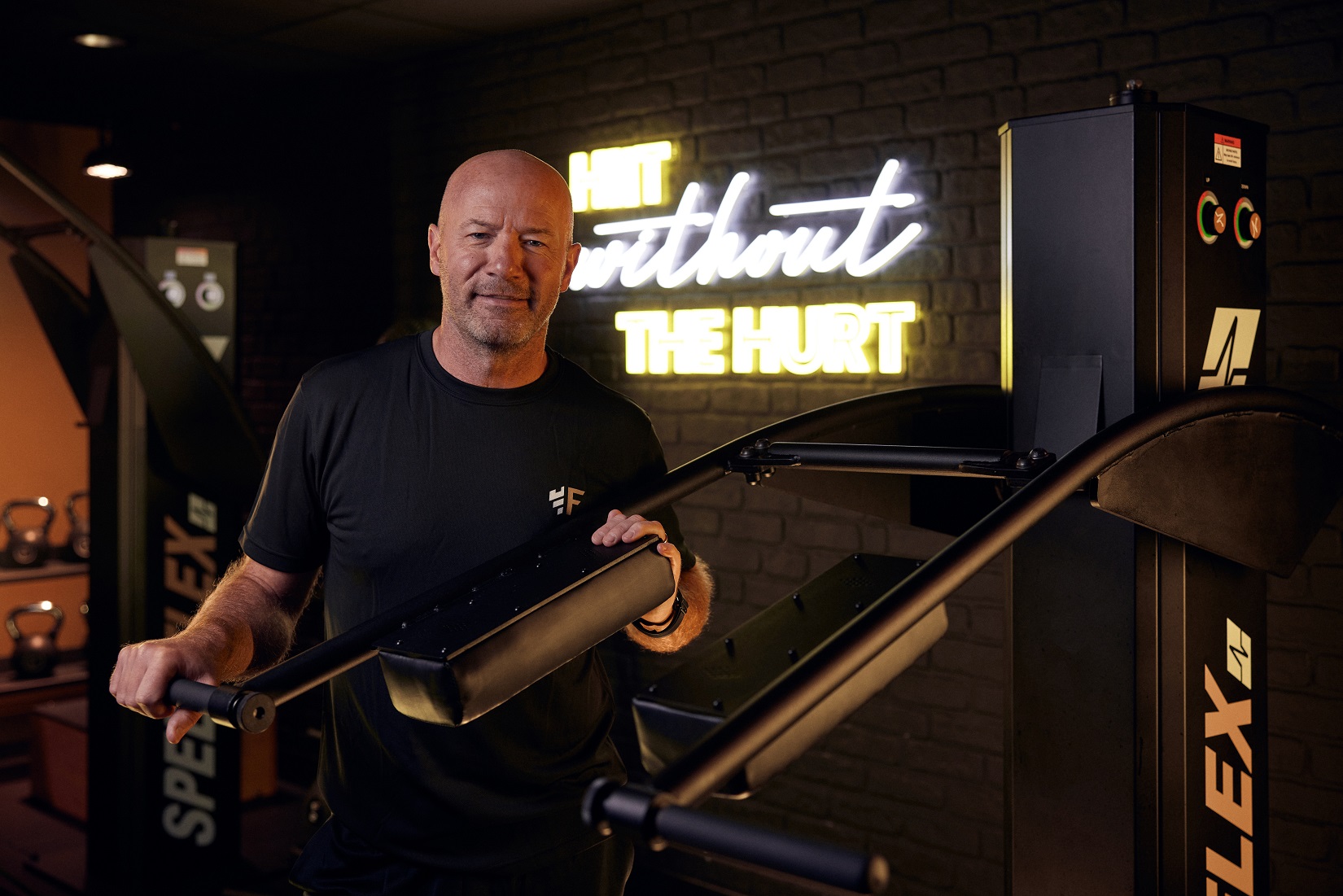
HIIT without the Hurt:

HIIT isn’t going anywhere. In fact, more and more studies are showing how it is a valuable form of exercise for many different conditions. With this in mind, FORTIS, powered by Speedflex is the 30-minute HIIT class with a difference and a great example of a workout class that can be completed with participants of all ages and abilities. The class is built upon Speedflex’s unique personalised resistance concept, allowing every participant to train at their optimum level. As such, people of all abilities, from pensioners to athletes can partake in the class and reap the benefits of group exercise. In particular, FORTIS has seen great success in training clients who suffer from conditions such as Parkinson’s and Cancer, as the unique training method – which is high intensity, but low impact means clients can workout to their own max with no aches and pains the next day.
Shocking Value

You may have seen our previous feature about EMS Training, which continues its UK-wide growth with new studios such as Feel Electric, Ironbody Fit and Surge opening around the country. EMS stands for Electro-Muscular Stimulation and is billed as ‘the smartest way to train’. An external EMS device sends a finely tuned electrical signal to the muscles, causing them to contract. The signal mimics the natural signal sent by the brain to the muscles but is more powerful.
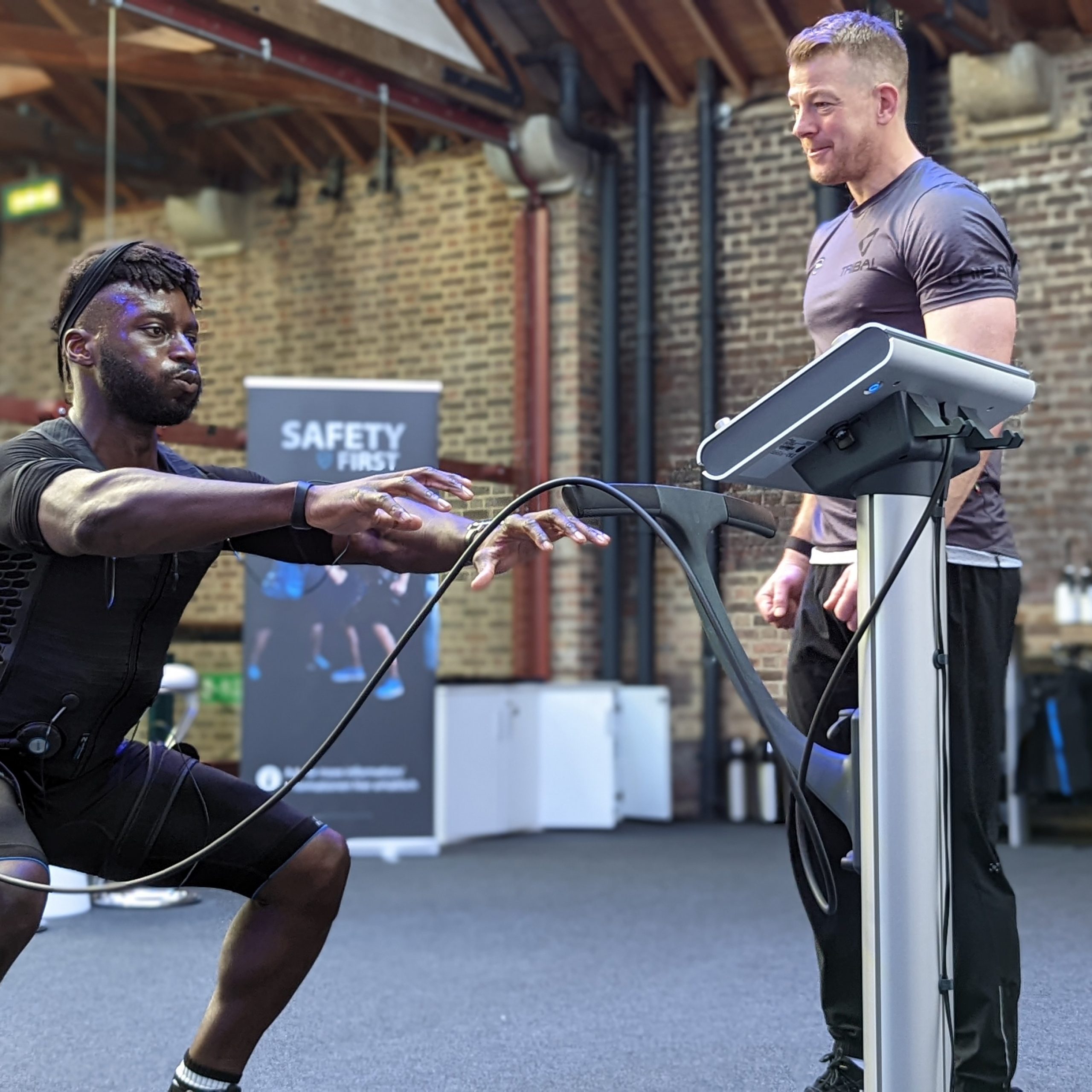
Combined with a ‘free will contraction’ during an exercise, and the external stimulus from the EMS device, individuals activate up to 98% of their muscle fibres. Not only is EMS training fast and effective, it’s ideal for people of all ages and abilities. The list of celebrities reaping the rewards extends from professional athletes like Usain Bolt and David Haye, to Hollywood actors like Tom Holland and models and singers such as Poppy Delevingne, Chrissy Teigen and Rita Ora.

Normalising Women’s Health

Finally, women’s health is beginning to gain traction in the news agenda and important life stages like Menopause and the impact it has on a women’s working life are even being discussed in Parliament. 

As a result, employers are beginning to sit up and listen to how these periods of a women’s life can impact the working world and as such we’re seeing an increase in corporate wellbeing for fertility treatment and menopause. Leading corporate wellbeing platform, Gympass is supporting employers in offering employee guidance during the menopause through its online platform, the Menopause Hub and e-book.

Yet, this is just the beginning and a lack of education within the whole population means that unfortunately women can often not know the full spectrum of concerns or conditions their bodies have to go through in pregnancy and menopause – but Ten Health & Fitness wants to change that. Ten is leading the health and clinical support sector in prioritising women’s health services and tackling both the lack of education and misconception around so many conditions.

Ten has recently added a collection of Women’s Health specialist services to its offering including: Specialist Women’s Health Physiotherapy, Dedicated Pre & Post-Natal Massage, Pelvic Floor On-Demand classes and Special Edition workshops covering topics such as pelvic floor health and dysfunction. By offering these female focused services, Ten hopes to lead by example to champion the specialised wellbeing that women deserve to feel their best in every stage of life.

Step into the Metaverse

This year, LES MILLS bought exercise motivation to the metaverse with the launch of the BODYCOMBAT VR app, which saw globally-renowned trainers fused with virtual reality (VR) for an out-of-this-world fitness gaming experience. Led by BODYCOMBAT’s legendary program directors Rachael Newsham and Dan Cohen – the game pits players against martial arts challenges across a variety of levels, spanning intergalactic deserts and neo-city skylines. Players earn points for their effort and technique, with Rachael and Dan providing coaching cues and motivation to power them through the workouts. In fact, BODYCOMBAT has recently been named as the number one fitness selling VR app in the world by Meta, further proof that LES MILLS is driven by tech and innovation to bring fitness to more people around the globe

Now, LES MILLS is taking it one step further and will be one of the first fitness brands to upload live filmed content onto the metaverse. In Autumn 2022, the world’s largest fitness event, LES MILLS LONDON LIVE took place and filmed (using 15 x 360-degree cameras!) the live action from every angle. The content will be integrated into an immersive experience on the metaverse that can be tapped into via Oculus headsets and mobile phones virtually.

Pushing the limits

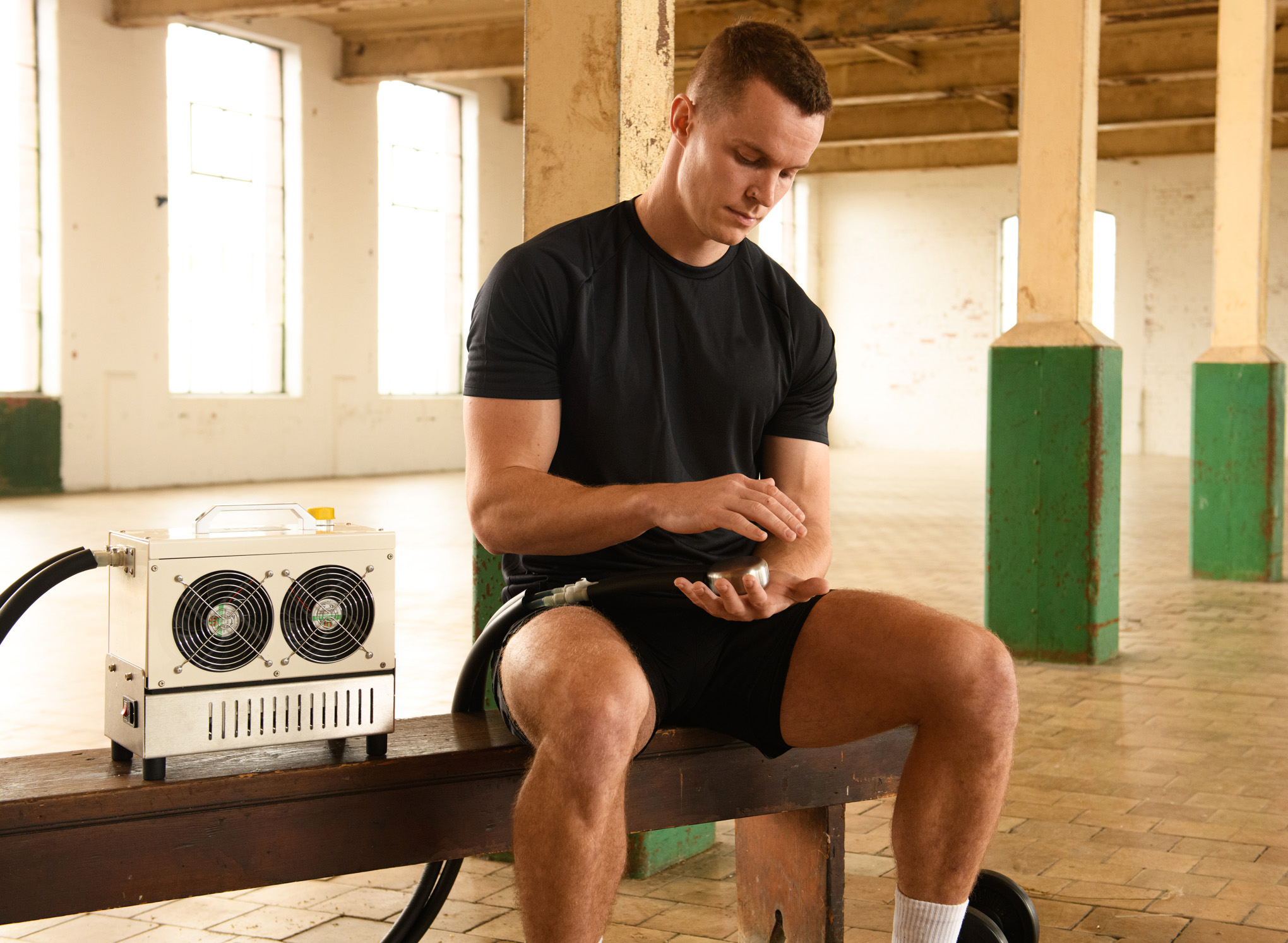
The training performance benefits of cold therapy have filtered from professional sport to the mainstream consumer over the last few years with products and treatments such as Cooled compression, Ice baths, and Cryotherapy are all regularly used by athletes to maximise their performance and optimise their recovery.

Taking this one step further, a ground breaking new product has been launched by the company that has supplied elite sports teams worldwide, with their cold therapy solutions for the last 20 years. The CoreTx GO has been proven to enhance athlete’s performance by cooling the palms of their hand during the rest periods of workouts. This simple, localised cooling causes incredible reductions in fatigue and significantly enhances performance. This incredibly simple, yet effective device can drastically improve repetitions performed, increase time to fatigue and overall workload for both highly experienced and beginner gym goers. This revolutionary tool is set to be a real game changer for athlete’s looking to take their performance to the next level.
The Next Generation’s Sustainable Snacking Ethos

One third of all food grown globally is never eaten, including 3.6m tonnes of fruit, shocking stats like this are making us all take another look at our eating habits in an endeavour to a bit more sustainable. Step in, Squished.

Squished, a zero-waste brand from Climate Positive Food, is helping to make snacking sustainable with its range of fruit energy balls, flapjacks and jams – all created from surplus fruit that is rescued from British farms, meaning no berry is left behind. Each year, Squished rescues as much fruit as it can and turns it into delicious climate positive snacks that keep you (and the planet) going for longer.  To date, Squished has rescued over 25,000kgs of surplus fruit – principally blueberries and strawberries – and is aiming to save 1 million kgs before 2024, by launching its range of rescue fruit snacks.
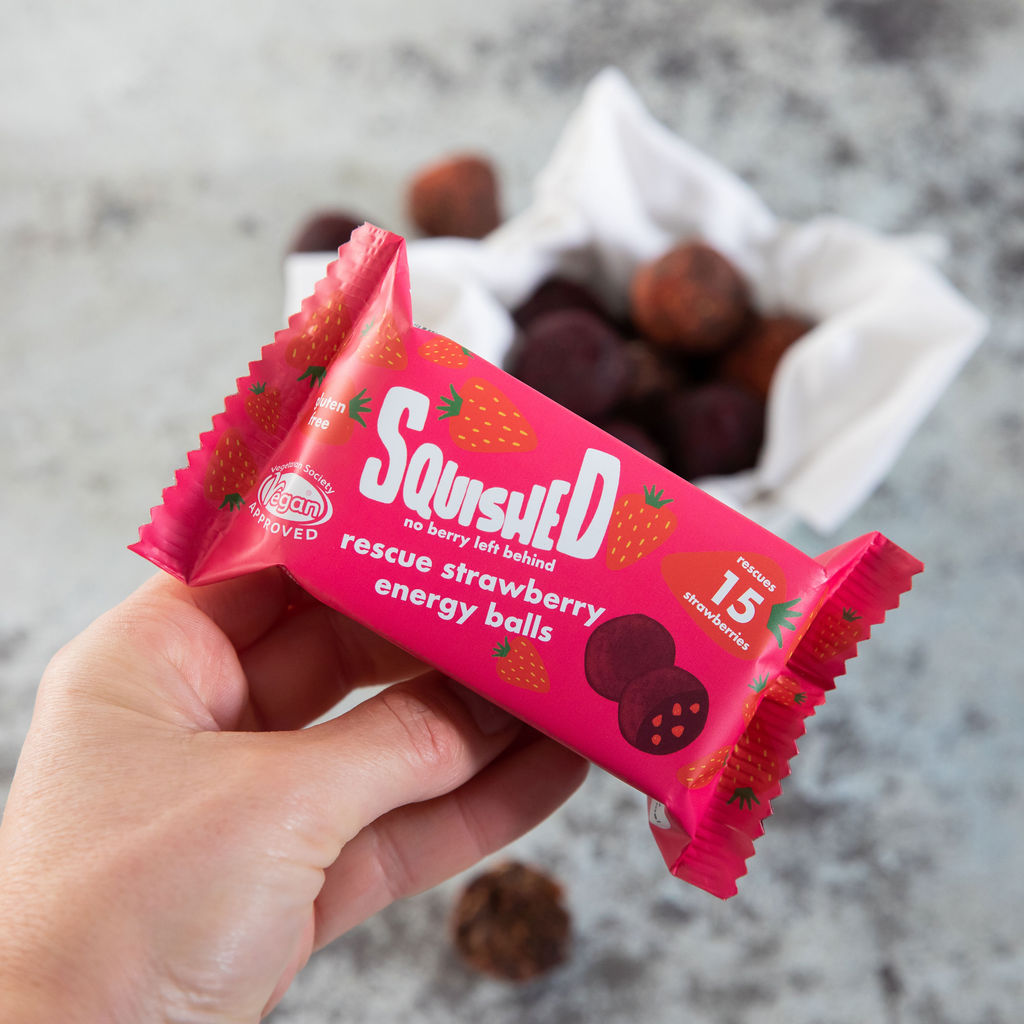
As Squished’s Founder and Director, Paul McCulloch explains; “There is an increased public awareness of the effects the food industry has on the environment. More customers are actively looking for products that will not only be good for their health, but also good for the planet. That’s why the more Squished snacks that are sold, the more fruit can be rescued.”

As the leading health & fitness agency in the UK, with an incredible roster of clients and products servicing the health and wellness sector, it’s safe to say we are at the forefront of delivering cutting edge news, tech and innovations in this space. With 2022 as one our most successful years to date (read all about it here), we are truly proud of the results we achieved for our clients. If you want to get your brand out there and want help with PR, Marketing, Consultancy or any of our other services then get in contact with us: info@action-group.co.uk

Building a successful PT business – Tips from industry expert Luke Worthington

As part of our recent project work with Firstbeat Technologies, we interviewed one of the industry’s top Personal Trainers – Luke Worthington. As a PT for over 20 years, Luke worked up to coaching elite athletes across multiple disciplines, and now celebrities and actors. Luke has also spent considerable time working with some of the best brands in the business, including being Head of Education for London’s most premium gym, Third Space. This feature is dedicated to our interview with Luke and his views on building a successful PT business, you can read more about our work launching Firstbeat Life here. We worked to create proprietary content specifically for the UK market, working with Luke and additional PT ambassadors on multiple content shoots to deliver a range of photography and videography assets, along with SEO specific written content and decks for outreach.

Luke has seen the industry grow and develop, and most recently how it has been affected by COVID and the increasing numbers of fitness apps and online trainers. We spoke with him about building a successful PT business and how to stand out in the market.

“To build a successful PT business in the post COVID era, you have to be adding significant value to your service. So, any tool that enables you to have more interaction and more traction with your client is going to improve your buy in from the client…and the Firstbeat data allows you to do that.”

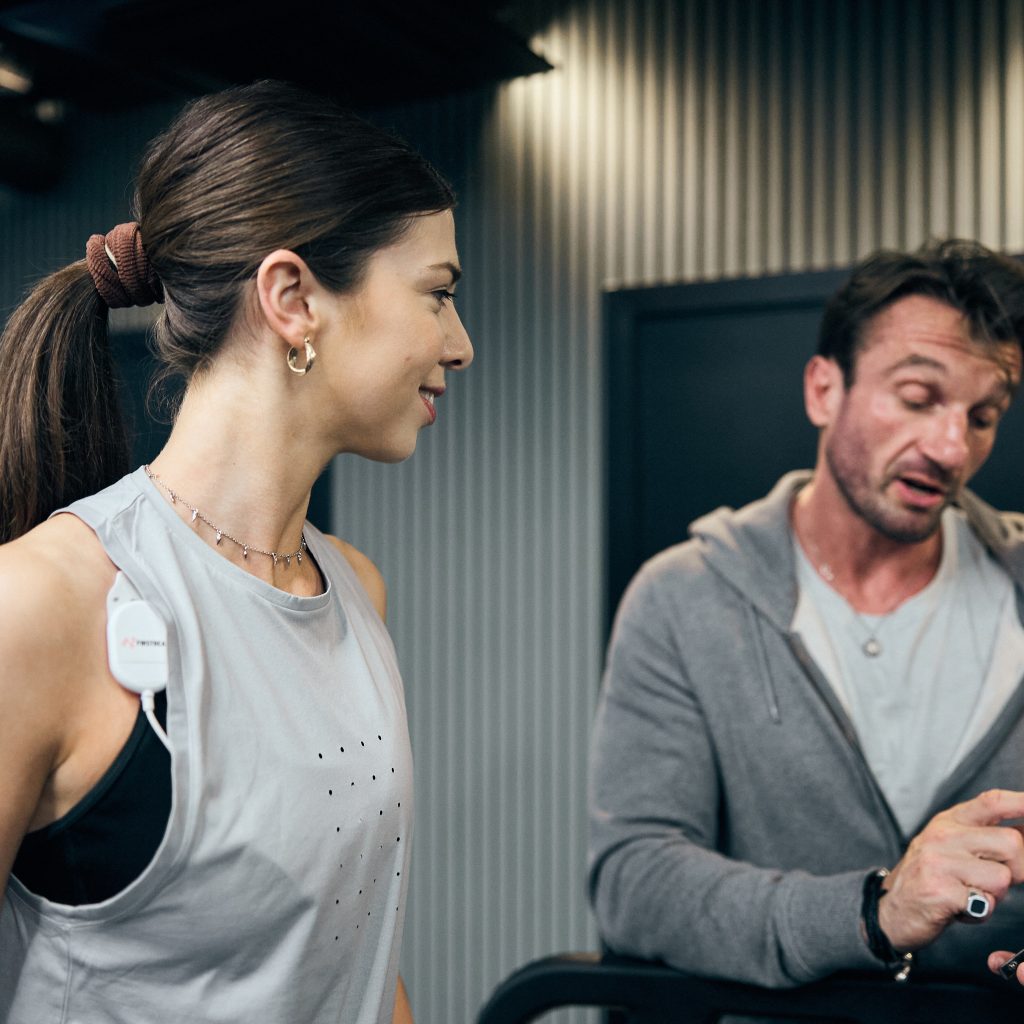
“The conversations I’ve been having with clients in recent years has been more about what’s happening outside of the gym and the impact that may have on their overall wellbeing as well as their physical. Through Firstbeat Life, I can measure heart rate variability which gives a very accurate way to track clients’ stress, recovery and sleep, therefore providing an indication of their overall wellbeing,” adds Luke.

Why tracking wellness data is important to build a successful PT business

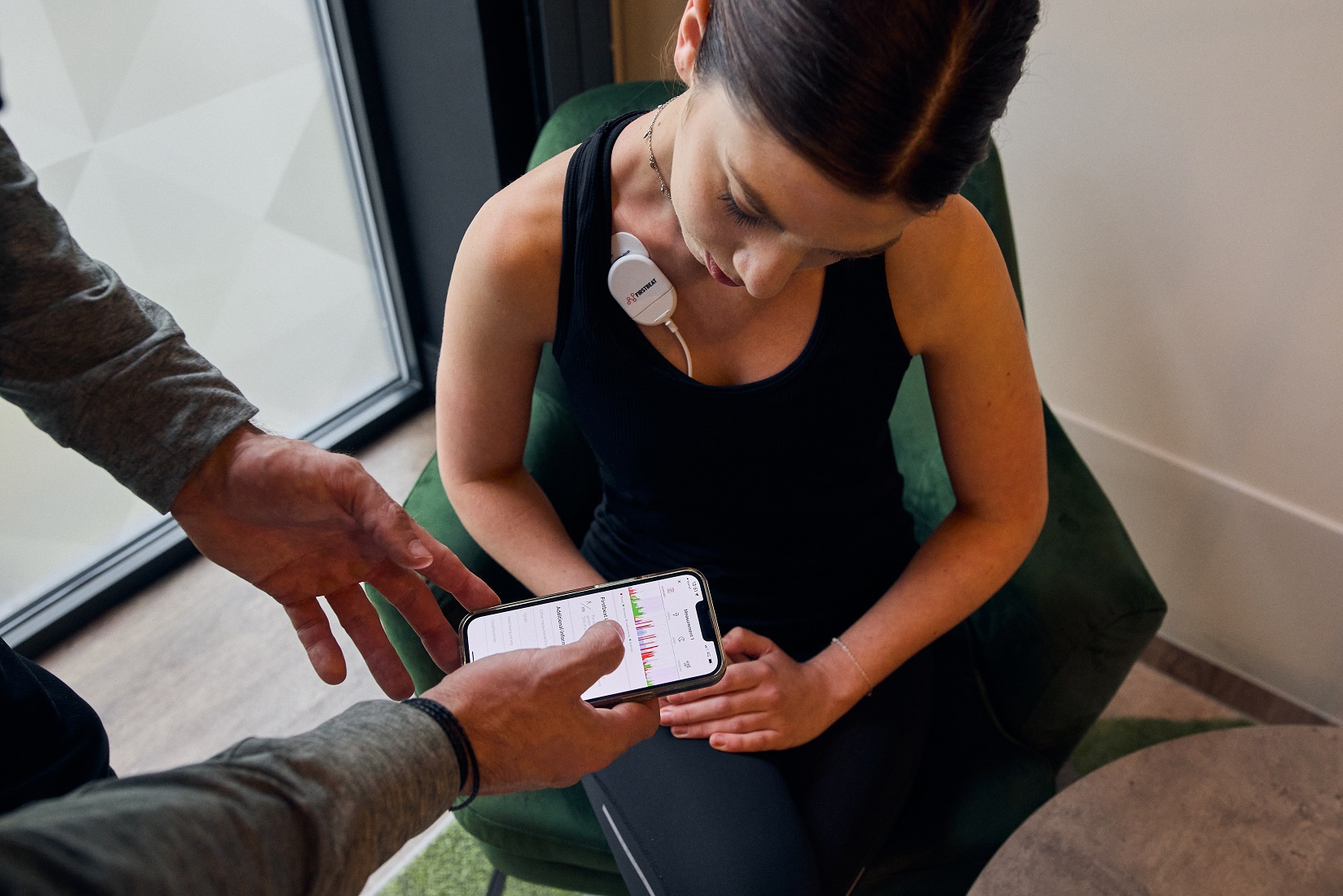
Tracking the Heart Rate Variability (HRV) enables you to get incredible insight into stress-recovery balance. Tracking HRV in the PT industry opens up incredible possibilities for trainers to give their clients accurate and detailed advice.

“That is why using the device has changed and improved my offering. It enables me to move from having anecdotal conversations about someone’s state of wellbeing through to being able to show them actual numbers and information. The more information you are able to provide a client, the more likely they are able to successfully adhere to a programme.”

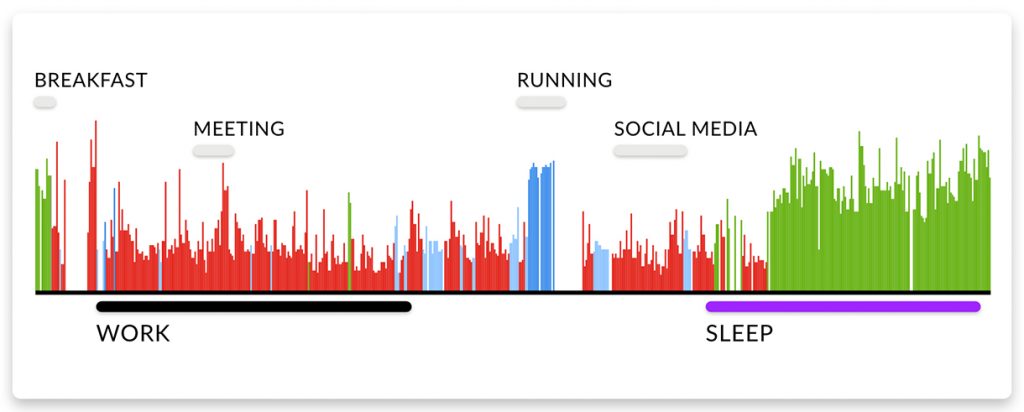
“An example that I found with a client of mine is, he has a six month old baby which, as babies do, wakes up a lot during the night. He’d been quite adamant that this whole process was very stressful for him. So he was certain that, and I was similarly sure actually, that his data would look like lots of big red spikes [of stress]. However when he was getting up throughout the night to attend to the baby, it actually didn’t, so what it looked like was a little red spike. So a little stressful period when he was actually being woken up, but then the process of attending to the baby and getting the baby back to sleep actually was quite restorative to him, which is quite a heart-warming story really. But what it helped us to understand together, was how important it is to actually match that data to what you were doing. So actually his process of bonding with his son is very restorative to him. But the process of being woken up is not, so waking up throughout the night is, yes, it is a stressful thing to happen to us, but the but the reason why we are being woken up is, is quite important.”

While successful personal trainers are skilled in creating unique training plans that complement the abilities of each client, having access to the Firstbeat Life data means these plans can be tailored to respond to the client’s health metrics on any given day.

How data improves your PT service, before the session has even begun

Being able to see your client’s data is invaluable.  PTs usually rely on verbal communication from the client at the beginning of the session to determine their energy levels and readiness. With Firstbeat, it is possible for trainers to analyse their clients physiological data, stress and recovery levels ahead of the session – helping to inform their decision on the training plan.

“Training time has been another interesting discussion point with my clients since implementing Firstbeat Life. What we’re seeing is not necessarily that they’re over training, but they’re under recovering. So we’re having to make some different choices about what that workout might look like. So the workout might still happen, but it might happen at a different intensity to one that we might have scheduled.”

“I can see the data before I meet with clients and think, ‘Right, I’ve already changed the plan because I already know that you’re not feeling it’ before I’ve even met you, that is very useful.”

If you’re a brand in the health, fitness and wellness industry and looking to grow, launch a new product or service, or have some captivating content shot then get in touch with us: info@action-group.co.uk

The Future of Tech in Wellness

tech in wellness

We recently attended a talk with leading health, wellness and fitness brands in London, where the state of the industry was being discussed as well as current and future trends. Tech is, as ever, a huge topic of debate and its future is one everyone is keeping a close eye on. If you are interested in the topic of fitness and tech, check out our blog about Les Mills’ foray into the VR world here, where they launched the BODYCOMBAT VR app which fuses globally renowned trainers with Virtual Reality technology.

Below is a breakdown of what expert panellists Keith Leddington, Suba M and Fiona Sweny have predicted for the future of tech in wellness. Leddington is the Director of Partnership at FitXR, a virtual reality workout app that combines fitness with gaming through either boxing, dancing or HIIT training. Both Suba M and Fiona Sweny work at health and wellness brand Holland and Barrett – Suba M is the Director of Science while Sweny is the Journeys Science Lead.

Growing popularity of Apps

During the discussion, the panellists agreed that one of the most notable advances of tech in wellness is the increasing popularity of fitness apps. With over 71,000 health and fitness apps launched in 2020, there is no denying the impact that fitness apps have had on the industry, especially in the last few years. This prompted the question about whether the connectivity between wellness apps and healthcare providers is giving people the access to help they require. Suba M pointed out that the data collected by these apps is becoming more detailed as time goes on which could give users more insight into their health and associated risks.

We worked with Hackney-based boutique fitness brand The Refinery on their Refine with ALFI app, a virtual fitness app which allows users to create their own avatar-instructor, decide what type of exercise class they do and what music they want to listen to, in an inclusive and non-judgemental environment enabled by the avatars. We supported their team in the launch of their app which takes personalisation and detail to the next level, you can read more about this here. The panel went onto discuss that, despite the increasing popularity of these fitness apps, there is a reasonable argument to suggest that the technological transformation of the fitness industry could inadvertently fuel social media addictions and therefore actually hinder the future of tech in wellness. It’s undeniable though, if new apps and avatar-instructed fitness classes are encouraging more people to exercise, then that is a great result.

Wearables

As a secondary point, the panel discussed the demand for fitness tech in the form of wearables such as watches and monitors. The host asked the question, are wearables becoming more popular than wellness/fitness apps? The panellists argued that, though there are less of them compared to the influx of apps we see daily, wearables tend to gain more traction and are arguably more fine-tuned to individuals compared to inputted data on an app. Back in April, we delved into hyper-personalisation and how it is changing the fitness landscape through fine-tuned data, and you can read all about this here.

tech in wellness

We also recently worked with Firstbeat for the launch of their newest Heart Rate Variability (HRV) monitoring tool, which uses a clinical-grade ECG heart rate monitor to track heart activity and provide a detailed analysis of stress, recovery, sleep and exercise performance. This service is specifically designed for Personal Trainers to offer to their clients, enabling them to offer them the most personalised training ever. These highly accurate wearables will scientifically upgrade a PTs service, and therefore improve the wellbeing and lifestyle of the wearers. You can read more about our work launching Firstbeat Life here.

Wearables are also increasing in popularity outside the scope of fitness – many wellness wearables focus on sleep patterns and stress levels as opposed to just calories or step count. Google Trends data shows that searches for “stress trackers” increased by 80% between January 2020 and March 2022, with sales up by roughly 20% during the same period, showing that the demand for wearables for wellness is still rising.

The panel also mentioned that despite the fact that many people are wearing some kind of wearable tracker regardless of fitness level, it could be argued that monitoring health/wellness in this removes the fun and makes it too competitive. However any wearable that makes the wearer more mindful of exercise, more aware of their fitness level and positively encourages them to move if they need to is a good thing. Research from the University of South Australia found that wearing fitness/activity trackers motivates people to walk up to 40 minutes more each day and resulted in an average weight loss of 1kg over 5 months which demonstrates the effectiveness and accuracy of smart technology in exercise.

The Potential for AI and VR

Many companies are introducing AI and Virtual Reality as alternative methods of training which is the most technologically advanced form of training the industry is currently seeing. You can check out our blog on the rise of AI influencers and how they are changing the norm of social media here. The gaming industry has been booming amongst the younger generation for many years now, so there is an argument to be made that the combination of gaming technology with fitness could motivate more people to exercise.

tech in wellness

The idea of VR for exercise could also extend the fitness community, allowing people to combat loneliness by finding friends and in turn improving their overall wellness. Though the sense of community could increase for the better, the panel pointed out that all VR communication is spoken so it’s harder to moderate what is being said which runs the risk of negativity and harm being spread across the platform.

Final verdict

The impact and future of tech in wellness is undeniable, with almost every brand and business seamlessly integrating some form of tracker or app into their practice. They are certainly increasing in popularity, with a Poll by YouGov showing that 30% of all adults across the country own and regularly use some form of wearable fitness device. These fitness trackers were most popular with adults aged between 25-49, with 39% saying they use a wearable device. In this same poll, 53% of adults say that they have never owned any form of wearable device, but could this figure begin to decrease as the innovations within the industry continue to progress?

If you have an innovative product or service in the health, fitness and wellness industry and want to see yourself on a future trends report, or looking to grow and make your mark on the industry then get in touch with us. We are experts in consultancy, marketing, PR and advertising, so whether you’re a small business or a multi-million pound turnover one, we can help you. Email us: info@action-group.co.uk

Hyper-personalisation is changing the fitness landscape

fitness workout data and information

Hyper-personalisation in the fitness industry has grown rapidly in recent years and is already reshaping the way we exercise. This is largely due to data and technology increasing and offering information that informs on and impacts our exercise routines. With wearable tech continuing to grow, as we discussed in our 2022 fitness trends report, more and more people are gaining access to an incredible amount of biometric data. Metrics such as quality of sleep, calories burned, heart rate variability, blood oxygen levels and even acclimation to heat and altitude, means each individual can now track their fitness progress with accuracy and ease.

Thanks to apps like Apple Fitness and Samsung Health, the sharing of data from these apps to others has also allowed all health and fitness providers to improve their services with this information. A great example of this is Nutra Check, the calorie counting app that now uses data from your phone and smartwatch, to manage your required calorie intake based on your energy expenditure each and every day.

Accountability for daily steps and exercise has increased massively upon having access to these results each day: with weekly reports on activity, people can now be more aware of their progress, and if they are on track to reach their targets. Digital wellness is continuing to grow with highly personalised experiences. For example, Headspace has been the leading mindfulness app for years with good reason, offering personalised progress, with tracking of time spent meditating, stress and happiness levels, and sleep quality. Apps like Zero, a fasting platform, also offer personalised insights and advanced tracking to help manage sleep quality and boost energy. This data and feedback together, are helping to build your very own wellness ecosystem, and it won’t be long until the likes of Apple put this all into one space for you to check up on yourself with a summary of your information.

Improving Personal Training Offering Through Hyper-Personalisation

Companies like Firstbeat are already using their heart monitoring technology to give personal trainers, and sports coaches, the ability to provide feedback on the effectiveness of their clients’ training, recovery status, fitness level and stress. This information is vital for trainers to understand the progression of their clients, and how they can improve their programme to help reach their goals more efficiently.

Tracking both sleep and recovery means trainers will be able to restructure their workout plans each and every week. If they have a particularly demanding session planned in the evening with their client, but can see they have been highly stressed throughout the day, with a lack of sleep, they can then re-arrange that session to ensure they are not over-working them. This technology from Firstbeat allows trainers to give personal insights to their clients weekly, whilst freeing up more of their own time, allowing them to take on more clients.

hyper-personalised heart rate data

Improving Fitness Businesses

Fitness operators have also seen substantial changes to their offering, with the digital world of fitness growing rapidly during lockdown. More businesses are now able to offer better-personalized experiences both on site, and online. With access to a broad amount of information on each member, operators can now make personalized suggestions based on their activities and attendance.

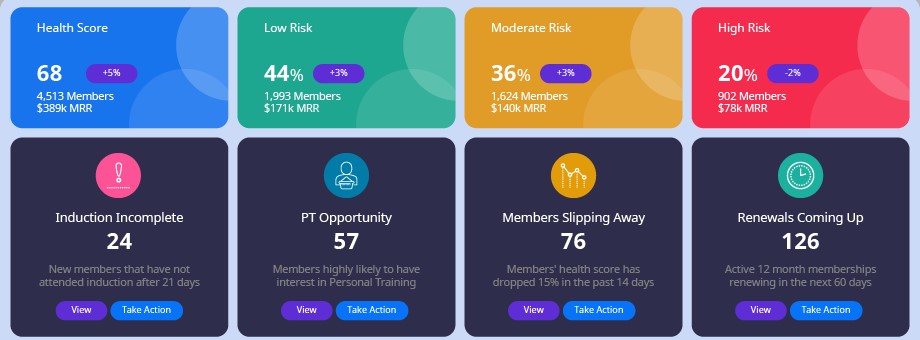
Keepme.ai, a retention and marketing platform, has taken this to a whole new level. Using AI and machine learning, Keepme.ai is able to give accurate predictions on when members will be likely to leave, which prospects will be likely to join, and which members are likely to want to purchase personal training sessions.

This data is an opportunity for operators to elevate their business whilst offering a hyper-personalized experience to their members, creating meaningful relationships with their members in the long run, which will only improve their retention.

hyper-personalised member information

Overview of hyper-personalisation in the fitness industry

Hyper-personalisation in the fitness industry has been accelerated by lockdown, showing no signs of slowing down. Within the first two months of lockdown, we predicted that digital fitness offerings personalising their customer experience, will be the most likely to succeed during and after the pandemic, written in our feature The Future of Digital Fitness.

It’s safe to say that every area of the fitness industry has benefitted from hyper-personalisation and will continue to do so. The data is there for everyone, and now it’s up to businesses, trainers and individuals to capitalise and reap the rewards of information.

If you have an innovative product or service in the health, fitness and wellness industry and want to see yourself on a future trends report, or looking to grow and make your mark on the industry then get in touch with us. We are experts in consultancy, marketing, PR and advertising, so whether you’re a small business or a multi-million pound turnover one, we can help you. Email us: info@action-group.co.uk

Wellness Trends Every Operator Should Know About

Wellness Trends 2019

The Welltodo 2019 Business of Wellness Trends Report takes a look at the trends impacting wellness businesses and industry leaders. This excellent report highlights many points fitness operators may wish to consider to maximise success in 2019 and future proof their business, we’ve pulled out the most pertinent points right here.

Transparency Gets Radical

Sustainability and transparency are more important than ever for brands.  In the fitness industry we spend a of lot of time considering customer experience, product and journey.  The latest marketing campaigns champion the individual and their individual reasons for being active, but according to the report, we may be missing a trick.  In 2019 and beyond it will become more important to build fitness brands on values with which the consumer can identify, ‘the opportunity lies in building more authentic and profitable relationships with customers. Meaningful relationships that shift the customer dialogue from ‘give ME what I want’ to ‘support the ideals WE believe in. Long-lasting relationships grounded in a common purpose and built around a collective sense of brand belonging.’  We are already seeing this with large consumer brands such as Nike, Lululemon and Clif Bar, perhaps it’s time for to operators to follow suit.  After all, according to the report, ‘64% of consumers find brands that actively communicate their purpose more attractively.’

Digital Disruption

It used to be that the only competitors for fitness operators, were other operators.  With the massive proliferation of health, wellness and fitness experiences this is no longer the case.  Everyone from retailers to supermarkets are vying for the fitness pound and operators must diversify their offerings and experiences to compete.  The Welltodo report highlights services such as Waitrose’s new in store nutrition consultation and shopping packages as well as Westfield’s wellness vision for the future.

In addition, more consumers are taking care of their health and fitness needs at home with services like DNA or blood testing for health, and online workouts. Operators would do well to shore up against the growth of home-wellness, by expanding their own range of services which extend beyond the four walls of the gym.  According to the report, when experiences are done well, there is room for everyone, ‘customers are looking for wellness concepts in every environment across every category. The end game will be a mix of environments and delivery options.’

New Realms in Marketing

It’s fair to say that fitness operators are still to fully embrace working with influencers, historically success has been hard to quantify, and costs can quickly rack up.  Now a clearer pathway is emerging for how to work with influencers to enhance your fitness brand.  We all know that the best influencer partnerships are those which are authentic and credible but the report also highlights the value in harnessing the influencers own market knowledge to have a greater impact on consumers, ‘Brands can also benefit from the unique knowledge influencers possess when it comes to consumer trends, pain points or gaps in the market – to that end influencers are becoming a more valuable business tool than ever before.’

When identifying potential influencers with whom to work, brands can do well to start with their own talent pool, ‘Recognising just how powerful a weapon influencers can be, in 2018 two of the industry’s leading fitness brands made a pioneering move to harness the power of influencers they already have at their disposal – their own employees.’

Rebranding For Wellness

The report raises an interesting question, should operators think more in terms of ‘wellness’ than ‘health and fitness’ when it comes to their overall proposition. We have seen a diversification of the offering of gyms and health clubs over the past few years to include more holistic experiences such as spas, meditation and health assessments, but broadly speaking, consumers still think of gyms and health clubs as places to get fit rather than as wellness destinations.  Bannatyne recently began positioning themselves as wellness business.  Perhaps it’s time for more operators to revisit their overall proposition?

With the wellness industry worth $4.2 trillion globally, it’s definitely worth some consideration. And if you need further convincing I’ll leave you with this stat from the report, ‘According to a recent survey by Ketchum, three quarters of consumers now believe that achieving wellness is as valuable as achieving financial stability.’

For the full copy of the Welltodo 2019 Business of Wellness Trends Report visit the  Welltodo website