The Future of Tech in Wellness

tech in wellness

We recently attended a talk with leading health, wellness and fitness brands in London, where the state of the industry was being discussed as well as current and future trends. Tech is, as ever, a huge topic of debate and its future is one everyone is keeping a close eye on. If you are interested in the topic of fitness and tech, check out our blog about Les Mills’ foray into the VR world here, where they launched the BODYCOMBAT VR app which fuses globally renowned trainers with Virtual Reality technology.

Below is a breakdown of what expert panellists Keith Leddington, Suba M and Fiona Sweny have predicted for the future of tech in wellness. Leddington is the Director of Partnership at FitXR, a virtual reality workout app that combines fitness with gaming through either boxing, dancing or HIIT training. Both Suba M and Fiona Sweny work at health and wellness brand Holland and Barrett – Suba M is the Director of Science while Sweny is the Journeys Science Lead.

Growing popularity of Apps

During the discussion, the panellists agreed that one of the most notable advances of tech in wellness is the increasing popularity of fitness apps. With over 71,000 health and fitness apps launched in 2020, there is no denying the impact that fitness apps have had on the industry, especially in the last few years. This prompted the question about whether the connectivity between wellness apps and healthcare providers is giving people the access to help they require. Suba M pointed out that the data collected by these apps is becoming more detailed as time goes on which could give users more insight into their health and associated risks.

We worked with Hackney-based boutique fitness brand The Refinery on their Refine with ALFI app, a virtual fitness app which allows users to create their own avatar-instructor, decide what type of exercise class they do and what music they want to listen to, in an inclusive and non-judgemental environment enabled by the avatars. We supported their team in the launch of their app which takes personalisation and detail to the next level, you can read more about this here. The panel went onto discuss that, despite the increasing popularity of these fitness apps, there is a reasonable argument to suggest that the technological transformation of the fitness industry could inadvertently fuel social media addictions and therefore actually hinder the future of tech in wellness. It’s undeniable though, if new apps and avatar-instructed fitness classes are encouraging more people to exercise, then that is a great result.

Wearables

As a secondary point, the panel discussed the demand for fitness tech in the form of wearables such as watches and monitors. The host asked the question, are wearables becoming more popular than wellness/fitness apps? The panellists argued that, though there are less of them compared to the influx of apps we see daily, wearables tend to gain more traction and are arguably more fine-tuned to individuals compared to inputted data on an app. Back in April, we delved into hyper-personalisation and how it is changing the fitness landscape through fine-tuned data, and you can read all about this here.

tech in wellness

We also recently worked with Firstbeat for the launch of their newest Heart Rate Variability (HRV) monitoring tool, which uses a clinical-grade ECG heart rate monitor to track heart activity and provide a detailed analysis of stress, recovery, sleep and exercise performance. This service is specifically designed for Personal Trainers to offer to their clients, enabling them to offer them the most personalised training ever. These highly accurate wearables will scientifically upgrade a PTs service, and therefore improve the wellbeing and lifestyle of the wearers. You can read more about our work launching Firstbeat Life here.

Wearables are also increasing in popularity outside the scope of fitness – many wellness wearables focus on sleep patterns and stress levels as opposed to just calories or step count. Google Trends data shows that searches for “stress trackers” increased by 80% between January 2020 and March 2022, with sales up by roughly 20% during the same period, showing that the demand for wearables for wellness is still rising.

The panel also mentioned that despite the fact that many people are wearing some kind of wearable tracker regardless of fitness level, it could be argued that monitoring health/wellness in this removes the fun and makes it too competitive. However any wearable that makes the wearer more mindful of exercise, more aware of their fitness level and positively encourages them to move if they need to is a good thing. Research from the University of South Australia found that wearing fitness/activity trackers motivates people to walk up to 40 minutes more each day and resulted in an average weight loss of 1kg over 5 months which demonstrates the effectiveness and accuracy of smart technology in exercise.

The Potential for AI and VR

Many companies are introducing AI and Virtual Reality as alternative methods of training which is the most technologically advanced form of training the industry is currently seeing. You can check out our blog on the rise of AI influencers and how they are changing the norm of social media here. The gaming industry has been booming amongst the younger generation for many years now, so there is an argument to be made that the combination of gaming technology with fitness could motivate more people to exercise.

tech in wellness

The idea of VR for exercise could also extend the fitness community, allowing people to combat loneliness by finding friends and in turn improving their overall wellness. Though the sense of community could increase for the better, the panel pointed out that all VR communication is spoken so it’s harder to moderate what is being said which runs the risk of negativity and harm being spread across the platform.

Final verdict

The impact and future of tech in wellness is undeniable, with almost every brand and business seamlessly integrating some form of tracker or app into their practice. They are certainly increasing in popularity, with a Poll by YouGov showing that 30% of all adults across the country own and regularly use some form of wearable fitness device. These fitness trackers were most popular with adults aged between 25-49, with 39% saying they use a wearable device. In this same poll, 53% of adults say that they have never owned any form of wearable device, but could this figure begin to decrease as the innovations within the industry continue to progress?

If you have an innovative product or service in the health, fitness and wellness industry and want to see yourself on a future trends report, or looking to grow and make your mark on the industry then get in touch with us. We are experts in consultancy, marketing, PR and advertising, so whether you’re a small business or a multi-million pound turnover one, we can help you. Email us: info@action-group.co.uk

Hyper-personalisation is changing the fitness landscape

fitness workout data and information

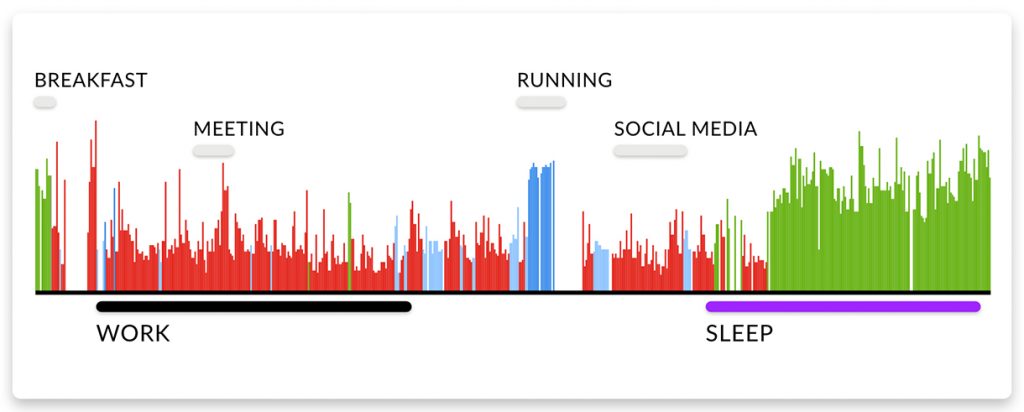
Hyper-personalisation in the fitness industry has grown rapidly in recent years and is already reshaping the way we exercise. This is largely due to data and technology increasing and offering information that informs on and impacts our exercise routines. With wearable tech continuing to grow, as we discussed in our 2022 fitness trends report, more and more people are gaining access to an incredible amount of biometric data. Metrics such as quality of sleep, calories burned, heart rate variability, blood oxygen levels and even acclimation to heat and altitude, means each individual can now track their fitness progress with accuracy and ease.

Thanks to apps like Apple Fitness and Samsung Health, the sharing of data from these apps to others has also allowed all health and fitness providers to improve their services with this information. A great example of this is Nutra Check, the calorie counting app that now uses data from your phone and smartwatch, to manage your required calorie intake based on your energy expenditure each and every day.

Accountability for daily steps and exercise has increased massively upon having access to these results each day: with weekly reports on activity, people can now be more aware of their progress, and if they are on track to reach their targets. Digital wellness is continuing to grow with highly personalised experiences. For example, Headspace has been the leading mindfulness app for years with good reason, offering personalised progress, with tracking of time spent meditating, stress and happiness levels, and sleep quality. Apps like Zero, a fasting platform, also offer personalised insights and advanced tracking to help manage sleep quality and boost energy. This data and feedback together, are helping to build your very own wellness ecosystem, and it won’t be long until the likes of Apple put this all into one space for you to check up on yourself with a summary of your information.

Improving Personal Training Offering Through Hyper-Personalisation

Companies like Firstbeat are already using their heart monitoring technology to give personal trainers, and sports coaches, the ability to provide feedback on the effectiveness of their clients’ training, recovery status, fitness level and stress. This information is vital for trainers to understand the progression of their clients, and how they can improve their programme to help reach their goals more efficiently.

Tracking both sleep and recovery means trainers will be able to restructure their workout plans each and every week. If they have a particularly demanding session planned in the evening with their client, but can see they have been highly stressed throughout the day, with a lack of sleep, they can then re-arrange that session to ensure they are not over-working them. This technology from Firstbeat allows trainers to give personal insights to their clients weekly, whilst freeing up more of their own time, allowing them to take on more clients.

hyper-personalised heart rate data

Improving Fitness Businesses

Fitness operators have also seen substantial changes to their offering, with the digital world of fitness growing rapidly during lockdown. More businesses are now able to offer better-personalized experiences both on site, and online. With access to a broad amount of information on each member, operators can now make personalized suggestions based on their activities and attendance.

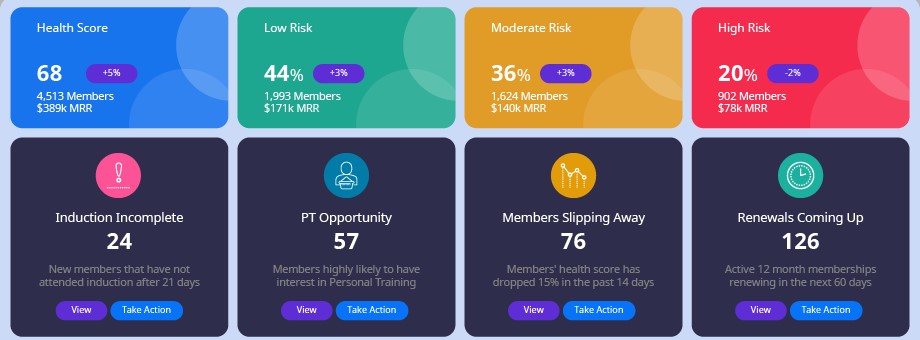
Keepme.ai, a retention and marketing platform, has taken this to a whole new level. Using AI and machine learning, Keepme.ai is able to give accurate predictions on when members will be likely to leave, which prospects will be likely to join, and which members are likely to want to purchase personal training sessions.

This data is an opportunity for operators to elevate their business whilst offering a hyper-personalized experience to their members, creating meaningful relationships with their members in the long run, which will only improve their retention.

hyper-personalised member information

Overview of hyper-personalisation in the fitness industry

Hyper-personalisation in the fitness industry has been accelerated by lockdown, showing no signs of slowing down. Within the first two months of lockdown, we predicted that digital fitness offerings personalising their customer experience, will be the most likely to succeed during and after the pandemic, written in our feature The Future of Digital Fitness.

It’s safe to say that every area of the fitness industry has benefitted from hyper-personalisation and will continue to do so. The data is there for everyone, and now it’s up to businesses, trainers and individuals to capitalise and reap the rewards of information.

If you have an innovative product or service in the health, fitness and wellness industry and want to see yourself on a future trends report, or looking to grow and make your mark on the industry then get in touch with us. We are experts in consultancy, marketing, PR and advertising, so whether you’re a small business or a multi-million pound turnover one, we can help you. Email us: info@action-group.co.uk

Building a Successful Wellness Brand: Nine Learnings from the Welltodo Founder Series

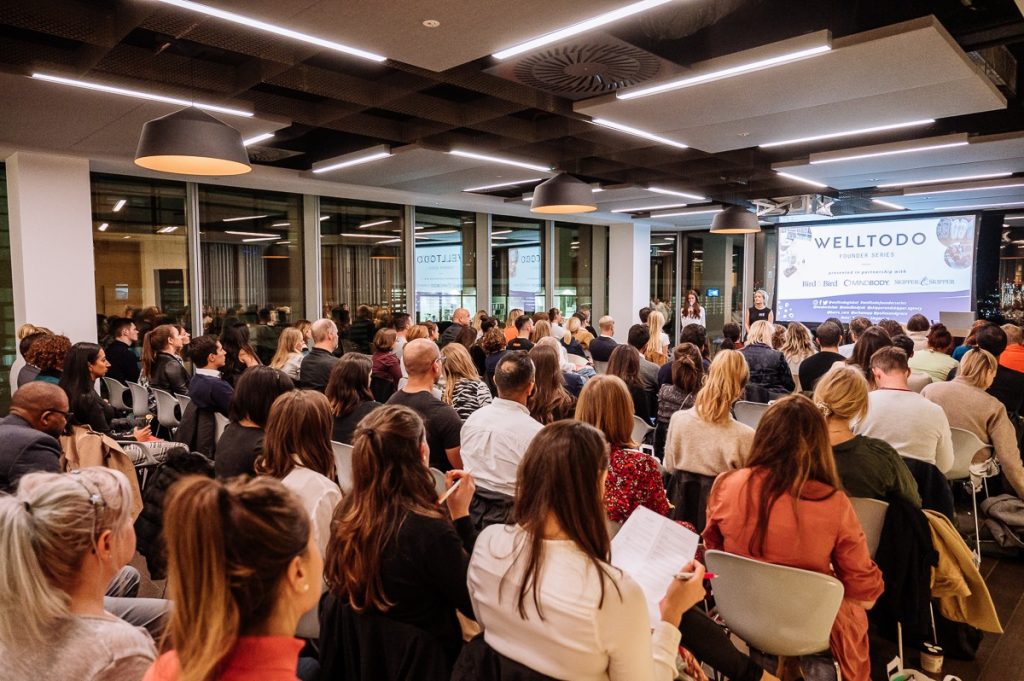
The Welltodo Founder Series is London’s leading event series for forward-thinking brands, startups, influencers and investors in the wellness industry.  This week, we were invited to attend the event and hear from some of the industry’s top entrepreneurs, on what it takes to run a successful wellness business in today’s market.

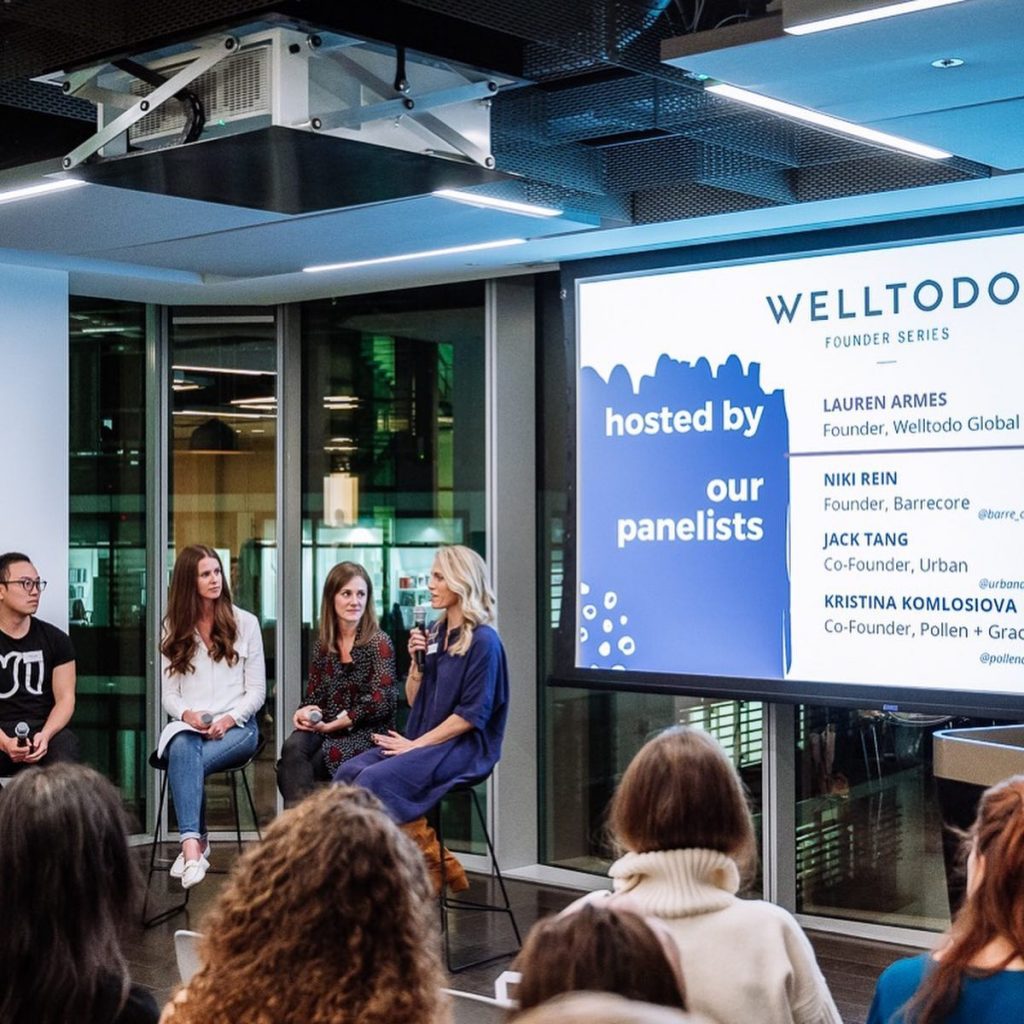
The speakers at the event included our client and founder of boutique fitness brand Barrecore, Niki Rein, Jack Tang, co-founder of mobile massage therapy brand, Urban (formerly Urban Massage), and Kristina Komlosiova, co-founder of healthy-eating service Pollen + Grace. Here’s some pointers we learnt from this panel of experts:

COMMUNITY

Having all launched their businesses in the last five to ten years, the panellists agreed that one of the key reasons for success so far has been down to building a strong community environment. When customers and staff feel like a little community, they’ll continuously support the business and its development.

Jack Tang pointed out another important aspect of this; “Coffee! Where possible, take your clients or staff or anyone who is willing to talk to you, out for a coffee. Discuss the business with them, ask them about their experiences and learn about the pain points of your product from them.”

“When a community of clients feels like they are on the journey with you, it’s more likely to continue growing and succeeding.” Kristina Komlosiova added.

Niki Rein, who has opened 10 London Barrecore studios and is now expanding to the franchise market also adds, “When growing your community, it’s also important not to do a cut and paste job. Listen to each local environment within your community and understand the different needs.”

CORE (VALUES)

An element all the founders stressed the importance of was establishing core values early on and sticking to them. “Stick to your guns! I knew that I was good at coding and knew the product we wanted to end up with so for me, it was easy to stay passionate about it. But there are those who will question your original ideas and try steer you into other directions. If your gut tells you that you’re right, then stand by your decision and map out your core values early on.” Jack gave this advice to the audience about pinning down your values early in the brand journey.

CREDENTIALS

Sometimes, a founder of a wellness brand has to wear many hats, some of which they may or may not be comfortable with. Niki Rein advised, “There are times when people doubt you, doubt that you can do a good job on all the different elements. I remember having to find studio spaces early on and being overwhelmed with all the building aspects of choosing a studio. Now it’s almost second nature and I reckon I could become an estate agent in my next life! Back yourself, trust that if you don’t know something, you can learn it!”

Welltodo Founder Series

(CONTINUOUS) CHASING

If there’s something all the founders agreed on, it was not taking no for the final answer. Kristina’s brand, Pollen + Grace went from strength to strength through constant chasing on suppliers, exhibitors and buyers. “You just have to keep emailing the right people! Keep yourself and your brand top of mind and they’ll eventually start listening, it just takes grit and determination. If I think back to how we started Pollen + Grace, we were just handing out flyers around Hammersmith for hours on end, but it just demonstrates how success is the result of belief and perseverance”

CAPITAL VS CROWD-FUNDING

Fun fact; the wellness industry is now worth a whopping $4.5trillion, and it’s only growing. The founders of this panel all had different strategies for sourcing funding for their businesses but each agreed that learning the pros and cons of all the different markets, the financial jargon and the hoops that need to be jumped through for financial stability – was one of the toughest parts of the job!

“My recommendation would be to do your homework. Don’t rely on advisors and finance people to give you all the details, learn for yourself first and trust your instincts.” Kristina offered, having achieved crowd-funding success in the second stage of Pollen + Grace’s growth.

CHALLENGES

What all the founders unanimously agreed on was that finding success with any business does not come without its setbacks and challenges.

Kristina and her co-founder had well-established careers before they resigned to start Pollen + Grace. “Our friends and family were in shock when we told them we’d quit our jobs. It was a massive risk and a real struggle financially at times, but if you believe in yourself and your brand, you’ll never regret giving it a chance”.

Jack added, “Don’t be afraid to take setbacks as opportunities to grow. We rented out an apartment for ourselves and used it as an office base too. Living off of baked beans for a little while isn’t the end of the world when you have that bigger picture in the back of your mind.”

“Price is always a tricky differentiator too. People are immediately taken aback by costs of wellness-based offerings. For Barrecore, the biggest challenge was sticking to the value of each class when there were pressures to bring it down. But it goes back to your core values, if you know your worth, know the brand’s worth, you’ll show them why it’s ultimately a cost they could and should prioritise.” Niki offered as her response on this point.

CREATIVITY

All the founders emphasised the importance of investing in the growth of their businesses through strategized branding, marketing and PR.

Thinking back to the early days of Urban Massage, Jack recalled, “We discovered that the secret to growing a business successfully was building its authenticity and trust and the secret to that trust was repeated exposure. We made sure wherever you looked, you would see Urban, whether it was on your walk to work or on an ad on Facebook, we made sure Urban was out there. I can’t stress enough how important it is to invest in your branding and marketing, not just financially but with your time too.

Welltodo Founder Series

CONNECTIVITY

The panel could not be dismissed without covering the omnipresent issue of the growth of technology and whether this will cause problems for the founders’ businesses or future wellness businesses to come.

“I believe that with the growth of technology comes great accessibility, but I also know that what businesses and consumers crave and will continue to crave is human interaction” adds Niki. “There is something magical about that face to face connectivity with your clients that cannot be beaten”.

CHANGE

Keeping a watchful eye on the market and ensuring your business is adapting to social change was another key tip expressed by all the founders.

“It’s pivotal for a business to react to trends and continue to better their products as a result” Kristina stated. “If young brands in the wellness industry pioneer change, it will inspire bigger, more established brands to follow suit.”

 “I used to look at what other countries and markets were doing to help influence my strategy here in the UK,” Niki Rein offered as an addition to this point, “but now with the world becoming a more connected and fast-paced entity, I think we’re leaders in this field and if we have a bright idea, we should just go for it!”

With trends consistently changing and becoming more important to brand’s and the collective consumer experience, Welltodo put together a Trends Report every year which details the changes and includes expert comment, insight and statistics from global business leaders. If you’d like to purchase the 2020 trends report from Welltodo, sign up to their portal here.

If you’re interested in starting a wellness business or learning more about Welltodo’s Founder Series, check out their weekly podcast (where this specific event will also be hosted digitally) for tips and insights.