Building a successful PT business – Tips from industry expert Luke Worthington

As part of our recent project work with Firstbeat Technologies, we interviewed one of the industry’s top Personal Trainers – Luke Worthington. As a PT for over 20 years, Luke worked up to coaching elite athletes across multiple disciplines, and now celebrities and actors. Luke has also spent considerable time working with some of the best brands in the business, including being Head of Education for London’s most premium gym, Third Space. This feature is dedicated to our interview with Luke and his views on building a successful PT business, you can read more about our work launching Firstbeat Life here. We worked to create proprietary content specifically for the UK market, working with Luke and additional PT ambassadors on multiple content shoots to deliver a range of photography and videography assets, along with SEO specific written content and decks for outreach.

Luke has seen the industry grow and develop, and most recently how it has been affected by COVID and the increasing numbers of fitness apps and online trainers. We spoke with him about building a successful PT business and how to stand out in the market.

“To build a successful PT business in the post COVID era, you have to be adding significant value to your service. So, any tool that enables you to have more interaction and more traction with your client is going to improve your buy in from the client…and the Firstbeat data allows you to do that.”

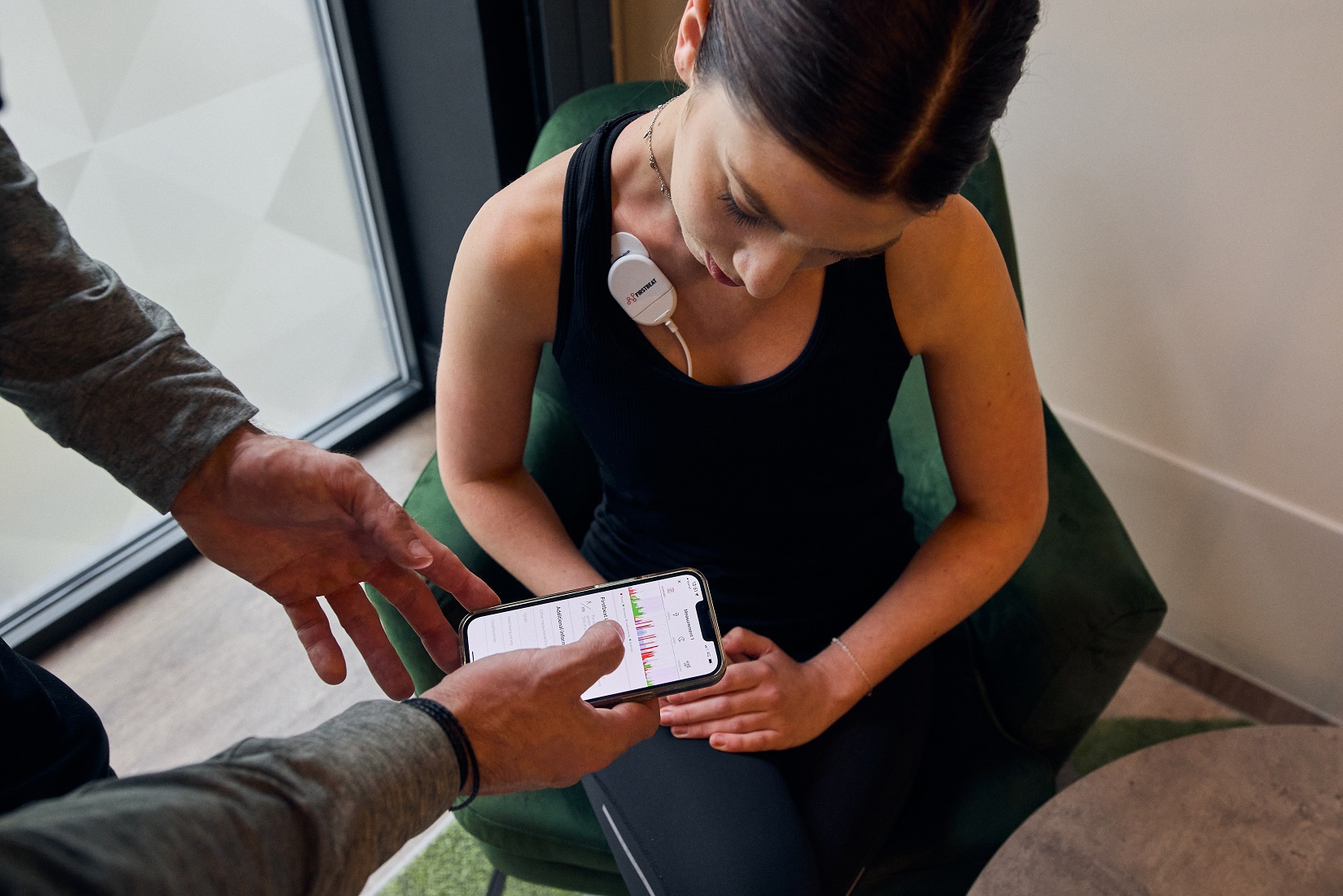
“The conversations I’ve been having with clients in recent years has been more about what’s happening outside of the gym and the impact that may have on their overall wellbeing as well as their physical. Through Firstbeat Life, I can measure heart rate variability which gives a very accurate way to track clients’ stress, recovery and sleep, therefore providing an indication of their overall wellbeing,” adds Luke.
Why tracking wellness data is important to build a successful PT business

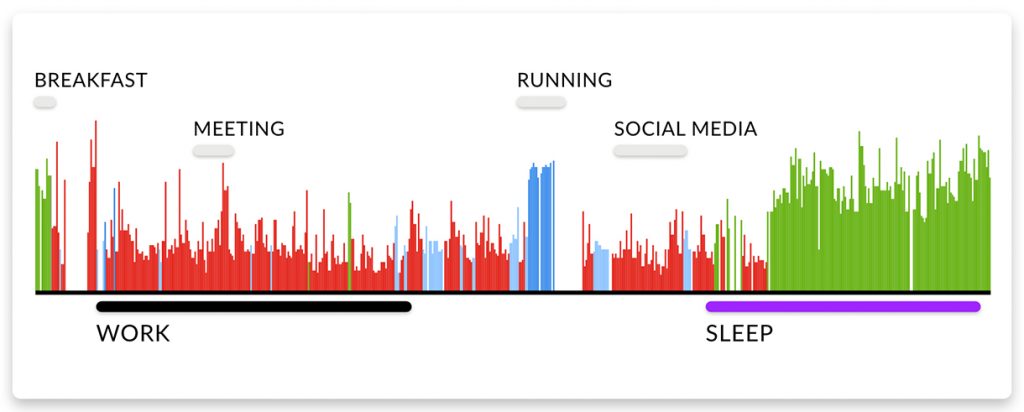
Tracking the Heart Rate Variability (HRV) enables you to get incredible insight into stress-recovery balance. Tracking HRV in the PT industry opens up incredible possibilities for trainers to give their clients accurate and detailed advice.

“That is why using the device has changed and improved my offering. It enables me to move from having anecdotal conversations about someone’s state of wellbeing through to being able to show them actual numbers and information. The more information you are able to provide a client, the more likely they are able to successfully adhere to a programme.”

“An example that I found with a client of mine is, he has a six month old baby which, as babies do, wakes up a lot during the night. He’d been quite adamant that this whole process was very stressful for him. So he was certain that, and I was similarly sure actually, that his data would look like lots of big red spikes [of stress]. However when he was getting up throughout the night to attend to the baby, it actually didn’t, so what it looked like was a little red spike. So a little stressful period when he was actually being woken up, but then the process of attending to the baby and getting the baby back to sleep actually was quite restorative to him, which is quite a heart-warming story really. But what it helped us to understand together, was how important it is to actually match that data to what you were doing. So actually his process of bonding with his son is very restorative to him. But the process of being woken up is not, so waking up throughout the night is, yes, it is a stressful thing to happen to us, but the but the reason why we are being woken up is, is quite important.”

While successful personal trainers are skilled in creating unique training plans that complement the abilities of each client, having access to the Firstbeat Life data means these plans can be tailored to respond to the client’s health metrics on any given day.

How data improves your PT service, before the session has even begun

Being able to see your client’s data is invaluable.  PTs usually rely on verbal communication from the client at the beginning of the session to determine their energy levels and readiness. With Firstbeat, it is possible for trainers to analyse their clients physiological data, stress and recovery levels ahead of the session – helping to inform their decision on the training plan.

“Training time has been another interesting discussion point with my clients since implementing Firstbeat Life. What we’re seeing is not necessarily that they’re over training, but they’re under recovering. So we’re having to make some different choices about what that workout might look like. So the workout might still happen, but it might happen at a different intensity to one that we might have scheduled.”

“I can see the data before I meet with clients and think, ‘Right, I’ve already changed the plan because I already know that you’re not feeling it’ before I’ve even met you, that is very useful.”

If you’re a brand in the health, fitness and wellness industry and looking to grow, launch a new product or service, or have some captivating content shot then get in touch with us: info@action-group.co.uk

Why Connected Fitness Equipment Should be on Every Gym Floor

2020 saw the start of the connected fitness boom as companies rushed to take advantage of the train-at-home phenomenon brought about by the pandemic. The market has been growing ever since and at time of writing, Action Group is aware of over 30 connected equipment brands spanning rowing to reformer Pilates.

While the B2C market remains dominant, connected fitness companies have begun dipping their toes into the commercial market, and we are starting to see connected equipment popping up on the gym floor.

When you think about it, it makes total sense.  As an industry we’ve always been obsessed with ways to ‘distract’ members from the hard work they are doing. We’ve had TVs on treadmills for decades and now screens connect with apps like Facebook and Netflix to name a few.  Over the years we’ve seen immersive screens which allow us to choose the terrain we want to train in, to on-screen avatars of ourselves on a bike (think Trixter) or even a pair of skis to prepare us for the slopes (anyone remember the Bodycarver?).  Connected fitness equipment feels like the natural progression – yet the industry seems slow on the uptake.

Engage vs Distract

The crucial difference between connected equipment, to that previously described, is that it ‘engages’ rather than distracts.  Far from the idea of plodding along on the treadmill while watching your daily episode of Eastenders, with no attention paid to your posture, gait or performance, connected equipment forces you to be present throughout your workout.  It’s the ultimate bringer of progress – and as we all know, with progress comes happier members who stay for longer.

Admittedly, I’ve not tried every piece of connected fitness equipment on the market but from what I’ve seen, the workouts are effective, the experience is fun, and the instruction is world class.  To my mind, that solves three pretty major challenges encountered by most operators.  Connected fitness equipment isn’t a substitute for personal training, but it certainly bridges the gap, and arguably creates a pathway into PT. It absolutely solves the problem of education for the large proportion of members that use equipment without knowing enough to get an effective workout from it.

So why aren’t all operators jumping on the bandwagon and getting themselves connected? Price doesn’t seem to be the limiting factor, with hardware in line with non-connected counterparts, although admittedly there are the content licence fees to pay.  I’ve seen a few pieces of connected equipment on the gym floor; Jubilee Hall has a couple of Peloton bikes, Solo60 has Hydrow and a number of hotels have purchased single pieces for their gyms. The trouble is, when you have one of something it nearly always gathers dust, it’s seen as special or complicated and members are nervous to use it because it makes them the centre of attention. 

The answer is to go all in – switch CV for connected CV and see the difference! Just because equipment is connected it doesn’t mean members can’t do their own thing if they want to.  The majority will choose and benefit from structured effective workouts which keep them coming back for more.

3 Connected Brands to Watch…

Speedflex Blade

The Speedflex Blade is the new, full-body connected fitness machine from Speedflex, with fans including Alan Shearer, Dion Dublin and Ben Shephard. Its infamous ‘HIIT Without the Hurt’ motto ensures you can train hard with no aches and pains the next day, thanks to a focus on the concentric phase of movements.

The Blade uses the same innovative piston technology as the original Speedflex concept where minimal load is placed on the joints, making it one of the safest forms of training in the world. Just like Speedflex, the Blade responds to the force you apply on it. By moving the free motion bar slowly it is light and easy to move, as you move the bar faster and with more force, it offers increasing resistance.  

The Blade combines the Speedflex concept with a 14-inch touch screen console, pre-loaded with 100 pieces of content, from 15–45 min sessions, so members can benefit from full-body, fully coached workouts, on the gym floor. With no need to adjust the settings, an 18-year-old and an 80-year-old can both get a great workout which is optimally suited to their own intensity, making the Blade the perfect option for all members, no matter their ability or fitness level.  

Zygo

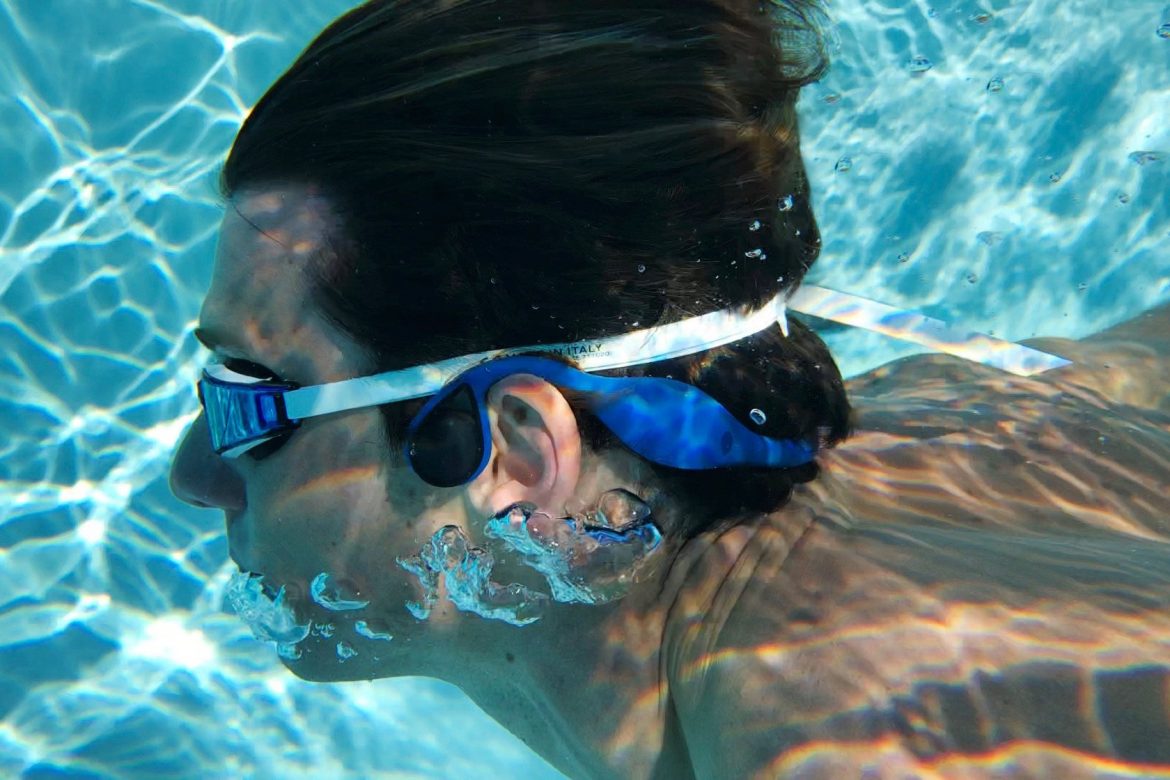
Connected fitness is not just limited to the gym floor.  Zygo is the world’s first underwater audio-streaming service. Combining both hardware and software, it has been described as ‘the Peloton of the pool’.

The LA-based startup is on a mission to bring swimming into the modern-day fitness era. Their patented technology enables underwater streaming audio as well as live coaching, and their app provides guided swim content paired to music, ranging from quick sprint sets to triathlon training plans. With regular swim training long-dubbed a dull pastime, Zygo hopes to bring a more engaging in-water experience to swimmers everywhere. 

Bluetooth cannot penetrate water, which is why previous products use outdated MP3 technology. Zygo’s innovation lies in its patented radio frequency system and complex antennae design. It uses a wireless waterproof transmitter that can be left behind on poolside. Once paired with a headset – or multiple headsets – the transmitter streams any audio from a phone and also serves as a walkie talkie for live one-way communication.

Zygo has already been a transformative experience for those who spend long hours in the water.  So much so, Alistair Brownlee MBE, invested in the company in its latest funding round.  Zygo is set to revolutionise swim training for everyone from the elite athlete to the casual swimmer.

FIIT Connected Studios

From the gym floor to the studio, FIIT the #1 rated at home connected fitness app, has launched a commercial offering to help operators go connected in their studios too. 

The fully immersive studios combine FIIT’s dynamic coaching, delivered via the big screen, with hardware including rowers, treadmills, bikes and airbikes.  The group sessions are fully interactive thanks to the FIIT tracker which gamifies the experience, creating an on-screen leader board for all participants in the class. Additionally the studios allow member to join the classes from home and be a full part of the experience via their FIIT tracker. 

We are industry experts with decades of experience. As a full-service marketing agency we offer everything from consultancy, PR and brand photoshoots, to full website and app build. If you are a business in the health, fitness and wellness industry and looking to expand, grow and raise your profile then get in contact with us: info@action-group.co.uk
Hyper-personalisation is changing the fitness landscape

fitness workout data and information

Hyper-personalisation in the fitness industry has grown rapidly in recent years and is already reshaping the way we exercise. This is largely due to data and technology increasing and offering information that informs on and impacts our exercise routines. With wearable tech continuing to grow, as we discussed in our 2022 fitness trends report, more and more people are gaining access to an incredible amount of biometric data. Metrics such as quality of sleep, calories burned, heart rate variability, blood oxygen levels and even acclimation to heat and altitude, means each individual can now track their fitness progress with accuracy and ease.

Thanks to apps like Apple Fitness and Samsung Health, the sharing of data from these apps to others has also allowed all health and fitness providers to improve their services with this information. A great example of this is Nutra Check, the calorie counting app that now uses data from your phone and smartwatch, to manage your required calorie intake based on your energy expenditure each and every day.

Accountability for daily steps and exercise has increased massively upon having access to these results each day: with weekly reports on activity, people can now be more aware of their progress, and if they are on track to reach their targets. Digital wellness is continuing to grow with highly personalised experiences. For example, Headspace has been the leading mindfulness app for years with good reason, offering personalised progress, with tracking of time spent meditating, stress and happiness levels, and sleep quality. Apps like Zero, a fasting platform, also offer personalised insights and advanced tracking to help manage sleep quality and boost energy. This data and feedback together, are helping to build your very own wellness ecosystem, and it won’t be long until the likes of Apple put this all into one space for you to check up on yourself with a summary of your information.

Improving Personal Training Offering Through Hyper-Personalisation

Companies like Firstbeat are already using their heart monitoring technology to give personal trainers, and sports coaches, the ability to provide feedback on the effectiveness of their clients’ training, recovery status, fitness level and stress. This information is vital for trainers to understand the progression of their clients, and how they can improve their programme to help reach their goals more efficiently.

Tracking both sleep and recovery means trainers will be able to restructure their workout plans each and every week. If they have a particularly demanding session planned in the evening with their client, but can see they have been highly stressed throughout the day, with a lack of sleep, they can then re-arrange that session to ensure they are not over-working them. This technology from Firstbeat allows trainers to give personal insights to their clients weekly, whilst freeing up more of their own time, allowing them to take on more clients.

hyper-personalised heart rate data

Improving Fitness Businesses

Fitness operators have also seen substantial changes to their offering, with the digital world of fitness growing rapidly during lockdown. More businesses are now able to offer better-personalized experiences both on site, and online. With access to a broad amount of information on each member, operators can now make personalized suggestions based on their activities and attendance.

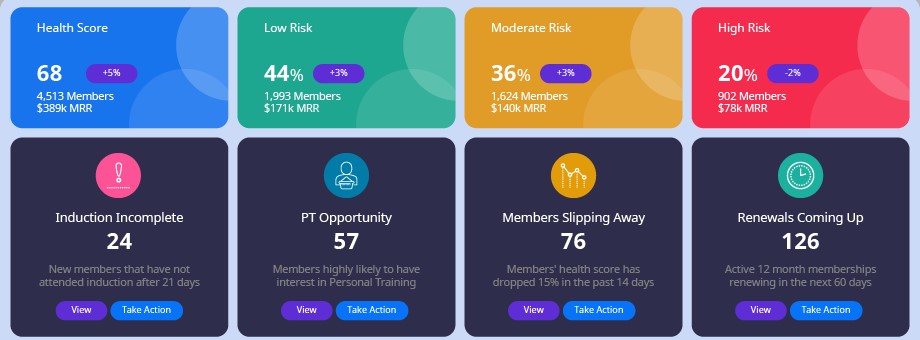
Keepme.ai, a retention and marketing platform, has taken this to a whole new level. Using AI and machine learning, Keepme.ai is able to give accurate predictions on when members will be likely to leave, which prospects will be likely to join, and which members are likely to want to purchase personal training sessions.

This data is an opportunity for operators to elevate their business whilst offering a hyper-personalized experience to their members, creating meaningful relationships with their members in the long run, which will only improve their retention.

hyper-personalised member information

Overview of hyper-personalisation in the fitness industry

Hyper-personalisation in the fitness industry has been accelerated by lockdown, showing no signs of slowing down. Within the first two months of lockdown, we predicted that digital fitness offerings personalising their customer experience, will be the most likely to succeed during and after the pandemic, written in our feature The Future of Digital Fitness.

It’s safe to say that every area of the fitness industry has benefitted from hyper-personalisation and will continue to do so. The data is there for everyone, and now it’s up to businesses, trainers and individuals to capitalise and reap the rewards of information.

If you have an innovative product or service in the health, fitness and wellness industry and want to see yourself on a future trends report, or looking to grow and make your mark on the industry then get in touch with us. We are experts in consultancy, marketing, PR and advertising, so whether you’re a small business or a multi-million pound turnover one, we can help you. Email us: info@action-group.co.uk

Capturing content for the David Lloyd PT campaign and App

Our work for David Lloyd’s Personal Trainer campaign, and training app has recently gone live. The aim of their Personal Trainer campaign is to encourage more members to sign up for PT sessions with their trainers. David Lloyd Personal Trainers are some of the best in the industry, creating a bond their clients, helping them to achieve the best results possible.

We were tasked to create the straplines and shoot the content to be used for in-club marketing materials. Our strapline of choice was: “Team of two, Brand new you“. This highlights the team effort it takes and engagement which the David Lloyd PTs put in, helping you to renew yourself.

David Lloyd Personal Trainer Campaign: Team of two, Brand new you

Whether you are a multi-million pound turnover business or a small start-up, we can shoot and design content for you. We can source everything from locations and models to equipment and much more. Get in contact with us to find out how we can help you: info@action-group.co.uk.

My Training Hub App

We also shot content for the newly launched My Training Hub app, which gives access to a variety of free workouts for both members and non-members. Workouts include a range of cardio, strength, suspension training, flexibility focused exercises and much more. We shot the lead marketing image to promote the app, along with the workout banner images, so we organised models and got shooting. A few of our favourite images are below, along with a screenshot of the My Training Hub app with our artwork in situ.

David Lloyd Campaign work – My Training Hub app

We have shot content for hundreds of brands, including recently for NGX, Built For Athletes, TwoFit, Energym and Repose. If you are looking to improve your brand image, update your website and have some incredible content then get in touch with us: info@action-group.co.uk