For decades the fitness industry has promoted aesthetic changes and unrealistic, short-term results, in an attempt to motivate consumers and get them buying. But has it worked?
In some ways, yes. A lot of people have made a lot of money from selling the latest diet or workout, but as a nation, most of the UK still has no appetite for exercise. According to the government around 1 in 3 (34%) of men and 1 in 2 (42%) of women in the UK are not ‘active enough for good health’. A recent survey from PureGym highlights that just 14% of UK adults have a gym membership, but at the same time 64% of people feel they don’t look after their health as much as they should.
The question of motivation is one that often comes up in relation to exercise, and the typical response from those in the industry is “it’s not about motivation but discipline”. But have we just been marketing the wrong messages?
We might finally be seeing a shift in tone, and with it, could we finally find the key to motivating Brits to get active?
Mindbody’s latest trend report suggests that living a longer, healthier life is the top priority for exercise seekers in the US in 2023. In 2021, controlling weight was still the number 1 reason for working out, in 2022 mental/emotional well-being became the focus, and now, longevity has taken centre stage, representing a significant shift in priorities.
Our own trends for 2023 also picked out exercise for those in middle age and beyond picking up momentum, and it’s clear the two are linked.
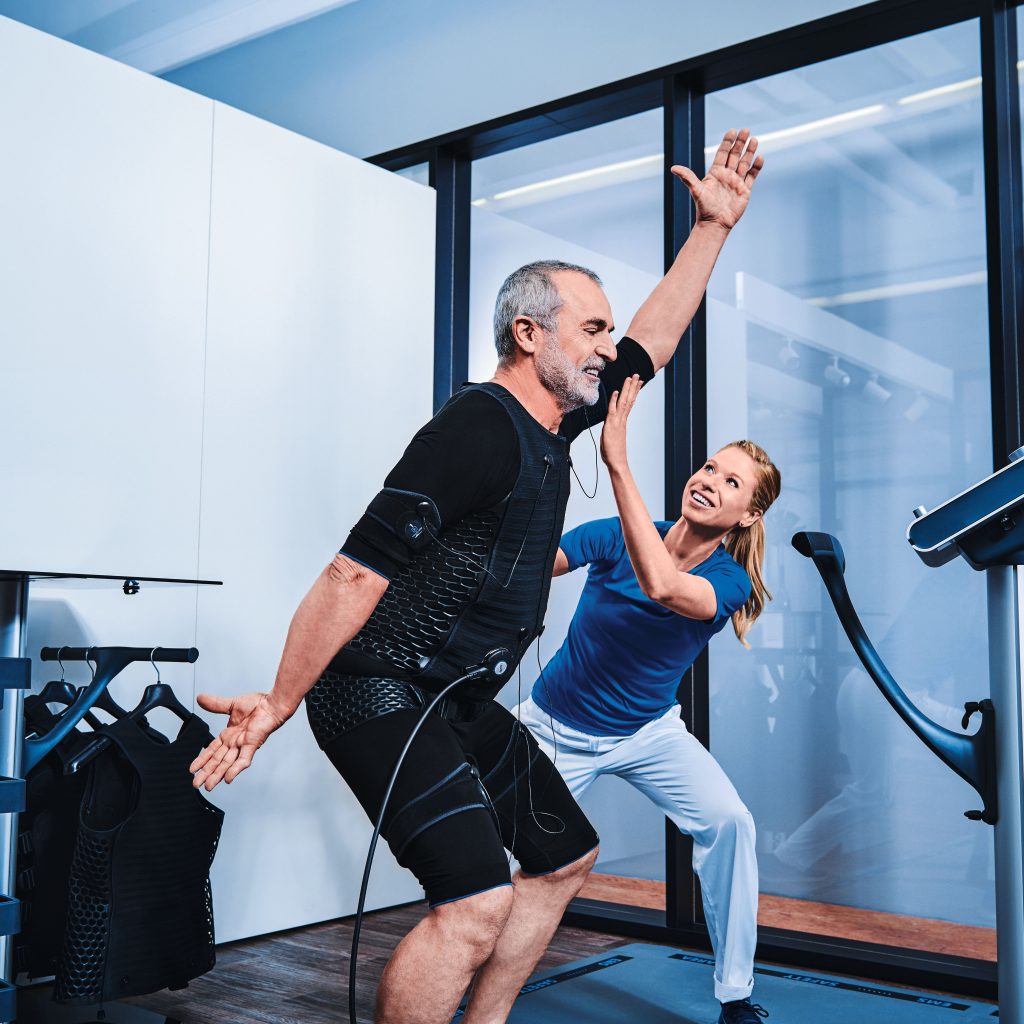
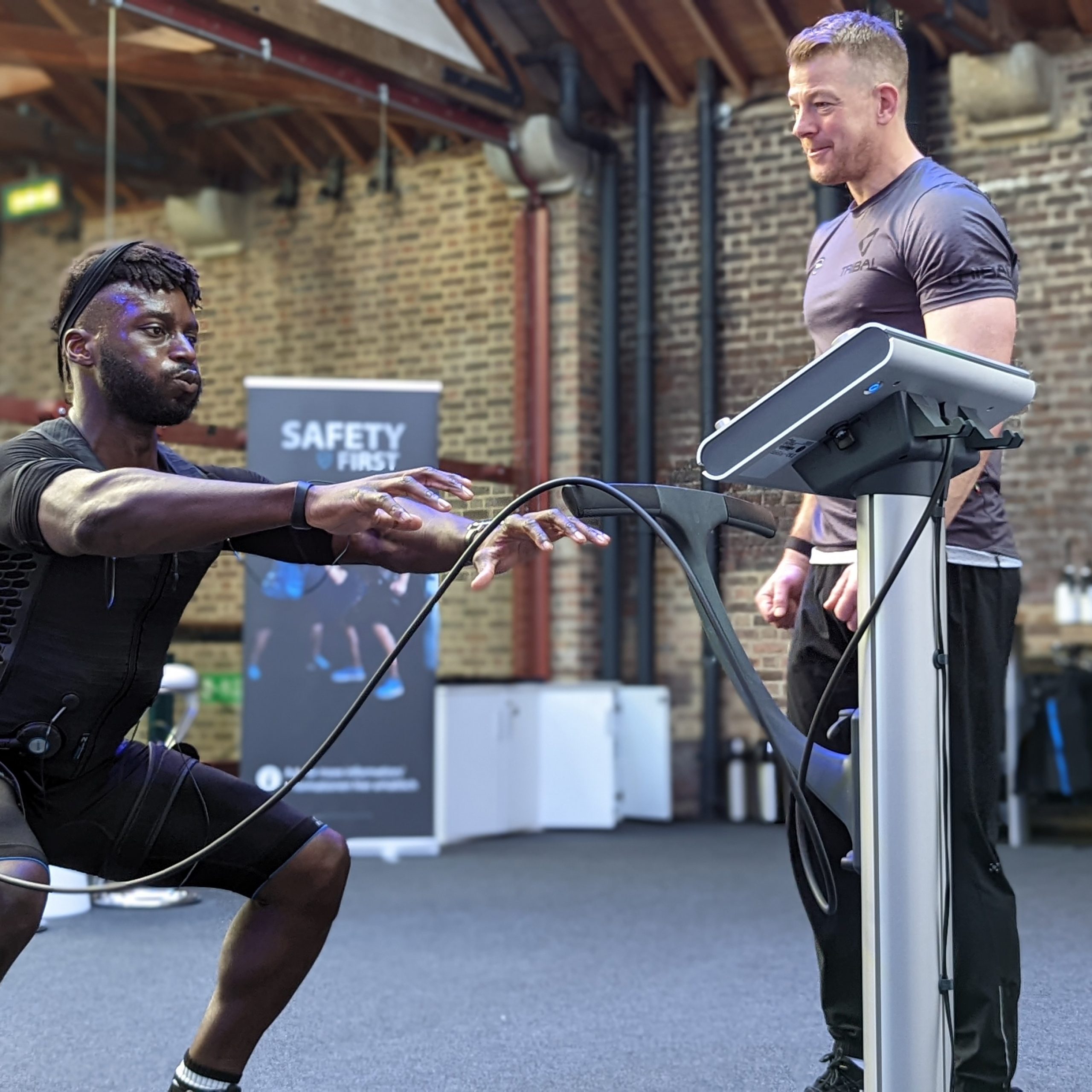
EMS training is ideal for reducing the effects of sarcopenia, strengthening the muscles in a non-impact way
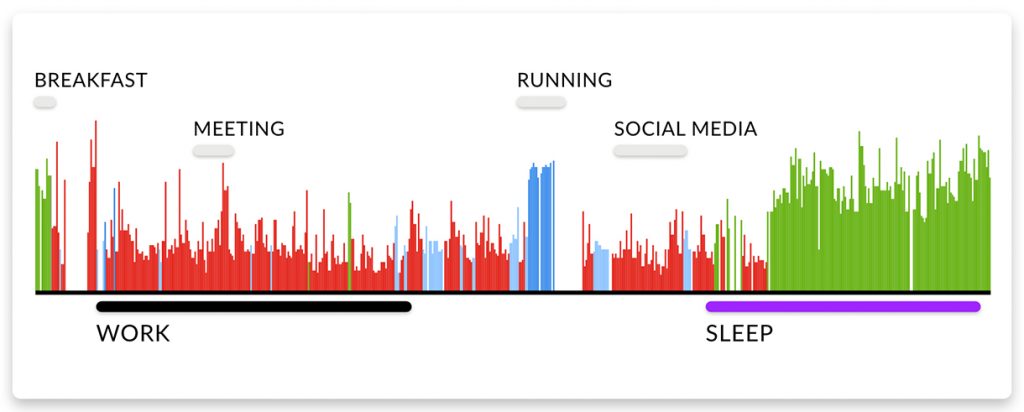
The reason this has such big implication for marketers and comms professionals in the fitness space is that the level of activity required to improve longevity is a fraction of what’s needed to achieve the sculpted abs or giant biceps plastered across billboards and TV spots. Improving longevity doesn’t mean gruelling sets of weights, or flogging yourself with high-intensity workouts. Mindful movement and moderate intensity workouts will go a long way in improving almost everybody’s quality of life as they get older. With such a variety of fitness classes there should be a class or form of exercise for everyone, and even devices to monitor health. Firstbeat Life is a health monitoring service that PTs can integrate into their offering, opening up a window into their clients health status with metrics like recovery and stress measured with the gold-standard Heart Rate Variability monitoring device, read more about it here.
Firstbeat Life – in-depth monitoring tool for PTs to track the health status of their clients
One of our newest clients is HAWQ, the Health And Wellbeing Quotient for employee health. HAWQ offer the most personalised corporate wellbeing offering on the market with its research-backed and evidence-driven approach. Livvy Probert, Head of Science and Co-Founder of HAWQ agrees that focusing on health and longevity is more prevalent than before:
“We’ve seen a shift in the motivations for our clients coming to see us. Whilst aesthetic goals are still common, the post-pandemic work and social environment is still very different. The recent pandemic proved to us all that our health is precious and something we cannot take for granted. Whilst the research is still ongoing, there are links between being physically active and reducing risk of severe health outcomes of COVID. This isn’t just for COVID – hitting recommended exercise levels has been linked to reduced risk of an array of poor health outcomes including diabetes, cardiovascular disease, high blood pressure and mental health conditions including depression and anxiety. Additional stresses of a hybrid working environment, increased financial concern and instability of the future has led people to focus on things they can control. The information on how to exercise, sleep and eat better isn’t anything new but people are more inclined to not only listen, but take action for themselves.
Physical activity and exercise are linked to health benefits including lower blood pressure, healthy resting heart rate, increased likeliness of maintaining a healthy bodyweight, reduced risk of poor health outcomes and beyond. As tangible changes for individuals, this means improved sleep, better cognitive function, increased mental wellbeing, higher energy levels, increased fitness. These benefits have a knock on into the workplace – improved performance, reduced presenteeism and absenteeism, lower health costs, happier staff and a reduced turnover.”
Effectively communicating that quality of life can be improved in later life with spending hours and hours at the gym could be the key to reaching those currently inactive, and help improve the health of the nation. At the very least, it’s worth a go.
If you’d like help to nail down how you’re communicating your wellbeing offering, then get in touch info@action-group.co.uk
Every year, publications across the consumer and industry sectors will publish their future trend predictions. From at-home gym spaces, Working From-Gym (thanks, cost-of-living crisis!), wearable tech and AI-powered fitness instructors – the world of health and fitness continues to develop and innovate at an incredible rate.
Which is why, as a specialist communications and content agency, we ensure our future forecasting is at the forefront of influencing what and when publications include within theirs. Take a look at our list of new and emerging health and fitness trends in 2023 to look out for:
Fitness for the ages and stages
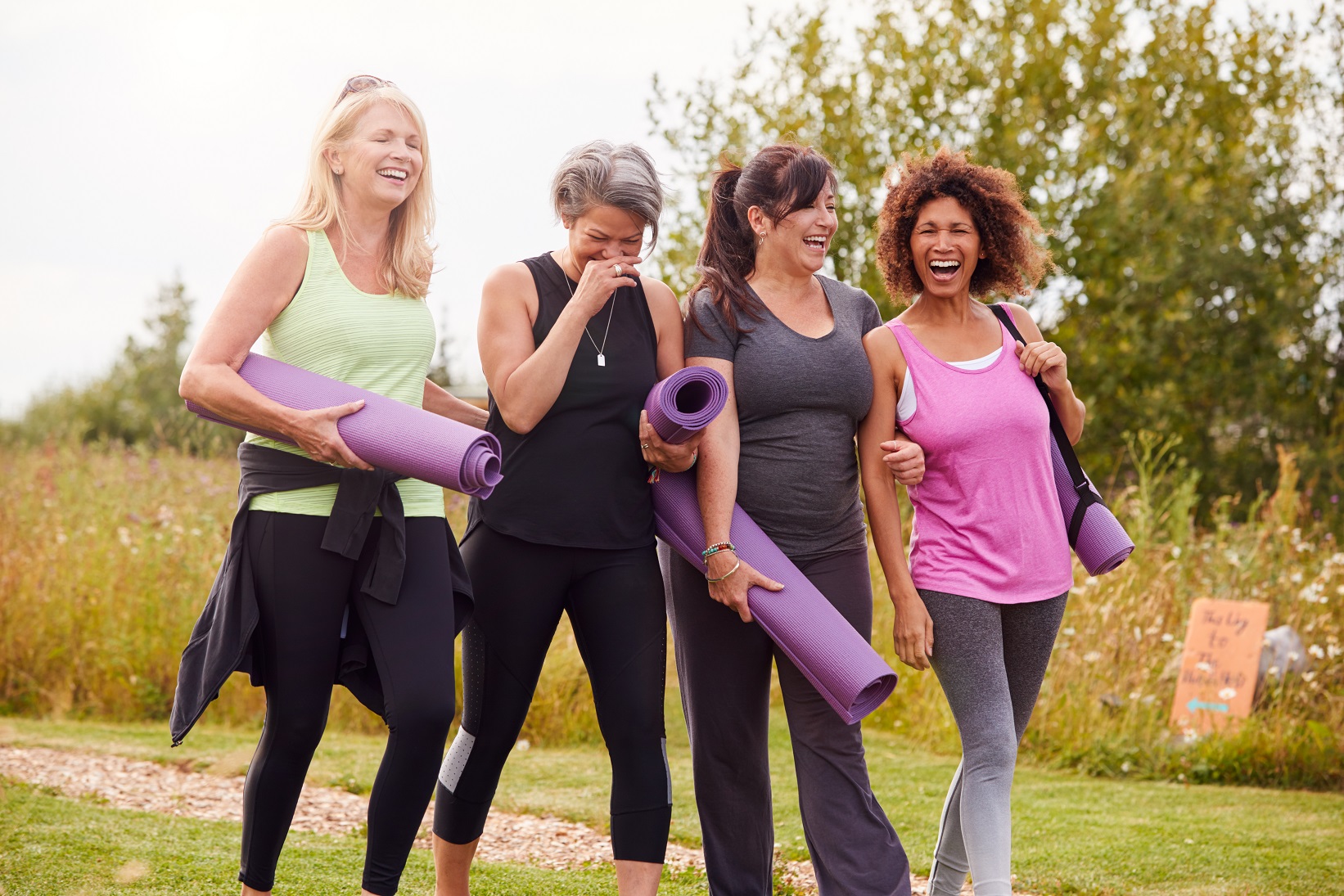
In times gone by, ‘health & fitness’ was seen as an exclusive circle of slim, young gym-goers who supplemented their lunchtime spin class with a salad and a juice. Thankfully, narratives have since shifted and the accessibility and inclusivity of the health and fitness industry is beginning to improve, ensuring that individuals of all ages, races, abilities and sizes feel welcomed and able to prioritise their health and movement.
Illustrating this, sector leaders are going to great lengths to help those in every life stage to find an exercise format that works for them. From next-gen machines that give athletes the edge in their training programme to apps that appeal to those going through menopause and even circuit training for the elderly.
Midlife Movement Maverick:
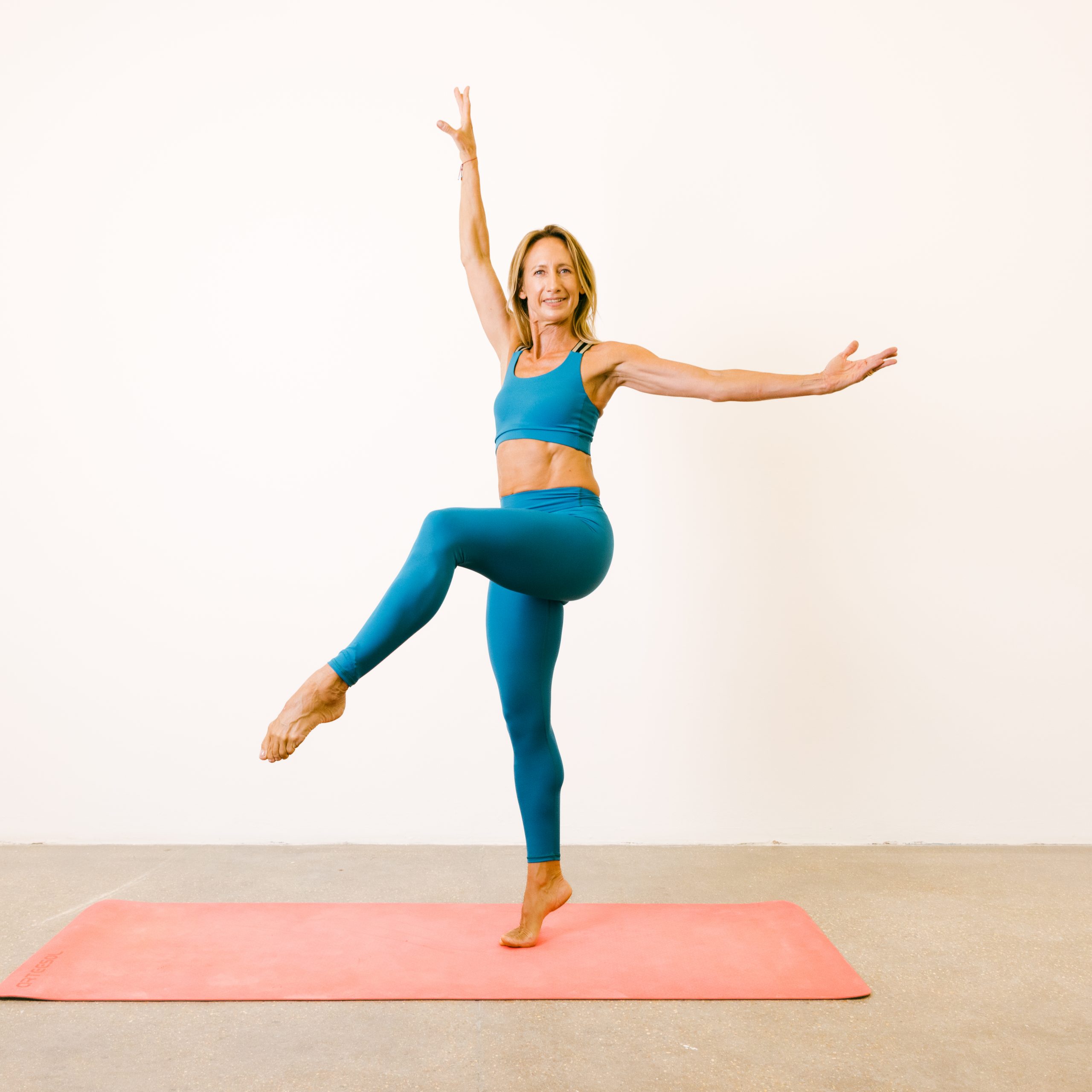
Famous for crafting the bodies of Hollywood stars including Emily Blunt, Stanley Tucci, Hayley Atwell and Anne Hathaway, 55-year-old celebrity trainer and fitness app founder Monique Eastwood’s mission is to educate people on how everyday movement hones the body at every life stage. With multidirectional movement as her priority training tool, Monique uses three decades of experience to teach how posture, technique and form is important for strengthening the body throughout the different ages – including when hormonal health takes a dip in midlife and during perimenopause and menopause. Monique trains clients from across the globe via her Eastwood Fit app, which we worked with her to build. You can read more about how that process works and why it’s still a market-leading option long after the pandemic-induced on-demand fitness trend.
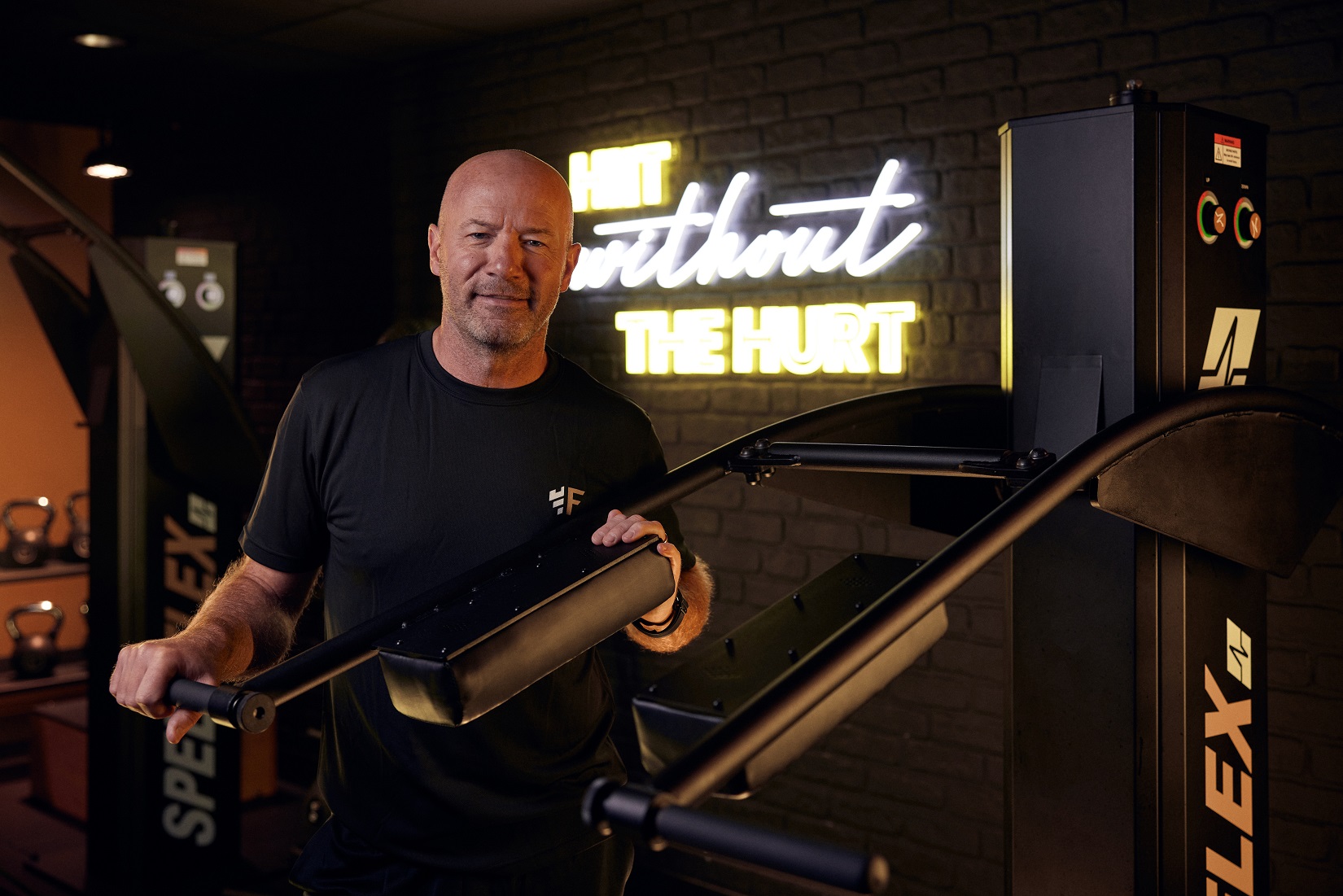
HIIT without the Hurt:
HIIT isn’t going anywhere. In fact, more and more studies are showing how it is a valuable form of exercise for many different conditions. With this in mind, FORTIS, powered by Speedflex is the 30-minute HIIT class with a difference and a great example of a workout class that can be completed with participants of all ages and abilities. The class is built upon Speedflex’s unique personalised resistance concept, allowing every participant to train at their optimum level. As such, people of all abilities, from pensioners to athletes can partake in the class and reap the benefits of group exercise. In particular, FORTIS has seen great success in training clients who suffer from conditions such as Parkinson’s and Cancer, as the unique training method – which is high intensity, but low impact means clients can workout to their own max with no aches and pains the next day.
Shocking Value
You may have seen our previous feature about EMS Training, which continues its UK-wide growth with new studios such as Feel Electric, Ironbody Fit and Surge opening around the country. EMS stands for Electro-Muscular Stimulation and is billed as ‘the smartest way to train’. An external EMS device sends a finely tuned electrical signal to the muscles, causing them to contract. The signal mimics the natural signal sent by the brain to the muscles but is more powerful.
Combined with a ‘free will contraction’ during an exercise, and the external stimulus from the EMS device, individuals activate up to 98% of their muscle fibres. Not only is EMS training fast and effective, it’s ideal for people of all ages and abilities. The list of celebrities reaping the rewards extends from professional athletes like Usain Bolt and David Haye, to Hollywood actors like Tom Holland and models and singers such as Poppy Delevingne, Chrissy Teigen and Rita Ora.
Normalising Women’s Health
Finally, women’s health is beginning to gain traction in the news agenda and important life stages like Menopause and the impact it has on a women’s working life are even being discussed in Parliament.
As a result, employers are beginning to sit up and listen to how these periods of a women’s life can impact the working world and as such we’re seeing an increase in corporate wellbeing for fertility treatment and menopause. Leading corporate wellbeing platform,Gympass is supporting employers in offering employee guidance during the menopause through its online platform, the Menopause Hub and e-book.
Yet, this is just the beginning and a lack of education within the whole population means that unfortunately women can often not know the full spectrum of concerns or conditions their bodies have to go through in pregnancy and menopause – but Ten Health & Fitness wants to change that. Ten is leading the health and clinical support sector in prioritising women’s health services and tackling both the lack of education and misconception around so many conditions.
Ten has recently added a collection of Women’s Health specialist services to its offering including: Specialist Women’s Health Physiotherapy, Dedicated Pre & Post-Natal Massage, Pelvic Floor On-Demand classes and Special Edition workshops covering topics such as pelvic floor health and dysfunction. By offering these female focused services, Ten hopes to lead by example to champion the specialised wellbeing that women deserve to feel their best in every stage of life.
Step into the Metaverse
This year, LES MILLS bought exercise motivation to the metaverse with the launch of the BODYCOMBAT VR app, which saw globally-renowned trainers fused with virtual reality (VR) for an out-of-this-world fitness gaming experience. Led by BODYCOMBAT’s legendary program directors Rachael Newsham and Dan Cohen – the game pits players against martial arts challenges across a variety of levels, spanning intergalactic deserts and neo-city skylines. Players earn points for their effort and technique, with Rachael and Dan providing coaching cues and motivation to power them through the workouts. In fact, BODYCOMBAT has recently been named as the number one fitness selling VR app in the world by Meta, further proof that LES MILLS is driven by tech and innovation to bring fitness to more people around the globe
Now, LES MILLS is taking it one step further and will be one of the first fitness brands to upload live filmed content onto the metaverse. In Autumn 2022, the world’s largest fitness event, LES MILLS LONDON LIVE took place and filmed (using 15 x 360-degree cameras!) the live action from every angle. The content will be integrated into an immersive experience on the metaverse that can be tapped into via Oculus headsets and mobile phones virtually.
Pushing the limits
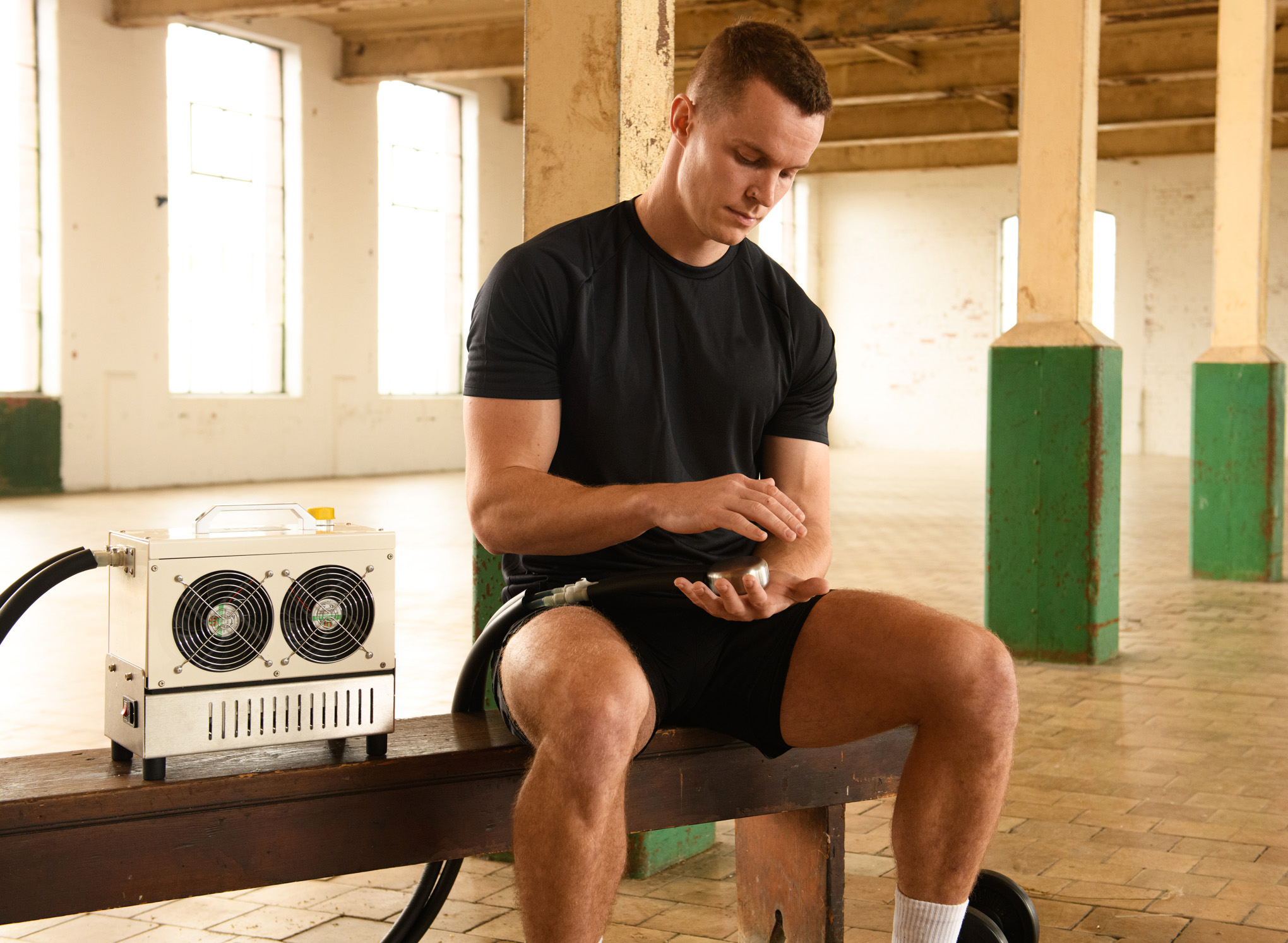
The training performance benefits of cold therapy have filtered from professional sport to the mainstream consumer over the last few years with products and treatments such as Cooled compression, Ice baths, and Cryotherapy are all regularly used by athletes to maximise their performance and optimise their recovery.
Taking this one step further, a ground breaking new product has been launched by the company that has supplied elite sports teams worldwide, with their cold therapy solutions for the last 20 years. The CoreTx GO has been proven to enhance athlete’s performance by cooling the palms of their hand during the rest periods of workouts. This simple, localised cooling causes incredible reductions in fatigue and significantly enhances performance. This incredibly simple, yet effective device can drastically improve repetitions performed, increase time to fatigue and overall workload for both highly experienced and beginner gym goers. This revolutionary tool is set to be a real game changer for athlete’s looking to take their performance to the next level.
The Next Generation’s Sustainable Snacking Ethos
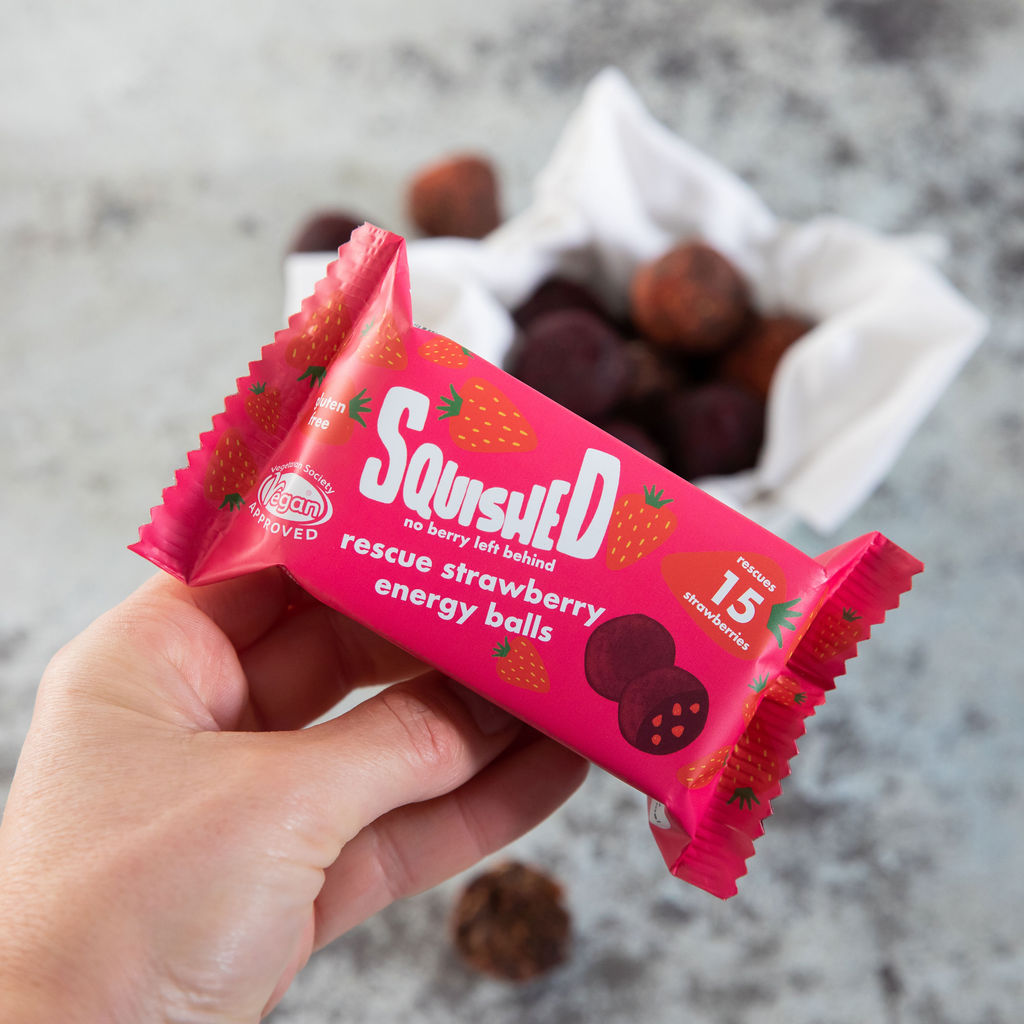
One third of all food grown globally is never eaten, including 3.6m tonnes of fruit, shocking stats like this are making us all take another look at our eating habits in an endeavour to a bit more sustainable. Step in, Squished.
Squished, a zero-waste brand from Climate Positive Food, is helping to make snacking sustainable with its range of fruit energy balls, flapjacks and jams – all created from surplus fruit that is rescued from British farms, meaning no berry is left behind. Each year, Squished rescues as much fruit as it can and turns it into delicious climate positive snacks that keep you (and the planet) going for longer. To date, Squished has rescued over 25,000kgs of surplus fruit – principally blueberries and strawberries – and is aiming to save 1 million kgs before 2024, by launching its range of rescue fruit snacks.
As Squished’s Founder and Director, Paul McCulloch explains; “There is an increased public awareness of the effects the food industry has on the environment. More customers are actively looking for products that will not only be good for their health, but also good for the planet. That’s why the more Squished snacks that are sold, the more fruit can be rescued.”
As the leading health & fitness agency in the UK, with an incredible roster of clients and products servicing the health and wellness sector, it’s safe to say we are at the forefront of delivering cutting edge news, tech and innovations in this space. With 2022 as one our most successful years to date (read all about it here), we are truly proud of the results we achieved for our clients. If you want to get your brand out there and want help with PR, Marketing, Consultancy or any of our other services then get in contact with us: info@action-group.co.uk
With yet another winter of discontent around the corner, the cost of living crisis is set to impact all of us, and it remains to be seen how we prioritise fitness when it comes to cancelling subscriptions we don’t need…
Just as the country has started to get back on its feet, we’re now facing the highest rates of inflation in the last 30 years with rising energy bills, fuel prices, the cost of essential items, debt – the list goes on. For the first time in decades, millions of people in the UK are being forced to choose between heating and eating.
This rising cost of living is forcing many of us to reconsider luxury versus necessity, and where possible to make cuts in our day-to-day lives. Unsurprisingly, many people are questioning whether they should divert the money they use for a monthly gym membership and studio towards increasing bills.
However, one learning from COVID, was how, despite an uncertain world and future, consumers prioritised their fitness and physical health as the connected and online fitness industry boomed when gyms and studios were forced to close their doors. Our mental and physical health became the top priority, one we were unwilling to compromise on as we indulged in the surge of at-home fitness apps, streamed fitness classes and ever more technical and refined digital fitness propositions launched…athleisure became our daily apparel and a seismic cultural and behavioural shift meant that we all became living room-lifters and stay-at-home HIITaholics.
So, despite the financial uncertainty to come, it’s possible that again, we will not be willing to deprioritise our health and well-being, a sentiment supported by many industry experts out there. But what can operators do to ensure they damn the potential loss of customers, or war of attrition to cheaper providers? Are they doing enough, to convince us not to cancel that Direct Debit as our energy bills rocket?
Keeping fit with the cost of living high
With many of us seeing the gym becoming our home [and a smart way of reducing personal energy consumption…..hot shower at the gym anyone??] as opposed to our homes becoming our gym throughout covid, the fight is on to keep members by prioritising excellent service provision and additional benefits.
The grim news is of course that gym memberships are set to increase [The Gym Group announced its plans to increase membership prices to offset rising energy bills…] But it would seem for many, the gym is no longer a luxury, and is indeed a must-have.
It would make sense for gyms and studios to fortify their offerings to incorporate more ancillary lifestyle benefits such as encouraging working from their cafes or on-site break out spaces if they have them, food and drink offers in peak hours [See David Lloyd Blaze Studio Birmingham, who are offering all customers £1 coffees], or implementing more flexible pricing structure such as MoreYoga has done – engendering a more ‘you need us, and we need you’ approach.
We understand the energy crisis will impact gyms and leisure facilities greatly [we’re looking at you, Duncan Bannatyne, with your cooler pools…] as consumers will inevitably look for more affordable ways to keep fit.
But as the old adage goes, necessity is the mother of invention, and we are already seeing some genius ways of getting fit, frugally, including Swing Fitness who are offering on-demand, high-quality fitness equipment in boxes that you can unlock with an app [basically, think Boris Bikes, but with dumbbells…]
For now, those lucky enough to be able to comfortably afford their gym memberships seem to be unwilling to relinquish them, seeing fitness provision as a top priority for both physical and mental health benefits. But those on more modest incomes will again return to at-home/outdoor fitness model, free apps, community fitness offerings and a more ‘Pay as you Go’ pricing structure, or perhaps, even just put their fitness on hold for now [a depressing thought]
The worry is that we may now see a shift from fitness as a priority, to an unattainable perk for the wealthy if gyms don’t find a way to navigate this cost of living crisis. It remains to be seen how things unfold for the fitness industry, but one thing’s for sure – it’s a huge opportunity to demonstrate creativity and prove just how much we’re worth to them.
For some creative consultancy and commercial common sense, get in touch with us to help your fitness business thrive in the face of crisis.
What do the operators themselves think? We asked three Action Clients for their views
“Cost of living affects the majority, if not all Everyone Active members, it’s something we are very aware of. During the pandemic, the fitness industry campaigned for fitness to be seen as an essential service, and that’s a message we continue to get behind. Our offering is more than just a workout and our vision is for all Everyone Active centres to be at the heart of the community, providing a facility they simply can’t live without. We are proud of the value for money we offer, as well as concessions for those in need, support for community groups and flexible usage options including pay as you go. In fact, we offer such incredible value for money that we envisage welcoming a raft of new customers who historically have belonged to more premium rate gyms and clubs.”
Justin Rogers, Creative Director, Ten Health & Fitness:
“Even pre-Covid, the fitness sector had not done well at managing customer expectations of what exercise should cost or how they should value their physical wellbeing. Commoditisation and aggregators helped encourage a race to the bottom. Now, customers face real financial pressures and are forced to make hard choices. For us, doubling down on our core qualities helps us reinforce our value to our customers and, we hope, remain one element of their lifestyles that they will continue to prioritise – specifically, this means our highly personal approach, the quality and breadth of our offer, and our ability to provide both needs- and wants-based fitness and wellness services and integrate them through a unique in-house Circle of Care.”
Eamon Lloyd, Vice President – Head of Europe – Partnerships, Gympass:
“Our highest value in terms of our customers, is the choice we offer. We have the largest selection of mental, physical and financial health apps, classes, online consultations and therapy offerings that speak to our entire life ecosystem, rather than just a specific part of it.”
We are industry experts with decades of experience. As a full-service marketing agency we offer everything from consultancy, PR and brand photoshoots, to full website and app build. If you are a business in the health, fitness and wellness industry and looking to expand, grow and raise your profile then get in contact with us at info@action-group.co.uk
With more people than ever deciding to get involved in the world of fitness during the lockdown periods, it may come as a surprise to hear that obesity remains at an all-time high, with around two-thirds of the English population aged 16 and above being overweight or obese, according to the NHS Health Survey.
The stereotype surrounding the ‘gym environment’ is a common factor leading to people avoiding going to the gym altogether. In fact, recent research by The Gym Group found that one in three Brits suffer from ‘gymtimidation’ and fear of feeling out of place, with one third of women surveyed admitting intimidation is the biggest barrier to signing up. You can read more about the return to the gym in our blog here.
The importance of exercise on our physical and mental wellbeing is undeniable, and the intimidation associated with traditional gyms does not have to put people off their fitness journey. Innovation within the fitness industry is booming and there are such a wide range of fun workouts available that there should be at least one guaranteed to appeal to everyone. These offers are extending into the corporate sphere too, with world-leading corporate wellbeing platform Gympass partnering with over 50,000 gyms and studios, 700+ activities and the best wellbeing apps to provide corporate wellbeing resources to employees globally. There should be a form of fitness to interest every employee. You can read all about our work with them in our blog here.
Fitness does not have to be confined to the four walls of the traditional gym set-up, so we have outlined some of the most innovative and fun workouts on the market:
Miha Bodytec
An undeniably daunting prospect, Electro Muscular Stimulation (EMS) is one of the most advanced forms of training on the market, giving you a full-body workout in just 20-minutes. The EMS device works by sending extremely finely tuned electrical impulses to your muscles, mimicking and enhancing those sent by your brain through your nerves. As a result, all of your fibres contract allowing you to activate almost every muscle in your body when combined with a few movements. Understandably a novel concept, the excitement that comes with taking part in a relatively new form of fitness makes the experience (20-minutes long as it it) a highly enjoyable one.
Scientifically proven to help alleviate problems like in-direct back pain, improve mobility and quality of life, plus burn calories and increase muscle mass safely and effectively, EMS training is an innovative form of training unlike any other. Not only can it be tailored to target specific muscles to help you along in your fitness journey, but EMS training has been scientifically proven to improve mental wellbeing and sleep quality by reducing muscle pain or tension. With each session being 1-1 with a qualified trainer (or 1-2 if you fancy bringing a friend), you can be guided through a workout at your own pace, at an intensity that suits you. An incredibly effective workout, just once per week, in a 1-1 environment with your trainer – it’s perfect for the those with busy schedules, or who would struggle to face the daunting prospect of going into the gym.
You can read more about our work with leading manufacturer of EMS equipment Miha Bodytec in our blog here.
Blaze Studio Birmingham
Blaze Studio Birmingham, by David Lloyd Clubs, is a great form of fun fitness for anyone looking for a more upbeat method of boosting endorphins and working out. Focusing on cardio, strength and combat, the 45-minute HIIT workouts are proven to increase muscle mass and burn calories. With themed, speciality workouts such as Movie Motivators, 90s Classics, and Summer Anthems, the Blaze HIIT workouts are guaranteed to bring on that ‘feel good’ feeling.
Alongside the plethora of speciality and music workouts, Blaze also entered the market of exercise challenges with the Blaze Games. Heats ran between April and May, with the grand finals taking place in June, and saw members of the Blaze Tribe and newcomers alike competing in a technical-meets-tactical challenge that appealed to people of all fitness levels. Fun workout challenges that bring together a community and endorse collaboration and healthy competition have been proven to encourage greater participation and increase overall participation in exercise, according to a study by the University of Pennsylvania.
To see how we partnered with David Lloyd to deliver the Blaze Games to Blaze studios across the country, check out our blog here.
FORTIS powered by Speedflex
A significant reason many people quit traditional gyms is because they don’t feel fit enough or feel as though they cannot keep up. A poll of 2,000 gymgoers found that 35% have felt anxious they were not in good enough shape to be using their chosen exercise club. FORTIS powered by Speedflex is an inclusive and accessible HIIT workout designed for people of all ages and fitness levels, using innovative technology to ensure the workouts are tailored to each individual. The piston technology used in the Speedflex machines means it responds to the force applied, and uses resistance instead of weights making it one of the safest forms of training in the world. Every FORTIS class includes auxiliary stations which can be used to take a rest between using the machines or do an exercise of your choosing. You can read all about how FORTIS in our blog here.
Research by Sky found that 44% of people surveyed preferred exercising at home so if this is the case, Speedflex also have a home workout offering of the Speedflex Blade. With over 100 on-demand workouts, the Speedflex Blade is multiple machines in one and can be used in a number of ways to give users the ultimate HIIT workout, and folds away so it doesn’t take up a bulk of space. All FORTIS-style workouts focus on concentric movements (those that shorten the muscle to generate force to complete the motion) which avoids muscle pain and soreness the following day. You can find out more about the Speedflex Blade here.
Eastwood Fit App
Many people are looking to escape the confinements of gym/workout spaces entirely, which doesn’t necessarily suggest positive advancements towards tackling obesity. However, the market for fitness apps is as saturated as ever, with the newest competition coming from celebrity trainer Monique Eastwood and her Eastwood Fit app. Encompassing the Eastwood Movement Method used to train A-listers including Emily Blunt, Stanley Tucci, Anne Hathaway and Hayley Atwell, Monique’s app allows users to access motivating workouts and challenges in a convenient way, from the comfort of their own home.
Including body focused HIIT workouts, technique masterclasses and recovery stretches, the app embodies all of the fun aspects of physical activity without the fear and anxiety that may come from going to a gym or exercise class. You can read all about the launch of Monique’s app in an article here.
The Rise of Inadvertent Fitness
Arguably one of the biggest forms of ‘fun fitness’ comes in the form of adventure activities that don’t feel like working out (until the next day). Surging popularity for places such as Go Ape, The Wave and Ninja Warrior provides people with an outlet that avoids the pressures associated with traditional gym set ups while remaining physically challenging. There is a strong case to be made that fun, adventure-style attractions could be the key for decreasing the obesity figures as many people are hardly aware of how physically challenging many of these places can be due to the enjoyment and laughter that is often had while they participate with friends and family. We think this is definitely a form of ‘fitness’ that shouldn’t be overlooked, it combines family/friends, adventure, excitement with challenging tasks that are physically demanding too. Could a nation doing more activities like this be healthier, happier and less obese? We think so.
Overall
There are a number of creative and innovative brands that provide an alternative outlook on the fitness landscape, making fitness fun, and can widely encourage more people than ever to participate in physical activity that can help towards ending problems with obesity. We enjoy working with companies to bring their vision to life and provide a form of fun fitness to the community.
We are industry experts with decades of experience. As a full-service marketing agency we offer everything from consultancy, PR and brand photoshoots, to full website and app build. If you are a business in the health, fitness and wellness industry and looking to expand, grow and raise your profile then get in contact with us: info@action-group.co.uk
Hyper-personalisation in the fitness industry has grown rapidly in recent years and is already reshaping the way we exercise. This is largely due to data and technology increasing and offering information that informs on and impacts our exercise routines. With wearable tech continuing to grow, as we discussed in our2022 fitness trends report, more and more people are gaining access to an incredible amount of biometric data. Metrics such as quality of sleep, calories burned, heart rate variability, blood oxygen levels and even acclimation to heat and altitude, means each individual can now track their fitness progress with accuracy and ease.
Thanks to apps like Apple Fitness and Samsung Health, the sharing of data from these apps to others has also allowed all health and fitness providers to improve their services with this information. A great example of this is Nutra Check, the calorie counting app that now uses data from your phone and smartwatch, to manage your required calorie intake based on your energy expenditure each and every day.
Accountability for daily steps and exercise has increased massively upon having access to these results each day: with weekly reports on activity, people can now be more aware of their progress, and if they are on track to reach their targets. Digital wellness is continuing to grow with highly personalised experiences. For example, Headspace has been the leading mindfulness app for years with good reason, offering personalised progress, with tracking of time spent meditating, stress and happiness levels, and sleep quality. Apps like Zero, a fasting platform, also offer personalised insights and advanced tracking to help manage sleep quality and boost energy. This data and feedback together, are helping to build your very own wellness ecosystem, and it won’t be long until the likes of Apple put this all into one space for you to check up on yourself with a summary of your information.
Improving Personal Training Offering Through Hyper-Personalisation
Companies like Firstbeat are already using their heart monitoring technology to give personal trainers, and sports coaches, the ability to provide feedback on the effectiveness of their clients’ training, recovery status, fitness level and stress. This information is vital for trainers to understand the progression of their clients, and how they can improve their programme to help reach their goals more efficiently.
Tracking both sleep and recovery means trainers will be able to restructure their workout plans each and every week. If they have a particularly demanding session planned in the evening with their client, but can see they have been highly stressed throughout the day, with a lack of sleep, they can then re-arrange that session to ensure they are not over-working them. This technology from Firstbeat allows trainers to give personal insights to their clients weekly, whilst freeing up more of their own time, allowing them to take on more clients.
Improving Fitness Businesses
Fitness operators have also seen substantial changes to their offering, with the digital world of fitness growing rapidly during lockdown. More businesses are now able to offer better-personalized experiences both on site, and online. With access to a broad amount of information on each member, operators can now make personalized suggestions based on their activities and attendance.
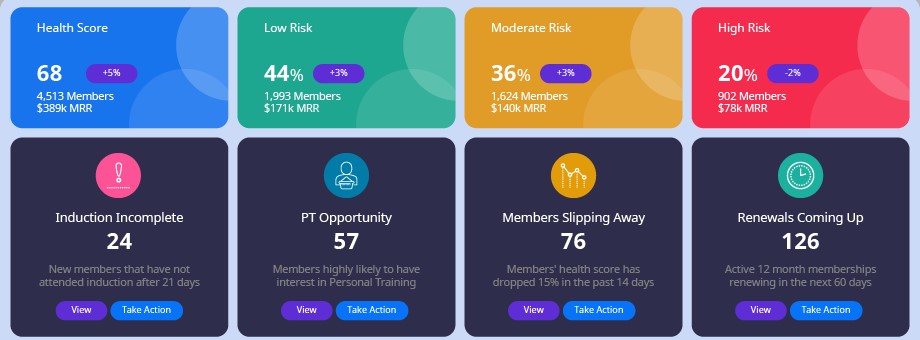
Keepme.ai, a retention and marketing platform, has taken this to a whole new level. Using AI and machine learning, Keepme.ai is able to give accurate predictions on when members will be likely to leave, which prospects will be likely to join, and which members are likely to want to purchase personal training sessions.
This data is an opportunity for operators to elevate their business whilst offering a hyper-personalized experience to their members, creating meaningful relationships with their members in the long run, which will only improve their retention.
Overview of hyper-personalisation in the fitness industry
Hyper-personalisation in the fitness industry has been accelerated by lockdown, showing no signs of slowing down. Within the first two months of lockdown, we predicted that digital fitness offerings personalising their customer experience, will be the most likely to succeed during and after the pandemic, written in our feature The Future of Digital Fitness.
It’s safe to say that every area of the fitness industry has benefitted from hyper-personalisation and will continue to do so. The data is there for everyone, and now it’s up to businesses, trainers and individuals to capitalise and reap the rewards of information.
If you have an innovative product or service in the health, fitness and wellness industry and want to see yourself on a future trends report, or looking to grow and make your mark on the industry then get in touch with us. We are experts in consultancy, marketing, PR and advertising, so whether you’re a small business or a multi-million pound turnover one, we can help you. Email us:info@action-group.co.uk
At the start of each year, key industry publications announce their list of health and fitness trends. While there are always curveballs, like the unforeseen 2020 explosion of home gym / home fitness equipment, the reports are geared towards up-and-coming tech, developing trends and the evolving nature of consumer behaviour.
The 2022 fitness trends have recently been announced, and organisations like the American College of Sports Medicine, Fitt Insider and the Global Wellness Institute have weighed in with their expertise. So here’s a brief overview of the key points of interest of these reports.
2022 Fitness Trends
The ACSM reports on trends as identified by health and fitness professionals. This means these are trends amongst the already fit and healthy, things we are already seeing that we can expect to see more of.
Wearable Tech
Their number one fitness trend for 2022 is wearable tech. Wearable tech has been an essential accessory for the everyday athlete and, with market growth, we also see more affordable entry points for such products. Everything from the rise in smartwatches like Garmin, Suunto and Polar, and smart rings like the Oura, to smart insoles that give you a gait analysis and running data like NUURV or Arion.
PTs, along with gyms and leisure centres, are often the introducers of new trends to the masses and as more operators roll out connected fitness options, like TRAKK by Pulse Fitness, wearable tech, like MyZone, and workout apps, like the new My Training Hub by David Lloyd, engagement and usage will likely rise with the general consumer.
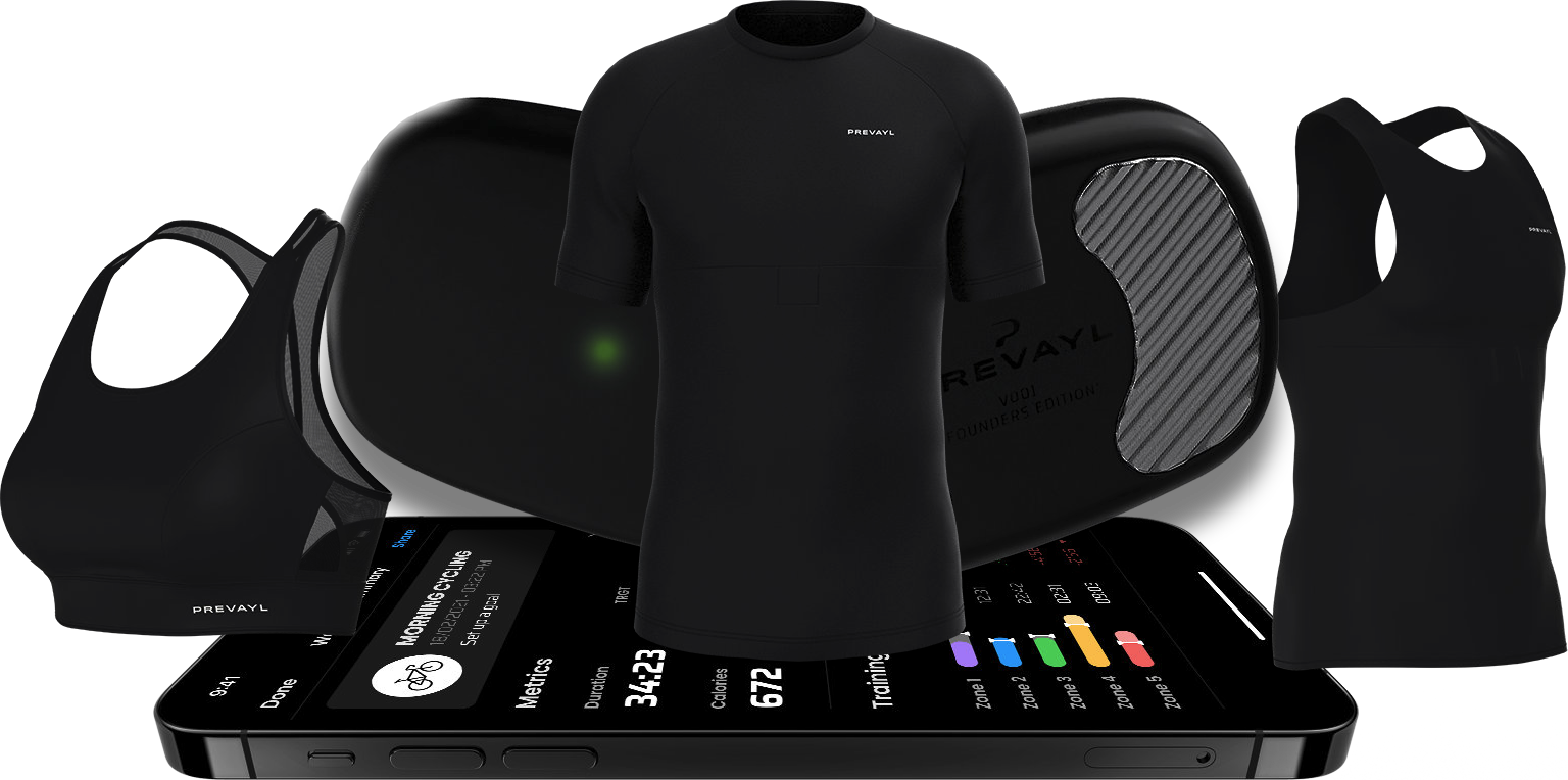
There are also new technologies that are more focused on consumer performance, targeting the ‘everyday athlete’ group. For example, newly launched wearable company Prevayl seeks to affect the consumer in a different way, providing incredibly accurate, live Heart Rate data from a clinical-grade ECG monitor built into its compression top. This also measures core temperature, breathing rate and much more. Could a medically approved version of this technology become the standard across sports, identifying and alerting when athletes are at critical or dangerous levels?
Prevayl – Connected clothing
The Fitt Insider report also identifies emerging trends – which are mainly tech-based – but a lot of those referenced, VR, for example, are still quite niche. It’s definitely a growth market but will these trends ever enter the true mainstream? Because for every VR headset user, there will be a parkrun enthusiast who just wants to get out and jog, unshackled by technology. While not everyone will opt for VR headsets, technology is a growth market we cannot get away from… there’s even tech to help us disconnect from the world. While adoption may be slow, even parkrun is timed..
When cross-referenced with the Global Wellness Institute’s report, it’s interesting to see that the global physical activity market was valued at $738.1 billion in 2020 and that $49.5 billion of that was spent on fitness tech. Whilst $49.5B is a lot of money, it also goes to show that there’s a huge proportion being spent in more traditional ways.
Home Gyms
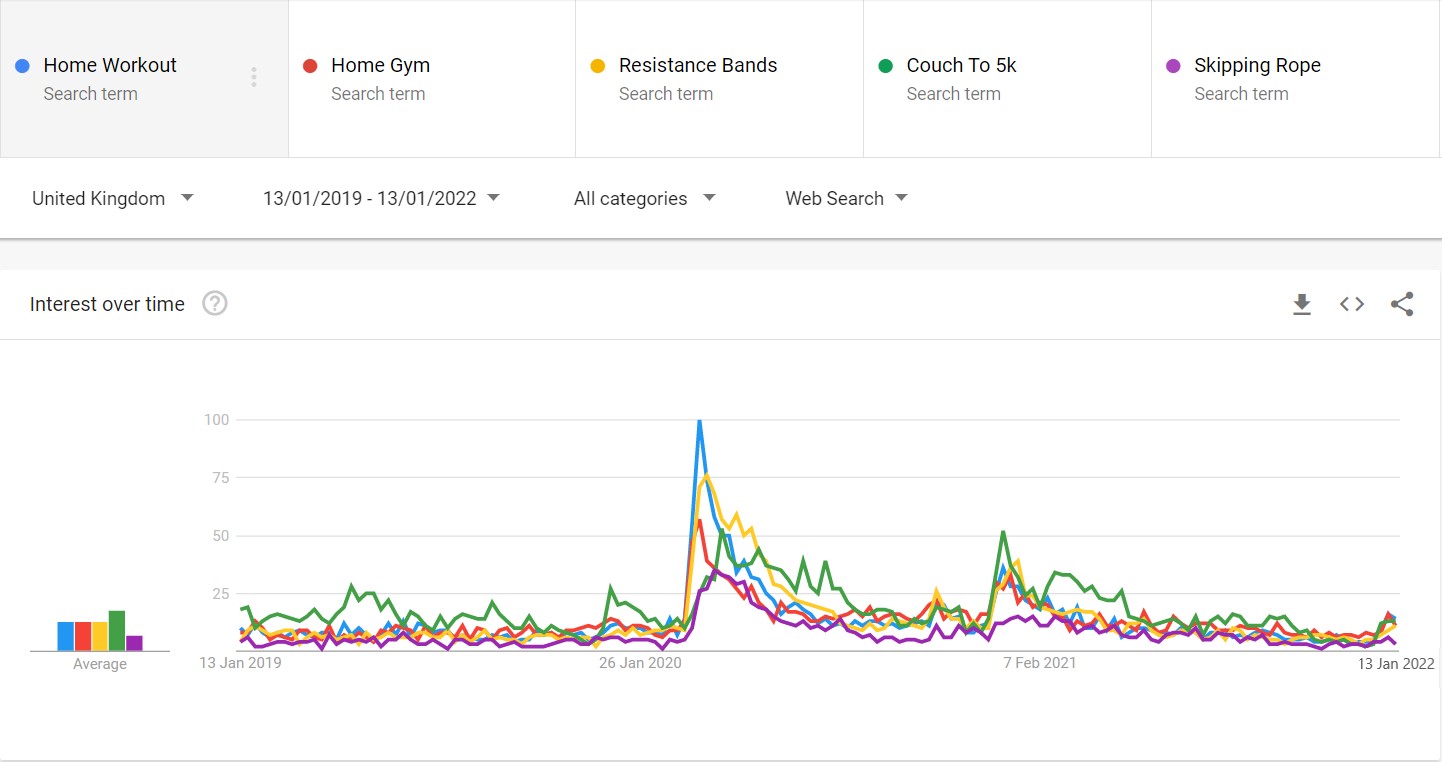
The number two fitness trend for 2022 is home gyms. As the Covid-19 pandemic hit, gyms were forced to close and people were thrust into the world of working in, and working out, from home. As we can see from the graph below, the spikes in searches for home gym equipment exploded around the times of the lockdown announcements, however they tapered drastically as gyms and fitness facilities were able to reopen.
Home gym search terms – peaking during UK lockdown announcements
While some people may have found their groove working out from home, we believe many thrive off the community, facilities, luxuries and in-person classes and trainers that are so compelling, and unable to be replicated at home. With joint ventures of big box gyms and local boutiques, increasing numbers of people are able to enjoy the boutique fitness experience in their local gym.
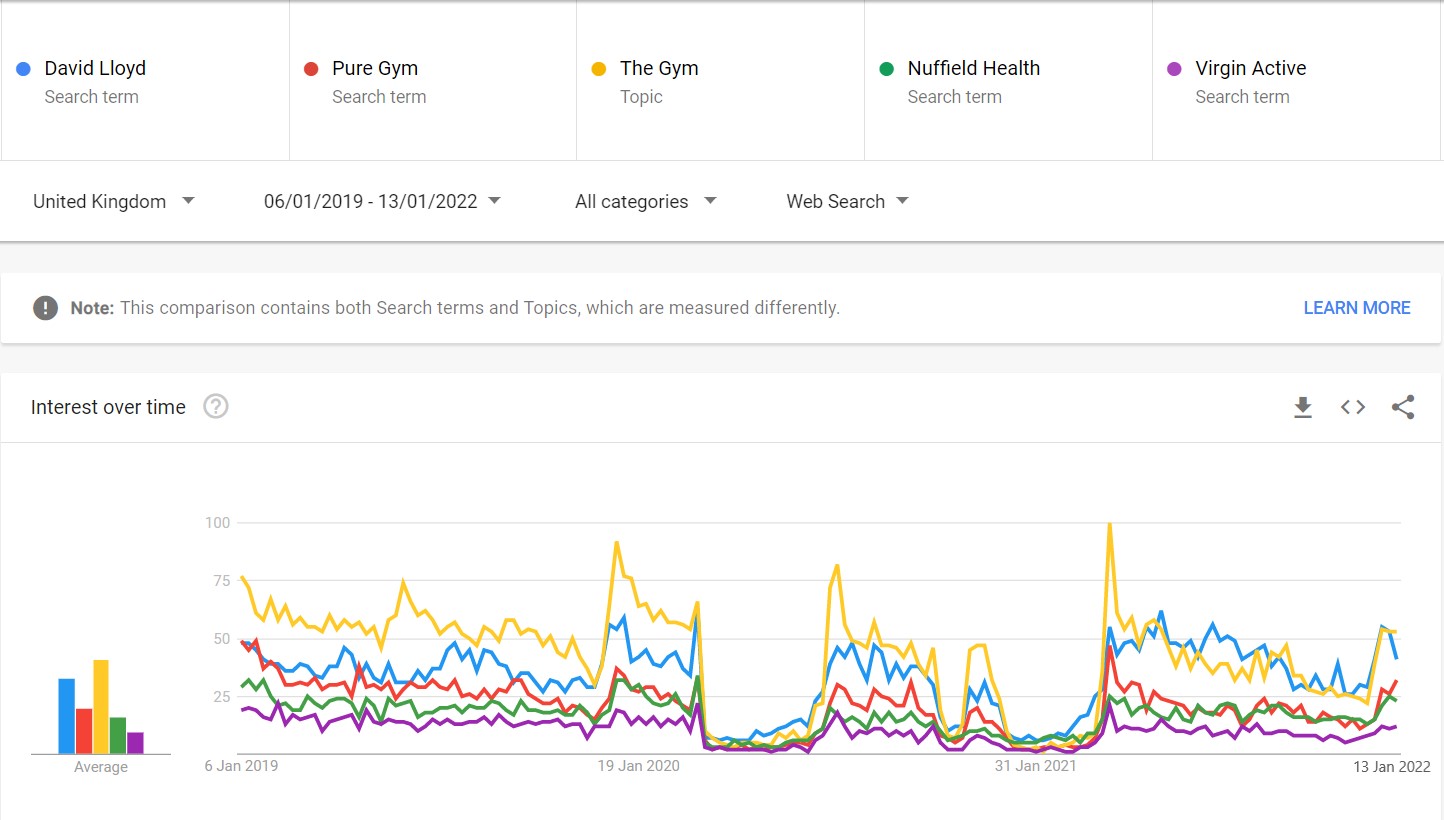
It is worth noting the huge spike of people searching for various gyms around the times of re-opening announcements and the trough in searches during times of lockdown.
Gym searches in the UK – troughs occurring during lockdowns
Exercise for weight loss – a 2022 fitness trend?
Interestingly ‘exercise for weight loss’ appeared number five on the 2022 ACSM fitness trends list. But hasn’t this existed as a reason for people to join the gym since they first opened? We’re not sure this is a trend, but what might have caused this spike is people realising the effects of their weight on their health.
Multiple studies have highlighted a linear correlation between BMI and risks of severe Covid-19 infection. As BMI increases the risk of hospital admissions and death increased linearly. In these unprecedented times, have people begun to realise the effect their weight has on their health, and ability to fight off infections and viruses?
We have since seen the launch of the Government “Better Health” campaign, targeting adult obesity. While this may not be a new trend, and there is a long way to go, weight loss is, and should be, one of the major talking points this year and those to come for overall health.
As industry experts we join our peers in hoping that physical activity moves to be recognised as an essential health service. The science is clear cut that if we take both our health and fitness more seriously and focus better on our mental wellness, the happier we are, and the less reliant we are on the National Health Service.
While all these new technologies and product developments are great in their own right, if people lack the intrinsic motivation to make a change then the tech is rendered obsolete. We can have all the tools in the world to help us, but if we’re not motivated to utilise the tools, then no positive change will occur.
Other companies such as Les Mills and Keepme have previously released their predictions for trends in the new fitness landscape, read Les Mills’ views here.
If you have an innovative product or service in the health, fitness and wellness industry and want to see yourself on a future trends report then get in touch with us. We are experts in consultancy, marketing, PR and advertising, so whether you’re a small new business or a multi-million pound turnover one, we can help you grow: info@action-group.co.uk
Global Fitness Report from Les Mills reveals 6 key trends for the new fitness landscape
As we start to emerge from the pandemic a new report from our client Les Mills reveals how the world will want to work out, with live experiences and a merge withdigital to create an omnichannel fitness offering tipped to be key for fitness providers.
Our client spoke to over 12,000 people, from across five different continents, exploring how the pandemic has changed fitness habits and the trends that will shape workouts in years to come.
So let’s take a little look at 6 key trends it cites in more detail:
The new fitness landscape
Across all industries, businesses have had to rethink their typical marketing strategy. For fitness providers, this has meant using the pandemic as the catalyst for a completely new approach to meeting people’s fitness needs.
The pandemic has prompted people to make their health a priority, with the report revealing that 50% plan to focus more on their wellbeing in 2021. The report also revealed that 82% of consumers regularly exercise (or soon plan to), while 75% of this group do gym-type activities, making fitness the world’s biggest sport. This of course presents a massive opportunity for many of our clients.
The report found that clubs worldwide are making strong recoveries since reopening. This echoes what our client Gympass has also seen in their recent Gym Recovery Index, which found that its partners had already reached the half way point to recovery back in May. Looking at June, the figure rose to 61% – showing beyond doubt that the UK recovery is in full swing.
The live revival
Despite fears the COVID at home fitness boom would spell the end for fitness facilities, Les Mills’ report suggests social live fitness experiences are driving the club recovery, with 85% of gym goers stating they’re interested in trying live classes in their facility.
After a year of enforced home workouts, the appetite for live fitness experiences in groups is soaring. The report revealed that two-thirds of gym members (67%) prefer working out in groups, while live classes in club are nearly twice as popular as doing livestream classes at home (favoured by 44% of members vs 23%).
Nothing beats the real life experience of an instructor, helping guide you through a sequence of positions. Particularly in the case of a class from our client Ten Health & Fitness, who offer the very best in Reformer Pilates sessions around the city. They’ve seen members flocking back craving that expertise and guidance.
The human factor
With a huge demand for social connection driving the live revival, it’s inevitable that the people working in clubs will have a vital role to play.
Rockstar Instructors were identified as the single most important factor for gymgoers when choosing a live class, favoured by 28%, ahead of the quality of music (24%) and type of class (21%). They’re the back bone of our industry and the success of a fitness club or studio can truly live or die by the quality of its instructors.
It’s something all our clients have noted, how members are so grateful to be back with their favourite instructors for that added motivation and extra encouragement.
The secret sauce
What’s the perfect blend of live and digital workouts in the new age of fitness? It’s a question that has been on many operators’ lips. Omnichannel fitness – a blend of in-gym and digital home workouts – is tipped to gain traction as we emerge from the pandemic, with the majority of exercisers (59%) favouring a 60:40 split between gym and home workouts.
Far from being simple stop-gaps to tide the industry over during the COVID pandemic, livestream and on-demand have become vital additions to clubs’ long-term digital offerings, with the report revealing that 80% of members plan to continue using them post-pandemic.
Here at Action we know the power of this hybrid way of working out, having supported many of our clients throughout the pandemic to launch a new digital offering. Working with the likes of Everyone Active to launch its on-demand service Everyone On Demand and More Yoga to launch its Wellness TV. We also work with a range of digital fitness apps including audio-led Personal Training app, WithU and live streamed workouts such as celebrity trainer Monique Eastwood with her Movement Method.
Beginners break out
Lockdown has seen a whole new wave of people taking their first steps into fitness, with 27% of those surveyed describing themselves as ‘absolute beginners’. The report also revealed that although 81% of beginners are interested in group activities, 66% say they currently prefer to exercise alone, suggesting a confidence chasm that needs to be bridged before beginners feel fully comfortable.
Apps such as our client WithU, can be a massive help for beginners. With its audio-guided workouts, it’s like having a PT in your ear and there’s also an easy to follow avatar on screen showing how each exercise needs to be performed.
Total fitness transcendence
As home working becomes more prevalent and the boundaries between work and play are blurred, so too are the distinctions around the provision of fitness services, creating significant opportunities for clubs.
Employers are increasingly aware of the benefits of an active workforce and corporate wellness is a high priority. With many employees seeking out organisations that truly care, offering access to free fitness services is becoming a key differentiator for many now.
For clubs, the ability to demonstrate the scientifically proven impact of the workouts they offer will place them in the box seat for winning in the workplace wellness market where Return on Investment carries great weight among decision-makers.
If you’d like support on how to tap into any of these suggested trends, get in touch with us: info@action-group.co.uk
With a new decade fast approaching, the question on everyone’s’ lips (or at least the Action PR teams’) is what is going to be the next big thing in fitness?
Well, as luck would have it, The American College of Sports Medicine (ACSM) has just released their 2020 fitness trends predictions, drawing from the insights of over 3,000 fitness experts across the globe. In its 14th year, the survey is highly anticipated amongst the trade, with professionals keen to understand what direction to take their business to appeal to consumers and partners alike.
So… drum roll please… here are your top 10 fitness trends for 2020:
1. Wearable technology
2. High-intensity interval training (HIIT)
3. Group training
4. Training with free weights
5. Personal training
6. .Exercise is Medicine®
7. Body weight training
8. Fitness programs for older adults
9. Health/wellness coaching
10. Employing certified fitness professionals
Our thoughts
It was no surprise that wearable technology topped the charts. We highly anticipate the influx of “look at the new Fitbit I got for Christmas” conversations we are due to have. People love engaging with their very own, personalised data and tracking their progress and improvements over time. We’re sure this will only continue to grow and wouldn’t be surprised if its number one again next year. We see this extending to wider variables as well, covering aspects like stress, sleep, recovery –giving an overall assumption of holistic wellbeing. This is something our client Firstbeat is way ahead of the curve on.
We were slightly surprised to see HIIT weighing in at a strong number two. Having placed in the top 5 since 2014, we were sure its time at the very top was coming to an end. In the UK especially, there are certainly more people focussing on a ‘less beasting’ and more mindful approach to their fitness regime, incorporating prehab/rehab, mobility and stretch based workouts… We predict a focus on recovery and quality of movement over intensity of exercise in 2020. Perhaps other countries are still chasing that ‘go hard or go home approach’?
It was great to see Exercise is Medicine® up at number 6 (previously 10). The global health initiative focuses on encouraging primary care physicians and other health-care providers to include physical activity assessment and associated treatment recommendations as part of every patient visit, referring their patients to exercise professionals. There are countless studies showing the amazing benefits of well-structured exercise programmes for cancer sufferers, those living with diabetes, people with osteoporosis and many other health issues or chronic conditions. Exercise really should be the medicine of choice, or in any case, a great supplement to other treatments.
What does all this mean?
Staying on top of trends is the best way to make sure a business is headed in the right direction. It’s important for future growth and development and could be the difference between securing investment or not. The ACSM report can help inform campaigns, product launches and promotions, putting you and your business at the forefront of the industry. How else can you be sure to give consumers exactly what they want, when they want it? Notably, we highly encourage you to read up on the full report here.
We read with interest the trends, influences and opportunities shaping the sector and were pleased to see how they reflect the work many of our clients are already doing.
At Action, we pride ourselves on working with forward thinking companies. Here’s how five of our clients are already aligned with the Health Club Management report…
Fascial Release
The report suggests we’ll see more fascial release incorporated into classes and fitness sessions as we begin to get a better understanding of fascia and the science behind it. It’s huge in the States, where multimillion dollar company, the Fascia Blaster, hails from. Action PR is set to launch the Fascia Blaster to the UK market in spring 2018…watch this space.
Mental Fitness
Mindfulness has been a growing trend for a while and there’s no bigger fans than the Action consumer team, who are now doing the PR and digital marketing for best-selling App buddhify. Buddhify, which has topped the download charts in over 50 countries advocates mindfulness-on-the-go. The idea being that you don’t need a quiet room and perfect conditions to be mindful. By learning a few simple techniques, you can practice mindfulness anywhere, from on your commute, to while working out, and even while using social media! The team behind buddhify, headed up by mindfulness guru Rohan Gunatillake, have a new class in development, which assists gym goers in achieving their goals through the practice of mindfulness. We’ll keep you posted on the roll out plans!
Equipment Home Delivery
Regulars of this blog will know we closely follow the rising trend of calisthenics. This awesome bodyweight training system which incorporates iconic moves like the muscle up and human flag is best practiced at a purpose built calisthenics park – which can be hard to find. Now, thanks to a collaboration between Calisthenics UK and EXF Fitness, a home-use rig which includes pull up bars and dip bars, is set to be released this spring. The system is completely portable and can be constructed or packed away in a matter of minutes.
Leisure Centre Lux
In a recent article for Open Access Government we talked about how leisure centre operators are closing the gap between local authority facilities and private clubs by improving both the standard and selection of facilities on offer. Health Club Management also suggests this is set to continue, and it seems to us that local authority leisure providers are in the strongest position. They often have more sq footage to play with than their private competitors and are better placed to offer a wider range of facilities from sports facilities to spas, all for an affordable price. You’ll find no better example than Everyone Active’s Westminster Lodge Leisure Centre in St Albans. With a luxury spa, four group exercise studios including a dedicated room for hot yoga studio, two swimming pools, a climbing wall, café, creche and children’s soft play area, it’s the ultimate example of leisure centre lux.
Natural Enhancers
The clean-living movement is here to stay and with it, exercisers are looking for natural ways to boost their workouts. At the forefront of this trend is our client Point Blank, a completely natural cold brew coffee drink which makes the ultimate pre workout. With just one calorie, no sugar or fat and 65mg of caffeine per 100ml it’s no wonder gyms like David Lloyd and Equinox are falling over themselves to stock it.
This website uses cookies to improve your experience. If you continue to use this site, you consent to our use of cookies.Cookie settingsACCEPT
Privacy & Cookies Policy
Privacy Overview
This website uses cookies to improve your experience while you navigate through the website. Out of these cookies, the cookies that are categorized as necessary are stored on your browser as they are essential for the working of basic functionalities of the website. We also use third-party cookies that help us analyze and understand how you use this website. These cookies will be stored in your browser only with your consent. You also have the option to opt-out of these cookies. But opting out of some of these cookies may have an effect on your browsing experience.
Necessary cookies are absolutely essential for the website to function properly. This category only includes cookies that ensures basic functionalities and security features of the website. These cookies do not store any personal information.
Any cookies that may not be particularly necessary for the website to function and is used specifically to collect user personal data via analytics, ads, other embedded contents are termed as non-necessary cookies. It is mandatory to procure user consent prior to running these cookies on your website.