Mind Body Predictions Report 2024

In a year marked by a growing emphasis on health and well-being, the fitness and wellness industry is poised to continue making some large transformations in the coming year. The latest Mind Body (& ClassPass) Predictions Report for 2023/24 provides invaluable insights into the evolving landscape of wellness trends. At Action Group, we’re excited to share some of the most compelling findings from the report, which offer a glimpse into the future of the industry.

1. Strength Training Takes Centre Stage

Strength training has emerged as a dominant force in the fitness world. Over 60% of consumers have incorporated weight or strength training into their routines, highlighting its growing popularity. Moreover, it’s becoming the primary focus for individuals dedicated to their fitness journeys. The benefits of strength training go beyond just building muscle – participants will experience enhanced mobility, flexibility, improved cognitive function, and reduced risks of cardiovascular disease, diabetes, and cancer. Notably, nearly 30% of consumers are exercising to lead long and healthy lives, with over a third embracing strength training specifically for longevity.

David Lloyd Delta – Small group PT sessions focusing on strength and fitness. Shot by Action Group

2. A Quest for Balance in Wellness Routines

Consumers are seeking balance in their wellness routines. While intense workouts like High-Intensity Interval Training (HIIT) remain popular, over 75% of individuals are incorporating low-intensity movement into their routines, such as walking, Pilates, and swimming. This quest for balance presents opportunities for brands to pivot their offerings and offer a broader range of wellness experiences, including strength training, yoga, and mindfulness practices.
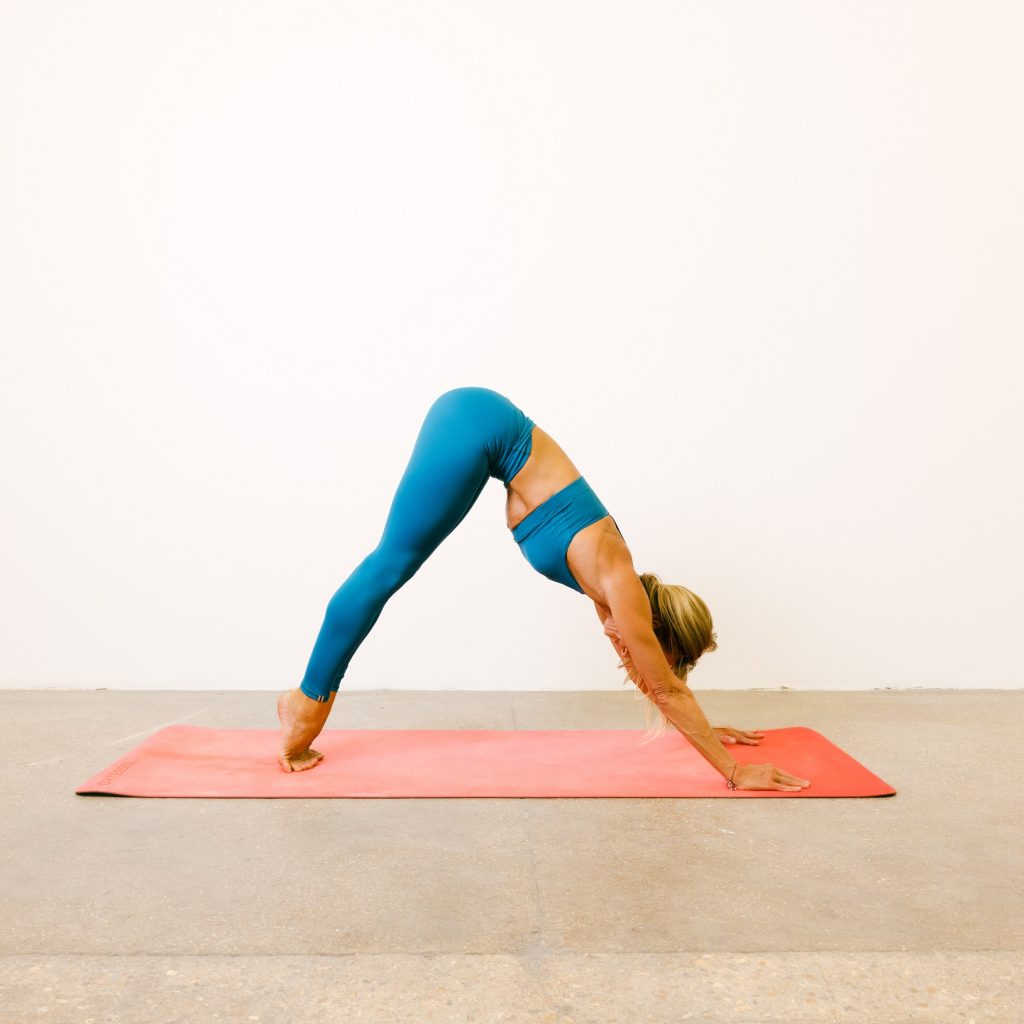
Action Client Monique Eastwood has a wide range of exercise class offerings on her app for those looking to integrate more Pilates and yoga-based exercises into their regimes; whilst also offering more traditional HIIT workouts that feature dance-inspired movement, for a balanced exercise routine with both low and high intensities. 

3. Beauty and Wellness Events Foster Connection

Wellness is no longer just about personal health; it’s also about connection and community. An impressive 43% of consumers look to wellness as a means of forging deeper connections. Over 60% have either attended or expressed interest in attending events hosted at salons, spas, med spas, or wellness centres. This shift is demonstrated by establishments like hair salons transforming their spaces into inviting and comfortable environments, complete with bars, music, and entertainment, creating a holistic wellness experience.

4. Science-Backed Products and Services

Consumers are increasingly prioritizing research and expertise when it comes to wellness advice. This trend extends not only to beauty products but also to everything they put into their bodies. More than a third of consumers prioritize product effectiveness, while 23% prioritize clean and organic ingredients. Sustainability also ranks high, with 20% of consumers valuing eco-conscious products. This shift underscores the importance of evidence-based approaches in the wellness industry.

Squished use rescued berries that would be wasted to make their range of health snacks

5. The Crucial Role of Sleep Hygiene

Awareness of the importance of sleep is on the rise, with one in three Americans not getting enough sleep day-to-day. It is no surprise, then, that more than half of consumers are investing in products to enhance their sleep quality, reflecting a growing emphasis on sleep hygiene and its vital role in overall well-being. Wellness offerings such as saunas, cold plunging, and float therapy will likely see a rise in use with consumers focusing on the modalities that have stood the test of time.

6. Temperature Therapies and Preventative Wellness Strategies

Consumers are increasingly open to temperature therapies as a means of combating inflammation and promoting recovery. Almost a quarter of consumers have tried cold or heat therapies and 80% of those who do say they’re interested in trying them together. Combining different temperature therapies and working them into new preventative wellness strategies is gaining traction, reflecting a proactive approach to health and longevity.

Action Client CoreTx GO Palm Cooling – the latest performance enhancing offering direct from scientific literature. The device cools the palms to reduce exercise fatigue during a workout.

7. Boomers Start to Visit Boutique Fitness Studios

The Baby boomer generation is prioritizing wellness more than ever before, with over half of them considering it a top priority. Strength training has gained particular importance for this demographic, with more beginning to understand the value of fitness for general health. An age that most considered the ‘sunset stage’ of life, this age group are now much more active, and want to continue to be active. Fitness studios are responding with more class offerings tailored to the needs of boomers, providing education around equipment, and creating welcoming and less intimidating environments.

Conclusion of Mind Body Predictions Report:

The Mind Body Predictions Report for 2023/24 paints a dynamic picture of the evolving wellness landscape. As consumers prioritize strength training, wellness events, science-backed products, and holistic approaches to health, the industry has ample opportunities for growth and innovation. At Action Group, we’re excited to help our clients navigate these trends and capitalize on the evolving preferences of wellness enthusiasts. The future of wellness is diverse, inclusive, and firmly rooted in the pursuit of a balanced, healthy, and connected life.

If you’re looking for PR or Marketing support, or in need of business consultancy then get in contact with us: info@action-group.co.uk

Longevity – the key word to get people moving?

For decades the fitness industry has promoted aesthetic changes and unrealistic, short-term results, in an attempt to motivate consumers and get them buying. But has it worked?

In some ways, yes. A lot of people have made a lot of money from selling the latest diet or workout, but as a nation, most of the UK still has no appetite for exercise. According to the government around 1 in 3 (34%) of men and 1 in 2 (42%) of women in the UK are not ‘active enough for good health’. A recent survey from PureGym highlights that just 14% of UK adults have a gym membership, but at the same time 64% of people feel they don’t look after their health as much as they should.

The question of motivation is one that often comes up in relation to exercise, and the typical response from those in the industry is “it’s not about motivation but discipline”. But have we just been marketing the wrong messages?

We might finally be seeing a shift in tone, and with it, could we finally find the key to motivating Brits to get active?

Mindbody’s latest trend report suggests that living a longer, healthier life is the top priority for exercise seekers in the US in 2023. In 2021, controlling weight was still the number 1 reason for working out, in 2022 mental/emotional well-being became the focus, and now, longevity has taken centre stage, representing a significant shift in priorities.

Our own trends for 2023 also picked out exercise for those in middle age and beyond picking up momentum, and it’s clear the two are linked.

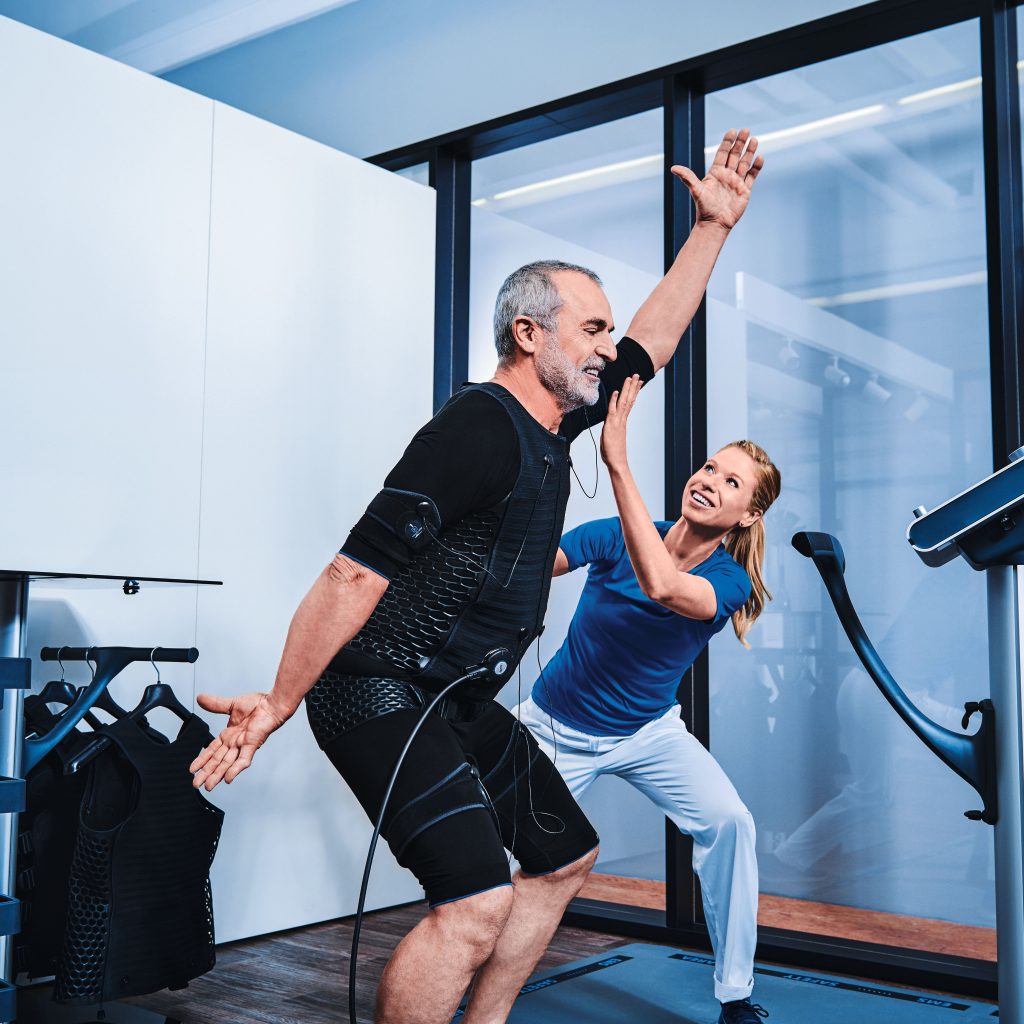
EMS training is ideal for reducing the effects of sarcopenia, strengthening the muscles in a non-impact way

The reason this has such big implication for marketers and comms professionals in the fitness space is that the level of activity required to improve longevity is a fraction of what’s needed to achieve the sculpted abs or giant biceps plastered across billboards and TV spots. Improving longevity doesn’t mean gruelling sets of weights, or flogging yourself with high-intensity workouts. Mindful movement and moderate intensity workouts will go a long way in improving almost everybody’s quality of life as they get older. With such a variety of fitness classes there should be a class or form of exercise for everyone, and even devices to monitor health. Firstbeat Life is a health monitoring service that PTs can integrate into their offering, opening up a window into their clients health status with metrics like recovery and stress measured with the gold-standard Heart Rate Variability monitoring device, read more about it here.

Firstbeat Life – in-depth monitoring tool for PTs to track the health status of their clients

One of our newest clients is HAWQ, the Health And Wellbeing Quotient for employee health. HAWQ offer the most personalised corporate wellbeing offering on the market with its research-backed and evidence-driven approach. Livvy Probert, Head of Science and Co-Founder of HAWQ agrees that focusing on health and longevity is more prevalent than before:

“We’ve seen a shift in the motivations for our clients coming to see us. Whilst aesthetic goals are still common, the post-pandemic work and social environment is still very different. The recent pandemic proved to us all that our health is precious and something we cannot take for granted. Whilst the research is still ongoing, there are links between being physically active and reducing risk of severe health outcomes of COVID. This isn’t just for COVID – hitting recommended exercise levels has been linked to reduced risk of an array of poor health outcomes including diabetes, cardiovascular disease, high blood pressure and mental health conditions including depression and anxiety. Additional stresses of a hybrid working environment, increased financial concern and instability of the future has led people to focus on things they can control. The information on how to exercise, sleep and eat better isn’t anything new but people are more inclined to not only listen, but take action for themselves.

Physical activity and exercise are linked to health benefits including lower blood pressure, healthy resting heart rate, increased likeliness of maintaining a healthy bodyweight, reduced risk of poor health outcomes and beyond. As tangible changes for individuals, this means improved sleep, better cognitive function, increased mental wellbeing, higher energy levels, increased fitness. These benefits have a knock on into the workplace – improved performance, reduced presenteeism and absenteeism, lower health costs, happier staff and a reduced turnover.”

Effectively communicating that quality of life can be improved in later life with spending hours and hours at the gym could be the key to reaching those currently inactive, and help improve the health of the nation. At the very least, it’s worth a go.

If you’d like help to nail down how you’re communicating your wellbeing offering, then get in touch info@action-group.co.uk

Therapy dogs and Stress Awareness Day

Paws for effect: how therapy dogs elevated Everyone Active’s Stress Awareness Day PR Campaign.

A dog is a man’s best friend – and they make for amazing PR partners too as our Stress Awareness Day campaign for our client Everyone Active proved.  Harnessing the increasing awareness around dog therapy, we invited some specially-trained hounds into Everyone Active’s London leisure centres so members and visitors could stroke away their stress.

The year prior to our activity on November 7, 2018, research from the Mental Health Organisation showed that 74% of people in the UK had felt so stressed they had been unable to cope with everyday life. Meanwhile, around 12 million adults in the UK were known to have seen their GP with stress-related anxiety and depression.

We let the dogs out

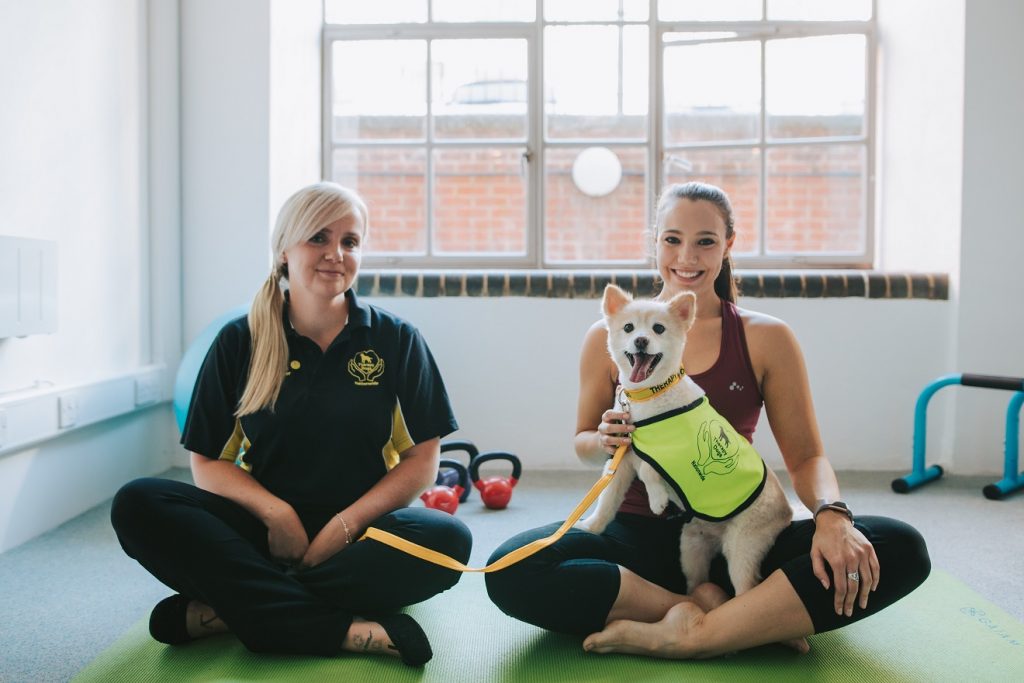
Animal interaction, specifically stroking and playing with a dog, has been scientifically proven to slow the heart rate and reduce blood pressure. So to help Londoners find solace in their working week, Everyone Active invited specially trained therapy dogs from the charity Therapy Dogs Nationwide to seven centres across the capital to enable people to enjoy a canine cuddle-fix.

We co-ordinated five lovely dogs and their handlers to visit the Everyone Active sites to raise awareness of their Stress Awareness Day programme comprising free 30-minute yoga sessions, mindfulness and meditation sessions and quick head and shoulder massages. 

Applause for paws

Our pause with paws activity landed spectacularly well across the London media with 16 pieces of coverage achieved reaching a readership audience of 50.9 million people. 

Metro Online ran a sizeable news piece about the initiative, detailing all the sites taking part and giving full credit to the charity which really helped build awareness of their amazing work. Other pieces appeared in Londonist, All In London and In Your Area while the action at Seymour Leisure Centre was captured by London Live in a lovely TV news piece.

The novelty of having dogs in the centres coupled with the therapeutic effect of stroking a dog created a wonderful feelgood ripple effect among all who engaged with the activity.

The campaign created great photo opportunities too driving strong social media interaction with an estimated 109K coverage views and 47 shares as bloggers and visitors shared their experience on Twitter and Instagram.

If your next campaign could do with the feelgood factor, contact us: info@action-group.co.uk

The life-changing benefits of strength training

Strength training

Female bodybuilding. The words conjur retro images of creosote-stained, terrifying women posing in twee little positions who look like they’re going to explode out of their teeny fluoro bikinis into a lava of steroids and deltoids.

But the pursuit of slightly less extreme muscle definition through the modern vernacular for body building – strength training – is a hot topic.  According to Pinterest, saves for ‘strength training’ is up a huge 415%, as the fitness focus is less about losing weight and more about looking strong. You can’t move on Instagram for high profile models and celebrities ceaselessly documenting their gruelling boxing and weight training regimes.

Friend of Action, and all round little firecracker, Chloe Madeley comments: “The ‘size zero’ look went out of fashion long ago. Take one look on Instagram, and you will see that the most coveted women’s physiques are lean and defined. This strong, healthy, athletic appearance is what the majority of women now train for – and for good reason. The immediate aesthetic benefits of weight training are obvious, but it also improves many other aspects of your health; including bone density, lipid metabolism (the rate at which your body burns fat), and insulin sensitivity (how well you tolerate carbohydrates).”

About time too.

The myriad benefits of strength training are well documented – not just physical, but mental too. It improves bone density, slows the ageing process, relieves stress, burns fat, improves sleep, reduces anxiety, increases endorphins for that legal high… The precious NHS recommends bodyweight and weighted resistance exercises to build muscle, reduce the risk of osteoporosis, osteoarthritis and type-2 diabetes, and even to increase your life span… it goes on to say that “muscle-strengthening activities help maintain the ability to perform everyday tasks and slow down the rate of bone and muscle loss associated with ageing.”

Given that women are most prone to brittle bones, particularly post-menopause due to dropping oestrogen levels, regular strength training is key to maintaining bone density.

The historically male dominated, fart-filled free-weight areas of gyms are starting to attract more women. We feel much more welcome in this domain thanks to smart brands like Lomax, Gym Box, Sweat It and Blok who offer weight lifting and strength training as standard, taking the stigma out of it – and appealing to more women who can combine weights, olympic bars, landmines and barbells into regular class content.

I got into strength training properly six months ago, following a back injury from boxing. My L5 disc decided it no longer wanted to be in my spine, and tried to make a break for it, leaving me with a large protruded disc in my lumbar spine and making most movements painful. Luckily, I had a very smart PT and physio, who prescribed strength training alongside physio appointments as a way to build the surrounding muscles of my lower spine, core and legs to ease movement and stop me from thinking I was going to wither away and lose tone. I also found that building strength was a natural pain killer. I got seriously upset after being diagnosed with the disc fiasco, worried that I wouldn’t be able to train anymore…but I just had to figure out quickly what helped and what didn’t, and pay more attention to my body to ensure I was building a strong and mobile structure that could support, rather than worsen, my injury.

So far, so good.

I never worried about bulking up – I know how bloody difficult that is to achieve – and quickly noticed more positive change in my body – and mind – than from any spin class I’d ever been to. I also found it easier to track progress than with anything else, starting to up the weights each week and getting seriously excited when I realised how quickly weights that seemed impossible one week, were easy the next.

While I didn’t want to lose weight, I wanted serious muscle definition, and to be, and feel, strong, Really, really strong. Through weight training three times a week combined with some quality reformer pilates classes [Tempo and Lagree] I have seen my body change shape beyond what I expected. My housemate jokes that when I’m not in I’m out pulling lorries or double decker buses, but he’s not too far from the truth.

I am a little bit addicted, I admit it. My name’s Rachel and I’m a strength addict. etc.

I sustain this training on a vegan diet [yeah, I dont know what to shout first when I walk into a room, that I’m vegan or that I lift…] so I thought I would share some things I’ve learnt since embarking on this new training approach as a plant-pusher, with a fucked-up back.

NB: I am NOT AN EXPERT, this is just my humble little opinion:

  • Get a decent PT – Even just to start with so you can perfect form, then you can go it alone when you choose. If you’re working with an injury, its so crucial you pay micro-attention to form and tekkers so you don’t make it worse, or get a whole new injury. I use the Esquared app to find gyms around London to use without a monthly subscription, that way you can always fit a session in and put your PT into practice wherever you are.
  • Don’t fear the V word – Being a vegan made me drop a lot of body fat – I’m more mindful of getting a complete protein-rich diet now than ever before – so it’s not a hinderance to lifting weights, for me it helped achieve a leaner, more toned shape, you just need a protein source.The best vegan protein powders if you like that type of thing imho are Lomax Pro Edge Plant Formula and Kin OMG No Whey! to supplement a decent diet.
  • Follow legit influencers – Chloe Madeley, Hayley-Jane Warnes, sophiemadtolive and Shona Vertue are smart girls that I genuinely like as people, with bad ass, strong bodies without sensing they may be struggling with obsessive body dysmorphia. They provide excellent, evidence-based advice, creative content, and have candid dialogue with their followers on Instagram. They are living proof that strength training works, and even manage a sense of humour too.
  • Stretching and mobility – I never make enough time for this but it’s vital. Mobility drills, stretching and some resistance band stuff, even if you do infront of the TV, is imperative. It stops me from walking like a robot after a heavy session. I struggle with regular yoga, but youtube/Vimeo offers up some really manageable short sequences from people like the afore mentioned Shona, Steffy White and Cat Meffan which you can get in before work. Faves here and here.
  • Phone a friend – Get a mate who loves it too. I regularly train with friends who push and inspire me. Nothing worse than having to drag friends to train with you – don’t do that to yourself or to them. You’ll all end up hating each other. Also means you can go for some awesome food afterwards – if you’re East, please try out Essence Cuisine – I’m obsessed.
  • Physio/osteo/masseuse – again, find a good one. Preferably all three. It helps monitor progression with an injury and keeps you supple. They can recommend some nice low impact movements to do in the evening when you’re relaxing – nerve flossing, cat/cow stretches and dead bugs are my favourites
  • “You’re not broken” – I always have to remember this. When you get an injury that changes you, it shouldn’t become a negative focus. I just had to change the way I did things, stop smashing out endless HIIT classes where form wasn’t the focus, and start to prioritise the quality of the movement over the quantity. It works.
  • Swim – Now, I hate swimming in London for many reasons – mainly the kids, the smell, the endless asses and vaginas that face me in the changing rooms, the idea of gross foot infections and swimming in other peoples spit, snot and fuck-knows what else – makes me a public pool-phobe. Give me the sea any day. In the absence of living in Malibu, I’ve become a reluctant swimmer, using my local pool (London Aquatics Centre) which is actually a really nice experience. Swimming is a great all-rounder – cardiovascular, good for joints, stretches muscles out and targets all the other little muscles that you don’t reach through weight training.
  • CHILL OUT – As they say, rest really is as important as the training itself. I find it hard not to push myself, so have to impose proper rest days, and when my body doesn’t feel up to it, I have no energy or things hurt, I just don’t train. With my injury, I need to be careful of over-exerting myself and remember that I am actually injured. Getting good sleep so my little body can repair itself is vital, I use the Buddhify app if I’m too wired to sleep after training in the evening, I’m new to meditation but find the shorter sequences super effective.


Feel free to drop me a line at rachel@actionpr.co.uk if you’d like to chat about any of the above, or you have any of your own recommendations!

Savvy Office Snacking Tips to Boost Productivity

Office Snacks for Productivity

You wouldn’t tackle a workout without sufficient hydration and nutrition, so why go to the office and expect to ‘perform’ at your best without a bit of planning? We asked Tilly Spurr, performance nutritionist and founder of Eat Yourself Brilliant for some tips on savvy snacking at the office.  Step away from the biscuit tin and read on….


Desk Breakfast

A desk breakfast isn’t a bad thing – if you make a good choice.  If you run or cycle into the office, do an early morning workout or simply can’t face breakfast before you leave the house, having a healthy option at your desk is good.  Make it count and pack some protein into it. “We tend to eat most of our protein in our evening meal but actually to gain the most benefit we should eat our protein spread out evenly across the day. Our bodies are constantly being broken down and rebuilt and need a steady supply of protein,” says Tilly.

Try:

  • Peanut butter on wholemeal toast
  • Greek yoghurt with nuts and seeds
  • And, you’ll like this one, a latte! Yup – a large one can contain as much as 15g of protein…


Mid-morning munchies

Its nibble-o’clock, not yet lunchtime… biscuits, muffins and chocolate may come to mind.  But beware, all these will spike your blood sugar and create a rapid insulin response to drop your blood sugar – and energy – back down.  “It’s tempting to reach for a sugary, high-fat snack but after the initial pleasure of eating this, your body won’t thank you,” says Tilly.

Try:

  • Yogurt/granola/nuts/seeds
  • A piece of fruit and handful of nuts
  • Rice cakes/oatcakes and peanut butter
  • Also: drink a glass of water and keep hydrated: often we feel tired and ‘hungry’ when, in fact, we’re thirsty.


Lunch

If ‘grabbing a sandwich’ is your lunchtime habit – think again: too much carbohydrate will make your energy slump soon afterwards. Instead, try a satisfying, energy boosting Lunch Bowl including cooked grains (prep them the night before), nuts, seeds, vegetables and herbs, a swirl of olive oil, a sprinkle of salt and perhaps some chopped chicken, smoked salmon, chickpeas or feta cheese. Literally mix it up. “There are so many grains to choose from: quinoa, brown rice, wild rice, cous cous, bulgar and barley all work well,” says Tilly, who favours quinoa, as a good source of protein and fat that give a steady, slow energy release to prevent a post-lunch slump.


Avoid the mid-afternoon dip

“The mid-afternoon dip can be avoided by eating a small snack combining protein and unrefined carbohydrate,” says Tilly. “It’s especially important if you’re planning an evening workout, run or cycle home.”

Try:

  • Oatcakes and houmous
  • Crudites and cream cheese
  • Rice cakes and nut butter
  • Add an apple, pear or satsuma to tick off one of your five a day
  • Also: drink peppermint tea to stimulate your brain while soothing your stomach.


The case for coffee

“Coffee can get a bad press but there is no scientific basis for this and, in fact, all the available research suggests that drinking 3-5 small cups of coffee a day may well be beneficial,” says Tilly.  However, not all coffees are created equal. “There are two species of coffee plant – Arabica and Robusta.  Arabica is grown at altitude over a longer period of time and contains more of the phytonutrients that give coffee its health benefits,” says Tilly.  “Fresh is best as although instant coffee contains caffeine it has lower availability of phytonutrients.”

Tilly recommends drinking freshly brewed Arabica coffee. See if you can convince your boss to buy a ‘bean to cup’ fresh coffee maker – the aroma alone will perk up the whole office.


For a healthy, organic, all-natural caffeine boost to get you through those early mornings and late nights in the office, why not try a bottle of Point Blank Cold Brew coffee? Check out the recent photo shoot we did for them!

Live streamed classes – the intersection of fitness and technology

With ClassPass launching its latest offering of interactive at-home workouts, we took a look at how technology has become the mainstay of many fitness offerings. As consumers, we’re hungry for data and increasingly reliant on wearables and apps. Technology has become so integrated into our lives, we’re barely even aware of it. If it’s not on Strava, did it even happen? Gone are the days of heading out for a run without your phone. Or rather, gone are the days of going anywhere without your phone.

Operators are now (or they should be) using technology to offer members an experience that has been personalised to the nth degree, adding huge value to an existing package. Tracking, detailed body composition assessments are now more accessible to the average gym goer. Again, the added value aids retention, while the data collected allows operators to better assess their members’ needs and upgrade their programming and facilities accordingly. Capitalising on the growing popularity of tracking in the fitness industry is FitQuest. The machine uses cutting-edge technology to measure a person’s physical capacity over eight parameters in just four minutes. It also measures body composition through bio electrical impedance analysis. It offers a wider range of data and feedback to users than other devices available, as well as a more accurate analysis.

Providing members with a detailed breakdown of stats after a class offers added value, crucial within the saturated boutique industry, where price points and competition are eye-wateringly high. This is particularly prevalent among indoor cycling studios such as Digme, Ride Republic and Psycle, simply because to incorporate that level of tracking into an indoor bike is very easy to do. Paying £20 a class, consumers now expect these extras as standard, as they do fluffy towels and freshly blended shakes. Technology is the final piece of the puzzle, allowing brands to offer a totally exhaustive package, leaving the member wanting for nothing.

ClassPass is far from the first to stream fitness classes. The offering is slightly different (at home vs in club), but David Lloyd Clubs already holds virtual classes in over half of its clubs, using virtual programming to support existing programming without incurring further costs. Subsidising instructor-led classes further increases retention by offering members far more flexibility. Over the past few years, ClassPass has reworked its model to focus on profitability (cue outrage at higher fees and the cessation of the unlimited class option). Presumably Lanman hopes that added extras such as online classes, which he called ‘the beginning of our digital ambitions’, are a step towards profitability for ClassPass.

We provide the full range of marketing services for the health and fitness industry. Get in touch for more information.