
For years, fitness marketing followed a fairly predictable playbook. Brands sold aspiration through polished imagery, celebrity endorsements and dramatic transformation stories. Campaigns were meticulously produced, messaging was tightly controlled and consumers were expected to admire the lifestyle being presented before eventually buying into it.
Then TikTok arrived.
Almost overnight, the platforms that had rewarded perfection began rewarding authenticity instead. Suddenly, a personal trainer filming a workout between clients could outperform a professionally produced campaign, while an honest review of a local gym could generate more engagement than a glossy brand advert.
TikTok didn’t just introduce another social platform. It fundamentally changed what people expected from fitness brands, and in doing so, reshaped the industry’s marketing strategy forever.
Authenticity became the new currency
Perhaps the biggest shift TikTok brought was the end of perfection as the ultimate goal.
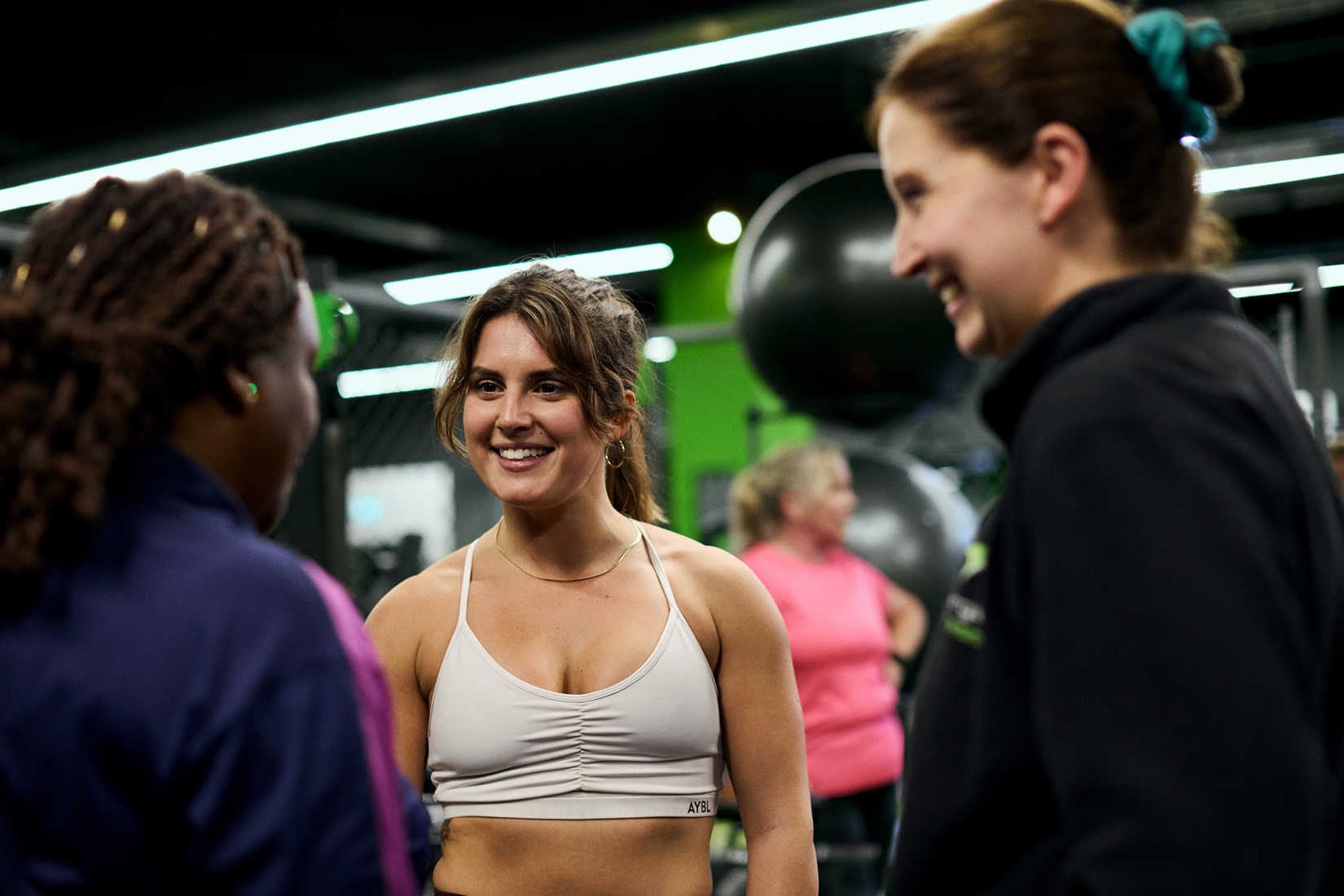
Consumers no longer expect fitness brands to present an unattainable lifestyle. Instead, they want to see real people, real routines and real experiences. They connect with trainers who admit they occasionally skip workouts, runners documenting their first marathon rather than their fiftieth, and nutritionists who explain that sustainable habits will always outperform quick fixes.
That doesn’t mean production quality no longer matters. It means audiences are far more interested in content that feels genuine than content that feels manufactured.
For brands, authenticity is no longer a creative choice, it’s a commercial necessity.
Expertise now has to earn attention
One of TikTok’s greatest strengths is its ability to make education entertaining.
Fitness has become one of the platform’s biggest knowledge-sharing communities, where trainers, physiotherapists, coaches and nutritionists break down complex topics into content people actually want to watch.
Whether it’s debunking workout myths, explaining why recovery matters or reacting to the latest viral trend, expertise has become one of the most powerful forms of content.
The difference is that expertise can no longer hide behind jargon or lengthy explanations. It has to be engaging, accessible and relevant enough to stop someone scrolling.
The brands winning attention today aren’t simply promoting products, they’re consistently providing value.
Fitness became part of culture, not just health
TikTok has also expanded what fitness actually means; a decade ago, most fitness content revolved around weight loss or muscle gain. Today, the conversation stretches far beyond the gym floor.
Fitness is now linked with workplace wellbeing, mental health, sleep, recovery, longevity, productivity, wearable technology, fashion and even travel. Someone might discover a new workout because it supports better focus at work, helps them sleep more deeply or improves their mental wellbeing rather than because they want visible abs.
That cultural shift has transformed the role of fitness brands because they’re no longer speaking solely to gym enthusiasts, rather they’re speaking to anyone interested in living better.
Communities matter more than follower counts
TikTok also changed how influence works.
For years, brands chased the biggest creators they could afford. Today, many of the most successful campaigns are built around smaller creators with highly engaged communities.
Consumers don’t automatically trust the person with the largest audience. They trust the person who consistently provides useful advice and feels relatable.
That’s particularly true in fitness, where credibility matters. A local coach with a loyal community can often have more influence over purchasing decisions than a celebrity with millions of followers. In short- the conversation has shifted from reach to relevance.
Brands have to move at the speed of culture
Perhaps the biggest challenge TikTok created is the pace at which conversations now evolve.
Fitness trends emerge almost overnight. One week everyone is talking about Hyrox, the next it’s Japanese walking, cold plunges, Zone 2 cardio or the latest wearable technology, and many brands feel the temptation to chase every trend.
The smarter approach is understanding which conversations genuinely align with your brand and adding something valuable to them. Audiences quickly recognise when brands are forcing themselves into trends that don’t fit.
The future belongs to brands that participate
The biggest misconception about TikTok is that it changed social media, when in reality, it changed consumer expectations and experiences.
People now expect brands to educate rather than advertise, participate rather than broadcast and contribute something meaningful before asking for attention.
The fitness brands building long-term success aren’t creating content because the algorithm demands it. They’re creating content because it answers questions, starts conversations and helps people navigate an increasingly complex health and wellness landscape.
The platform may evolve and new social channels will inevitably emerge, but that mindset is unlikely to disappear.
What this means for fitness brands
The lesson for marketers isn’t that every fitness brand needs to dance to trending audio or recreate every viral format, it’s that consumers have fundamentally changed what they value.
At Action Group, we help brands understand those shifts before they become mainstream. Whether through PR, influencer partnerships, social-first campaigns or culturally relevant storytelling, our focus is always the same: creating work that people genuinely want to engage with rather than simply interrupting their feeds.
Because TikTok didn’t change fitness marketing by making it louder- it changed it by making it feel more human.