
For decades the fitness industry has promoted aesthetic changes and unrealistic, short-term results, in an attempt to motivate consumers and get them buying. But has it worked?
In some ways, yes. A lot of people have made a lot of money from selling the latest diet or workout, but as a nation, most of the UK still has no appetite for exercise. According to the government around 1 in 3 (34%) of men and 1 in 2 (42%) of women in the UK are not ‘active enough for good health’. A recent survey from PureGym highlights that just 14% of UK adults have a gym membership, but at the same time 64% of people feel they don’t look after their health as much as they should.
The question of motivation is one that often comes up in relation to exercise, and the typical response from those in the industry is “it’s not about motivation but discipline”. But have we just been marketing the wrong messages?
We might finally be seeing a shift in tone, and with it, could we finally find the key to motivating Brits to get active?
Mindbody’s latest trend report suggests that living a longer, healthier life is the top priority for exercise seekers in the US in 2023. In 2021, controlling weight was still the number 1 reason for working out, in 2022 mental/emotional well-being became the focus, and now, longevity has taken centre stage, representing a significant shift in priorities.
Our own trends for 2023 also picked out exercise for those in middle age and beyond picking up momentum, and it’s clear the two are linked.
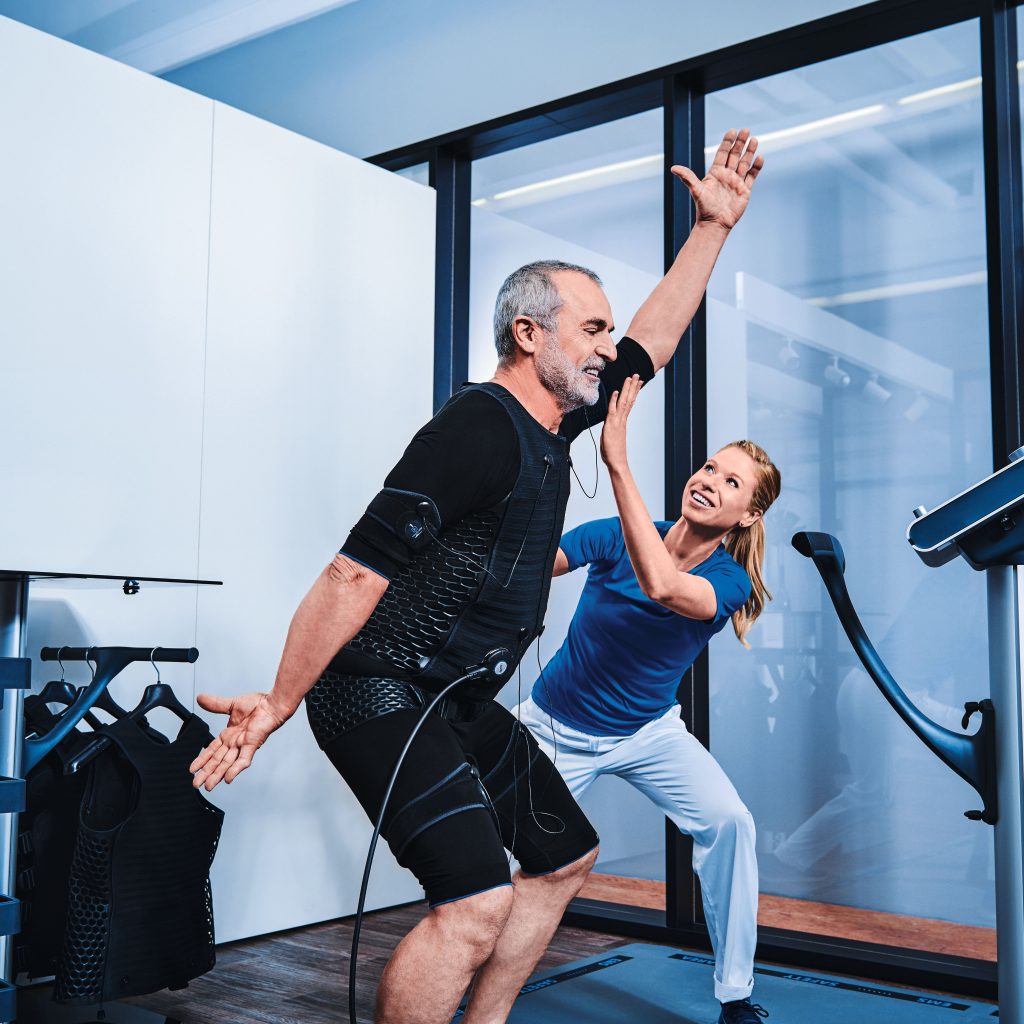
The reason this has such big implication for marketers and comms professionals in the fitness space is that the level of activity required to improve longevity is a fraction of what’s needed to achieve the sculpted abs or giant biceps plastered across billboards and TV spots. Improving longevity doesn’t mean gruelling sets of weights, or flogging yourself with high-intensity workouts. Mindful movement and moderate intensity workouts will go a long way in improving almost everybody’s quality of life as they get older. With such a variety of fitness classes there should be a class or form of exercise for everyone, and even devices to monitor health. Firstbeat Life is a health monitoring service that PTs can integrate into their offering, opening up a window into their clients health status with metrics like recovery and stress measured with the gold-standard Heart Rate Variability monitoring device, read more about it here.

One of our newest clients is HAWQ, the Health And Wellbeing Quotient for employee health. HAWQ offer the most personalised corporate wellbeing offering on the market with its research-backed and evidence-driven approach. Livvy Probert, Head of Science and Co-Founder of HAWQ agrees that focusing on health and longevity is more prevalent than before:
“We’ve seen a shift in the motivations for our clients coming to see us. Whilst aesthetic goals are still common, the post-pandemic work and social environment is still very different. The recent pandemic proved to us all that our health is precious and something we cannot take for granted. Whilst the research is still ongoing, there are links between being physically active and reducing risk of severe health outcomes of COVID. This isn’t just for COVID – hitting recommended exercise levels has been linked to reduced risk of an array of poor health outcomes including diabetes, cardiovascular disease, high blood pressure and mental health conditions including depression and anxiety. Additional stresses of a hybrid working environment, increased financial concern and instability of the future has led people to focus on things they can control. The information on how to exercise, sleep and eat better isn’t anything new but people are more inclined to not only listen, but take action for themselves.
Physical activity and exercise are linked to health benefits including lower blood pressure, healthy resting heart rate, increased likeliness of maintaining a healthy bodyweight, reduced risk of poor health outcomes and beyond. As tangible changes for individuals, this means improved sleep, better cognitive function, increased mental wellbeing, higher energy levels, increased fitness. These benefits have a knock on into the workplace – improved performance, reduced presenteeism and absenteeism, lower health costs, happier staff and a reduced turnover.”
Effectively communicating that quality of life can be improved in later life with spending hours and hours at the gym could be the key to reaching those currently inactive, and help improve the health of the nation. At the very least, it’s worth a go.
If you’d like help to nail down how you’re communicating your wellbeing offering, then get in touch info@action-group.co.uk