Firstbeat Life – Launching the ultimate Personal Trainer Wellbeing Tool

personal trainer's wellbeing tool

We recently undertook a new project with our previous client Firstbeat who have just launched a revolutionary service which has been specifically designed as a Personal Trainer wellbeing tool to offer their clients. Our initial work with Firstbeat was built on raising awareness of their brand and landing some amazing media reviews. Firstbeat are one of those incredible companies whose name you’ve probably not heard, but whose tech is used worldwide, by huge corporations and professional sports teams.

How does Firstbeat technology work?

Firstbeat are leaders in Heart Rate Variability (HRV) monitoring and analysis, and have been for over two decades. HRV can be measured to map stress, recovery, sleep and exercise performance. HRV is affected by factors such as stress, sleep quality, hormones, physical activity, food intake, and alcohol.

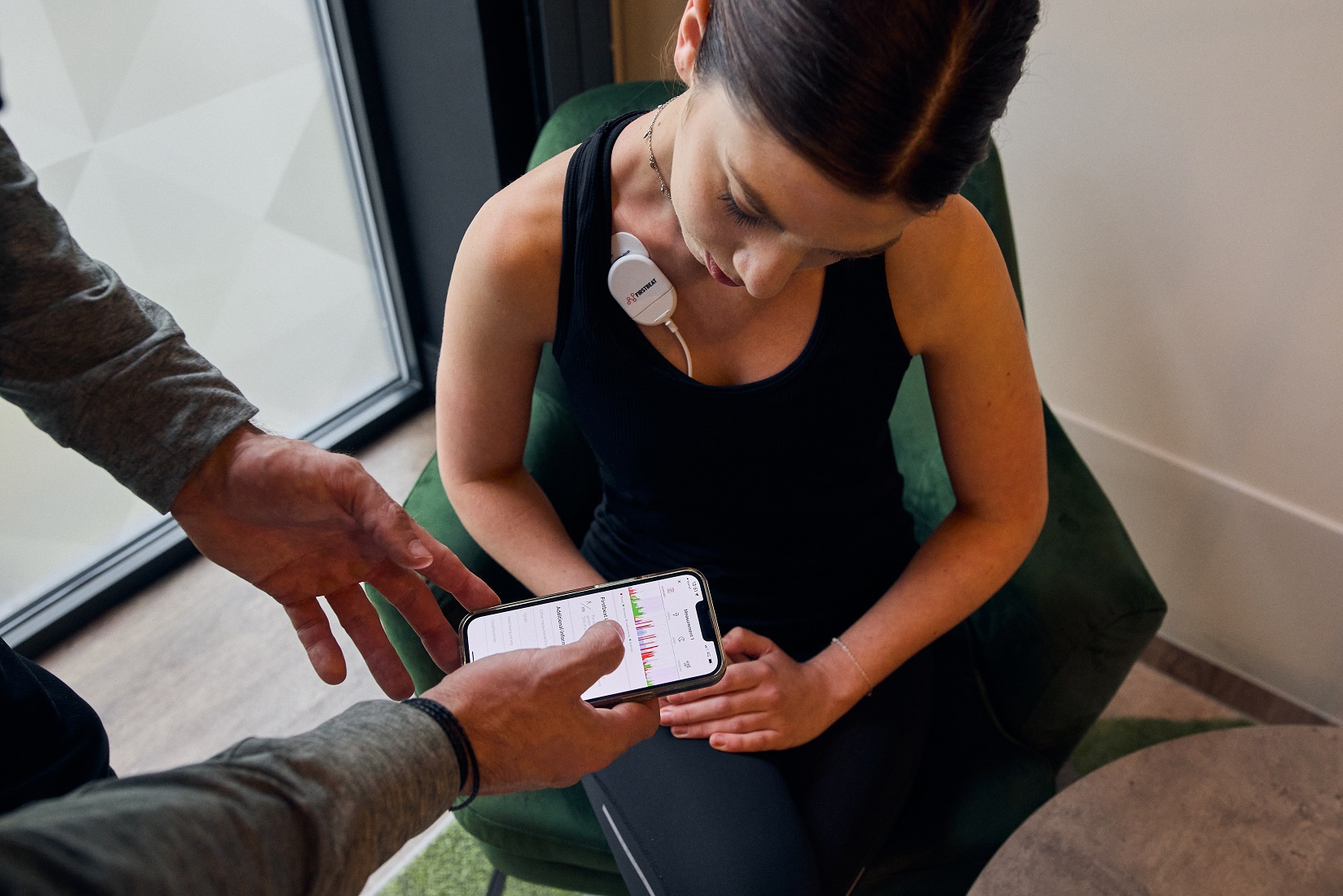
The Firstbeat Bodyguard 3 device is a clinical-grade ECG heart rate monitor which is worn across the ribcage. It is used to accurately and reliably monitor and track the activity of the heart.

personal trainer wellbeing tool

Who uses Firstbeat technology?

Firstbeat technology is used by over 1,000 elite sports teams worldwide including 26 national teams, 100+ NCAA programs and over 50% NHL teams. In the UK over 25% of Champions League football teams including Manchester United and Arsenal use Firstbeat technology in one form or another. Plus over 10,000 organisations and corporations use it globally.

Firstbeat Life – the ultimate personal trainer wellbeing tool

Our project was to launch their innovative Firstbeat Life service, specifically designed for Personal Trainers to offer their clients the ultimate wellbeing and wellness solution. Firstbeat Life enables PTs to integrate HRV tech, tracking the stress, recovery and sleep of their clients and offer wellbeing services as part of their service. PTs can build deeper connections with their clients, focusing more on clients’ wellbeing and time outside of training hours. It also enables PTs to take on more clients, working more successfully with online clients and opening up the possibility of reducing some face-to-face contact time with existing clients in exchange for online sessions that focus more on wellbeing habits and lifestyle stress. Earning more income is also possible for trainers: the device and subscription can be sold to clients, or used to increase the cost of each session due to the greatly added value.

Preparing for launch

Having successfully launched in Finland, where Firstbeat are based, we needed to reshape the offering for the UK market where Firstbeat is less well-known. To launch the Firstbeat Life we were tasked to create an outreach deck with information about the offer and service for prospective PTs and enquires. We also created an SEO optimised landing page for the Firstbeat website.

Once the initial documents were organised we outreached to three PTs who would be used for case studies and ambassadors for Firstbeat Life in the UK securing industry leading Elite PT Luke Worthington, whose clients consist of actors, actresses, models and elite athletes, to be our leading ambassador.

We liaised with the ambassadors, ensuring they received their devices, along with specific training from Firstbeat’s exercise physiologists and experts. Once they had used the devices for sufficient time, we booked in a content day to film and photograph their use and experience.

Content day – filming content of Personal Trainers

Filming the PTs was essential to getting across their story, as they were to be used across Firstbeat’s platforms: Website, Social Media, Advertising, Marketing Materials, Events etc. We hired out private gym spaces to shoot the ambassadors in along with other locations for interview and b-roll footage. The interview questions were set and the trainers talked about their experiences using the device, and how they will integrate the device into their offering.

Once the content shoots were complete, we transcribed the videos and turned each story into an SEO targeted case study for the Firstbeat website. The promotional videos were made along with a variety of short form video ads for social media. A press release was written, highlighting that one of the UK’s most prestigious trainers had signed up to offer his clients the ultimate personal trainer wellbeing tool. Firstbeat have recently launched our assets, live across their website and social media, with further content days lined up to discuss with the trainers how impactful the technology and service has been for their clients.
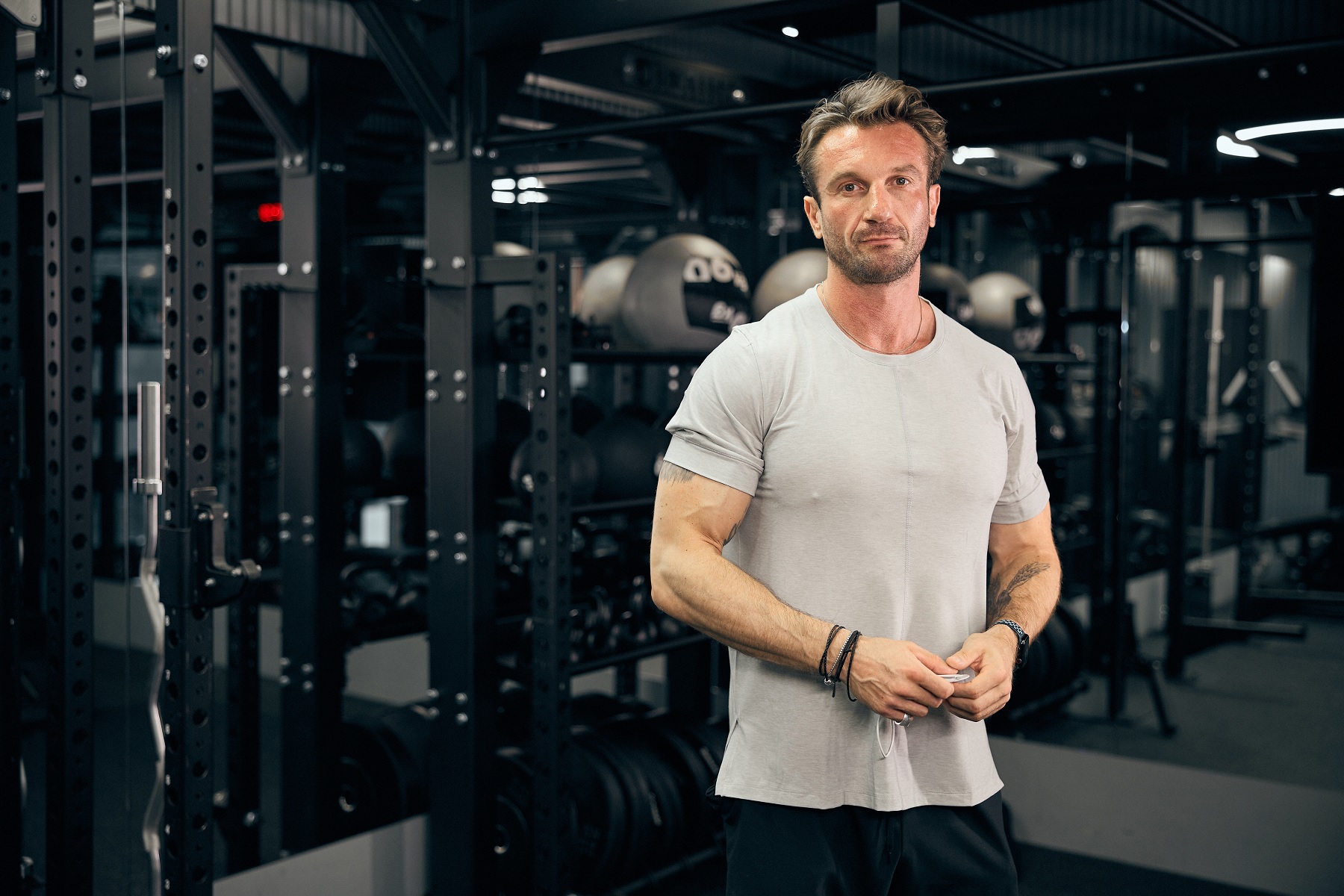
Elite PT and Firstbeat Life Ambassador Luke Worthington

Interview videos created with Firstbeat Life ambassadors Joey Bull, Shaq Porteous and Luke Worthington:

Is your brand launching an innovative product or service? If you need help with content creation, marketing, design, PR – or perhaps you are looking for consultancy with industry experts – then contact us. We have been working in the industry for decades, with companies of all sizes from small start-ups to multi-million pound turnover businesses: info@action-group.co.uk

Other examples of content we have shot:

Mind Body Predictions Report 2024

In a year marked by a growing emphasis on health and well-being, the fitness and wellness industry is poised to continue making some large transformations in the coming year. The latest Mind Body (& ClassPass) Predictions Report for 2023/24 provides invaluable insights into the evolving landscape of wellness trends. At Action Group, we’re excited to share some of the most compelling findings from the report, which offer a glimpse into the future of the industry.

1. Strength Training Takes Centre Stage

Strength training has emerged as a dominant force in the fitness world. Over 60% of consumers have incorporated weight or strength training into their routines, highlighting its growing popularity. Moreover, it’s becoming the primary focus for individuals dedicated to their fitness journeys. The benefits of strength training go beyond just building muscle – participants will experience enhanced mobility, flexibility, improved cognitive function, and reduced risks of cardiovascular disease, diabetes, and cancer. Notably, nearly 30% of consumers are exercising to lead long and healthy lives, with over a third embracing strength training specifically for longevity.

David Lloyd Delta – Small group PT sessions focusing on strength and fitness. Shot by Action Group

2. A Quest for Balance in Wellness Routines

Consumers are seeking balance in their wellness routines. While intense workouts like High-Intensity Interval Training (HIIT) remain popular, over 75% of individuals are incorporating low-intensity movement into their routines, such as walking, Pilates, and swimming. This quest for balance presents opportunities for brands to pivot their offerings and offer a broader range of wellness experiences, including strength training, yoga, and mindfulness practices.

Action Client Monique Eastwood has a wide range of exercise class offerings on her app for those looking to integrate more Pilates and yoga-based exercises into their regimes; whilst also offering more traditional HIIT workouts that feature dance-inspired movement, for a balanced exercise routine with both low and high intensities. 

3. Beauty and Wellness Events Foster Connection

Wellness is no longer just about personal health; it’s also about connection and community. An impressive 43% of consumers look to wellness as a means of forging deeper connections. Over 60% have either attended or expressed interest in attending events hosted at salons, spas, med spas, or wellness centres. This shift is demonstrated by establishments like hair salons transforming their spaces into inviting and comfortable environments, complete with bars, music, and entertainment, creating a holistic wellness experience.

4. Science-Backed Products and Services

Consumers are increasingly prioritizing research and expertise when it comes to wellness advice. This trend extends not only to beauty products but also to everything they put into their bodies. More than a third of consumers prioritize product effectiveness, while 23% prioritize clean and organic ingredients. Sustainability also ranks high, with 20% of consumers valuing eco-conscious products. This shift underscores the importance of evidence-based approaches in the wellness industry.

Squished use rescued berries that would be wasted to make their range of health snacks

5. The Crucial Role of Sleep Hygiene

Awareness of the importance of sleep is on the rise, with one in three Americans not getting enough sleep day-to-day. It is no surprise, then, that more than half of consumers are investing in products to enhance their sleep quality, reflecting a growing emphasis on sleep hygiene and its vital role in overall well-being. Wellness offerings such as saunas, cold plunging, and float therapy will likely see a rise in use with consumers focusing on the modalities that have stood the test of time.

6. Temperature Therapies and Preventative Wellness Strategies

Consumers are increasingly open to temperature therapies as a means of combating inflammation and promoting recovery. Almost a quarter of consumers have tried cold or heat therapies and 80% of those who do say they’re interested in trying them together. Combining different temperature therapies and working them into new preventative wellness strategies is gaining traction, reflecting a proactive approach to health and longevity.

Action Client CoreTx GO Palm Cooling – the latest performance enhancing offering direct from scientific literature. The device cools the palms to reduce exercise fatigue during a workout.

7. Boomers Start to Visit Boutique Fitness Studios

The Baby boomer generation is prioritizing wellness more than ever before, with over half of them considering it a top priority. Strength training has gained particular importance for this demographic, with more beginning to understand the value of fitness for general health. An age that most considered the ‘sunset stage’ of life, this age group are now much more active, and want to continue to be active. Fitness studios are responding with more class offerings tailored to the needs of boomers, providing education around equipment, and creating welcoming and less intimidating environments.

Conclusion of Mind Body Predictions Report:

The Mind Body Predictions Report for 2023/24 paints a dynamic picture of the evolving wellness landscape. As consumers prioritize strength training, wellness events, science-backed products, and holistic approaches to health, the industry has ample opportunities for growth and innovation. At Action Group, we’re excited to help our clients navigate these trends and capitalize on the evolving preferences of wellness enthusiasts. The future of wellness is diverse, inclusive, and firmly rooted in the pursuit of a balanced, healthy, and connected life.

If you’re looking for PR or Marketing support, or in need of business consultancy then get in contact with us: info@action-group.co.uk
What can you do to combat stress during even *more* unprecedented times?

stress

As the remnants of COVID-19 appear to be dwindling, new causes of stress have taken its place to uproot how we live our everyday lives. The increasing cost of living crisis paired with political uncertainty has slipped in the driver’s seat and taken the reins to steer us towards an increasingly stressful day-to-day existence.

It appears as though precedented times are becoming a thing of the past.

With more people heading back into work, it comes as no surprise that the most common cause of stress is work-related stress, with 1 in 6.8 people saying they experience mental health problems in the workplace (Mental Health Foundation). Almost 79% of people say they frequently feel stress in the workplace (Statista) which may explain the tremendous shift the workplace has seen over the past three years, with more people than ever deciding to take charge of their mental health and prioritise their wellbeing over other aspects of their career.

Though it may come as a shock to some, Gen Z’s reputation precedes them with research by the world’s largest corporate-wellbeing platform Gympass finding that they are actually the happiest and most hardworking generation. Gen Z is three times more likely to rank wellbeing at work as important compared to the older workforce and 75% are happy at work compared to 60% of older workers. We delved into the Gympass State of Wellbeing Report as well as the implications of the findings in more detail in our blog here.

So with this workplace transition, how are people are coping with stress and prioritising their overall wellbeing? It should come as no surprise that 42% of people turn to exercise to improve their mental wellbeing and 1 in 5 practice mindfulness, yoga or meditation (Perkbox). Whether you’re going to Ten Health and Fitness for a Pilates class, smashing the heavy bags at Blaze, or splashing around in the pool using the Zygo Solo, there is no denying the physical benefits exercise has on alleviating symptoms of stress.

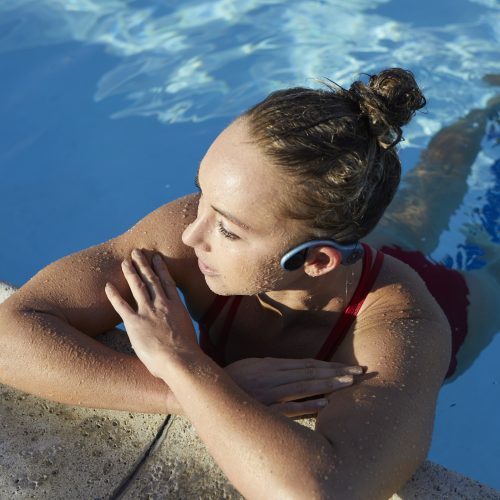
Zygo Solo

However, exercise goes beyond just offering physical benefits.

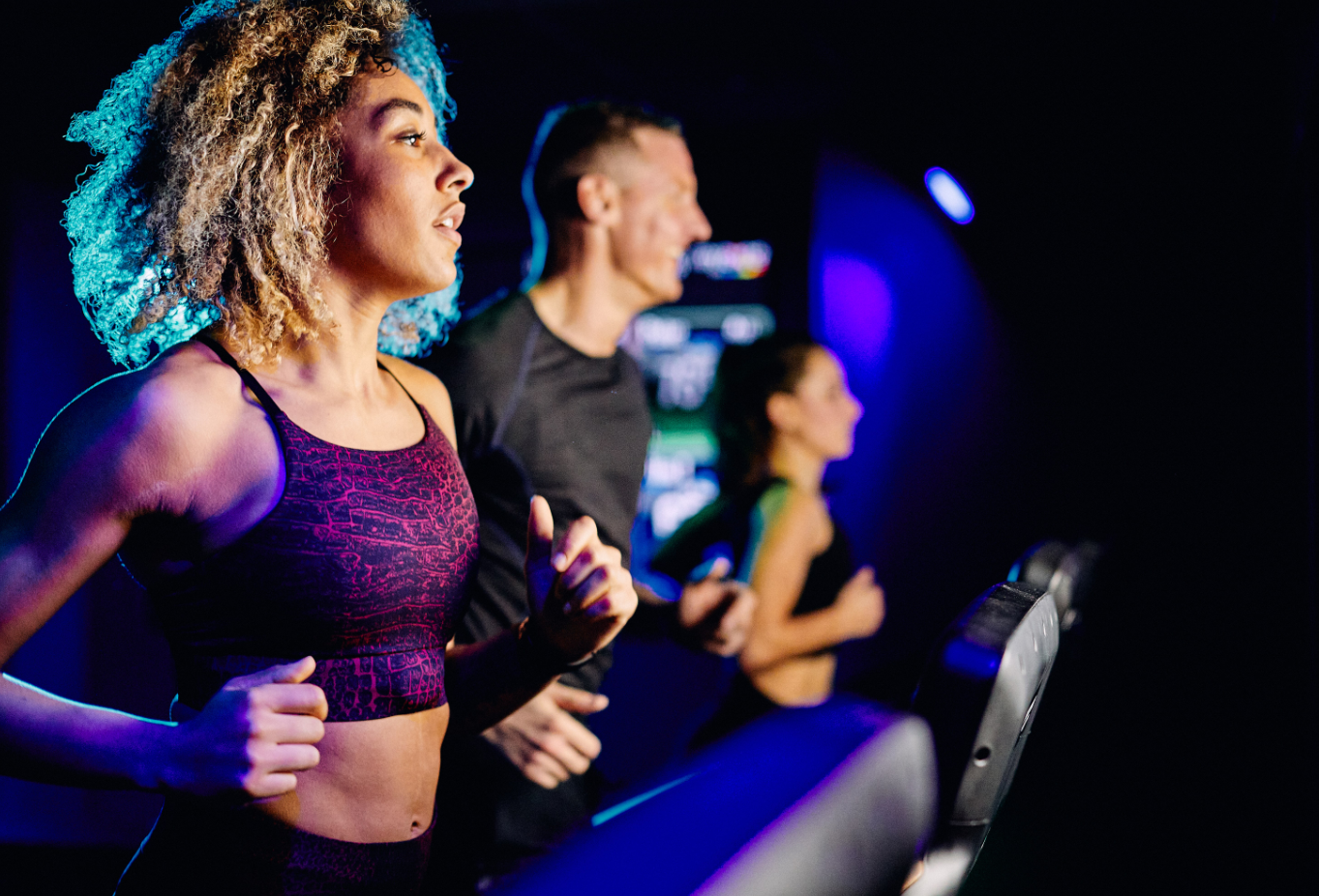
There is a lot to be said for the social interaction and group elements of exercise and how they can help towards improving overall wellbeing. For example, Orangetheory Fitness is a heart rate-based interval training, combining the use of treadmills, rowing machines and weights to provide a full-body workout. The group workout element of this studio provides a sense of community – with the workout being accessible to anyone regardless of age or fitness ability, the social interaction and support is enough in itself to help reduce the effects of stress.

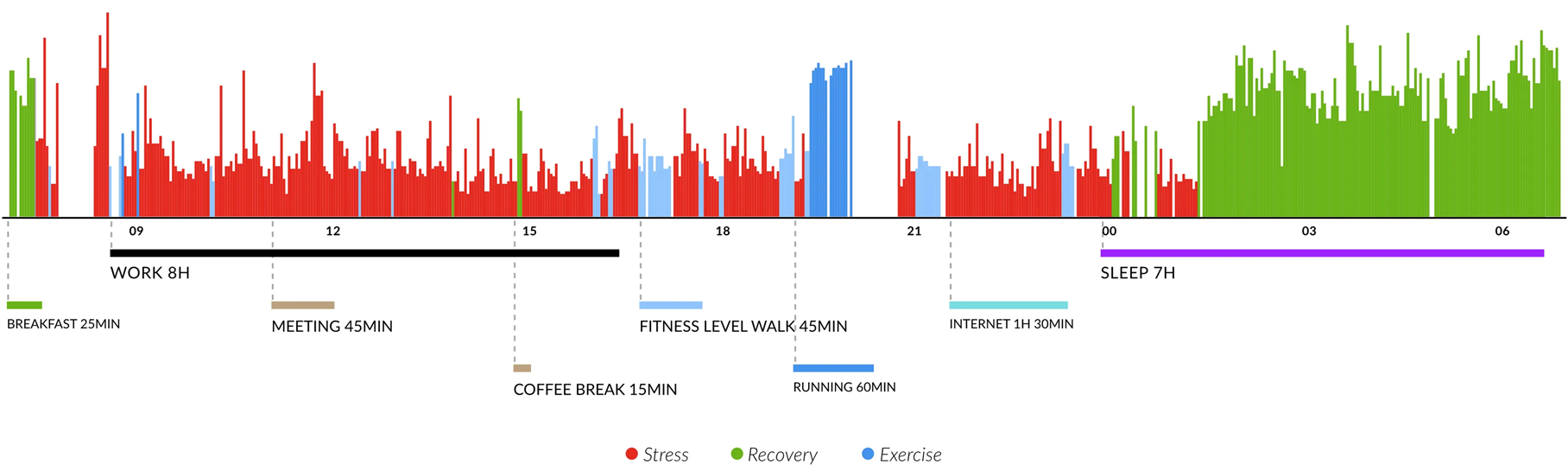
Whilst high-intensity exercise is very beneficial, it may not be suitable for everyone. There are now more people aged 50 and older in work or looking for work than since just before the pandemic (ONS) so for the older generation looking to relieve stress, low impact and joint friendly forms of training may be more appealing. Likewise high-intensity exercise may not be the solution to work-induced stress, especially if sleep and physical health are beginning to be affected. Firstbeat are leaders in Heart Rate Variability (HRV) monitoring and analysis, and HRV can be used to map our stress, recovery, sleep and exercise performance. A variety of factors have significant effects on HRV, such as: stress, sleep quality, hormones, physical activity, food intake, and alcohol. Firstbeat experts tell us that stress isn’t necessarily a bad thing, but it must be balanced with recovery; high stress levels that are unbalanced with recovery can lead to exhaustion, burnout and physiological complications.

Firstbeat HRV Data – Red = Stress, Green = Recovery, Blue = Exercise

This means that for certain populations a focus on wellbeing over exercise could be the direction to go in to alleviate symptoms of stress. By focusing on rest and recovery; achieving higher quality sleep, being aware of stressors, taking restful moments throughout the day could all help greatly improve stress-recovery balance. Self-care is a topic constantly trending and it appears as though the pressures to hit the gym six times a week are dying down – a majority of Generation Z are dedicated to making lifestyle changes to help prioritise their mental wellbeing and protect them from stress in the workplace.

Blaze Studio Birmingham

Beyond the mainstream methods of stress relief and physical activity, there are many day-to-day hobbies that can have the same effects as regular exercise. Whether it’s walking your dog every day, committing time to gardening or taking part in more unconventional activities like rock climbing – these can offer the same effects as an exercise class while appealing more to the things you find fun. Fun forms of fitness that don’t primarily feel like exercise could be the key to managing work-related stress and improving your overall wellbeing.

We are industry experts with decades of experience. As a full-service marketing agency we offer everything from consultancy, PR and brand photoshoots, to full website and app build. If you are a business in the health, fitness and wellness industry and looking to expand, grow and raise your profile then get in contact with us: info@action-group.co.uk

How important is employee wellbeing, really?

As a result of the pandemic, employee wellbeing rose up the ranks to top the list of priorities for many organisations, with a significant rise in flexible working and perks to support employees with their health and wellbeing. But now that life is more normal, with a challenging economic climate as a backdrop, how important is employee wellbeing for organisations, really? 

The answer, it seems, is very. In its inaugural State of Work-Life Wellness Report, Gympass, surveyed 9,000 workers around the world and learned that well-being is just as important as salary for 83% of global employees and 77% would consider leaving a company that doesn’t focus on well-being.  

For a long time, ‘success’ equated to a bigger salary, but more recently the definition of ‘success’ has expanded in the minds of many, becoming much more personal. Often now, discussion about roles includes the flexibility the job allows and the freedom it gives you, and perhaps most importantly, the impact it has on your mental health. 

This is no bad thing, but what has led to such a shift in attitudes? Perhaps it’s the influence of our younger colleagues… 

The State of Work-Life Wellness Report also found that, in the UK, three quarters of Gen Z employees are happy at work and most importantly, more engaged with their work compared to older generations. Far from what many stories would have you believe, this generation is not lazy – they are simply reassessing their relationship with work in a way that older generations never did. They are prioritising their own wellbeing and taking stock of what they want out of their employment. 

The link between happy and healthy employees, and improved productivity, has repeatedly been proven. So why are we seeing some organisations reversing the improvements made during the pandemic? Elon👀 

The State of Work-Life Wellness Report resoundingly proves just how important employee wellbeing is, and that rather than pursuing the mythical ‘Work-Life balance’, we should instead seek ‘Work-life wellness’, an attainable state of mind-body wellbeing that’s found at the intersection of life and work. It’s where life experiences in and out of the office interact to the benefit of employee happiness, health, and performance. Now more than ever before, leaders and businesses alike must understand this space. 

This also applies to those within the health and fitness sector, many of our clients already recognise the growing importance of working with the corporate market, creating a new revenue stream but also reaching those who don’t currently engage with any form of activity. From leisure centres like Everyone Active, to boutique fitness studios like Ten Health and Fitness, Action’s clients are increasingly offering access to their facilities to employees via Gympass, seeking to help.  

The Action team launched the report to media in the UK, working with the Gympass to curate the media story based on the report data, and delivering over 20 pieces of gold-standard coverage in the weeks since launch. 

You can read more about Gympass’ The State of Work-Life Wellness Report here. 

Get in contact with us today if you are looking for PR, Marketing, or Consultancy support: info@action-group.co.uk

Building a successful PT business – Tips from industry expert Luke Worthington

As part of our recent project work with Firstbeat Technologies, we interviewed one of the industry’s top Personal Trainers – Luke Worthington. As a PT for over 20 years, Luke worked up to coaching elite athletes across multiple disciplines, and now celebrities and actors. Luke has also spent considerable time working with some of the best brands in the business, including being Head of Education for London’s most premium gym, Third Space. This feature is dedicated to our interview with Luke and his views on building a successful PT business, you can read more about our work launching Firstbeat Life here. We worked to create proprietary content specifically for the UK market, working with Luke and additional PT ambassadors on multiple content shoots to deliver a range of photography and videography assets, along with SEO specific written content and decks for outreach.

Luke has seen the industry grow and develop, and most recently how it has been affected by COVID and the increasing numbers of fitness apps and online trainers. We spoke with him about building a successful PT business and how to stand out in the market.

“To build a successful PT business in the post COVID era, you have to be adding significant value to your service. So, any tool that enables you to have more interaction and more traction with your client is going to improve your buy in from the client…and the Firstbeat data allows you to do that.”

“The conversations I’ve been having with clients in recent years has been more about what’s happening outside of the gym and the impact that may have on their overall wellbeing as well as their physical. Through Firstbeat Life, I can measure heart rate variability which gives a very accurate way to track clients’ stress, recovery and sleep, therefore providing an indication of their overall wellbeing,” adds Luke.

Why tracking wellness data is important to build a successful PT business

Tracking the Heart Rate Variability (HRV) enables you to get incredible insight into stress-recovery balance. Tracking HRV in the PT industry opens up incredible possibilities for trainers to give their clients accurate and detailed advice.

“That is why using the device has changed and improved my offering. It enables me to move from having anecdotal conversations about someone’s state of wellbeing through to being able to show them actual numbers and information. The more information you are able to provide a client, the more likely they are able to successfully adhere to a programme.”

“An example that I found with a client of mine is, he has a six month old baby which, as babies do, wakes up a lot during the night. He’d been quite adamant that this whole process was very stressful for him. So he was certain that, and I was similarly sure actually, that his data would look like lots of big red spikes [of stress]. However when he was getting up throughout the night to attend to the baby, it actually didn’t, so what it looked like was a little red spike. So a little stressful period when he was actually being woken up, but then the process of attending to the baby and getting the baby back to sleep actually was quite restorative to him, which is quite a heart-warming story really. But what it helped us to understand together, was how important it is to actually match that data to what you were doing. So actually his process of bonding with his son is very restorative to him. But the process of being woken up is not, so waking up throughout the night is, yes, it is a stressful thing to happen to us, but the but the reason why we are being woken up is, is quite important.”

While successful personal trainers are skilled in creating unique training plans that complement the abilities of each client, having access to the Firstbeat Life data means these plans can be tailored to respond to the client’s health metrics on any given day.

How data improves your PT service, before the session has even begun

Being able to see your client’s data is invaluable.  PTs usually rely on verbal communication from the client at the beginning of the session to determine their energy levels and readiness. With Firstbeat, it is possible for trainers to analyse their clients physiological data, stress and recovery levels ahead of the session – helping to inform their decision on the training plan.

“Training time has been another interesting discussion point with my clients since implementing Firstbeat Life. What we’re seeing is not necessarily that they’re over training, but they’re under recovering. So we’re having to make some different choices about what that workout might look like. So the workout might still happen, but it might happen at a different intensity to one that we might have scheduled.”

“I can see the data before I meet with clients and think, ‘Right, I’ve already changed the plan because I already know that you’re not feeling it’ before I’ve even met you, that is very useful.”

If you’re a brand in the health, fitness and wellness industry and looking to grow, launch a new product or service, or have some captivating content shot then get in touch with us: info@action-group.co.uk
The Future of Tech in Wellness

tech in wellness

We recently attended a talk with leading health, wellness and fitness brands in London, where the state of the industry was being discussed as well as current and future trends. Tech is, as ever, a huge topic of debate and its future is one everyone is keeping a close eye on. If you are interested in the topic of fitness and tech, check out our blog about Les Mills’ foray into the VR world here, where they launched the BODYCOMBAT VR app which fuses globally renowned trainers with Virtual Reality technology.

Below is a breakdown of what expert panellists Keith Leddington, Suba M and Fiona Sweny have predicted for the future of tech in wellness. Leddington is the Director of Partnership at FitXR, a virtual reality workout app that combines fitness with gaming through either boxing, dancing or HIIT training. Both Suba M and Fiona Sweny work at health and wellness brand Holland and Barrett – Suba M is the Director of Science while Sweny is the Journeys Science Lead.

Growing popularity of Apps

During the discussion, the panellists agreed that one of the most notable advances of tech in wellness is the increasing popularity of fitness apps. With over 71,000 health and fitness apps launched in 2020, there is no denying the impact that fitness apps have had on the industry, especially in the last few years. This prompted the question about whether the connectivity between wellness apps and healthcare providers is giving people the access to help they require. Suba M pointed out that the data collected by these apps is becoming more detailed as time goes on which could give users more insight into their health and associated risks.

We worked with Hackney-based boutique fitness brand The Refinery on their Refine with ALFI app, a virtual fitness app which allows users to create their own avatar-instructor, decide what type of exercise class they do and what music they want to listen to, in an inclusive and non-judgemental environment enabled by the avatars. We supported their team in the launch of their app which takes personalisation and detail to the next level, you can read more about this here. The panel went onto discuss that, despite the increasing popularity of these fitness apps, there is a reasonable argument to suggest that the technological transformation of the fitness industry could inadvertently fuel social media addictions and therefore actually hinder the future of tech in wellness. It’s undeniable though, if new apps and avatar-instructed fitness classes are encouraging more people to exercise, then that is a great result.

Wearables

As a secondary point, the panel discussed the demand for fitness tech in the form of wearables such as watches and monitors. The host asked the question, are wearables becoming more popular than wellness/fitness apps? The panellists argued that, though there are less of them compared to the influx of apps we see daily, wearables tend to gain more traction and are arguably more fine-tuned to individuals compared to inputted data on an app. Back in April, we delved into hyper-personalisation and how it is changing the fitness landscape through fine-tuned data, and you can read all about this here.

tech in wellness

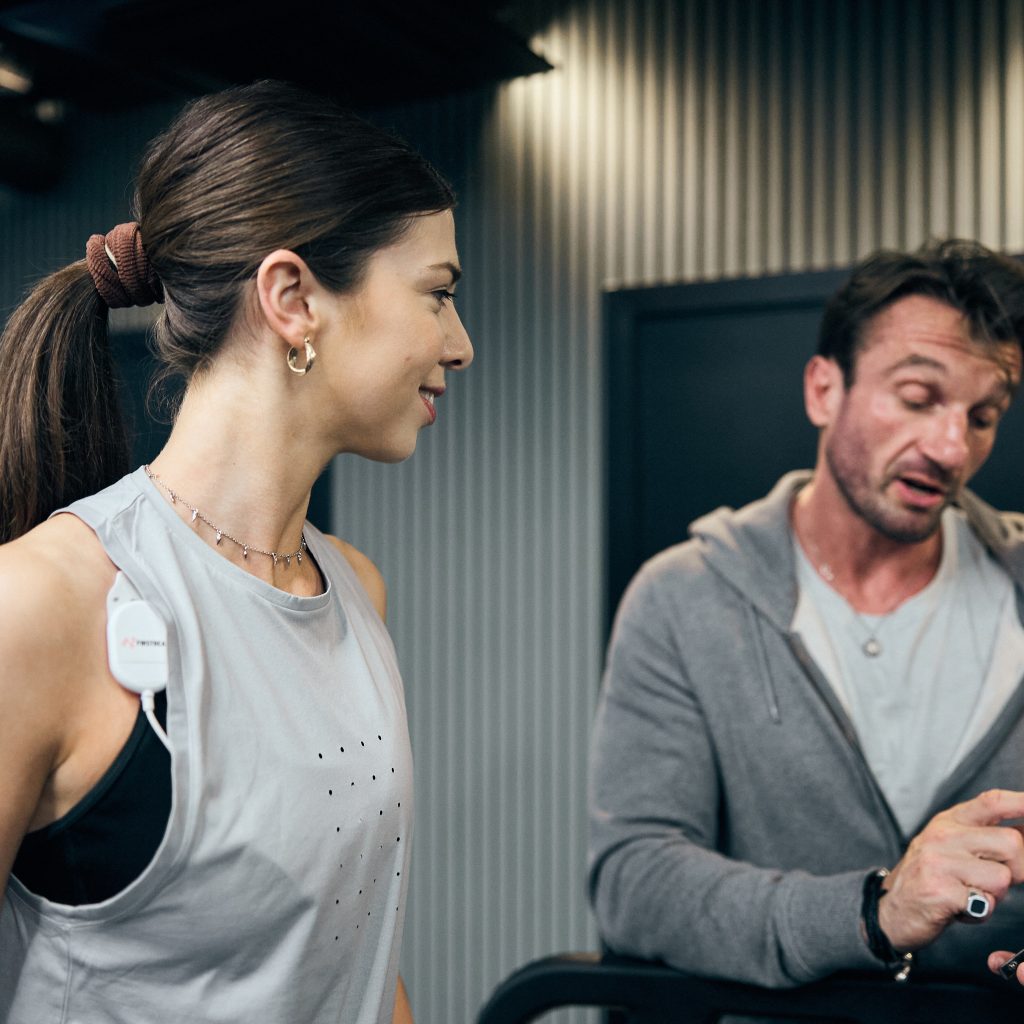
We also recently worked with Firstbeat for the launch of their newest Heart Rate Variability (HRV) monitoring tool, which uses a clinical-grade ECG heart rate monitor to track heart activity and provide a detailed analysis of stress, recovery, sleep and exercise performance. This service is specifically designed for Personal Trainers to offer to their clients, enabling them to offer them the most personalised training ever. These highly accurate wearables will scientifically upgrade a PTs service, and therefore improve the wellbeing and lifestyle of the wearers. You can read more about our work launching Firstbeat Life here.

Wearables are also increasing in popularity outside the scope of fitness – many wellness wearables focus on sleep patterns and stress levels as opposed to just calories or step count. Google Trends data shows that searches for “stress trackers” increased by 80% between January 2020 and March 2022, with sales up by roughly 20% during the same period, showing that the demand for wearables for wellness is still rising.

The panel also mentioned that despite the fact that many people are wearing some kind of wearable tracker regardless of fitness level, it could be argued that monitoring health/wellness in this removes the fun and makes it too competitive. However any wearable that makes the wearer more mindful of exercise, more aware of their fitness level and positively encourages them to move if they need to is a good thing. Research from the University of South Australia found that wearing fitness/activity trackers motivates people to walk up to 40 minutes more each day and resulted in an average weight loss of 1kg over 5 months which demonstrates the effectiveness and accuracy of smart technology in exercise.

The Potential for AI and VR

Many companies are introducing AI and Virtual Reality as alternative methods of training which is the most technologically advanced form of training the industry is currently seeing. You can check out our blog on the rise of AI influencers and how they are changing the norm of social media here. The gaming industry has been booming amongst the younger generation for many years now, so there is an argument to be made that the combination of gaming technology with fitness could motivate more people to exercise.

tech in wellness

The idea of VR for exercise could also extend the fitness community, allowing people to combat loneliness by finding friends and in turn improving their overall wellness. Though the sense of community could increase for the better, the panel pointed out that all VR communication is spoken so it’s harder to moderate what is being said which runs the risk of negativity and harm being spread across the platform.

Final verdict

The impact and future of tech in wellness is undeniable, with almost every brand and business seamlessly integrating some form of tracker or app into their practice. They are certainly increasing in popularity, with a Poll by YouGov showing that 30% of all adults across the country own and regularly use some form of wearable fitness device. These fitness trackers were most popular with adults aged between 25-49, with 39% saying they use a wearable device. In this same poll, 53% of adults say that they have never owned any form of wearable device, but could this figure begin to decrease as the innovations within the industry continue to progress?

If you have an innovative product or service in the health, fitness and wellness industry and want to see yourself on a future trends report, or looking to grow and make your mark on the industry then get in touch with us. We are experts in consultancy, marketing, PR and advertising, so whether you’re a small business or a multi-million pound turnover one, we can help you. Email us: info@action-group.co.uk
How to make technology which takes care of the people who use it

Recently, our wonderful client Rohan Gunatillake, creator of best-selling mindfulness app buddhify was profiled in The Independent in an in-depth piece on responsible tech design. In addition to creating amazing apps, Rohan also has a passion for building practices of mindfulness into technology so that the wellbeing of the people who use it is being supported. He’s optimistic, but realistic. He knows, for example, that Instagram isn’t likely to become a positive mental health platform, but he hopes it can at least be less shit. In this post, he talks a little more about how technology creators can support wellbeing, not degrade it.

As a creator of mindfulness meditation apps, I work in the unique space where technology and wellbeing intersect. Technology gets a lot of negative press in terms of its impact on our wellbeing, and it’s true that many tech products cause us distraction and stress. Some companies fail to understand the impact their products have on those who use them. Others may deliberately use this knowledge to trap our attention and farm it for commercial gain. Yet the tech sector has somehow made this our problem, not theirs. We blame young people for being addicted to their phones, but addictive behaviours are cultivated by technology companies, because they bring in money. By catching our attention and then monetising it, whether by selling it to advertisers or manipulating you to make a one-off or subscription-based payment. As a solution, we’re told to try ‘digital detoxes’, which merely promote a ‘binge and restrict’ cycle.

So where do we go from here? Do we resign ourselves to the fact that we are a nation of people addicted to our smartphones? Contrary to what you may think, it is highly possible for tech to support our wellbeing instead of damaging it, by stitching the ideas and practices of mindfulness into it. The premise of mindfulness is that by training our attention in certain ways, we can develop qualities such as:

  • self-awareness
  • calm
  • kindness
  • concentration

Tricks to trap consumers’ attention, such as Netflix’s autoplay feature and Instagram’s infinite scroll of images, have become so routine that designers rarely think about the impact they have. It is possible to make changes to products without sabotaging their primary revenue models. Instagram is unlikely to move away from being an advertising company, but given its massive scale, if it made minor changes that help us feel better about ourselves, it could have more global impact than a conventional mental health campaign. Although it depends on the specifics of a product as to what improvements can be made, there are some general principles:

  • discouraging addictive users
  • avoiding attention traps
  • reducing social anxiety
  • making it easier for users to make their own choices
  • providing a sense of completion and an option to disengage

When a company prioritises wellbeing, it improves relationships with customers, adds a competitive difference, and become more attractive to talent. While it is unlikely that a technology that’s having a negative impact will magically transform itself into being actively good for us, the ambition should be for it to at least be neutral. If you have millions of users, avoiding harm is a massive result. Public conversation about technology and mental health will reach a point where people say enough is enough when it comes to their attention being written off as collateral damage in the digital economy. People need to realise that mindfulness isn’t just a personal wellbeing tool; if they let it impact the products they make then they can change the world – and this time for the good.

To find out more about Rohan’s vision for responsible tech design, go to https://www.designingmindfulness.com