Real influencers – Action RAW Code of Conduct

models and influencers

Over recent months, we have seen a huge increase in brands wanting to deploy influencer campaigns to raise awareness and engagement amongst millennial and Gen Z audiences. Influencer campaigns are of course nothing new, but the strategic debate has moved on from whether to use a micro Vs Mega influencer, to questioning the authenticity and integrity of the images they actually produce. Raw and real influencers are becoming harder to find as trends are changing constantly.

The damage online content can have on mental health is irrefutable, with many of the globes biggest digital influencers altering their images to fit with current beauty trends: bigger bums, smoother skin, thinner noses, larger lips…setting an impossible beauty standard for our nation’s youth.

Following the inspired recent announcement by Ogilvy, who refuse to work with influential tastemakers who digitally alter their images, and the #bodyimagebill created by Dr Luke Evans that calls for brands and media outlets to display a logo where bodies have been digitally altered, we at Action Group stand by this movement. We commit to reinforce change, and challenge unrealistic beauty standards as a result of digital filters.

Our work with genetically personalised nutrition brand NGX

Recent NHS Digital data for England shows an estimated 1.25 million people in the UK are suffering from anorexia or bulimia, and more than one million are using steroids or image-enhancing drugs.

Last year, a government inquiry into body image found concerns about the way people look now “start younger, last longer, and affect more people than ever before”.

61% of adults and 66% of children feel negative, or very negative, about their body image “most of the time”, a Girlguiding survey found.

51% of 7-10-year-old girls feel “very happy” with how they look, but by age 11-16, when most girls start to use social media, this drops to just 16%.

In 2017, 88% of girls aged 11-21 said they wanted adverts that had been airbrushed to say so.

Depressing stats…
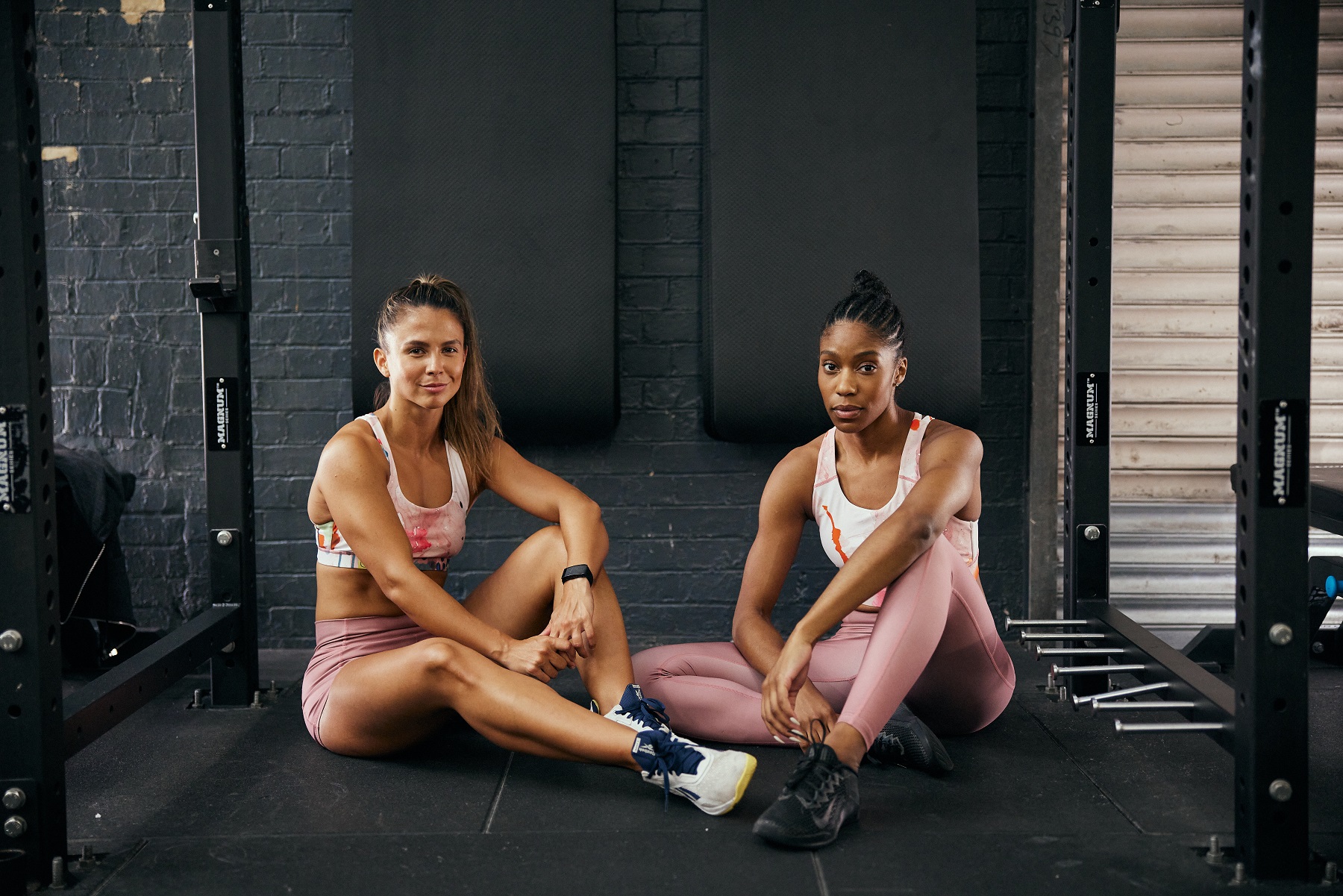
Our work for female fitness clothing brand TwoFit

As custodians of many fitness, sports and wellness brands, we must uphold a new code of ethics that fundamentally opposes the bombardment of young people with digitally altered bodies and faces in campaigns, making them feel like they should look a particular way. To play our part in this important change, we launch the Action Group RAW code of ethics in influencer engagement:

We refuse collaboration with any influencers who filter, or alter their face or body in social media content:

Retouched images from influencers across proprietary digital channels won’t be considered

Authentic influencers with genuine relevance and images that portray a true likeness to themselves will only be used across our campaigns

Warped, edited, FaceTuned or filtered content will not be used by either us, or our influencers’ content for any brand campaigns

Our work for David Lloyd

Having worked with multiple influencers in our world of health and fitness, we know just how damaging unrealistic body ideals can be, and we vow to make our digital world a more transparent place.

Check out some of our recent influencer campaigns here:

Les Mills: Pursuit of a Fitter Planet Press Event

Shooting content for NGX

Shooting content for Built for Athletes

Auster’s collective of brand ambassadors

How to create effective brand collaborations (which Press, and Consumers love)

MoreYoga and Everyone Active

Nothing excites people quite as much as two of their favourite brands coming together to create something new and exclusive. However, creating effective brand collaborations is a lot easier said than done. The trick, of course, is to create brand collaborations that will get traction with the press but also get people talking about a topic, long after the original story appears.

Recently, we did exactly this with an event we created for two clients: Everyone Active (one of the UK’s largest Leisure centre operators) and MoreYoga (London’s biggest boutique yoga brand).

We called the event Ascent & Asana and ran it during Mental Health Awareness Week. It was centred on mindfulness and exercise to aid mental wellbeing. This is important, as this was the press hook – a topic we knew press and consumers were interested in.

But a press hook is not enough. Successful brand collaborations need to align with the vision of the clients and be interesting to consumers. When done well, the impact can be significant.

Here are three reasons our recent collaboration was a success…

MoreYoga and Everyone Active

Missions Aligned

We decided to align two exercise mediums that both invoke mindfulness: climbing and yoga. As each respective client offers these workout options, the brand synergy was immediate. Both brands agreed to offer these sessions with their experts, free of charge, therefore there was no barrier to entry for the consumer and brand awareness would increase.

MoreYoga and Everyone Active

Spokesperson with synergy

The next step in creating a PR event that is memorable and impactful is to add a personal touch. For Ascent & Asana, we asked British mountaineer and the youngest person to have climbed Everest and reach the North Pole, Bonita Norris to host the event. Bonita’s journey from a young woman with an eating disorder to a skilled mountaineer provided the perfect backdrop for talking to the attendees about why mental health and exercise are so important to one another.

MoreYoga and Everyone Active

Adding value

Bonita’s presence at the event added a whole new dimension to the collaboration. Not only was her talk heartfelt and insightful but also inspiring. Bonita’s organic interest in climbing and yoga encouraged attendees to try both elements of the event with gusto. After trialing both workouts and hearing from Bonita, all attendees were then given vouchers to attend more classes with each respective brand, as well as images from the official event photographer, to share on social media.

MoreYoga and Everyone Active

The event’s success was palpable, with another one planned to run in next few weeks due to popular demand. Both brands saw the return on investment for their time and consumers gave positive feedback.

To hear more about the next Ascent & Asana event, which is scheduled for the 6th June – please email events@actionpr.co.uk

Today’s the day to talk about Mental Health

A young woman suffering from depression is consoled by her friend

Written by Katherine Selby, Account Director

Working in the wonderful world of PR, I’m no stranger to the ‘National Day’ phenomenon – just this month, if the fun listings are to be believed, we have National Pistachio Day, National Walking The Dog Day, National Tortilla Chip Day and, of course, Groundhog Day.  All entertaining enough but now I have your attention let me tell you that today, Thursday February 7, 2019 is #TimeToTalk Day.

Time to Change

It is brought to us by @TimeToChange, a growing social movement working to end mental health discrimination by changing the way we think and act about mental health problems.

Mental Health awareness is, thankfully, enjoying an increasing amount of attention but not before time.  Statistically, one in four of us will fight a mental health problem in any given year. Mental ill-health doesn’t discriminate: it can affect anyone. A huge problem with mental ill-health is the stigma attached to it which makes people wary of admitting their problem – especially in the workplace – as they fear the consequences.   Time To Change highlights that mental ill-health is the leading cause of sickness absence in the UK, costing an average of £1,035 per employee per year. Ironically, 95% of employees calling in sick with stress gave a different reason – is that through embarrassment, shame, fear or simply thinking they won’t be taken seriously or understood?

Employer Pledge

Time To Change is looking to change things in the workplace by asking businesses to sign an Employer Pledge.  This is not a quick tick box exercise – it’s an absolute commitment to change how employers think and act about mental health in the workplace to support their staff.  More than 900 employers have signed the pledge so far from start-ups to FTSE 100 companies to Government departments. Among them is our inspirational client Active IQ – which has worked tirelessly to develop a Mental Health First Aid qualification to help people understand mental health issues and learn how to spot the symptoms and signpost to help.

People are talking more about mental health these days but, despite growing awareness, misunderstanding and stigma remain. You may like to test your own knowledge with this quick 15-question quiz.

Meanwhile, let me leave you with this thought.  Like National Walking The Dog Day, #TimeToTalk day should be EVERY day.  Starting today. Check out  https://www.time-to-change.org.uk/ for support on how to start a conversation at work or at home with colleagues, friends and family.  They, like I, will thank you for listening.

How to make technology which takes care of the people who use it

Recently, our wonderful client Rohan Gunatillake, creator of best-selling mindfulness app buddhify was profiled in The Independent in an in-depth piece on responsible tech design. In addition to creating amazing apps, Rohan also has a passion for building practices of mindfulness into technology so that the wellbeing of the people who use it is being supported. He’s optimistic, but realistic. He knows, for example, that Instagram isn’t likely to become a positive mental health platform, but he hopes it can at least be less shit. In this post, he talks a little more about how technology creators can support wellbeing, not degrade it.

As a creator of mindfulness meditation apps, I work in the unique space where technology and wellbeing intersect. Technology gets a lot of negative press in terms of its impact on our wellbeing, and it’s true that many tech products cause us distraction and stress. Some companies fail to understand the impact their products have on those who use them. Others may deliberately use this knowledge to trap our attention and farm it for commercial gain. Yet the tech sector has somehow made this our problem, not theirs. We blame young people for being addicted to their phones, but addictive behaviours are cultivated by technology companies, because they bring in money. By catching our attention and then monetising it, whether by selling it to advertisers or manipulating you to make a one-off or subscription-based payment. As a solution, we’re told to try ‘digital detoxes’, which merely promote a ‘binge and restrict’ cycle.

So where do we go from here? Do we resign ourselves to the fact that we are a nation of people addicted to our smartphones? Contrary to what you may think, it is highly possible for tech to support our wellbeing instead of damaging it, by stitching the ideas and practices of mindfulness into it. The premise of mindfulness is that by training our attention in certain ways, we can develop qualities such as:

  • self-awareness
  • calm
  • kindness
  • concentration

Tricks to trap consumers’ attention, such as Netflix’s autoplay feature and Instagram’s infinite scroll of images, have become so routine that designers rarely think about the impact they have. It is possible to make changes to products without sabotaging their primary revenue models. Instagram is unlikely to move away from being an advertising company, but given its massive scale, if it made minor changes that help us feel better about ourselves, it could have more global impact than a conventional mental health campaign. Although it depends on the specifics of a product as to what improvements can be made, there are some general principles:

  • discouraging addictive users
  • avoiding attention traps
  • reducing social anxiety
  • making it easier for users to make their own choices
  • providing a sense of completion and an option to disengage

When a company prioritises wellbeing, it improves relationships with customers, adds a competitive difference, and become more attractive to talent. While it is unlikely that a technology that’s having a negative impact will magically transform itself into being actively good for us, the ambition should be for it to at least be neutral. If you have millions of users, avoiding harm is a massive result. Public conversation about technology and mental health will reach a point where people say enough is enough when it comes to their attention being written off as collateral damage in the digital economy. People need to realise that mindfulness isn’t just a personal wellbeing tool; if they let it impact the products they make then they can change the world – and this time for the good.

To find out more about Rohan’s vision for responsible tech design, go to https://www.designingmindfulness.com