How TikTok changed fitness marketing forever

For years, fitness marketing followed a fairly predictable playbook. Brands sold aspiration through polished imagery, celebrity endorsements and dramatic transformation stories. Campaigns were meticulously produced, messaging was tightly controlled and consumers were expected to admire the lifestyle being presented before eventually buying into it.

Then TikTok arrived.

Almost overnight, the platforms that had rewarded perfection began rewarding authenticity instead. Suddenly, a personal trainer filming a workout between clients could outperform a professionally produced campaign, while an honest review of a local gym could generate more engagement than a glossy brand advert.

TikTok didn’t just introduce another social platform. It fundamentally changed what people expected from fitness brands, and in doing so, reshaped the industry’s marketing strategy forever.

Authenticity became the new currency

Perhaps the biggest shift TikTok brought was the end of perfection as the ultimate goal.

Consumers no longer expect fitness brands to present an unattainable lifestyle. Instead, they want to see real people, real routines and real experiences. They connect with trainers who admit they occasionally skip workouts, runners documenting their first marathon rather than their fiftieth, and nutritionists who explain that sustainable habits will always outperform quick fixes.

That doesn’t mean production quality no longer matters. It means audiences are far more interested in content that feels genuine than content that feels manufactured.

For brands, authenticity is no longer a creative choice, it’s a commercial necessity.

Expertise now has to earn attention

One of TikTok’s greatest strengths is its ability to make education entertaining.

Fitness has become one of the platform’s biggest knowledge-sharing communities, where trainers, physiotherapists, coaches and nutritionists break down complex topics into content people actually want to watch.

Whether it’s debunking workout myths, explaining why recovery matters or reacting to the latest viral trend, expertise has become one of the most powerful forms of content.

The difference is that expertise can no longer hide behind jargon or lengthy explanations. It has to be engaging, accessible and relevant enough to stop someone scrolling.

The brands winning attention today aren’t simply promoting products, they’re consistently providing value.
Fitness became part of culture, not just health

TikTok has also expanded what fitness actually means; a decade ago, most fitness content revolved around weight loss or muscle gain. Today, the conversation stretches far beyond the gym floor.

Fitness is now linked with workplace wellbeing, mental health, sleep, recovery, longevity, productivity, wearable technology, fashion and even travel. Someone might discover a new workout because it supports better focus at work, helps them sleep more deeply or improves their mental wellbeing rather than because they want visible abs.

That cultural shift has transformed the role of fitness brands because they’re no longer speaking solely to gym enthusiasts, rather they’re speaking to anyone interested in living better.

Communities matter more than follower counts

TikTok also changed how influence works.

For years, brands chased the biggest creators they could afford. Today, many of the most successful campaigns are built around smaller creators with highly engaged communities.

Consumers don’t automatically trust the person with the largest audience. They trust the person who consistently provides useful advice and feels relatable.

That’s particularly true in fitness, where credibility matters. A local coach with a loyal community can often have more influence over purchasing decisions than a celebrity with millions of followers. In short- the conversation has shifted from reach to relevance.
Brands have to move at the speed of culture

Perhaps the biggest challenge TikTok created is the pace at which conversations now evolve.

Fitness trends emerge almost overnight. One week everyone is talking about Hyrox, the next it’s Japanese walking, cold plunges, Zone 2 cardio or the latest wearable technology, and many brands feel the temptation to chase every trend.

The smarter approach is understanding which conversations genuinely align with your brand and adding something valuable to them. Audiences quickly recognise when brands are forcing themselves into trends that don’t fit.

The future belongs to brands that participate

The biggest misconception about TikTok is that it changed social media, when in reality, it changed consumer expectations and experiences.

People now expect brands to educate rather than advertise, participate rather than broadcast and contribute something meaningful before asking for attention.

The fitness brands building long-term success aren’t creating content because the algorithm demands it. They’re creating content because it answers questions, starts conversations and helps people navigate an increasingly complex health and wellness landscape.

The platform may evolve and new social channels will inevitably emerge, but that mindset is unlikely to disappear.

What this means for fitness brands

The lesson for marketers isn’t that every fitness brand needs to dance to trending audio or recreate every viral format, it’s that consumers have fundamentally changed what they value.

At Action Group, we help brands understand those shifts before they become mainstream. Whether through PR, influencer partnerships, social-first campaigns or culturally relevant storytelling, our focus is always the same: creating work that people genuinely want to engage with rather than simply interrupting their feeds.

Because TikTok didn’t change fitness marketing by making it louder- it changed it by making it feel more human.


Launching Trust Your Trainer: Taking on fitness misinformation with Active IQ

In an era where anyone with a smartphone and a social media account can position themselves as a fitness expert, the challenge of separating credible advice from potentially harmful misinformation has never been greater.

That’s why we were delighted to support Active IQ in the launch of Trust Your Trainer, a national campaign designed to tackle the growing issue of unqualified health and fitness advice online and champion the role of properly qualified professionals across the sector.

The Challenge

The rise of social media has transformed how people access health, fitness and wellbeing advice. While this has created significant opportunities for education and engagement, it has also opened the door to a growing volume of misleading, inaccurate and, in some cases, dangerous content.

From extreme diet trends and unrealistic body transformation claims to unsafe workout advice and unregulated coaching services, consumers are increasingly being exposed to content that prioritises engagement over expertise. Active IQ recognised that the industry needed a stronger voice to address the issue and advocate for higher standards online.

The organisation’s ambition was clear: create a movement that would not only raise awareness of the risks associated with fitness misinformation but also push for meaningful change across the industry and social media platforms themselves.

The Insight

The fitness industry has spent decades professionalising standards, qualifications and career pathways, yet online, expertise and influence are often treated as the same thing.

As more consumers turn to platforms such as TikTok and Instagram for fitness guidance, the gap between qualified professionals and unregulated influencers continues to widen. Research highlighted by the campaign showed that much of the diet and exercise advice circulating on social media is misleading, harmful or lacking important context, creating confusion for consumers and undermining trust in qualified practitioners.
For Active IQ, the opportunity was not simply to highlight the problem, but to lead a positive solution.

The Idea

At the heart of the campaign sat a simple but powerful proposition: Trust Your Trainer.

Working closely with the Active IQ team, we helped shape a campaign designed to elevate qualified professionals and encourage greater accountability within the online fitness space.

Central to the activity was the launch of an industry manifesto calling on social media platforms to introduce a trust mark for qualified fitness professionals. The proposed trust mark would provide consumers with a simple way to identify whether the person sharing health and fitness advice holds recognised qualifications, helping them make more informed decisions about who they follow and trust online.

Alongside the manifesto, the campaign sought to unite training providers, employers, operators, fitness professionals and wider industry stakeholders behind a shared call for change.

Bringing The Campaign To Life

Our role focused on transforming an important industry issue into a compelling media narrative capable of engaging both trade and consumer audiences.

We developed the campaign story, media positioning and communications strategy, helping Active IQ frame the conversation around consumer safety, professional standards and the growing influence of social media on health behaviours.

A key part of the launch centred around real-life experiences from Active IQ ambassadors, including personal trainer Robyn Drummond, whose own experiences with misinformation and unqualified coaching highlighted the very real consequences that poor advice can have on physical and mental wellbeing. Her story provided a powerful human dimension to a broader industry challenge.

By combining industry advocacy with authentic lived experience, the campaign was able to move beyond statistics and create a conversation that resonated with fitness professionals, policymakers, media and consumers alike.

Why It Mattered

Trust Your Trainer was about more than qualifications, it was about consumer protection and restoring confidence in credible expertise.

And it was about ensuring that the professionals who invest time, money and effort into developing recognised skills are given the visibility and recognition they deserve.

As AI-generated content, influencer culture and algorithm-driven recommendations continue to shape health behaviours, the importance of trusted expertise has never been greater. Trust Your Trainer positioned Active IQ at the forefront of that conversation, reinforcing its role as a leading advocate for professional standards, workforce development and consumer wellbeing across the active leisure sector.

The Result

The campaign generated industry-wide discussion around misinformation, professional standards and the future of trusted health and fitness advice online.

Most importantly, it gave the sector a clear rallying point. A movement that brought together qualified professionals, employers, training providers and industry bodies around a shared belief that when it comes to health and fitness advice, expertise should matter more than follower count.

For Active IQ, Trust Your Trainer wasn’t simply a campaign launch. It was the beginning of a long-term movement designed to help consumers make safer choices and ensure qualified professionals remain at the heart of the fitness industry’s future.

If you’re looking for powerful campaigns that make an impact, get in touch: info@action-group.co.uk

Creating power brand assets for Village Gym


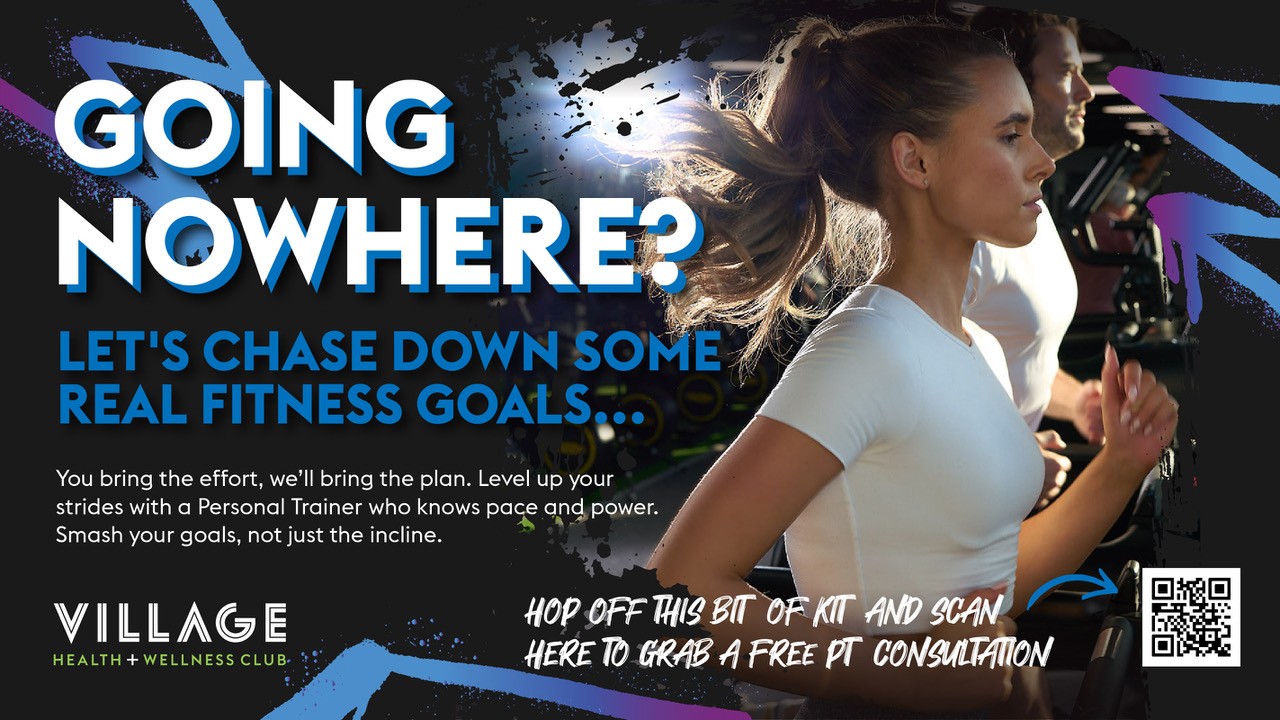
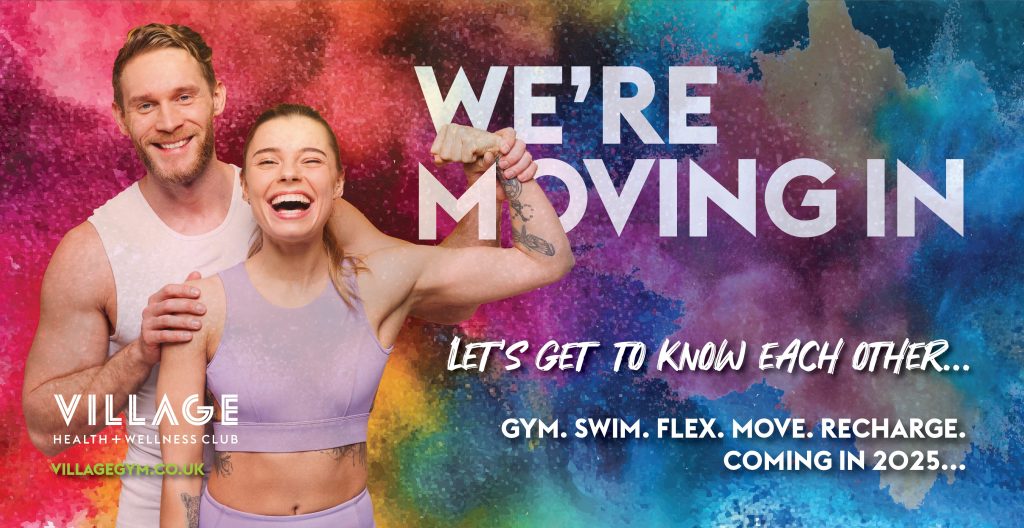
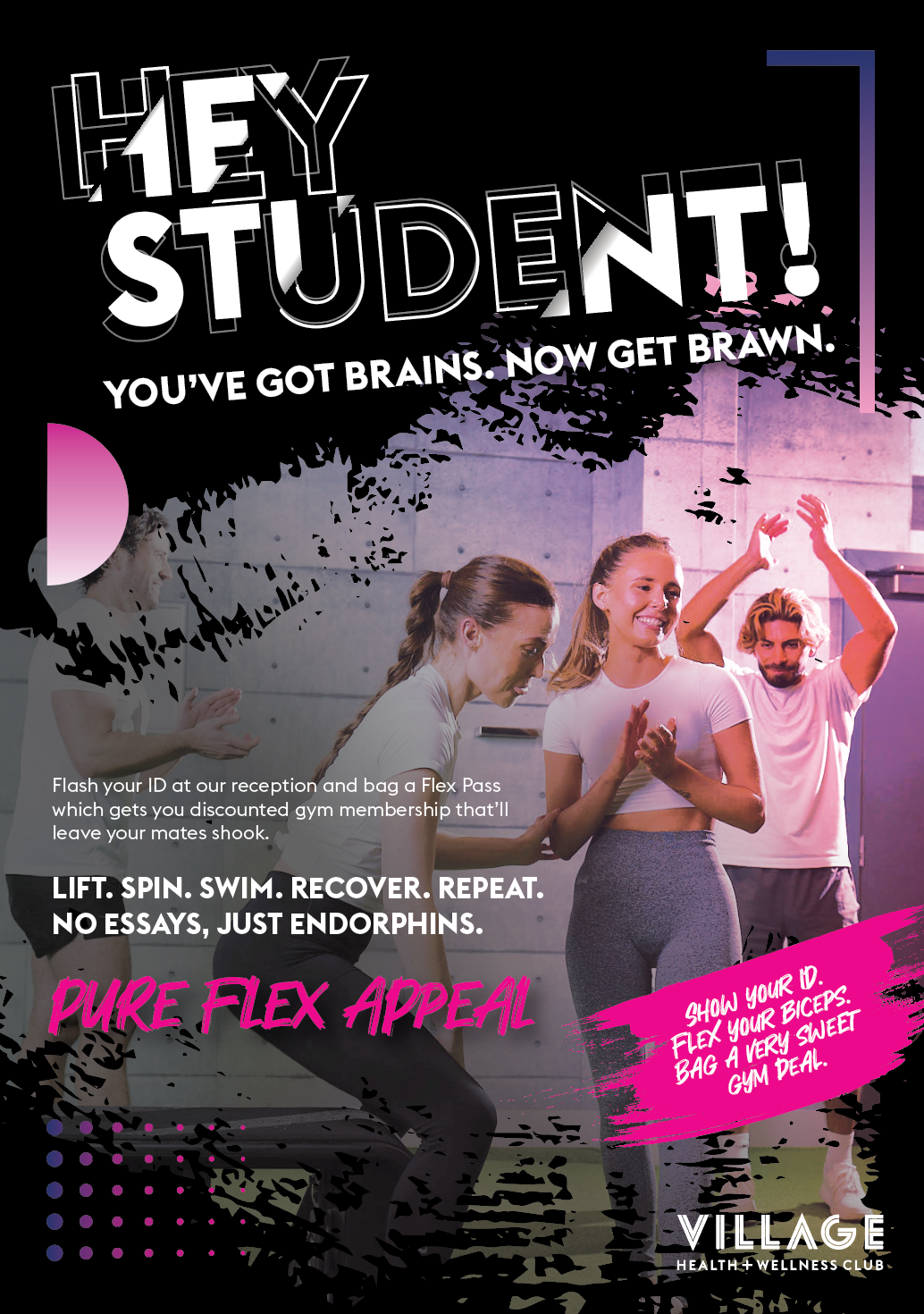
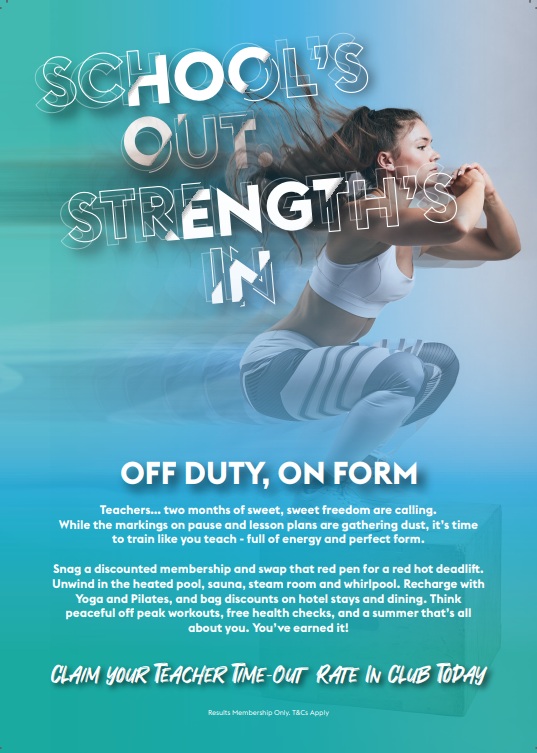
We worked with national gym and health club operator, Village, to launch a variety of advertising campaigns. From vibrant sales campaign, championing the expertise of its personal training programme and elite gym facilities, to eye-catching billboards, and signage for new sites opening soon, to specific campaigns targeted at teachers and students. It’s no secret that brands have only a few seconds to grab the attention of potential customers, so recognisability and clarity were foundational to our approach.

Our in-house design team developed a suite of digital assets, posters and roadside billboards that centred on dynamic movement, energetic colour palettes and bold, unmistakable branding. The aim was simple: create a visual language that made Village Gyms instantly identifiable, wherever someone encountered the campaign.

The creative concept leaned into the strong sense of community that underpins the Village experience. Pairing striking visuals with real and welcoming messaging in Village Gym locations helped bring the brand’s personality to life in high-traffic environments. The combination of smart design, coherent brand expression and audience-focused storytelling elevated awareness and encouraged people to take that first step and connect with Village. 

The power of consistent, thoughtful creative assets in driving meaningful engagement should never be underestimated, and we were proud to deliver a number of impactful campaigns. Check them out below:

Designing Eye-Catching Campaigns for Energie Fitness

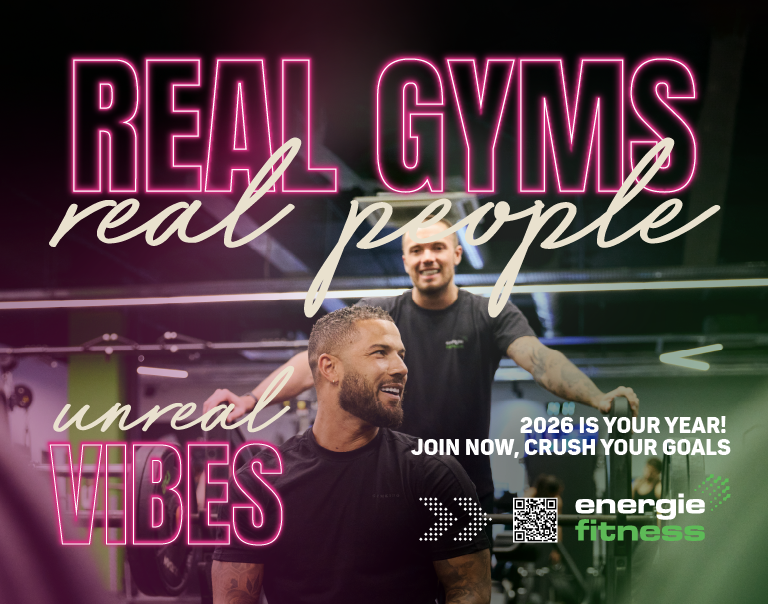
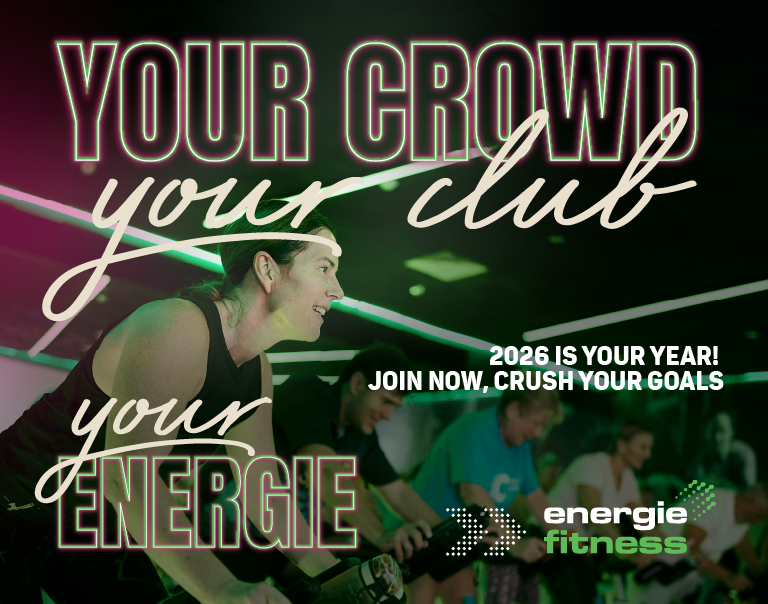
We created a big-picture January campaign to launch Energie’s refreshed brand, designed to reintroduce the new look, feel, and community vibe in one cohesive moment. Rather than leading with a single new class or product, we built an “arterial” creative platform, a unifying idea that set the tone for the year and established a clear brand world before any specific offering-led promotion.

Using authentic, owned imagery that captured the real energy and togetherness of Energie’s members, we layered bold, welcoming straplines that spoke directly to local communities and invited them to experience the new Energie. This approach built excitement, delivered consistency across launch touchpoints, and created a flexible foundation for future campaigns, helping Energie reach new audiences while strengthening loyalty with existing members.

Designing Powerful Sales Campaigns for Fusion Lifestyle

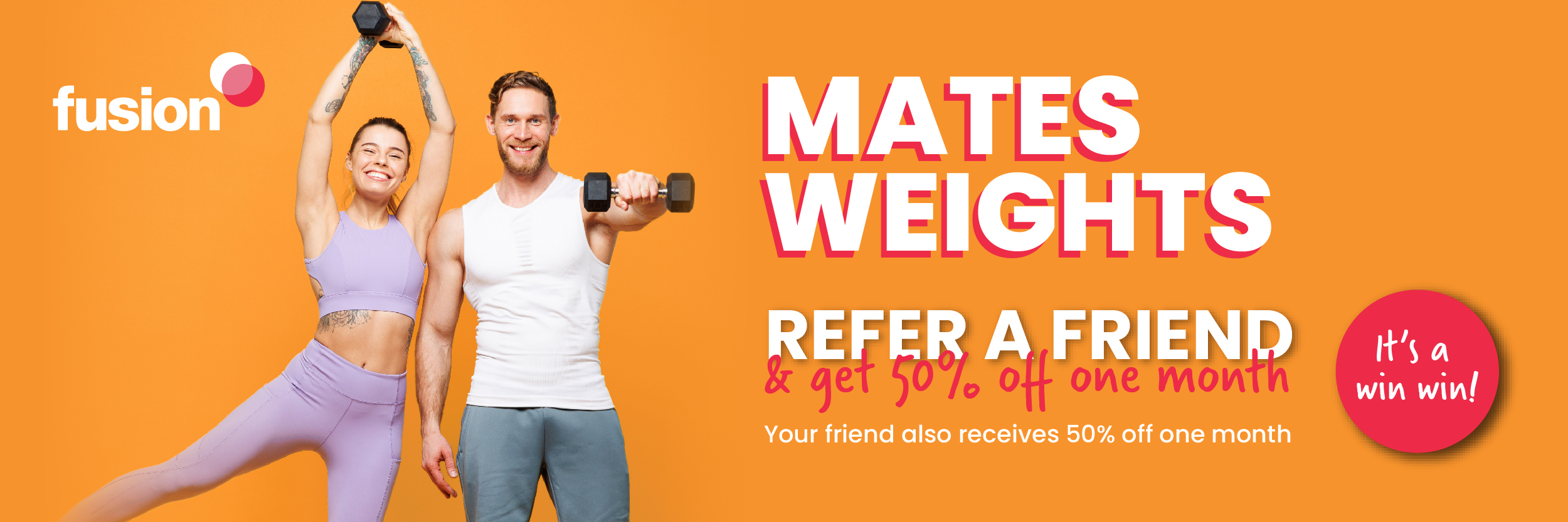
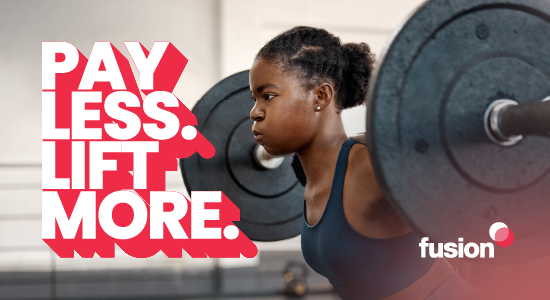
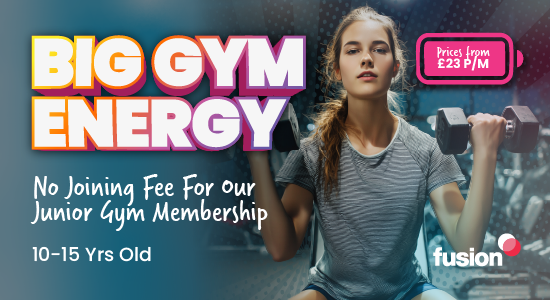
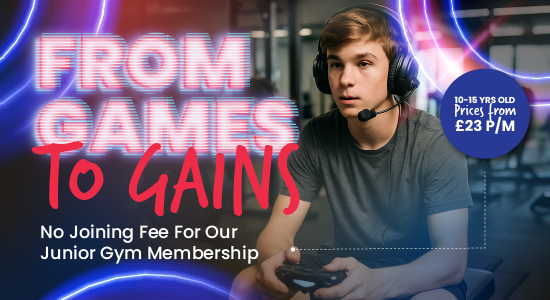
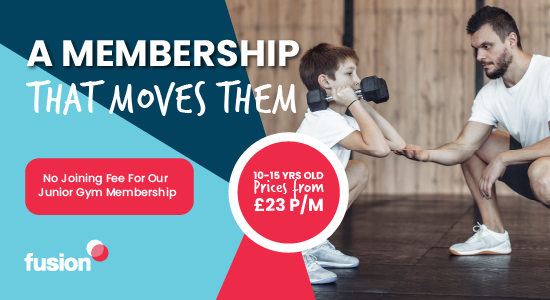
We worked with Fusion Lifestyle to concept, design and deliver a series of integrated advertising campaigns, created to drive membership growth at key sales moments throughout the year. Each campaign was built around a strong central idea, brought to life through bold visuals, clear messaging and flexible assets that could work across multiple channels.

Running across January, Summer and September peak periods, the campaigns were designed to capture attention, connect with different audience segments and convert interest into action.

Campaign Strategy & Creative Approach

Our approach focused on creating campaign ideas that felt relevant, energetic and aligned with Fusion Lifestyle’s inclusive, community-driven brand. From initial concept development through to final delivery, we ensured each campaign was visually distinctive while remaining consistent as part of a wider brand system.

The result was a suite of campaigns that could be rolled out at scale, adapted for different formats and refreshed throughout the year.

Delivering at Key Sales Moments

Each campaign was strategically timed to launch during Fusion Lifestyle’s most important sales windows — January, summer and September. By aligning creative with seasonal motivations and audience mindsets, we helped ensure maximum relevance and impact at every stage of the year.

From concept to delivery, the campaigns provided Fusion Lifestyle with a cohesive, adaptable advertising toolkit designed to drive engagement, increase sign-ups and support long-term growth.

We created a full suite of assets in a variety of dimensions, from banners and social tiles, to videos and GIFs.

Check some of them out below:

Launching the latest fitness equipment supplier: Altrafit

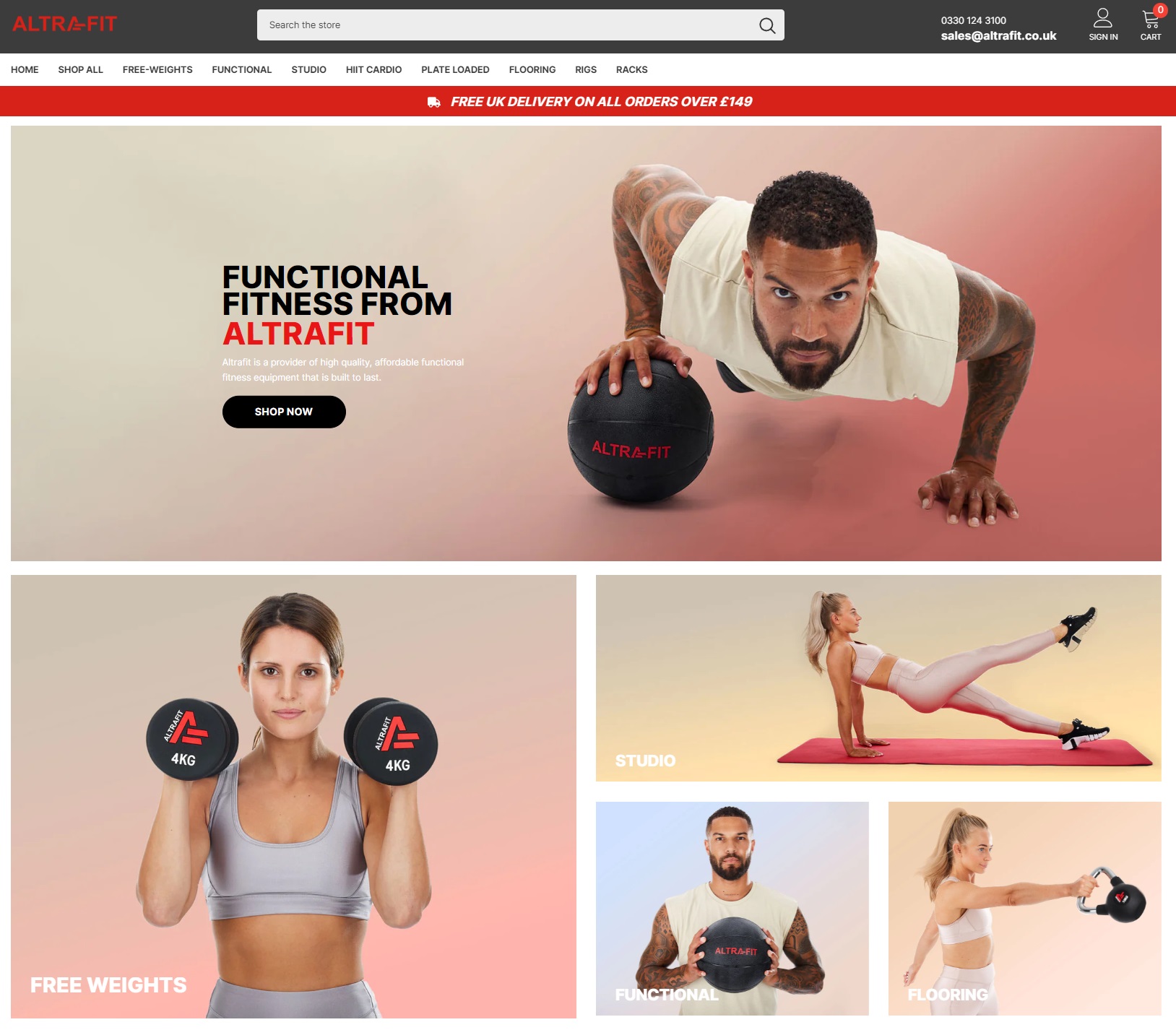
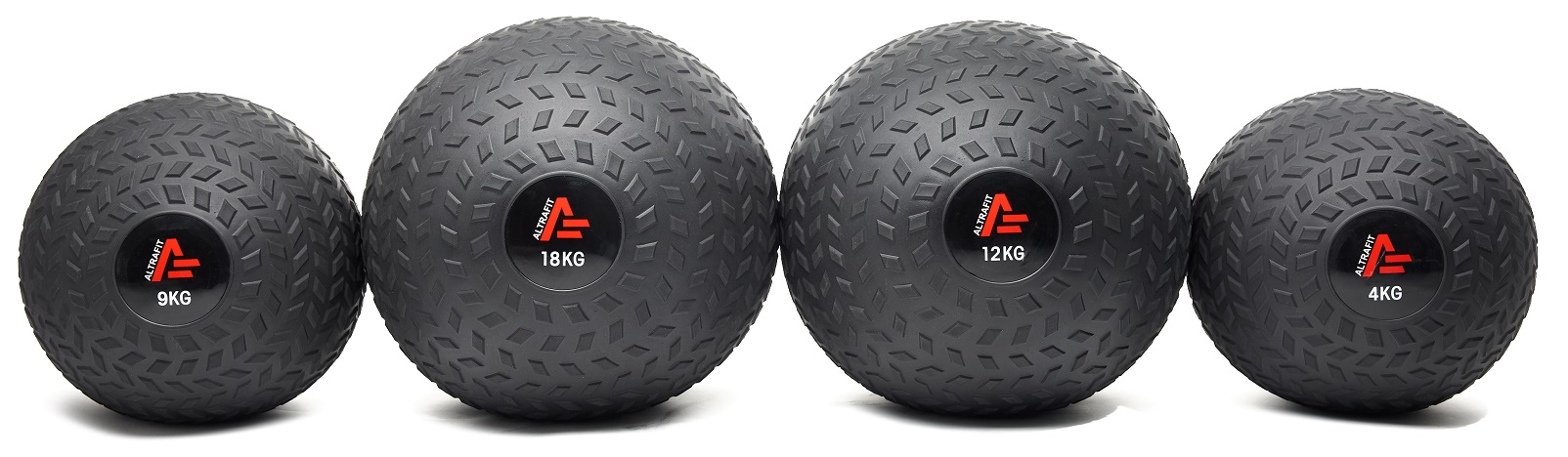
Altrafit is a brand from D2F Fitness, who have been supplying the fitness industry for over a decade. D2F Fitness created the Altrafit brand to supply high-quality, affordable fitness equipment directly to the customer. This helps to maximise efficiency and minimise cost, meaning the best deal for everyone. The Altrafit brand currently covers functional training equipment, free weights, studio equipment, flooring and turf tracks, racks and more.

Action Group had the task of bringing Altrafit to market

We started by devising the full go-to-market strategy, deciding on the most efficient marketing channels to ensure maximum impact and awareness, but maintaining cost efficiency. Our approach combined email marketing, social media, industry sponsorships, and content creation to best serve the launch.

First, we needed to build the Altrafit website

The website needed to look beautiful and serve its function as an ecommerce platform for potential customers to peruse, and paying customers to purchase. Built on Shopify, the site was designed to be easy to navigate and simple to scroll through the range of equipment. During the build process we worked with Altrafit to write the product descriptions, including materials used and specific details about each product etc.

We’re well versed in designing new websites for our clients, click here to read about our work designing the Speedflex Blade website, logo, content shoot, promo video and more.

Shooting lifestyle photography for Altrafit

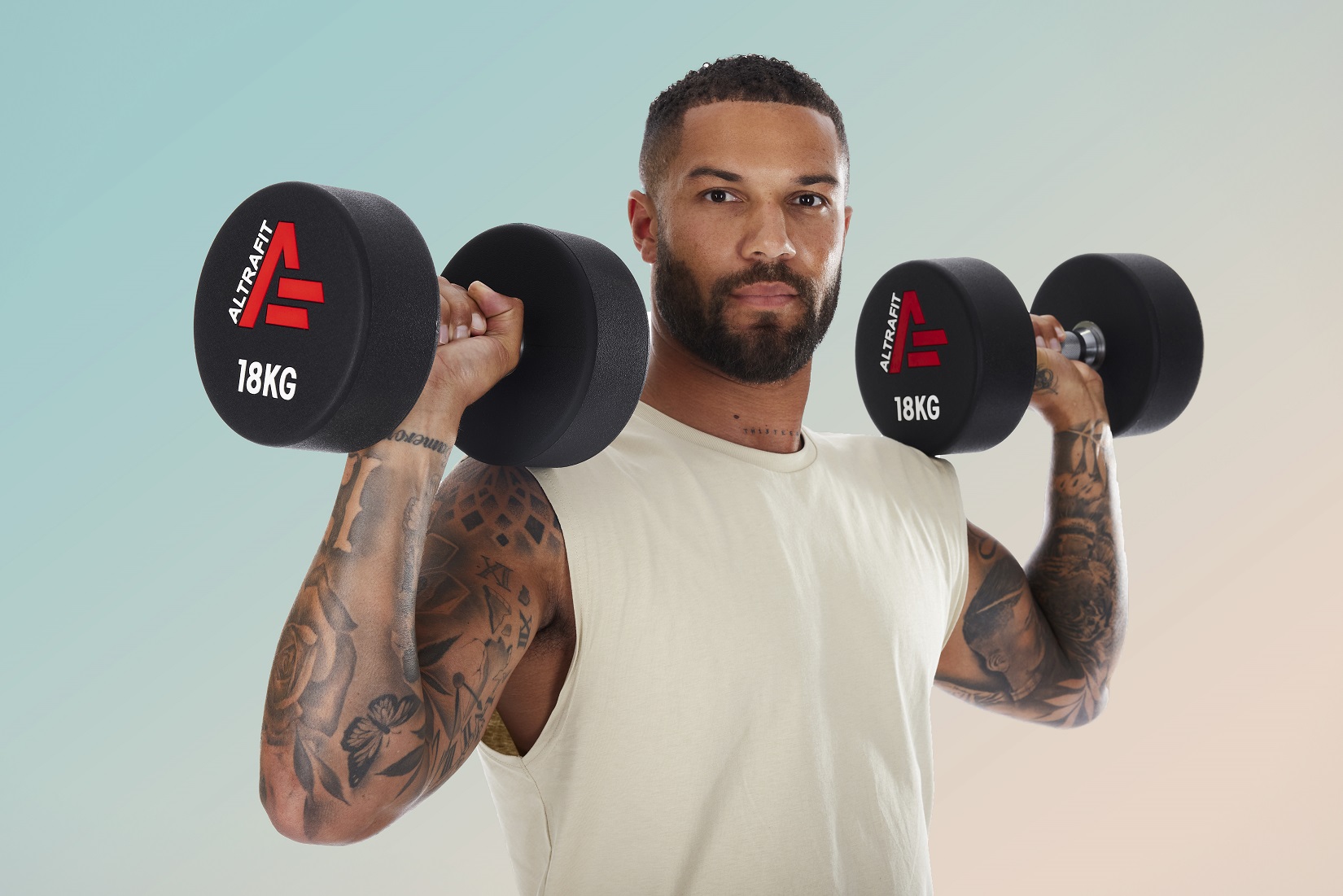
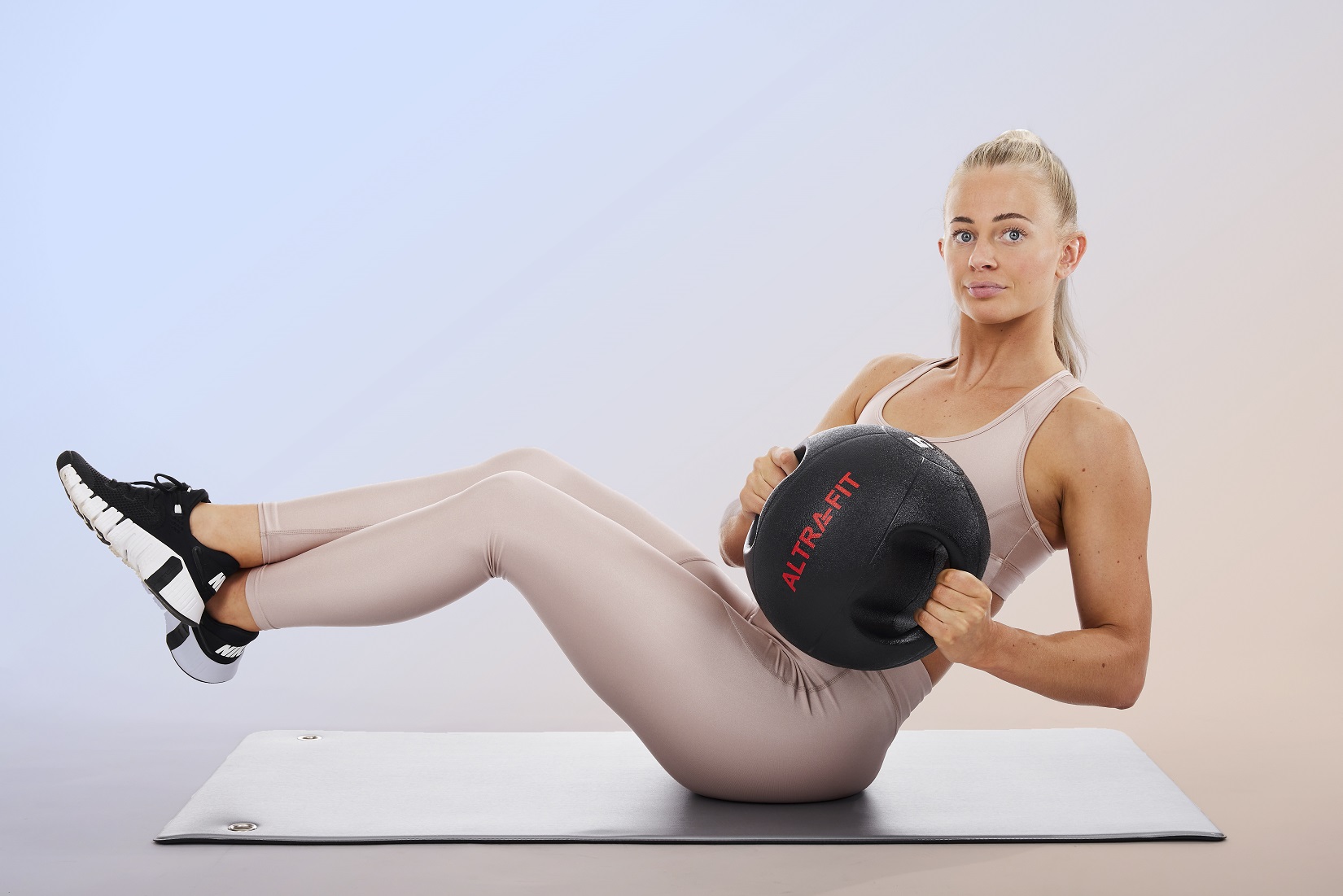
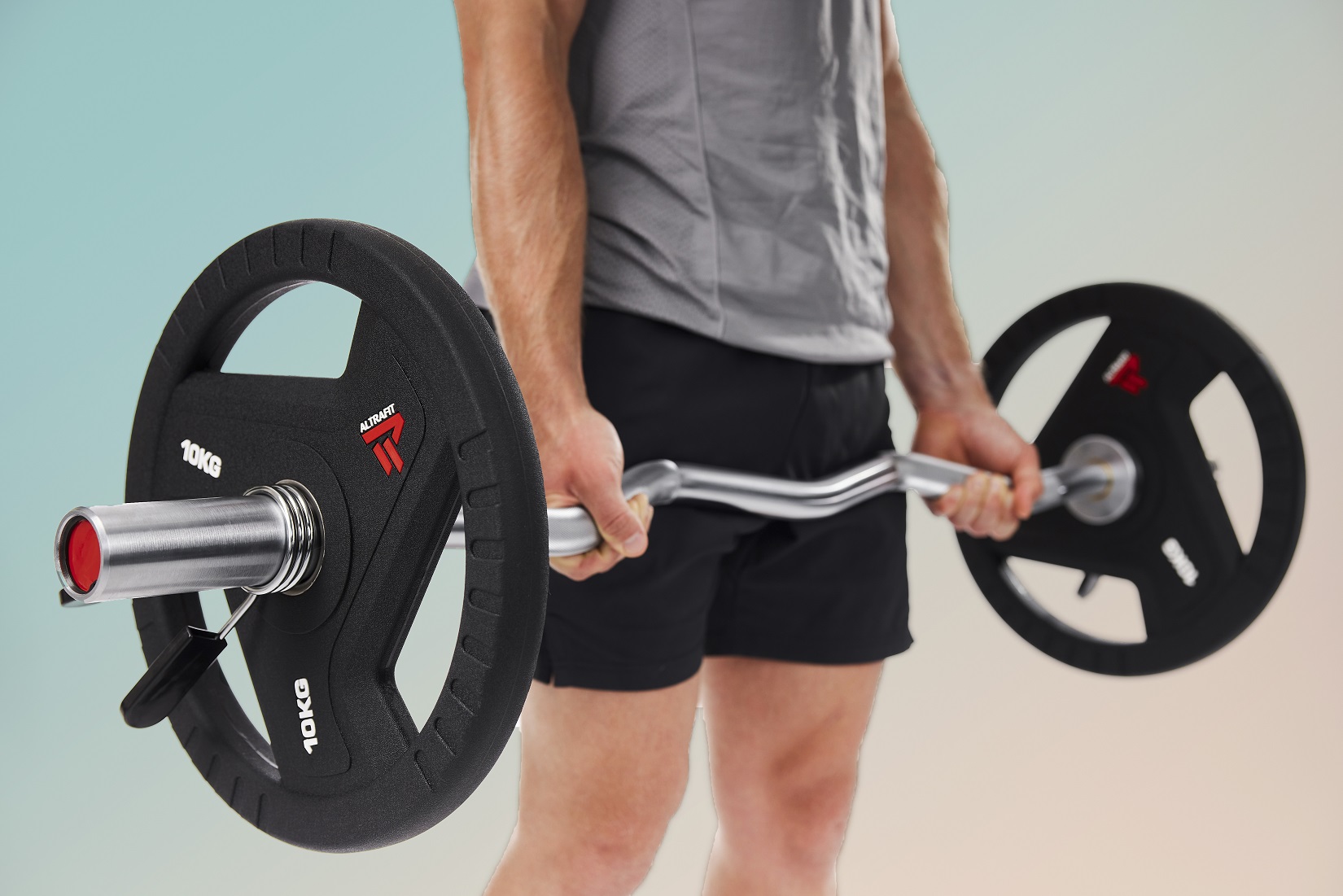
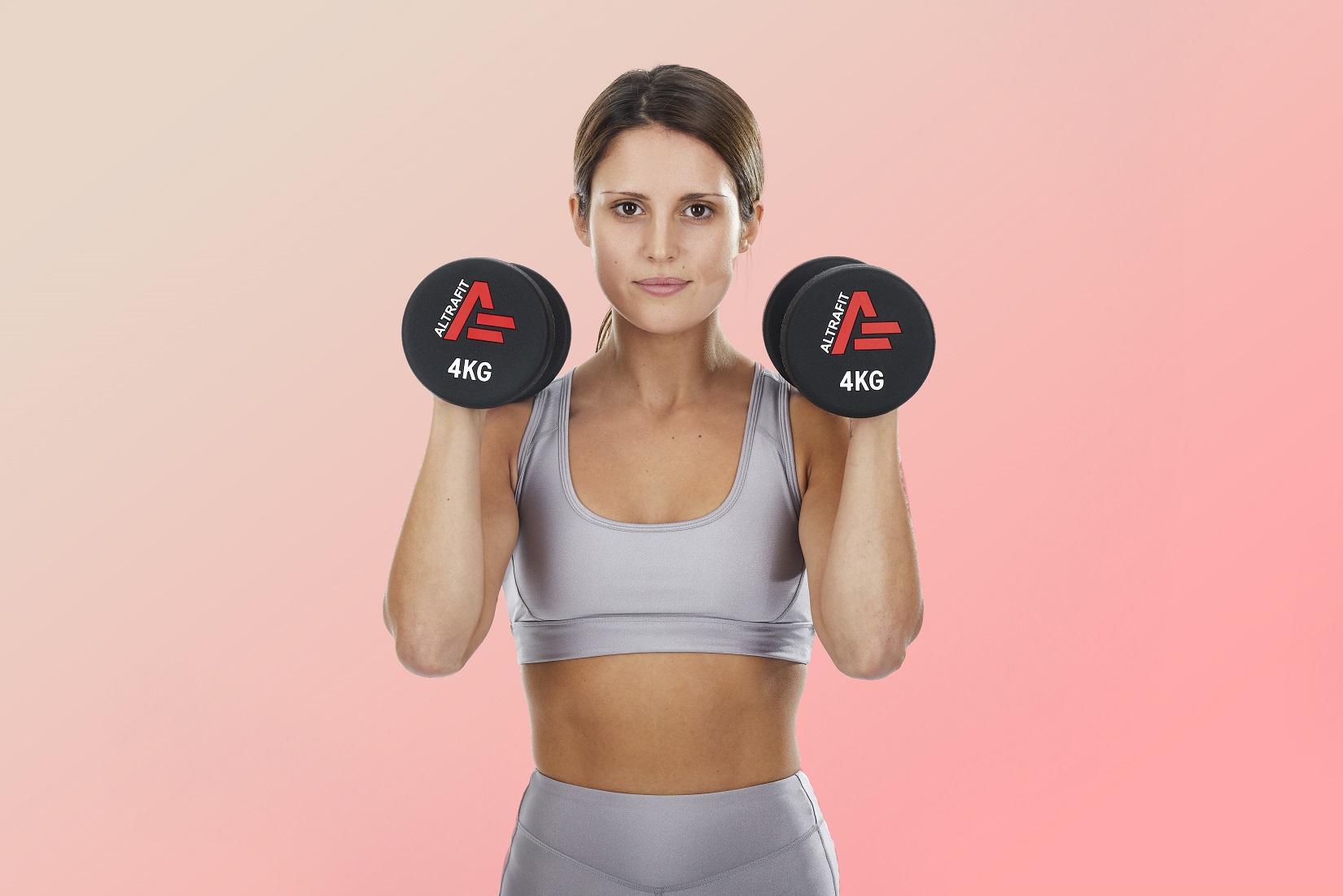
While the website was being built to spec we carried out a lifestyle photoshoot to capture content for the website, social media, and other marketing channels. We utilised models from our own model agency: Action Fitness Models and shot a huge batch of lifestyle photography.

Launching Altrafit on Instagram

We setup an account on Instagram, and began following all the existing clients and prospective clients of D2F, along with upcoming install locations. Launching any new account is tricky, we began populating the page with planned content to create a beautiful aesthetic to optimise post performance and maximise the following of the profile.

As the account has grown and more content has been captured we’ve been able to post about installations, testimonials and client feedback, specific product highlights, new product launches and more.

Creating an email marketing strategy

One of the most effective marketing tools is the outbound email strategy. Helping to inform customers and potential customers about your products and new launches, deals and discounts, installations and fit outs, partnerships and ambassadors, can really help to solidify your brand, especially a newly launched one. We worked with Altrafit to design an email template, ensuring the database was complete with relevant targets and existing D2F Fitness customers. Emails are sent out to the database at regular intervals to keep Altrafit front of mind.

Shooting studio shots for website products

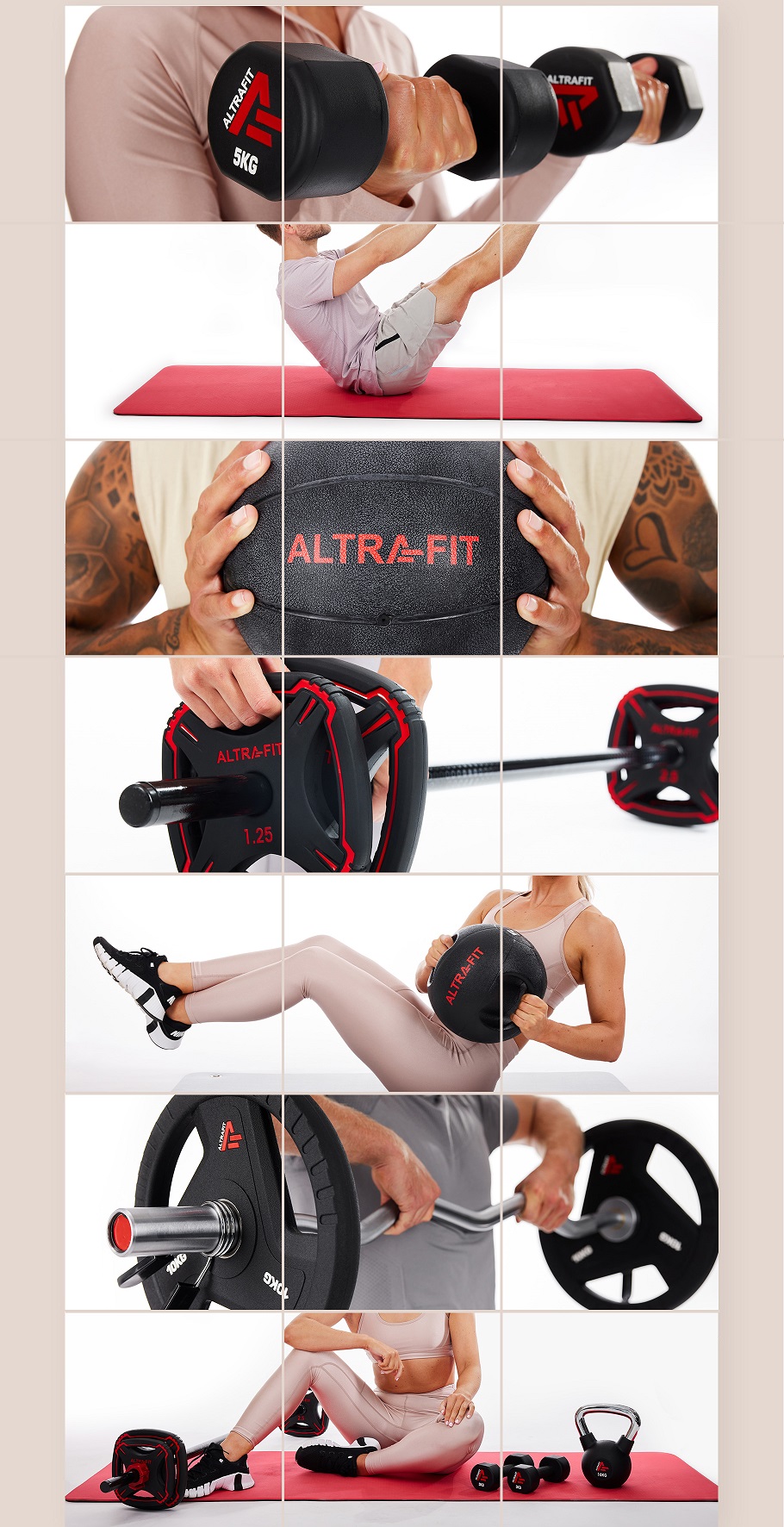
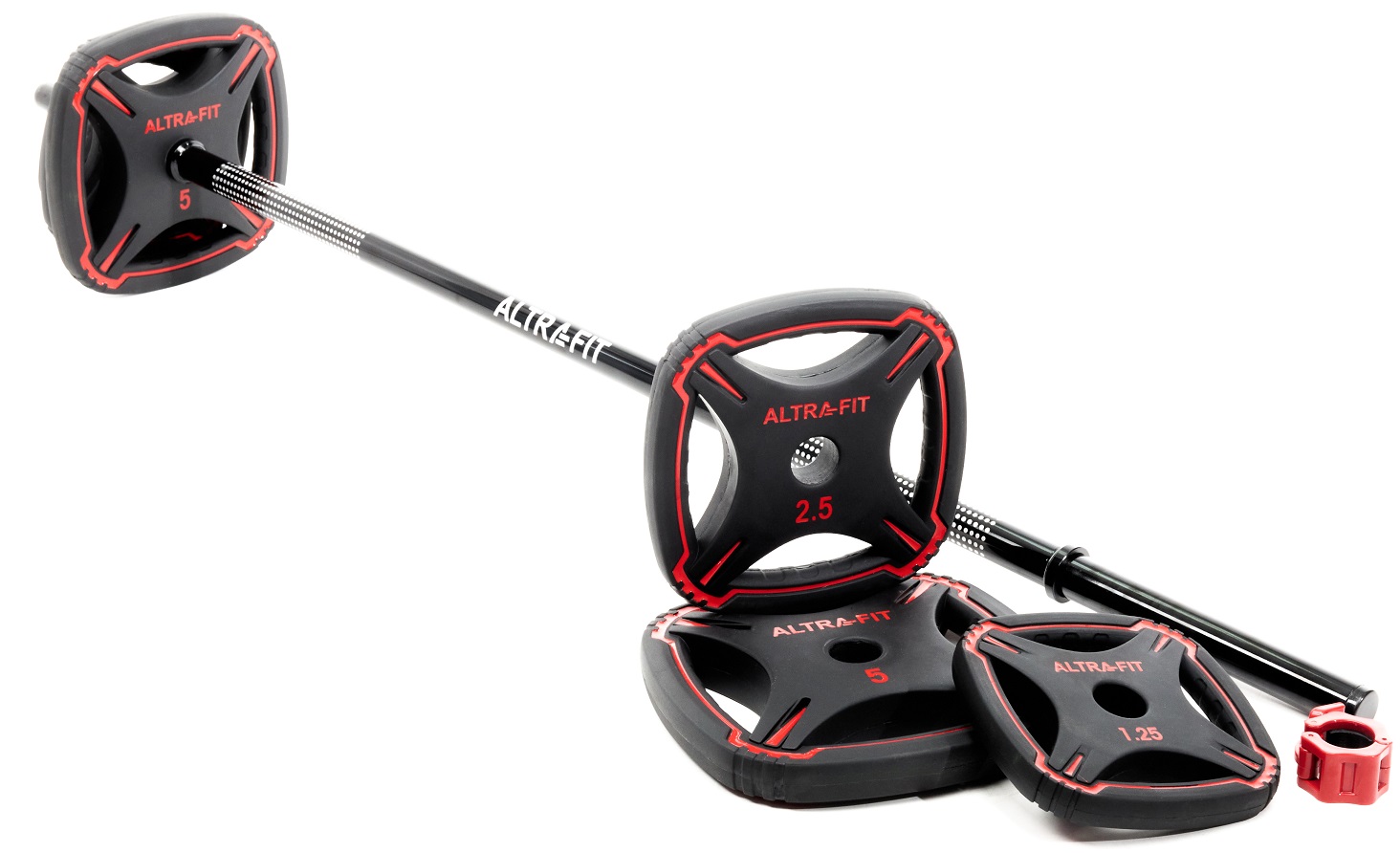
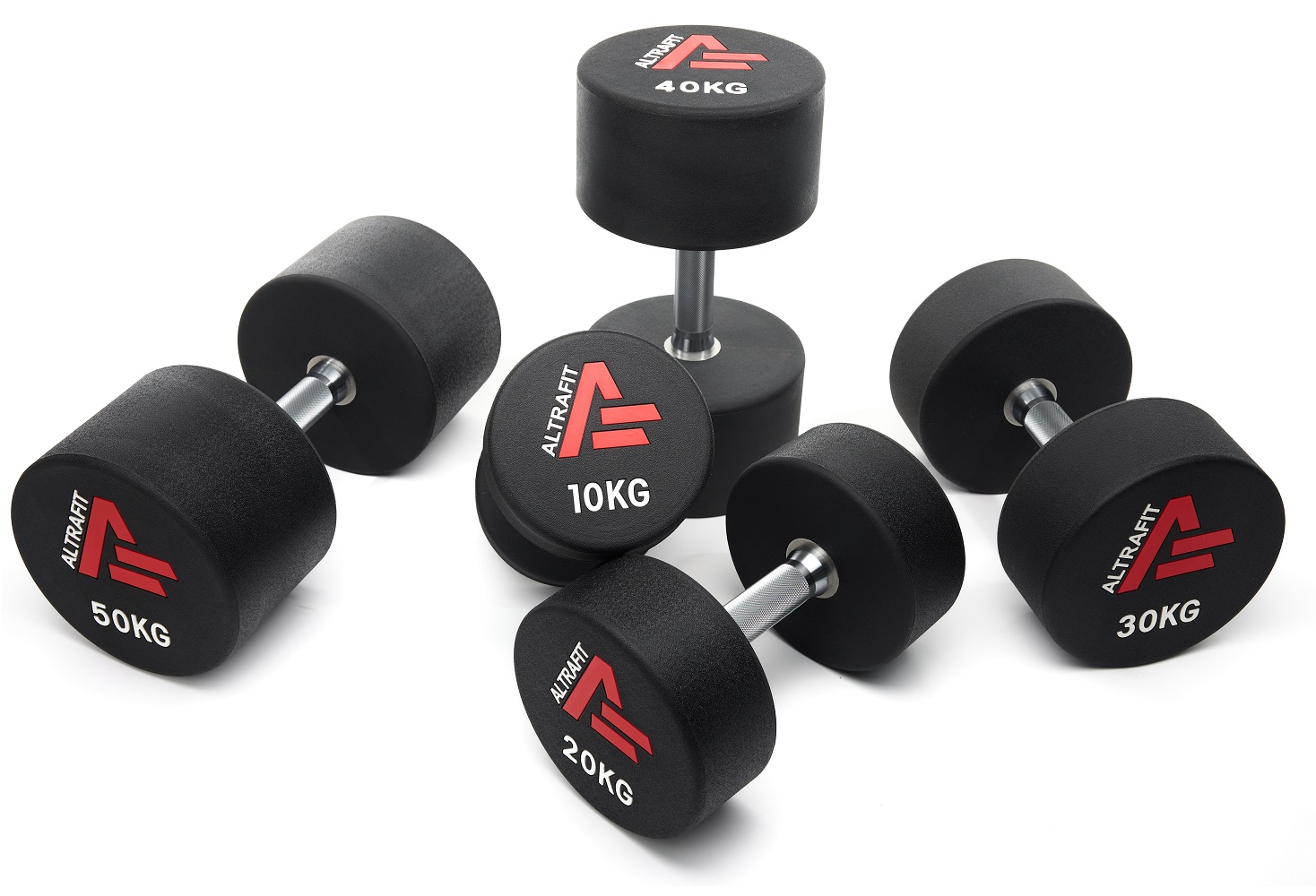
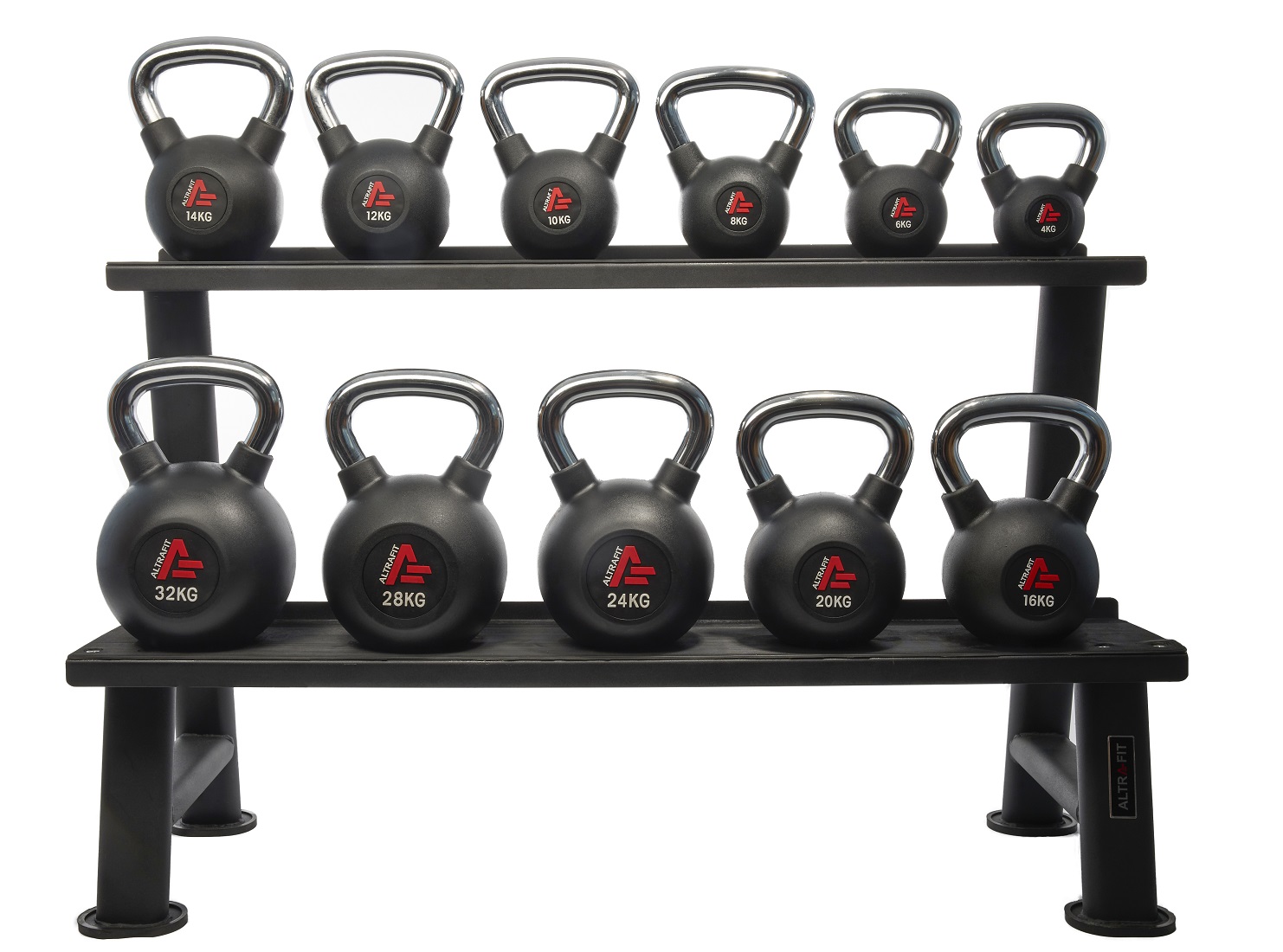
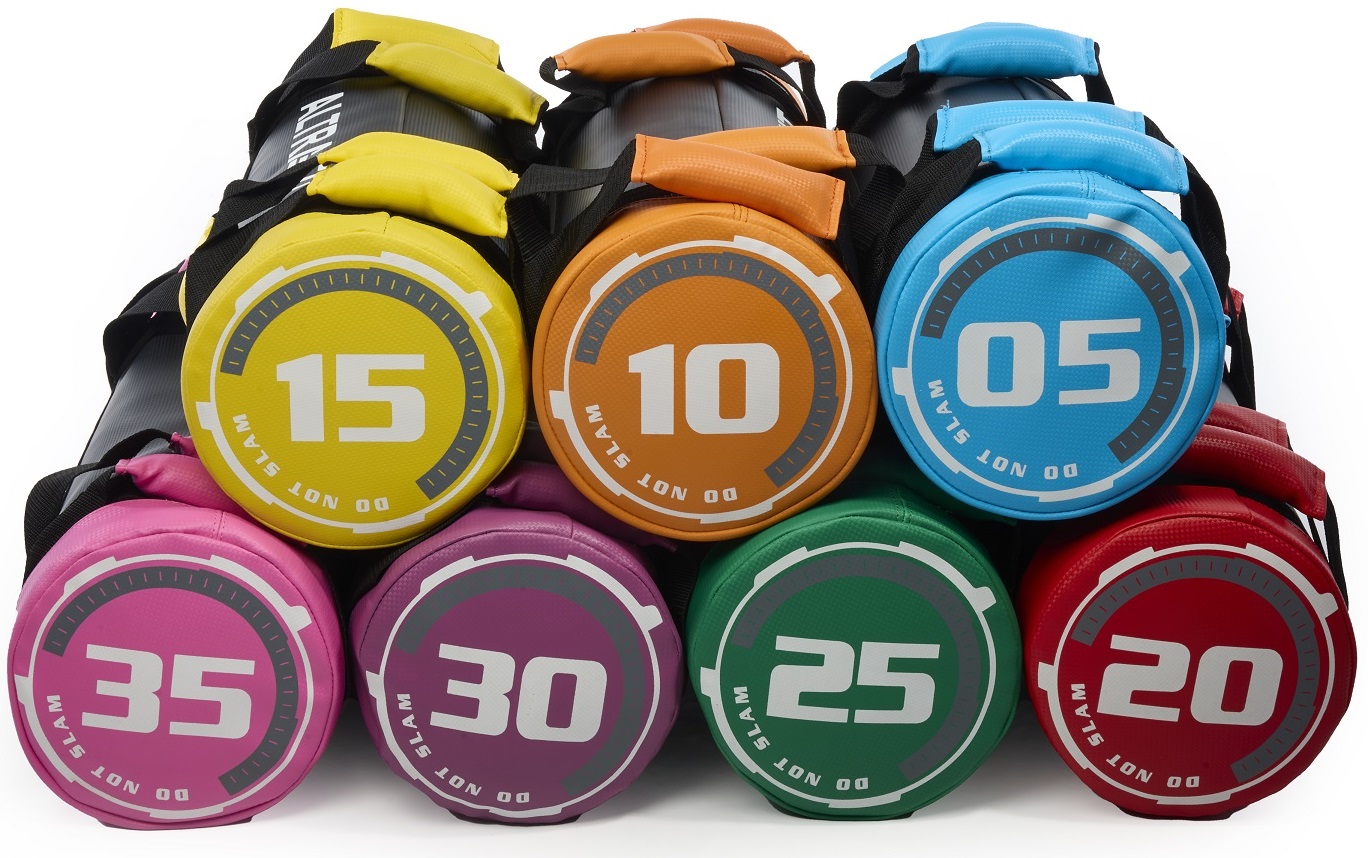
Once the website had been designed and built to spec, we needed to populate the products with white-background studio shots. We organised a studio space and got snapping all of the Altrafit range, from dumbbells and kettlebells to barbells, bumper plates and racks. Once all shots had been taken, colour-graded and edited they were uploaded, and the Altrafit site went live.

Shooting installation content for Altrafit

Altrafit kit began being installed in fitness facilities across the country, most prominently with one of the largest leisure operators in the UK: Everyone Active. We visited the recently upgraded Central Park leisure centre in Romford to film all of the installed kit, with D2F Managing Director John Lofting, talking us through the details. The video has served as a fantastic piece of content to show to current and prospective clients, as well as show off the range and quality of Altrafit. We planned, scripted, shot and edited the whole video, which you can watch below. We are also looking forward to showcasing this video at the National Fitness Awards, of which Altrafit are sponsoring the PT of the Year Award

Our continued work with Altrafit

We continue to look after all the marketing for Altrafit, including adding advertising with key industry titles, organising corporate hospitality events, awards and events sponsorship and more. We have also started working with Ambassadors for Altrafit, with the first coming on board very soon for some exciting content creation.

If you need help running marketing or PR campaigns, are in need of beautiful photography or videography, or are simply in need of some consultancy with industry experts then get in touch with us: info@action-group.co.uk

The Rise of Fitness Influencers

In recent years, the fitness landscape has witnessed a remarkable transformation with the rise of influencers introducing a new means of marketing. Whether you are a fan or not, a niche has been carved out across each digital platform where millions of followers look to influencers for fitness recommendations, advice and motivation.

With the UK alone having over 61.7 million social media users (Statista), it comes as no surprise that roughly 61% of consumers trust the product recommendations they get from influencers (Social Shepherd). Their impact on the fitness industry is undeniable which leads us to explore how investing in influencer marketing and ambassadorships is the way forward in connecting with consumers.

People trust people more than brands

One of the most enticing aspects of forming influencer relationships is the enormous and often well engaged audience that trusts the opinions they share. More so than ever before, influencers are open and transparent about their challenges, share realistic goals and provide practical advice that resonates with viewers.

Fitness influencers offer a blend of authenticity and credibility. Consumers seek out real, relatable voices who share their struggles, triumphs, and journey toward a healthier lifestyle and grow weary of in-your-face advertising and polished brand messages. When influencers partner with brands, they can seamlessly integrate the product or service into their own narrative and create a much more subtle and impactful promotional strategy that people will trust. With Short-form video content taking the social media algorithm by storm, a 30-second Reel or TikTok could be the difference in converting a viewer into a customer.

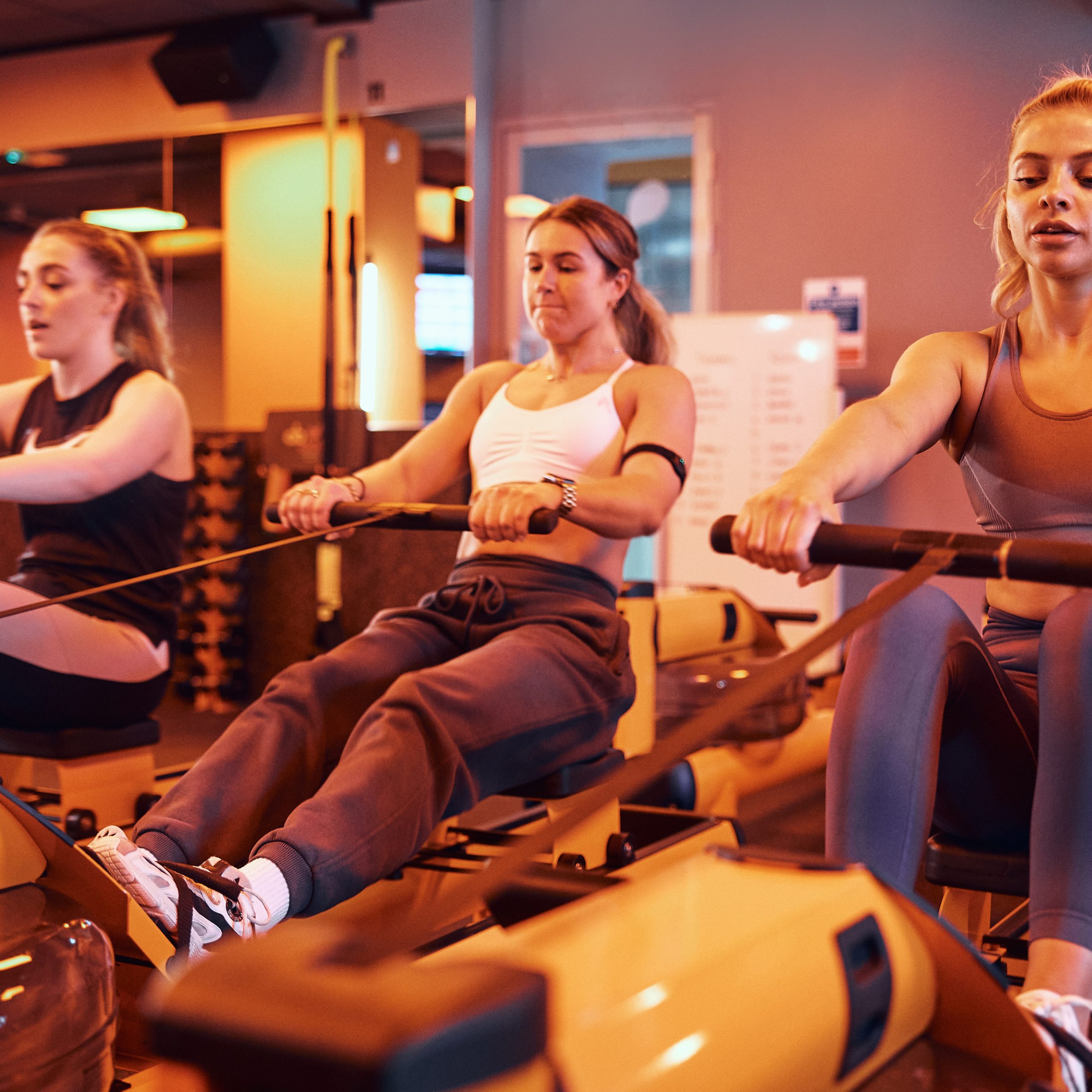
We have worked closely with a number of fitness influencers to create beautiful brand videos for global fitness brand Orangetheory Fitness to showcase the inclusivity and effectiveness of the workout. Collaborating with influencers opens their followers’ scope of alternative workouts they could be trying and introduces your brand more naturally than traditional social media advertising.

Orangetheory Fitness Influencer Event

While the partnership with fitness influencers undeniably offers a range of benefits, it’s essential to acknowledge the potential risk that accompanies influencer collaborations. These partnerships are built on trust, and should an influencer express dissatisfaction or criticism of a brand, it can have a significant impact. We have written a blog that delves into what brands should do if they are the target of ‘de-influencing’ or receive an influencer negative review, which you can read here.

Inviting influencers to brand events

In this era of social media dominance, inviting influencers to brand events is a strategic move that can significantly amplify your message and reach. Events offer a unique opportunity to blend the physical and digital by creating a memorable experience that can be translated onto social media to maximise the impact.

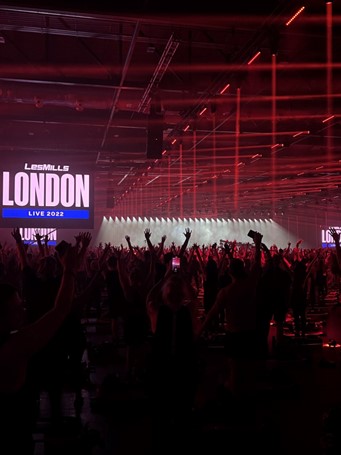
We worked closely with Les Mills to bring to life a three-day press and influencer event to celebrate the return of live fitness events. As a result of the event, nearly 50 pieces of social content were shared across the weekend from the social accounts of both press and influencers and this experience has led to ongoing relationships that are still going strong over a year on. You can read about our work on this event in our blog here.

Les Mills LIVE London

Influencers are often celebrated for their authenticity, so when they attend your brand event they are able to weave your brand messaging into their social posts and become genuine advocates for your brand. Influencers humanise your brand and showcase it as a living, breathing entity with a personality and values. This humanisation adds a layer of relatability to your brand messaging, making it more approachable and emotionally resonant with consumers.

By attending your brand event, influencers create diverse, engaging, and shareable content that encompasses the essence of your brand and event. This content serves as authentic testimonials and endorsements, offering a dynamic visual and narrative representation of your brand message.

Influencer event reel captured by Action Group for Orangetheory Fitness

Conclusion

The rise of fitness influencers has brought a breath of fresh air to the fitness industry. Through relatable and authentic content, there has been a culture of inclusivity, motivation, and accountability created which has significantly impacted how we approach health and wellness in the modern world.

If you require assistance in hosting beautifully curated brand events and inviting influencers along, get in touch with us directly: info@action-group.co.uk

Strategic Social Media Usage: Why Brands don’t have to be Everywhere

social media strategy

In today’s digitally-driven landscape, social media continues to prevail as a powerful tool for brands to connect with their audience, build a loyal following, and – eventually – drive sales. However, a common misconception amongst brands is that a consistent presence needs to be had across all social media platforms. With an abundance of platforms to choose from, many business owners often find themselves asking: which social media platform should I use for my brand?

It seems like there is a new platform being developed every day, and it would be virtually impossible (and a waste of time) to try and dominate every single one.

Though trends tend to prosper across all platforms, the purpose and audience of each one varies significantly and therefore, so should your social media strategy.

Which social media platform should I use for my brand?

Instagram: Visual Storytelling and Attention-Grabbing Content

In the UK alone, there are around 35 million Instagram users (Statista), and it takes around three seconds to grab their attention. As the platform has evolved, the standards have been raised and gaining traction isn’t as easy as it once was. High-quality imagery and an aesthetic profile are no longer enough to generate engagement and maximise the use of the app for your business. In recent months, Instagram has been committed to pushing Reels as short-form video content takes the online world by storm.

So what is Instagram best used for and is it the best social media platform I should use for my brand?

Promotion. Interaction. Storytelling. It’s all about the visual, and whether you are sharing a tangible product or delivering a service, your image/video should grab the attention of the scroller to urge them to find out more. Instagram is not the ideal platform for masses of information – people typically will read the first three lines of a caption that appear and will rarely click through to read more, so the point you’re trying to get across needs to be clear immediately.

Creating brand content that is effective in winning over potential customers isn’t, which is why our experts have written a cohesive blog on producing compelling videos that turn viewers into customers, and you can read this here.

Brand video produced by Action Group for Fitness First

Facebook: Community Building and Digital Ads

Though Facebook (now ‘known’ as Meta) is often dubbed an outdated platform, it remains the most popular platform, with almost three billion daily active users every month (Buffer). The use of community groups offers a more direct line of communication to consumers, and fosters engagement that promotes loyalty. However, brands should note that if Gen Z is the audience you are looking to engage, Facebook is not the right platform for you – only 37% of Gen Z regularly use Facebook (YPulse). It is always imperative to consider your audience before committing to a social platform and weigh up whether the investment of time/money is worth it.

Digital Ads are also a fundamental tool within Facebook – considering whether investing ad spend behind social competitions or product posts would garner effective results could be the decider in opting to launch a company Facebook page.

social media strategy
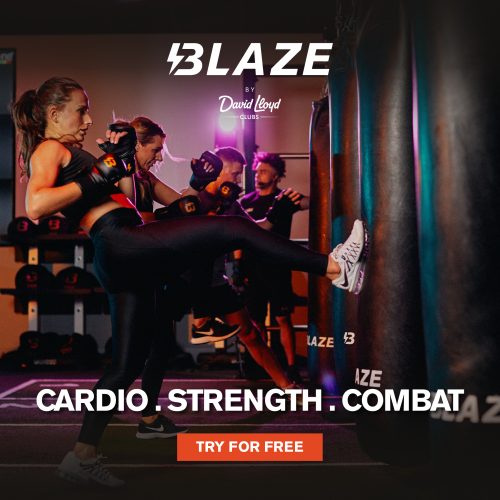
Digital Ad created for David Lloyd’s Blaze Studio

Twitter: Quick Content and Real-Time Updates

The very concise and fast-paced nature of Twitter (now ‘known’ as X) makes it one of the best platforms for quick updates, engaging in real-time conversations, and staying on top of industry trends. Many brands use Twitter as a means of customer service, with more than 80% of social customer service requests happening on Twitter (Buffer). The recent and ongoing changes to Twitter’s algorithm (looking at you, Musk) has created an increasing sense of unfamiliarity with the app. Despite being a text-based sharing app, Tweets with visual aids will be pushed twice as much as those without and including external links can mark the post as spam, pushing it down the algorithm unless the Tweet gets enough engagement.

Despite the changes to the Twitter algorithm, it can still be a useful platform to promote blogs, inform of ongoing updates and have your finger on the pulse of changes within your industry that will assist in decision-making. 38.5% of users are between 25-34 years old and 70.4% are male (Statista), so for brands targeting this demographic with their product/service, Twitter could be the ideal platform to begin starting conversations.

LinkedIn: Networking and Professional Reputation Building

LinkedIn is a highly beneficial platform for professional networking, establishing industry partnerships, and attracting corporate clients. Sharing thought leadership articles, industry trends, and updates on your business can position your brand as a trusted authority. In recent changes to the algorithm, LinkedIn is moving away from personalised content, with posts that share “knowledge and advice” now being prioritised throughout the platform. When deciding if sharing content on LinkedIn is the right move for you, it is important to bear in mind that 80% of LinkedIn users drive business decisions therefore tailoring your posts to encourage conversations and meetings is key. Though it may come as a surprise to some, a majority of LinkedIn users are between 25 and 34 years old (60%), with the 18-24 age group coming in second at 21.7% (Hootsuite) which adds in another factor to consider when choosing which social media platform you should use for your brand?

One of the biggest things to consider with LinkedIn is this: 134.5 million users actively use LinkedIn each day (Statista) indicating that consistent posting and interactions are the key to success, which is also a huge investment of time and resources.

TikTok and YouTube: Consistent Video Uploads

When talking about video-sharing apps, two giants immediately spring to mind: YouTube and TikTok, and much like many businesses globally, many decision-makers are wondering which social media video platform should be used for their brand.

YouTube is one of the original content-sharing platforms and is renowned for its longer-form content, providing creators with the space to delve deep into topics and engage audiences through comprehensive videos. YouTube is the second most popular website worldwide and around 77% of internet users between ages 15-35 are on YouTube, so brands with the capacity to produce high-quality videos, YouTube could be a great way to dominate the space and engage with consumers.

Speedflex Blade

While YouTube’s content demands investment in research, scripting, and production, the short-form video app TikTok thrives on spontaneity and frequent interaction. On TikTok, being consistently active is paramount to growth, with creators often churning out content daily to maintain visibility and relevance. Committing to utilising TikTok as a form of social media is a big one – staying on top of trends, posting a minimum of once a day and engaging users within the first second are crucial to succeeding on the app.

Partnering with creators boosts view rates on TikTok by 193% (SocialPilot) so for brands who are willing to invest time, research and potential fees into influencer marketing, TikTok could be an ideal platform to spread your messaging. A prime example of influencer work maximised to convey brand messaging and encourage engagement is fitness clothing giant GymShark. As the pioneer for the concept of ‘influencer marketing’, GymShark’s investment into establishing and maintaining relationships with creators has allowed them to access multiple streams of content to post regularly across TikTok.

Conclusion

Unfortunately, sharing on social media isn’t as easy as cross-posting across all channels and hoping for the best – it is important to take time out to analyse what the goals are for your socials and what each platform has to offer, and consider the answer to the question: which social media platform should I use for my brand?


If you need help with marketing, maximising your social media, capturing photo or video content, or even PR campaigns to get your products or services in the hands of journalists then reach out to our team of experts at info@action-group.co.uk

Crisis Management: How to respond when an influencer posts a negative review about your brand

The ‘Influencer phenomenon’ of 2009 saw huge influencers such as Zoella, Tanya Burr and Pewdiepie launch onto YouTube screens worldwide. Since then the content creation market has only continued to snowball. Now the influencer marketing industry is estimated to be worth a staggering $13.8 billion. With new social media platforms creating a path of influence for almost anything, this market growth doesn’t look like it will be slowing anytime soon. The huge scale and success of the industry means it is no surprise that the majority of brands have now capitalised on this form of marketing. You don’t have to scroll for long to see an example of an influencer promoting a brand, service or product on your feed and for good reason too.

Some of the UK’s most successful influencers have tens, and hundreds of thousands of followers. This offers brands a ready-made, and engaged audience to communicate with. Not only this but, unlike traditional advertising, the intention of influencer curated content is that it is ‘real’ and provides its audience with an authentic and relatable interpretation of the brand they are promoting.

Here at Action, we often work with some of the fitness industries top content creators and social media influencers to share incredible fitness experiences far and wide. Take a look at the recent Orangetheory Fitness influencer event we helped run and capture here.

However, working with an influencer comes with its risks. There is nothing stopping an influencer sharing a negative review of a brand too. In fact, this year, a whole trend was born out of doing just that. ‘De-influencing’ sees social content creators actively discouraging their followers to engage with a brand or product for whatever reason they see fit, with common issues straddling sustainability, diversity and affordability.

Whether ‘de-influenced’ or ‘cancelled’, the same large-scale reach that can lead to success for a brand partnering with an influencer can also be detrimental when things go wrong… We’ve previously written about ‘Managing a brand reputation when things go wrong’ from a press point of view, read that here.

What should brands do if they are the target of ‘de-influencing’ or receive an influencer negative review.

Firstly, act quickly but efficiently to gather all the facts

It is important to gather all details relating to the matter and to understand the root cause. This will help to determine whether the negative post has derived from a negative experience with your brand or simply a misalignment. Depending on the situation this could include details like dates, times, locations, product details, number of social posts and levels of engagement. 

Remain authentic and personable

Once all the facts are gathered it is important to reach out to the influencer swiftly. If feasible, a phone call is a good way of communicating as it is much more authentic and personable than email or social media communication where tone and meaning can easily get lost.

The call can be used to re-confirm all the details from your fact finding, before working with the influencer to create a personalised plan of how the issue will be resolved. Following up on the call, in an email is a good idea to reaffirm the plans, helping to regain trust in the brand as well as ensuring a solid paper trail for reference.

Stay true to your brand values

Not everyone will be suited to, or love, every aspect of a brand. If you market yourselves as the most hardcore HIIT class, then you will generally attract a certain demographic, with a certain fitness ability. So, in the face of resistance, instead of jumping to promise change to win over the influencer, remain respectful and grateful for the feedback while backing your brand’s values. That’s not to say you shouldn’t be accommodating, but you can’t be all things to all people.

If you receive a negative review from an influencer – don’t do nothing

Most importantly, don’t do ‘nothing’. We have all seen examples of brands receiving negative comments on their social posts and these simply being left un-responded to. Not only does this show the brand to be unengaged with their followers but also that they don’t value the feedback or experience of their customers. 

Learn from the experience

Once the situation has been rectified, take time to reflect and evaluate. However big or small, there are always valuable insights that can be drawn from the situation and used to improve future collaborations and ways of working with influencers for success.

How to engage journalists on social media

Finally, there will always be times where things go wrong and in the world of influencing it is difficult to stop a content creator and influencer sharing a negative review or thoughts if they are set on doing so. However, there are a few measures that can be taken to limit the chances:

Research: Before you select the influencers you want to work with, make sure to conduct in-depth research. This could delve into their previous collaboration, what they stand for, their credibility, their engagement rate and their content to decipher whether they align with your own brand values.

Communication: Ensure open channels of communication with the influencer both before, during and after the partnership, and be transparent on what is expected on both sides.

Welcome feedback: Once the partnership is wrapped, follow up to thank the influencer for their part in the collaboration while welcoming feedback and constructive criticism, creating an open space for any issues to be discussed and resolved privately and away from social media.

As a full service agency, we’re experts in crisis management, whether on social media, national press or other outlets. We look after social media channels, press, marketing, advertising, design, content creation and much more for our clients. If you’re interested in finding out how we can help grow your brand then get in touch: info@action-group.co.uk

Why an outsourced marketing department can improve your results AND save you money

At Action – a full-service marketing agency – we are used to working collaboratively with in-house marketing teams on projects, campaigns and service based retainers.  

But did you know we can also perform the function of your complete marketing department? Yes, that’s right, you can outsource your entire marketing function to us.

The outsourced marketing model means we will manage everything from your website to your sales brochure design to your sales campaigns. 

Working with a crack team of experienced, senior marketeers, from an agency that specialises in fitness, is the ultimate way to simplify your marketing model and ensure you are getting the best possible results.

What are the benefits of an outsourced marketing model?

Expertise

Working with Action gives you access to experts in ALL facets of marketing from copywriting and PR to photography, videography, social media, web and more.  

Experience

Our industry experience, working with brands like yours, means we can be more effective than an in-house, junior team.

Outside Perspective

We interrogate your current strategy and use our years of experience and sector knowledge to ensure every activity is bringing you closer to your business goals.

Cost Efficient 

Resource when you need it.  Unlike a team of full-time employees, with an outsourced model you only pay for the time and services you need.  We’re on hand to provide support when you need us, and don’t charge you for when you don’t.

Speed & Resource

You have a whole team of people at your disposal so whether you need one or all of us to deliver a project, we can make it happen.  Need something in a hurry? As your outsourced marketing agency – we’re masters of the short deadline and will never let you down.

The brains behind FORTIS. Left to right: Mark Simpson (COO for Speedflex), Duncan Jefford (Regional Director for Everyone Active), Alexandra Burke (Speedflex Ambassador and Singer), Paul Ferris (CEO of Speedflex) and our own Cheryl Hersey

Delivering Outsourced Marketing for Speedflex  

Speedflex don’t need an in-house marketing team because Action manages 100% of the marketing activity. 

We work seamlessly with all teams within the business to ensure we have a clear strategy. We make sure it is in line with business goals, and that all marketing requirements are met.

Managing our own timelines to stay within monthly budget, we report on our activity and achievements on an ongoing basis. 

Over the last few years we have:

  • Totally transformed Speedflex brand identity
  • Devised a new, highly effective, sales and marketing strategy
  • Built new websites for the B2B and B2C arms of the business
  • Developed an online marketing portal for customers to access marketing assets
  • Supported customers with bespoke marketing requests  
  • Created on brand photo and video content
  • Developed and managed Speedflex social media 
  • Worked with Speedflex’s celebrity ambassadors and managed PR opportunities
  • Designed exhibition stands, and marketing for external events
  • Developed and managed an ongoing programme of high-end corporate hospitality
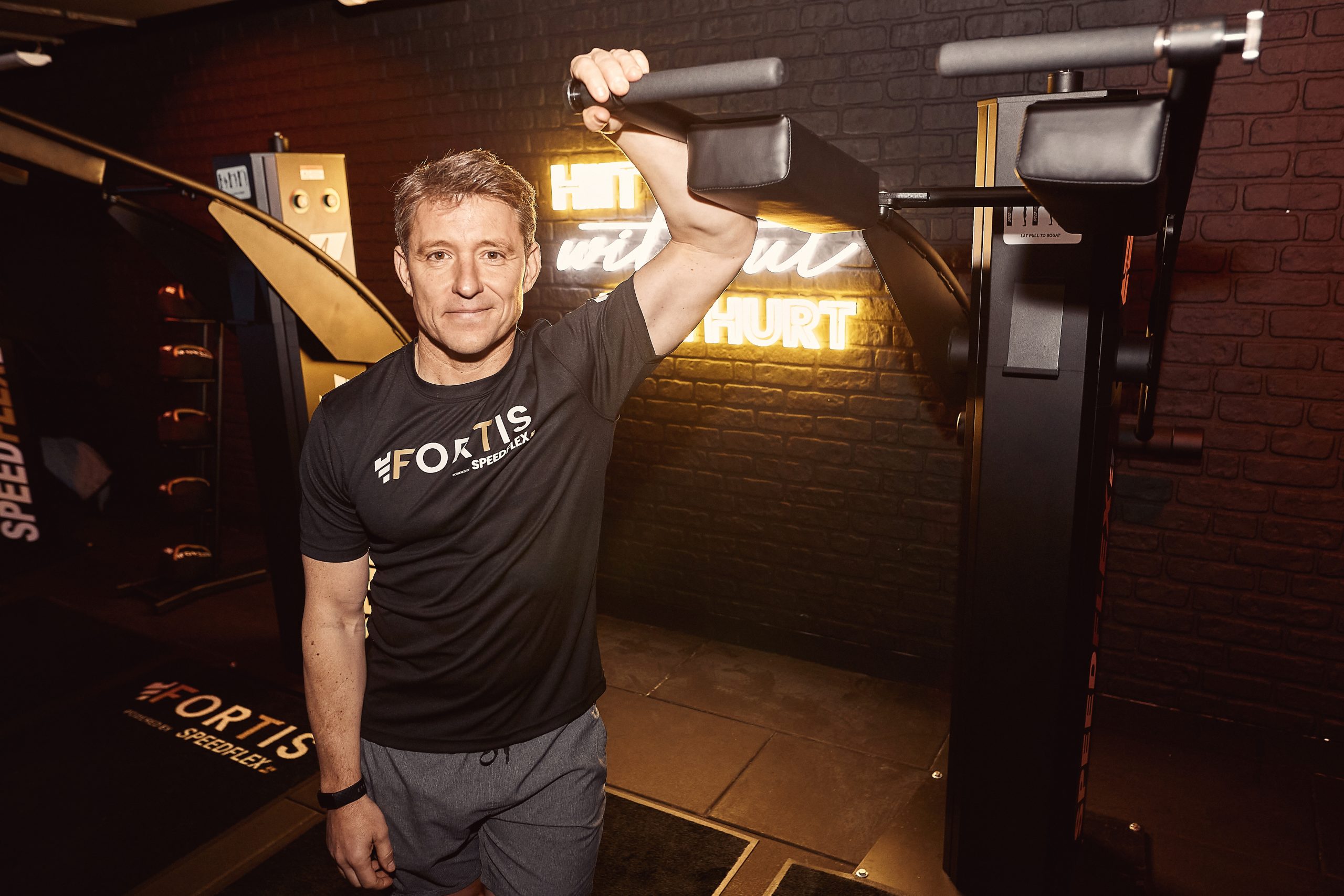
  • Supported with sales including playing a pivotal role in the development of Everyone Active’s FORTIS studios and the launch of the Speedflex Blade.
Workout fitness videography
Speedflex Blade Launch Photoshoot
Ben Shephard – TV’s Fittest Man and Speedflex Ambassador
Speedflex Blade Promo Video by Action Group

If you’re looking for help with your marketing then contact us: info@action-group.co.uk – we can do everything from assisting with creative support to managing your whole marketing strategy. Furthermore, as a full service agency we can also: manage and run social media platforms, plan and shoot brand photo and videoshoots, get your brand seen by top tier journalists and much more.