Real influencers – Action RAW Code of Conduct

models and influencers

Over recent months, we have seen a huge increase in brands wanting to deploy influencer campaigns to raise awareness and engagement amongst millennial and Gen Z audiences. Influencer campaigns are of course nothing new, but the strategic debate has moved on from whether to use a micro Vs Mega influencer, to questioning the authenticity and integrity of the images they actually produce. Raw and real influencers are becoming harder to find as trends are changing constantly.

The damage online content can have on mental health is irrefutable, with many of the globes biggest digital influencers altering their images to fit with current beauty trends: bigger bums, smoother skin, thinner noses, larger lips…setting an impossible beauty standard for our nation’s youth.

Following the inspired recent announcement by Ogilvy, who refuse to work with influential tastemakers who digitally alter their images, and the #bodyimagebill created by Dr Luke Evans that calls for brands and media outlets to display a logo where bodies have been digitally altered, we at Action Group stand by this movement. We commit to reinforce change, and challenge unrealistic beauty standards as a result of digital filters.

Our work with genetically personalised nutrition brand NGX

Recent NHS Digital data for England shows an estimated 1.25 million people in the UK are suffering from anorexia or bulimia, and more than one million are using steroids or image-enhancing drugs.

Last year, a government inquiry into body image found concerns about the way people look now “start younger, last longer, and affect more people than ever before”.

61% of adults and 66% of children feel negative, or very negative, about their body image “most of the time”, a Girlguiding survey found.

51% of 7-10-year-old girls feel “very happy” with how they look, but by age 11-16, when most girls start to use social media, this drops to just 16%.

In 2017, 88% of girls aged 11-21 said they wanted adverts that had been airbrushed to say so.

Depressing stats…
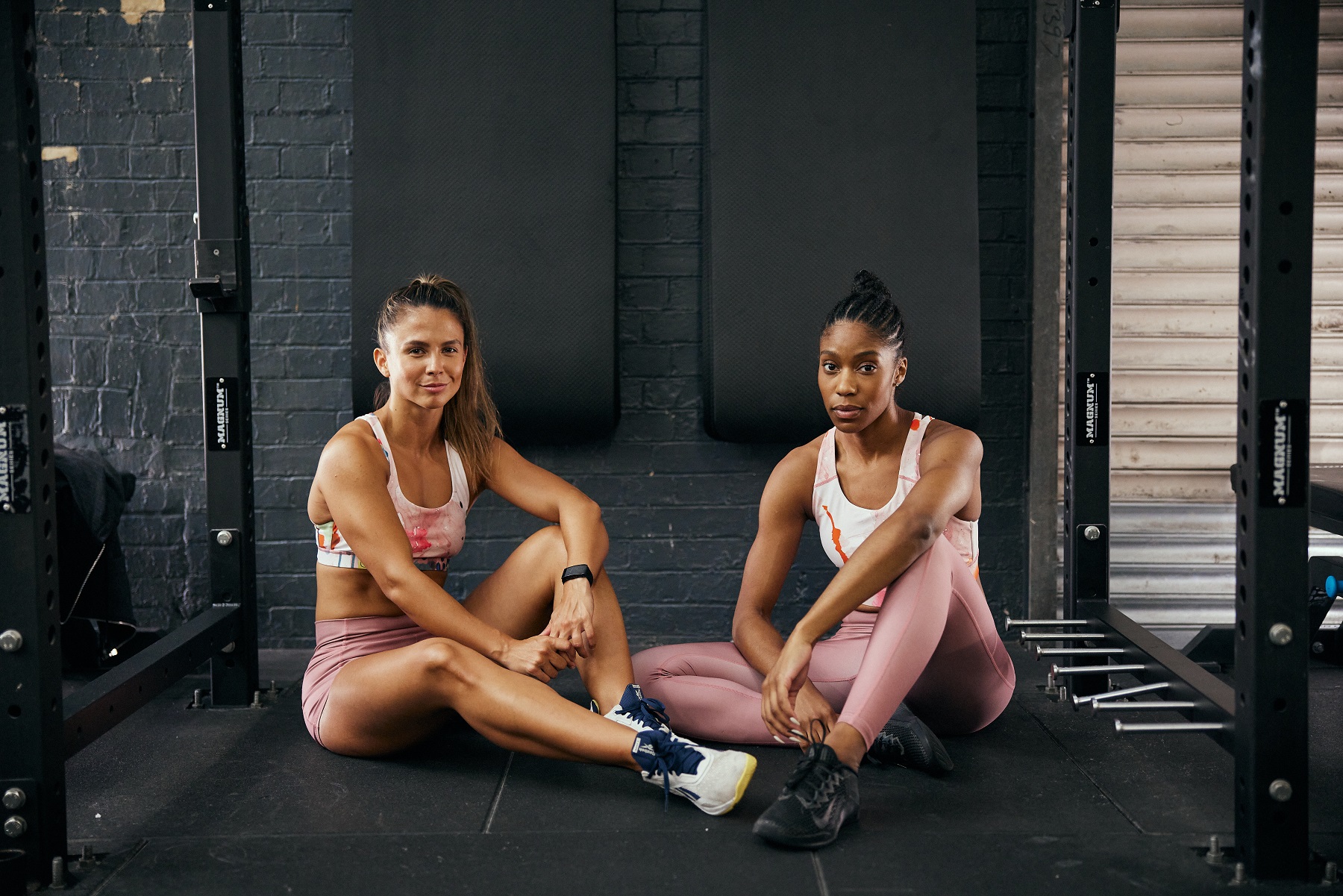
Our work for female fitness clothing brand TwoFit

As custodians of many fitness, sports and wellness brands, we must uphold a new code of ethics that fundamentally opposes the bombardment of young people with digitally altered bodies and faces in campaigns, making them feel like they should look a particular way. To play our part in this important change, we launch the Action Group RAW code of ethics in influencer engagement:

We refuse collaboration with any influencers who filter, or alter their face or body in social media content:

Retouched images from influencers across proprietary digital channels won’t be considered

Authentic influencers with genuine relevance and images that portray a true likeness to themselves will only be used across our campaigns

Warped, edited, FaceTuned or filtered content will not be used by either us, or our influencers’ content for any brand campaigns

Our work for David Lloyd

Having worked with multiple influencers in our world of health and fitness, we know just how damaging unrealistic body ideals can be, and we vow to make our digital world a more transparent place.

Check out some of our recent influencer campaigns here:

Les Mills: Pursuit of a Fitter Planet Press Event

Shooting content for NGX

Shooting content for Built for Athletes

Auster’s collective of brand ambassadors

Skinny coffee, tea-tox tea, diet pills: Should Instagram ban celebrity ads for diet aids?

Kim Kardashian diet lollipops

Written by Sam Harris, Senior Account Executive

Over the past year, Instagram has become a platform inundated by ads. Image feeds, stories and personal posts are overhauled by brands, looking to highlight their products on the social platform everyone is scrolling through. But what started out as mostly innocent product placement, has also turned into a misuse of trust, exploiting influential figureheads to make money, no matter the consequence. With a significant proportion of public yet to cotton onto such unwarranted marketing tactics, is it time for Instagram to step in and start banning ads for certain products?

Seeing the wood for the trees

This has been one of my bug bears for ages. Scrolling through my feed to see the influencers and celebs I follow showing off the latest dodgy diet shake or makeup miracle workers. I immediately scroll on (and sometimes consider unfollowing), rolling my eyes in the process. With my background in Sport Science, nutrition and, of course, PR, I recognise the laughable nature of the posts and evidence-lacking products. For others however, I appreciate the reality may not be quite so obvious. Here lies the problem.

The culprits

Kim Kardashian West, who has 126 million followers on Instagram, recently got slammed for advertising appetite-suppressing lollipops. Despite deleting the particular post, she later shared images on her profile alongside her favourite meal replacement shake…

Katie Price (1.9 million followers) has been seen to talk about how using ‘Boom Bod weight-loss shot’ helped her to get into shape. Lauren Goodger of The Only Way is Essex has advertised diet aids. Louise Thompson (1.2 million followers) has promoted her favourite tea-tox tea… YAWN! Did these celebs really get their body using ‘skinny coffee’? No. They worked hard alongside their on-demand personal trainers and at home chefs (not to mention photoshoot experts) to look the way they do on their profiles.

How can they not realise the impact of their pretences?

It’s about time

You’ll appreciate my joy when I read the BBC article earlier this week, which quoted England’s most senior doctor as criticising celebrities for advertising weight loss products, like teas, shakes and pills, on social media and suggesting platforms like Instagram should ban them.

“Our young people are bombarded with ideas, images and advertising which set such a high bar for what they should feel and look like,” he writes. “And yet there is little accountability for the impact this has. If a product sounds like it is too good to be true, then it probably is. The risks of quick-fix weight loss outweigh the benefits, and advertising these products without a health warning is damaging. Highly influential celebrities are letting down the very people who look up to them, by peddling products which are at best ineffective and at worst, harmful. Social media companies have a duty to stamp out the practice of individuals and companies using their platform to target young people with products known to risk ill health.”

So what is next?

Working in PR, I completely recognise the use of brand ambassadors to highlight the latest products on the market. Influencer marketing is huge and why wouldn’t a brand want to capitalise on their overall reach and credibility? The issue lies with the influencer. They need to have respect for their following and do their own research into a brand and the impact their post might have on consumers before mindlessly promoting products for ludicrous money. If not, they deserve to be called out for their ill-thought out behaviour. I’m definitely behind Professor Stephen Powis. Bring on the ban, Instagram!

The rise of AI influencers and what it means for marketing

Artificial intelligence freaks me out. I put it in the same category as outer space. It just makes me uncomfortable. I’m certainly not a technical luddite though. I spent much of my career working in consumer technology and social media. At home I use a robotic vacuum cleaner called Roomba. I enjoy technology, especially when machines make my life easier. But something I can’t quite get behind is this notion of artificial intelligence influencers; social media robots that look and act so real on Instagram that people can’t even tell they’re fake.

A recent article in Metro brought this new trend to my attention. Blissfully unaware that I may be following robots masquerading as real people, I read the article with a mixture of interest and disbelief. How do these AI influencers trick people into thinking they’re real? Who’s behind these characters?

Let me introduce you to one of them.

Lil Miquela

Meet Miquela Sousa, aka Lil Miquela. She’s a 19-yer old singer from California and her Instagram account has 1.3 million followers. She wears clothes from Chanel, Supreme and Vetements and was once invited by Prada to take over its Instagram account during one of the brand’s shows. She features on the cover of magazines and is named one of 2018’s 25 most influential people.

But guess what? She doesn’t exist.

Miquela is one of several AI creations from Brud, an LA-based startup specialising in artificial intelligence and robotics. When she launched on the social media scene in 2016, most people didn’t realise she was fake.

Real-looking fake humans used to be limited to Disney theme parks and video games. We had the ability to turn them off and go back to the real-world. The lines are now frighteningly blurred with fake people mingling in real life experiencing real-life things. I’m freaking out a bit.

Are influencers the new Hollywood stars?

We already live in a world where real-people influencers are likened to Hollywood stars. Brands pay huge amounts of money to leverage the following and influence of Instagram stars. But here’s the thing about real people: we can’t control them. The world of AI influencers opens up a new, curious space for brands looking to market their products – one where influencers can’t go rogue. For example, Disney and YouTube had to sever their ties with YouTube star Felix Kjellberg (aka PewDiePie) earlier this year after he posted a string of videos containing allegedly anti-Semitic jokes and other inappropriate content.

Unlike Felix, an AI influencer can be programmed to convey perfect brand messages in exactly the way a brand would want.  An influencer that a brand can control in every respect? Sounds like a dream come true for marketers!

Also, the money-making opportunities for the likes of Brud are obvious, especially if Lil Miquela is a more cost-effective ambassador for brands than a real person.  But what about the myriad of conflicts of interest this presents? What about authenticity? Transparency?  Real influencers are required to disclose their relationships with brands by using #ad or #sponsored. But do these same rules apply to robots? Since Lil Miquela has been ousted as a fake, I noticed that her Instagram profile now clearly says ROBOT.

What does this mean going forward

Is this the new normal of social media? One where we must be authorised as human much the same way Twitter accounts are verified for celebrities, athletes and politicians?

I imagine this is just the beginning. Like the introduction of any new technology, I’m reacting with scepticism and fear. I think that’s a normal HUMAN reaction. Perhaps, in ten years’ time, AI influencers will be a normal part of digital culture.

Until then, scroll carefully my friends.