
As the remnants of COVID-19 appear to be dwindling, new causes of stress have taken its place to uproot how we live our everyday lives. The increasing cost of living crisis paired with political uncertainty has slipped in the driver’s seat and taken the reins to steer us towards an increasingly stressful day-to-day existence.
It appears as though precedented times are becoming a thing of the past.
With more people heading back into work, it comes as no surprise that the most common cause of stress is work-related stress, with 1 in 6.8 people saying they experience mental health problems in the workplace (Mental Health Foundation). Almost 79% of people say they frequently feel stress in the workplace (Statista) which may explain the tremendous shift the workplace has seen over the past three years, with more people than ever deciding to take charge of their mental health and prioritise their wellbeing over other aspects of their career.
Though it may come as a shock to some, Gen Z’s reputation precedes them with research by the world’s largest corporate-wellbeing platform Gympass finding that they are actually the happiest and most hardworking generation. Gen Z is three times more likely to rank wellbeing at work as important compared to the older workforce and 75% are happy at work compared to 60% of older workers. We delved into the Gympass State of Wellbeing Report as well as the implications of the findings in more detail in our blog here.
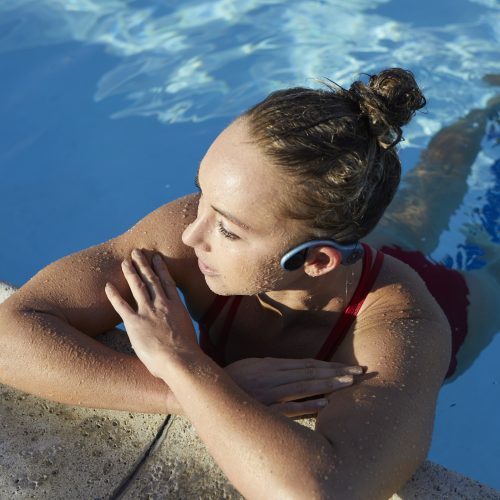
So with this workplace transition, how are people are coping with stress and prioritising their overall wellbeing? It should come as no surprise that 42% of people turn to exercise to improve their mental wellbeing and 1 in 5 practice mindfulness, yoga or meditation (Perkbox). Whether you’re going to Ten Health and Fitness for a Pilates class, smashing the heavy bags at Blaze, or splashing around in the pool using the Zygo Solo, there is no denying the physical benefits exercise has on alleviating symptoms of stress.
However, exercise goes beyond just offering physical benefits.
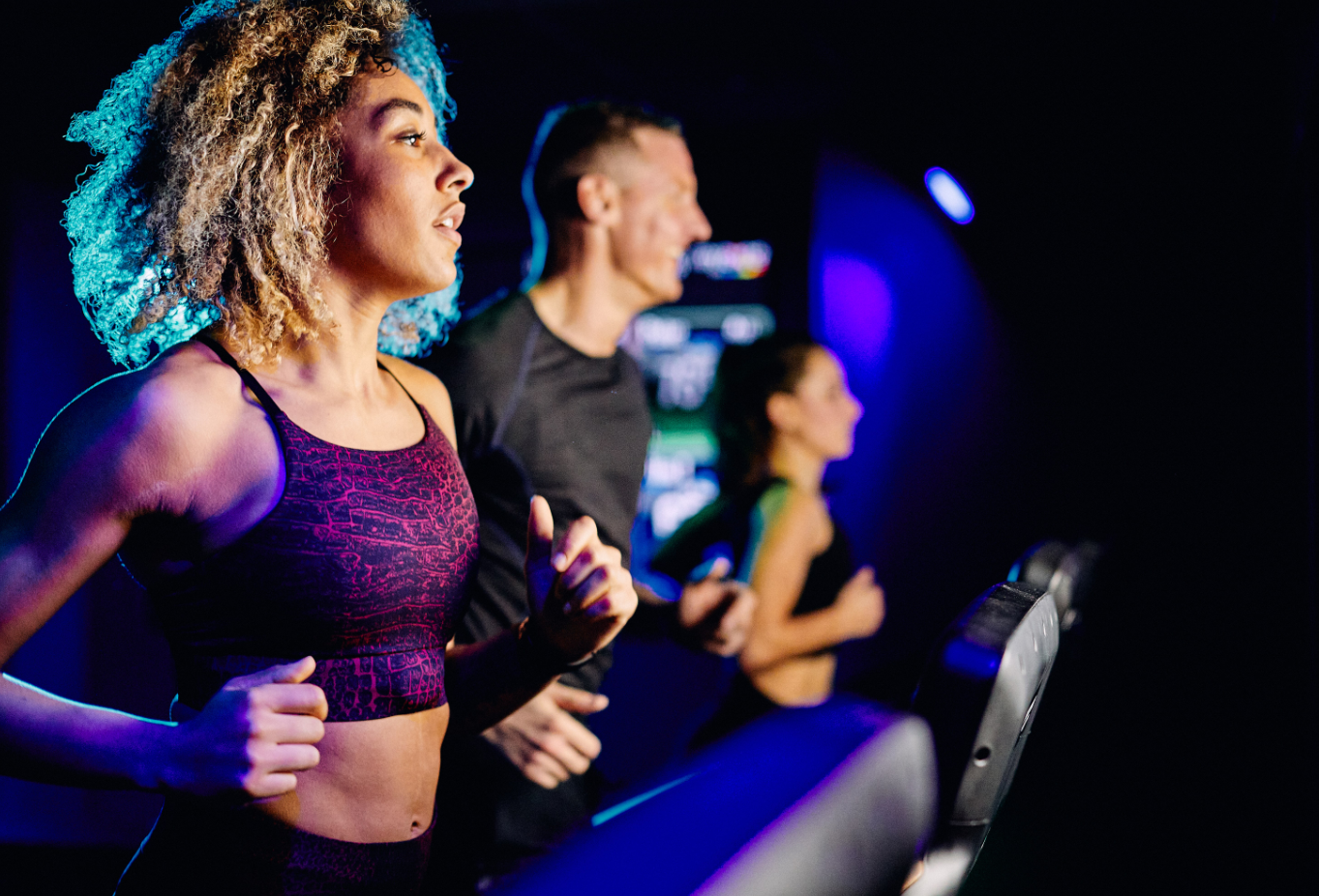
There is a lot to be said for the social interaction and group elements of exercise and how they can help towards improving overall wellbeing. For example, Orangetheory Fitness is a heart rate-based interval training, combining the use of treadmills, rowing machines and weights to provide a full-body workout. The group workout element of this studio provides a sense of community – with the workout being accessible to anyone regardless of age or fitness ability, the social interaction and support is enough in itself to help reduce the effects of stress.
Whilst high-intensity exercise is very beneficial, it may not be suitable for everyone. There are now more people aged 50 and older in work or looking for work than since just before the pandemic (ONS) so for the older generation looking to relieve stress, low impact and joint friendly forms of training may be more appealing. Likewise high-intensity exercise may not be the solution to work-induced stress, especially if sleep and physical health are beginning to be affected. Firstbeat are leaders in Heart Rate Variability (HRV) monitoring and analysis, and HRV can be used to map our stress, recovery, sleep and exercise performance. A variety of factors have significant effects on HRV, such as: stress, sleep quality, hormones, physical activity, food intake, and alcohol. Firstbeat experts tell us that stress isn’t necessarily a bad thing, but it must be balanced with recovery; high stress levels that are unbalanced with recovery can lead to exhaustion, burnout and physiological complications.
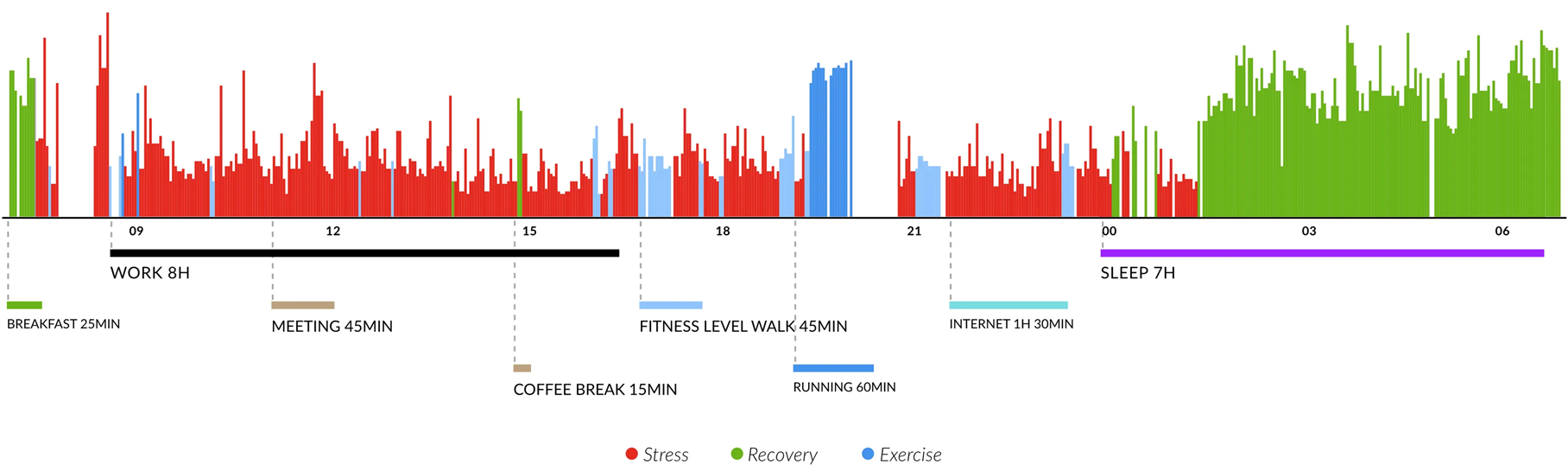
This means that for certain populations a focus on wellbeing over exercise could be the direction to go in to alleviate symptoms of stress. By focusing on rest and recovery; achieving higher quality sleep, being aware of stressors, taking restful moments throughout the day could all help greatly improve stress-recovery balance. Self-care is a topic constantly trending and it appears as though the pressures to hit the gym six times a week are dying down – a majority of Generation Z are dedicated to making lifestyle changes to help prioritise their mental wellbeing and protect them from stress in the workplace.
Beyond the mainstream methods of stress relief and physical activity, there are many day-to-day hobbies that can have the same effects as regular exercise. Whether it’s walking your dog every day, committing time to gardening or taking part in more unconventional activities like rock climbing – these can offer the same effects as an exercise class while appealing more to the things you find fun. Fun forms of fitness that don’t primarily feel like exercise could be the key to managing work-related stress and improving your overall wellbeing.
We are industry experts with decades of experience. As a full-service marketing agency we offer everything from consultancy, PR and brand photoshoots, to full website and app build. If you are a business in the health, fitness and wellness industry and looking to expand, grow and raise your profile then get in contact with us: info@action-group.co.uk