The Future of Tech in Wellness

tech in wellness

We recently attended a talk with leading health, wellness and fitness brands in London, where the state of the industry was being discussed as well as current and future trends. Tech is, as ever, a huge topic of debate and its future is one everyone is keeping a close eye on. If you are interested in the topic of fitness and tech, check out our blog about Les Mills’ foray into the VR world here, where they launched the BODYCOMBAT VR app which fuses globally renowned trainers with Virtual Reality technology.

Below is a breakdown of what expert panellists Keith Leddington, Suba M and Fiona Sweny have predicted for the future of tech in wellness. Leddington is the Director of Partnership at FitXR, a virtual reality workout app that combines fitness with gaming through either boxing, dancing or HIIT training. Both Suba M and Fiona Sweny work at health and wellness brand Holland and Barrett – Suba M is the Director of Science while Sweny is the Journeys Science Lead.

Growing popularity of Apps

During the discussion, the panellists agreed that one of the most notable advances of tech in wellness is the increasing popularity of fitness apps. With over 71,000 health and fitness apps launched in 2020, there is no denying the impact that fitness apps have had on the industry, especially in the last few years. This prompted the question about whether the connectivity between wellness apps and healthcare providers is giving people the access to help they require. Suba M pointed out that the data collected by these apps is becoming more detailed as time goes on which could give users more insight into their health and associated risks.

We worked with Hackney-based boutique fitness brand The Refinery on their Refine with ALFI app, a virtual fitness app which allows users to create their own avatar-instructor, decide what type of exercise class they do and what music they want to listen to, in an inclusive and non-judgemental environment enabled by the avatars. We supported their team in the launch of their app which takes personalisation and detail to the next level, you can read more about this here. The panel went onto discuss that, despite the increasing popularity of these fitness apps, there is a reasonable argument to suggest that the technological transformation of the fitness industry could inadvertently fuel social media addictions and therefore actually hinder the future of tech in wellness. It’s undeniable though, if new apps and avatar-instructed fitness classes are encouraging more people to exercise, then that is a great result.

Wearables

As a secondary point, the panel discussed the demand for fitness tech in the form of wearables such as watches and monitors. The host asked the question, are wearables becoming more popular than wellness/fitness apps? The panellists argued that, though there are less of them compared to the influx of apps we see daily, wearables tend to gain more traction and are arguably more fine-tuned to individuals compared to inputted data on an app. Back in April, we delved into hyper-personalisation and how it is changing the fitness landscape through fine-tuned data, and you can read all about this here.
tech in wellness

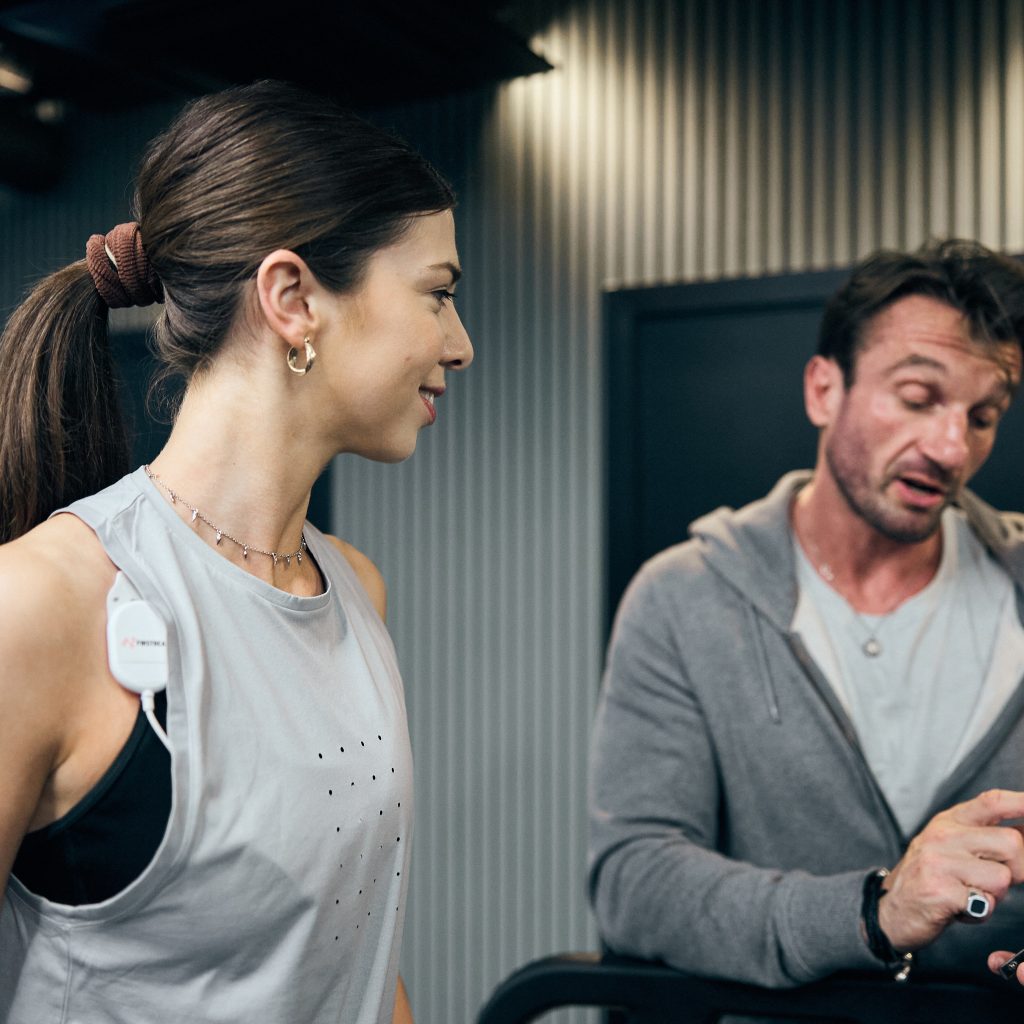
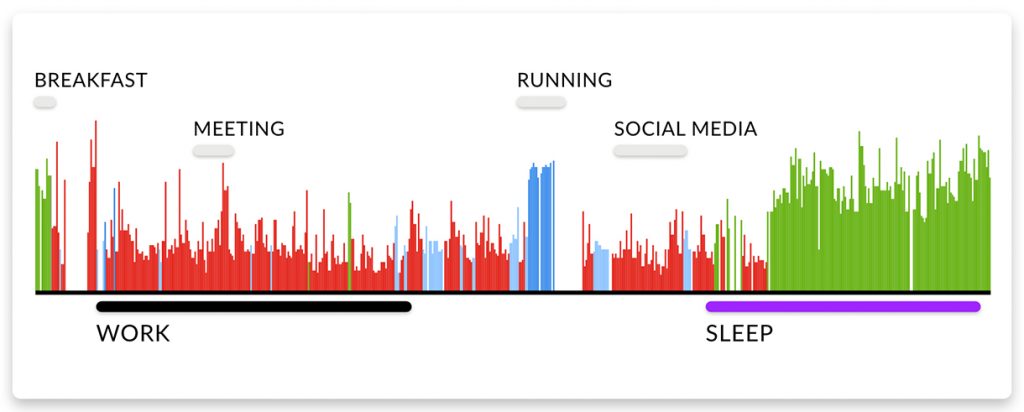
We also recently worked with Firstbeat for the launch of their newest Heart Rate Variability (HRV) monitoring tool, which uses a clinical-grade ECG heart rate monitor to track heart activity and provide a detailed analysis of stress, recovery, sleep and exercise performance. This service is specifically designed for Personal Trainers to offer to their clients, enabling them to offer them the most personalised training ever. These highly accurate wearables will scientifically upgrade a PTs service, and therefore improve the wellbeing and lifestyle of the wearers. You can read more about our work launching Firstbeat Life here.

Wearables are also increasing in popularity outside the scope of fitness – many wellness wearables focus on sleep patterns and stress levels as opposed to just calories or step count. Google Trends data shows that searches for “stress trackers” increased by 80% between January 2020 and March 2022, with sales up by roughly 20% during the same period, showing that the demand for wearables for wellness is still rising.

The panel also mentioned that despite the fact that many people are wearing some kind of wearable tracker regardless of fitness level, it could be argued that monitoring health/wellness in this removes the fun and makes it too competitive. However any wearable that makes the wearer more mindful of exercise, more aware of their fitness level and positively encourages them to move if they need to is a good thing. Research from the University of South Australia found that wearing fitness/activity trackers motivates people to walk up to 40 minutes more each day and resulted in an average weight loss of 1kg over 5 months which demonstrates the effectiveness and accuracy of smart technology in exercise.

The Potential for AI and VR

Many companies are introducing AI and Virtual Reality as alternative methods of training which is the most technologically advanced form of training the industry is currently seeing. You can check out our blog on the rise of AI influencers and how they are changing the norm of social media here. The gaming industry has been booming amongst the younger generation for many years now, so there is an argument to be made that the combination of gaming technology with fitness could motivate more people to exercise.

tech in wellness

The idea of VR for exercise could also extend the fitness community, allowing people to combat loneliness by finding friends and in turn improving their overall wellness. Though the sense of community could increase for the better, the panel pointed out that all VR communication is spoken so it’s harder to moderate what is being said which runs the risk of negativity and harm being spread across the platform.

Final verdict

The impact and future of tech in wellness is undeniable, with almost every brand and business seamlessly integrating some form of tracker or app into their practice. They are certainly increasing in popularity, with a Poll by YouGov showing that 30% of all adults across the country own and regularly use some form of wearable fitness device. These fitness trackers were most popular with adults aged between 25-49, with 39% saying they use a wearable device. In this same poll, 53% of adults say that they have never owned any form of wearable device, but could this figure begin to decrease as the innovations within the industry continue to progress?

If you have an innovative product or service in the health, fitness and wellness industry and want to see yourself on a future trends report, or looking to grow and make your mark on the industry then get in touch with us. We are experts in consultancy, marketing, PR and advertising, so whether you’re a small business or a multi-million pound turnover one, we can help you. Email us: info@action-group.co.uk

Hyper-personalisation is changing the fitness landscape

fitness workout data and information

Hyper-personalisation in the fitness industry has grown rapidly in recent years and is already reshaping the way we exercise. This is largely due to data and technology increasing and offering information that informs on and impacts our exercise routines. With wearable tech continuing to grow, as we discussed in our 2022 fitness trends report, more and more people are gaining access to an incredible amount of biometric data. Metrics such as quality of sleep, calories burned, heart rate variability, blood oxygen levels and even acclimation to heat and altitude, means each individual can now track their fitness progress with accuracy and ease.

Thanks to apps like Apple Fitness and Samsung Health, the sharing of data from these apps to others has also allowed all health and fitness providers to improve their services with this information. A great example of this is Nutra Check, the calorie counting app that now uses data from your phone and smartwatch, to manage your required calorie intake based on your energy expenditure each and every day.

Accountability for daily steps and exercise has increased massively upon having access to these results each day: with weekly reports on activity, people can now be more aware of their progress, and if they are on track to reach their targets. Digital wellness is continuing to grow with highly personalised experiences. For example, Headspace has been the leading mindfulness app for years with good reason, offering personalised progress, with tracking of time spent meditating, stress and happiness levels, and sleep quality. Apps like Zero, a fasting platform, also offer personalised insights and advanced tracking to help manage sleep quality and boost energy. This data and feedback together, are helping to build your very own wellness ecosystem, and it won’t be long until the likes of Apple put this all into one space for you to check up on yourself with a summary of your information.

Improving Personal Training Offering Through Hyper-Personalisation

Companies like Firstbeat are already using their heart monitoring technology to give personal trainers, and sports coaches, the ability to provide feedback on the effectiveness of their clients’ training, recovery status, fitness level and stress. This information is vital for trainers to understand the progression of their clients, and how they can improve their programme to help reach their goals more efficiently.

Tracking both sleep and recovery means trainers will be able to restructure their workout plans each and every week. If they have a particularly demanding session planned in the evening with their client, but can see they have been highly stressed throughout the day, with a lack of sleep, they can then re-arrange that session to ensure they are not over-working them. This technology from Firstbeat allows trainers to give personal insights to their clients weekly, whilst freeing up more of their own time, allowing them to take on more clients.

hyper-personalised heart rate data

Improving Fitness Businesses

Fitness operators have also seen substantial changes to their offering, with the digital world of fitness growing rapidly during lockdown. More businesses are now able to offer better-personalized experiences both on site, and online. With access to a broad amount of information on each member, operators can now make personalized suggestions based on their activities and attendance.

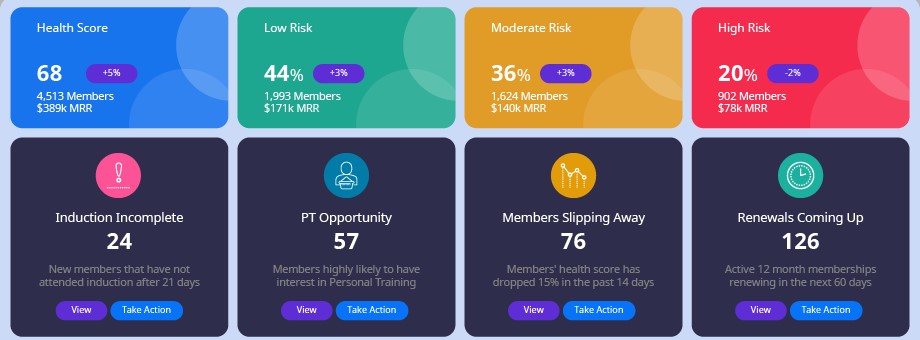
Keepme.ai, a retention and marketing platform, has taken this to a whole new level. Using AI and machine learning, Keepme.ai is able to give accurate predictions on when members will be likely to leave, which prospects will be likely to join, and which members are likely to want to purchase personal training sessions.

This data is an opportunity for operators to elevate their business whilst offering a hyper-personalized experience to their members, creating meaningful relationships with their members in the long run, which will only improve their retention.

hyper-personalised member information

Overview of hyper-personalisation in the fitness industry

Hyper-personalisation in the fitness industry has been accelerated by lockdown, showing no signs of slowing down. Within the first two months of lockdown, we predicted that digital fitness offerings personalising their customer experience, will be the most likely to succeed during and after the pandemic, written in our feature The Future of Digital Fitness.

It’s safe to say that every area of the fitness industry has benefitted from hyper-personalisation and will continue to do so. The data is there for everyone, and now it’s up to businesses, trainers and individuals to capitalise and reap the rewards of information.

If you have an innovative product or service in the health, fitness and wellness industry and want to see yourself on a future trends report, or looking to grow and make your mark on the industry then get in touch with us. We are experts in consultancy, marketing, PR and advertising, so whether you’re a small business or a multi-million pound turnover one, we can help you. Email us: info@action-group.co.uk

The Future of Digital Fitness

Les Mills on Demand

How COVID-19 has revolutionised the digital fitness space

We spoke to Head of Media at Les Mills, Jean-Michel Fournier, who leads the charge with Les Mills’ digital platform, Les Mills On Demand. With years of experience working alongside Silicon Valley giants including Hewlett Packard, GE and BitGym, Jean-Michel has brought a well-rounded knowledge of the technology, digital and fitness sectors to his role at Les Mills.

As the Covid-19 pandemic impacted the world, one of the biggest changes that consumers had to incorporate into their ‘new normal’ in lockdown was exercising at home.

During this time, the fitness industry has seen huge changes in the consumer demands and behaviours. Jean Michel makes the argument below that following this growth in the market, consumers are going to want a more 360⁰ approach to health and fitness in their lives.

Accelerator not catalyst

Even though on-demand and at home fitness isn’t a new phenomenon, the pandemic really catapulted the need for people to use this service, to maintain a semblance of health and normality during tough times. Les Mills on Demand, the Netflix-style workout hub from fitness juggernaut Les Mills, has seen a 900% increase in use since January 2020. Jean-Michel points out that although it seems like Covid launched at-home fitness, it was merely an accelerator for the market.

“We’ve been doing on-demand fitness globally for years now. However, what COVID really kickstarted, was live-streaming fitness. This was because people were lacking the connection they usually get from being in a physical class with other people. They craved the human-interaction and live-streaming was born,” Jean-Michel explained.

With the huge variety of live and on-demand fitness now available on the global fitness market, does this make industry heavy-weights like Les Mills nervous about people returning to real classes in-studios and gyms in the future?

“We believe there will still be a huge number of people who return to the studios and want to go back to their normal way of exercising, but we’re excited about the future of digital fitness too. For us, the goal is about humanising the digital fitness space. We’re talking to our instructors and customers now more than ever; this period has given us unique insight into what people want and find most important in their daily lives.”

Competition

Data has become one of the most prevalent tools in accelerating new trends and solutions across all markets during this time, as well as the need to combine forces with other industries and consumer demands.

“We’re seeing that normal industry-competitors are teaming up, supporting one another and working together to help consumers. For example, Les Mills has been working closely with the team at Zumba to make sure that everyone in our remit – clubs, instructors, customers – are looked after. It’s about collaborating to ensure health and wellness on all levels. That’s one of the single biggest positives that digital fitness has encouraged, and I believe it’s here to stay.”

Jean-Michel’s point here is about finding solutions on all levels and incorporating 360⁰ health and wellness offerings in digital fitness as the biggest opportunity to grow. He discussed this earlier this year in an interview with Forbes.com:

“Consumerization of the fitness club (a $100bn industry) is inevitable. This industry will need to follow the member into the anytime and anywhere model – At home and travel. This changes the core economics and service levels and more of a 24/7 engagement model. The pandemic has bought the idea of the club into the house on a wider basis than before, so the opportunities are much bigger than ever before to shift the relationship away from old world economics.” Jean-Michel Fournier for Forbes

Community

Through this experience, Les Mills has found that going back to its roots as a brand has been the most successful part in navigating the crisis. “It’s really very simple; we are about Tribe and community. Our instructors, clubs and consumers are our community and we need to do whatever we can for them to lead a better life, during the crisis and afterwards.” With the overwhelming amount of the global population reaching out for the connection in community, this is where Les Mills sees the future of digital fitness.

“It’s easy to get lost in the data but ultimately, the Les Mills business is about people. We’ll be using digital fitness now and, in the future, to speak directly to our instructors and consumers. Les Mills will still offer the highest quality on-demand workouts, but we’ll also look at training our instructors in digital fitness – so they have this tool in their armoury too.”

Personalisation

Which brings us to the most pertinent part of the digital fitness space – personalisation. If consumers now have a taste for digital fitness, they will be more invested in incorporating their fitness into daily life whether that is at home or not. The digital fitness offerings that will succeed during this time in the pandemic and beyond will be the ones personalising the customers experiences.

“As well as training our instructors to be able to instruct digitally, we’ll also look at supporting members through their unique goals. Clubs need to realise that now it’s not just about bringing members to their clubs. It’s about how they are going to support members in the club and away from it. As a brand Les Mills, we’re looking at elements like virtual coaching, which we feel, will be the best way for digital fitness to evolve.”

The opportunity to grow digital fitness without directly impacting in-studio offerings it seems, is a big one. Les Mills is one of the industry leaders in this field and will continue to grow its repertoire of live and on-demand classes to fit to the consumers needs. Any brand that wants to stay relevant in the space, needs to incorporate this into its strategy too.

If you have a brand that has an in-studio or digital offering which you would like marketing, PR, or consultancy support for, we can help. Get in touch via info@action-group.co.uk