
We recently attended a talk with leading health, wellness and fitness brands in London, where the state of the industry was being discussed as well as current and future trends. Tech is, as ever, a huge topic of debate and its future is one everyone is keeping a close eye on. If you are interested in the topic of fitness and tech, check out our blog about Les Mills’ foray into the VR world here, where they launched the BODYCOMBAT VR app which fuses globally renowned trainers with Virtual Reality technology.
Below is a breakdown of what expert panellists Keith Leddington, Suba M and Fiona Sweny have predicted for the future of tech in wellness. Leddington is the Director of Partnership at FitXR, a virtual reality workout app that combines fitness with gaming through either boxing, dancing or HIIT training. Both Suba M and Fiona Sweny work at health and wellness brand Holland and Barrett – Suba M is the Director of Science while Sweny is the Journeys Science Lead.
Growing popularity of Apps
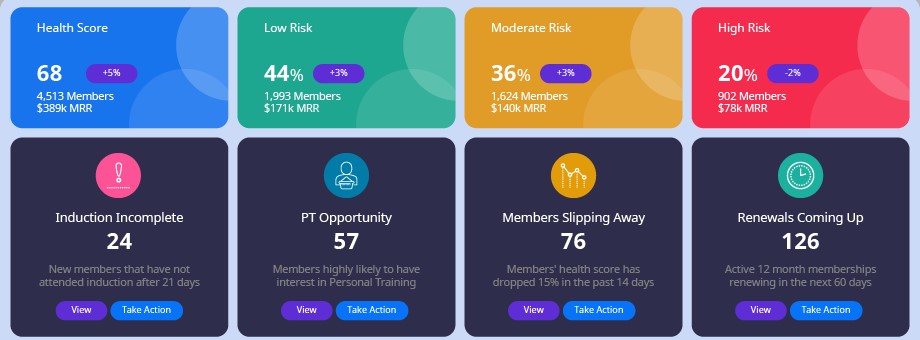
During the discussion, the panellists agreed that one of the most notable advances of tech in wellness is the increasing popularity of fitness apps. With over 71,000 health and fitness apps launched in 2020, there is no denying the impact that fitness apps have had on the industry, especially in the last few years. This prompted the question about whether the connectivity between wellness apps and healthcare providers is giving people the access to help they require. Suba M pointed out that the data collected by these apps is becoming more detailed as time goes on which could give users more insight into their health and associated risks.
We worked with Hackney-based boutique fitness brand The Refinery on their Refine with ALFI app, a virtual fitness app which allows users to create their own avatar-instructor, decide what type of exercise class they do and what music they want to listen to, in an inclusive and non-judgemental environment enabled by the avatars. We supported their team in the launch of their app which takes personalisation and detail to the next level, you can read more about this here. The panel went onto discuss that, despite the increasing popularity of these fitness apps, there is a reasonable argument to suggest that the technological transformation of the fitness industry could inadvertently fuel social media addictions and therefore actually hinder the future of tech in wellness. It’s undeniable though, if new apps and avatar-instructed fitness classes are encouraging more people to exercise, then that is a great result.
Wearables
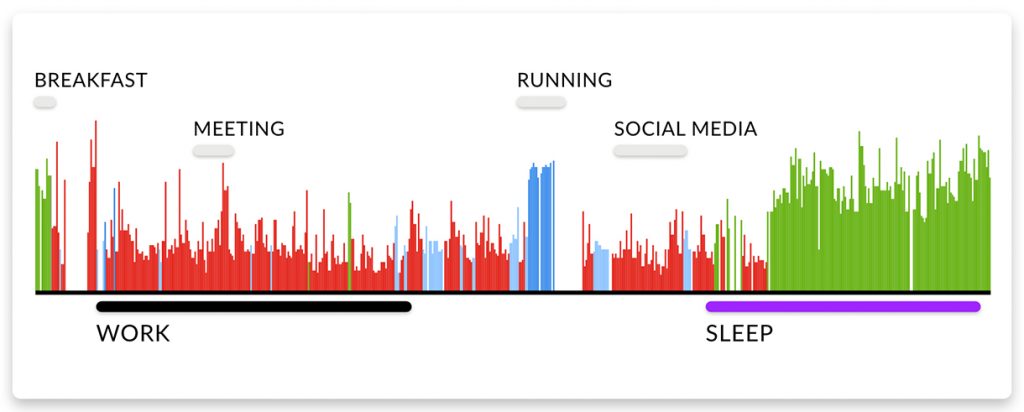
As a secondary point, the panel discussed the demand for fitness tech in the form of wearables such as watches and monitors. The host asked the question, are wearables becoming more popular than wellness/fitness apps? The panellists argued that, though there are less of them compared to the influx of apps we see daily, wearables tend to gain more traction and are arguably more fine-tuned to individuals compared to inputted data on an app. Back in April, we delved into hyper-personalisation and how it is changing the fitness landscape through fine-tuned data, and you can read all about this here.

We also recently worked with Firstbeat for the launch of their newest Heart Rate Variability (HRV) monitoring tool, which uses a clinical-grade ECG heart rate monitor to track heart activity and provide a detailed analysis of stress, recovery, sleep and exercise performance. This service is specifically designed for Personal Trainers to offer to their clients, enabling them to offer them the most personalised training ever. These highly accurate wearables will scientifically upgrade a PTs service, and therefore improve the wellbeing and lifestyle of the wearers. You can read more about our work launching Firstbeat Life here.
Wearables are also increasing in popularity outside the scope of fitness – many wellness wearables focus on sleep patterns and stress levels as opposed to just calories or step count. Google Trends data shows that searches for “stress trackers” increased by 80% between January 2020 and March 2022, with sales up by roughly 20% during the same period, showing that the demand for wearables for wellness is still rising.
The panel also mentioned that despite the fact that many people are wearing some kind of wearable tracker regardless of fitness level, it could be argued that monitoring health/wellness in this removes the fun and makes it too competitive. However any wearable that makes the wearer more mindful of exercise, more aware of their fitness level and positively encourages them to move if they need to is a good thing. Research from the University of South Australia found that wearing fitness/activity trackers motivates people to walk up to 40 minutes more each day and resulted in an average weight loss of 1kg over 5 months which demonstrates the effectiveness and accuracy of smart technology in exercise.
The Potential for AI and VR
Many companies are introducing AI and Virtual Reality as alternative methods of training which is the most technologically advanced form of training the industry is currently seeing. You can check out our blog on the rise of AI influencers and how they are changing the norm of social media here. The gaming industry has been booming amongst the younger generation for many years now, so there is an argument to be made that the combination of gaming technology with fitness could motivate more people to exercise.

The idea of VR for exercise could also extend the fitness community, allowing people to combat loneliness by finding friends and in turn improving their overall wellness. Though the sense of community could increase for the better, the panel pointed out that all VR communication is spoken so it’s harder to moderate what is being said which runs the risk of negativity and harm being spread across the platform.
Final verdict
The impact and future of tech in wellness is undeniable, with almost every brand and business seamlessly integrating some form of tracker or app into their practice. They are certainly increasing in popularity, with a Poll by YouGov showing that 30% of all adults across the country own and regularly use some form of wearable fitness device. These fitness trackers were most popular with adults aged between 25-49, with 39% saying they use a wearable device. In this same poll, 53% of adults say that they have never owned any form of wearable device, but could this figure begin to decrease as the innovations within the industry continue to progress?
If you have an innovative product or service in the health, fitness and wellness industry and want to see yourself on a future trends report, or looking to grow and make your mark on the industry then get in touch with us. We are experts in consultancy, marketing, PR and advertising, so whether you’re a small business or a multi-million pound turnover one, we can help you. Email us: info@action-group.co.uk