
Every year, publications across the consumer and industry sectors will publish their future trend predictions. From at-home gym spaces, Working From-Gym (thanks, cost-of-living crisis!), wearable tech and AI-powered fitness instructors – the world of health and fitness continues to develop and innovate at an incredible rate.
Which is why, as a specialist communications and content agency, we ensure our future forecasting is at the forefront of influencing what and when publications include within theirs. Take a look at our list of new and emerging health and fitness trends in 2023 to look out for:
Fitness for the ages and stages
In times gone by, ‘health & fitness’ was seen as an exclusive circle of slim, young gym-goers who supplemented their lunchtime spin class with a salad and a juice. Thankfully, narratives have since shifted and the accessibility and inclusivity of the health and fitness industry is beginning to improve, ensuring that individuals of all ages, races, abilities and sizes feel welcomed and able to prioritise their health and movement.
Illustrating this, sector leaders are going to great lengths to help those in every life stage to find an exercise format that works for them. From next-gen machines that give athletes the edge in their training programme to apps that appeal to those going through menopause and even circuit training for the elderly.
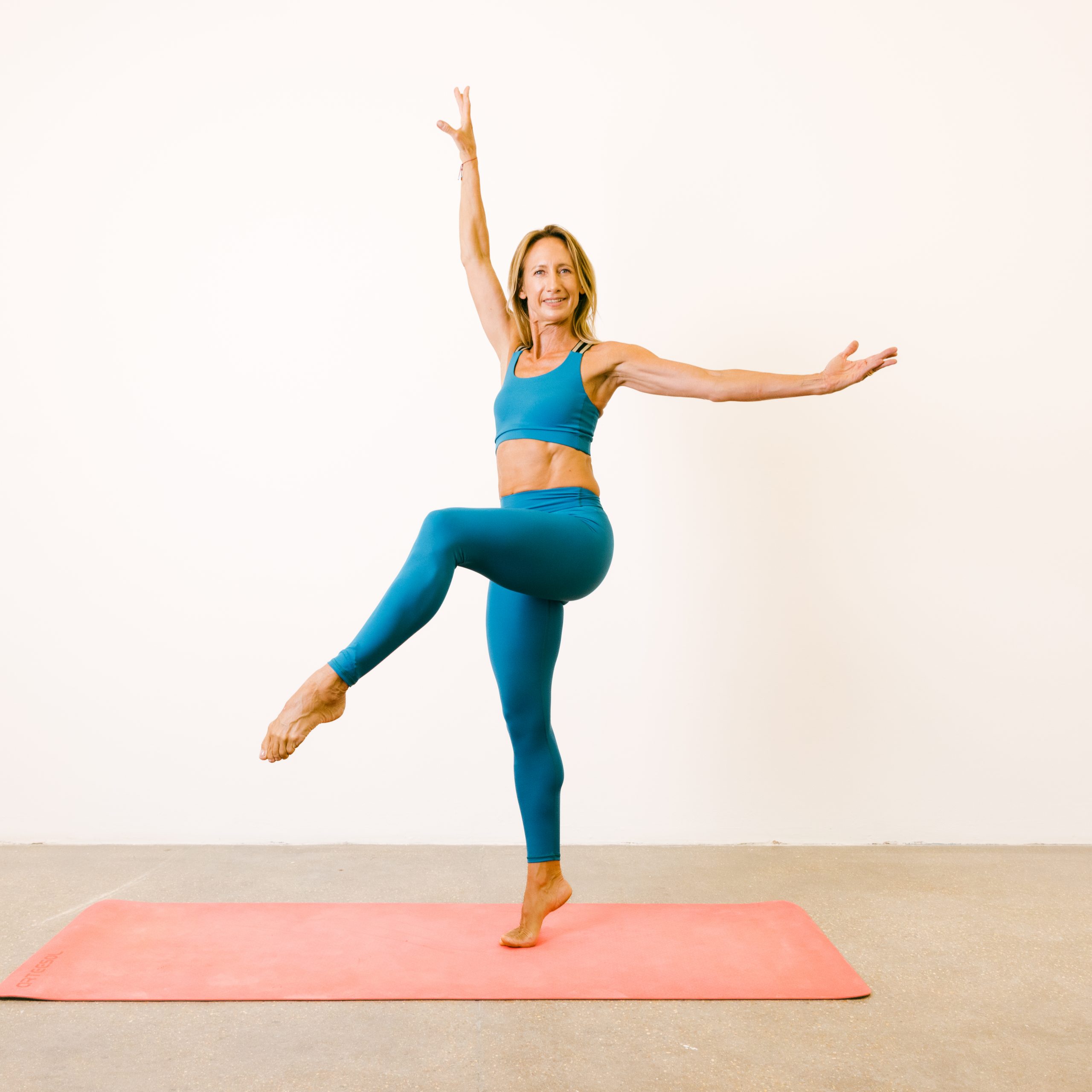
Midlife Movement Maverick:
Famous for crafting the bodies of Hollywood stars including Emily Blunt, Stanley Tucci, Hayley Atwell and Anne Hathaway, 55-year-old celebrity trainer and fitness app founder Monique Eastwood’s mission is to educate people on how everyday movement hones the body at every life stage. With multidirectional movement as her priority training tool, Monique uses three decades of experience to teach how posture, technique and form is important for strengthening the body throughout the different ages – including when hormonal health takes a dip in midlife and during perimenopause and menopause. Monique trains clients from across the globe via her Eastwood Fit app, which we worked with her to build. You can read more about how that process works and why it’s still a market-leading option long after the pandemic-induced on-demand fitness trend.
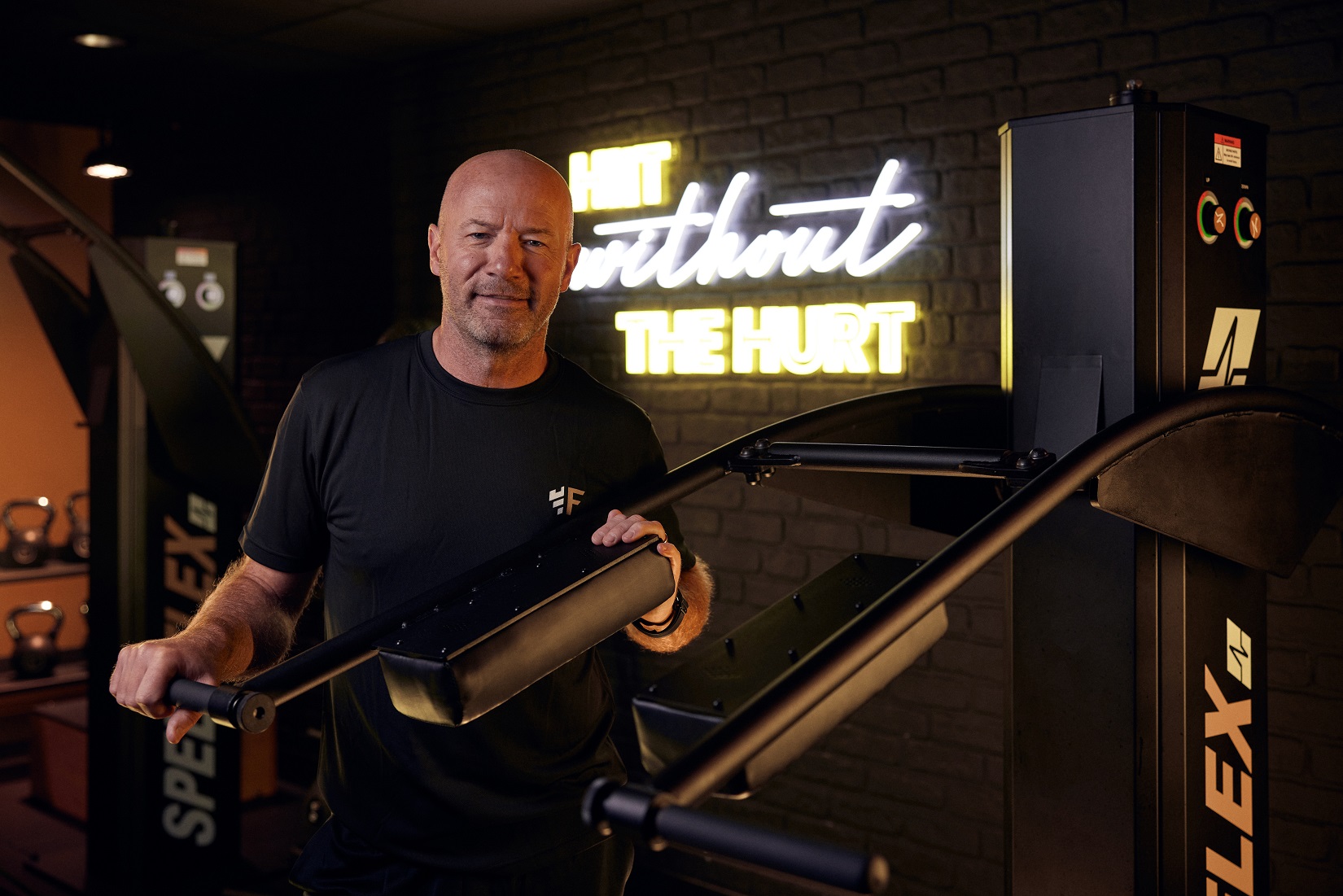
HIIT without the Hurt:
HIIT isn’t going anywhere. In fact, more and more studies are showing how it is a valuable form of exercise for many different conditions. With this in mind, FORTIS, powered by Speedflex is the 30-minute HIIT class with a difference and a great example of a workout class that can be completed with participants of all ages and abilities. The class is built upon Speedflex’s unique personalised resistance concept, allowing every participant to train at their optimum level. As such, people of all abilities, from pensioners to athletes can partake in the class and reap the benefits of group exercise. In particular, FORTIS has seen great success in training clients who suffer from conditions such as Parkinson’s and Cancer, as the unique training method – which is high intensity, but low impact means clients can workout to their own max with no aches and pains the next day.
Shocking Value
You may have seen our previous feature about EMS Training, which continues its UK-wide growth with new studios such as Feel Electric, Ironbody Fit and Surge opening around the country. EMS stands for Electro-Muscular Stimulation and is billed as ‘the smartest way to train’. An external EMS device sends a finely tuned electrical signal to the muscles, causing them to contract. The signal mimics the natural signal sent by the brain to the muscles but is more powerful.
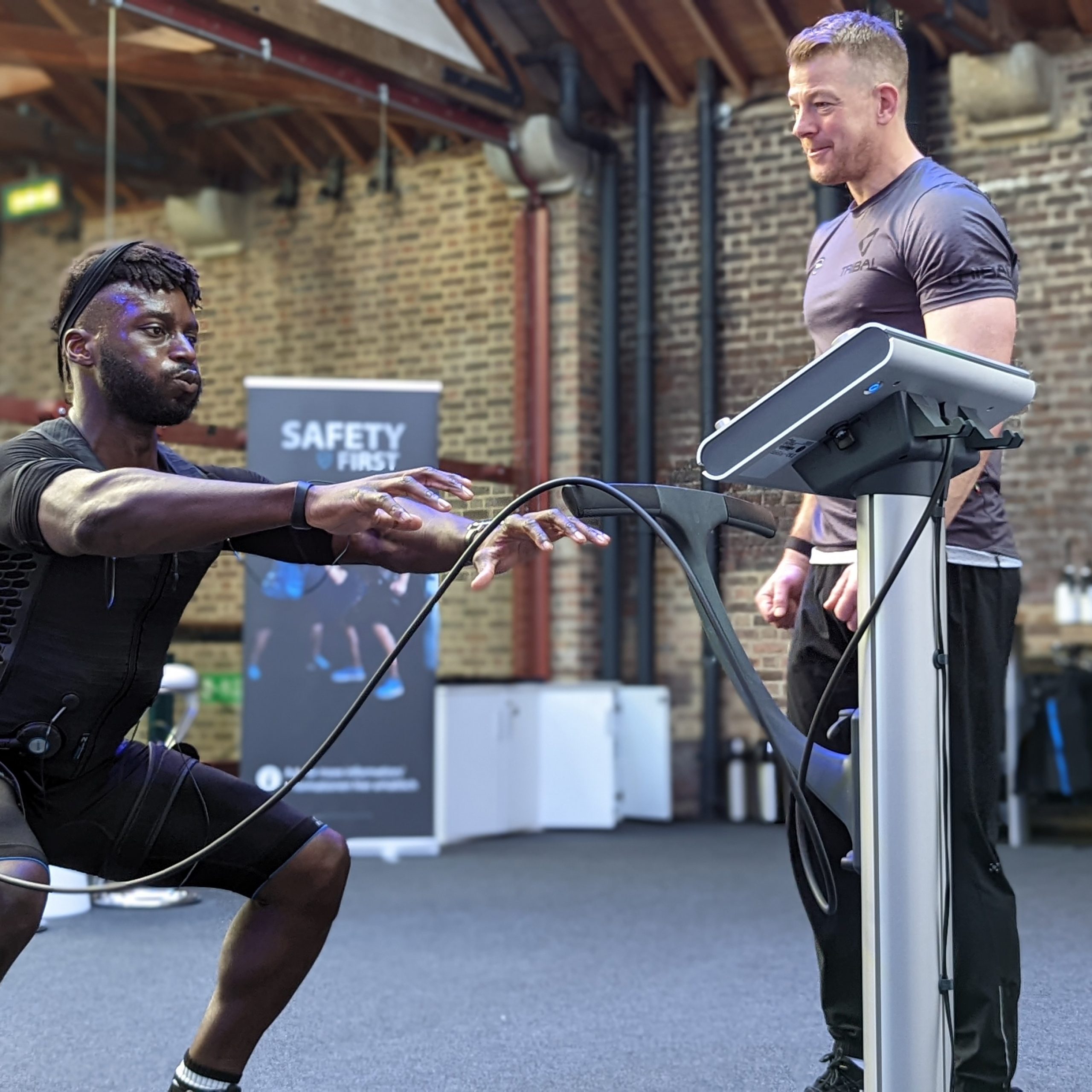
Combined with a ‘free will contraction’ during an exercise, and the external stimulus from the EMS device, individuals activate up to 98% of their muscle fibres. Not only is EMS training fast and effective, it’s ideal for people of all ages and abilities. The list of celebrities reaping the rewards extends from professional athletes like Usain Bolt and David Haye, to Hollywood actors like Tom Holland and models and singers such as Poppy Delevingne, Chrissy Teigen and Rita Ora.
Normalising Women’s Health
Finally, women’s health is beginning to gain traction in the news agenda and important life stages like Menopause and the impact it has on a women’s working life are even being discussed in Parliament.
As a result, employers are beginning to sit up and listen to how these periods of a women’s life can impact the working world and as such we’re seeing an increase in corporate wellbeing for fertility treatment and menopause. Leading corporate wellbeing platform, Gympass is supporting employers in offering employee guidance during the menopause through its online platform, the Menopause Hub and e-book.
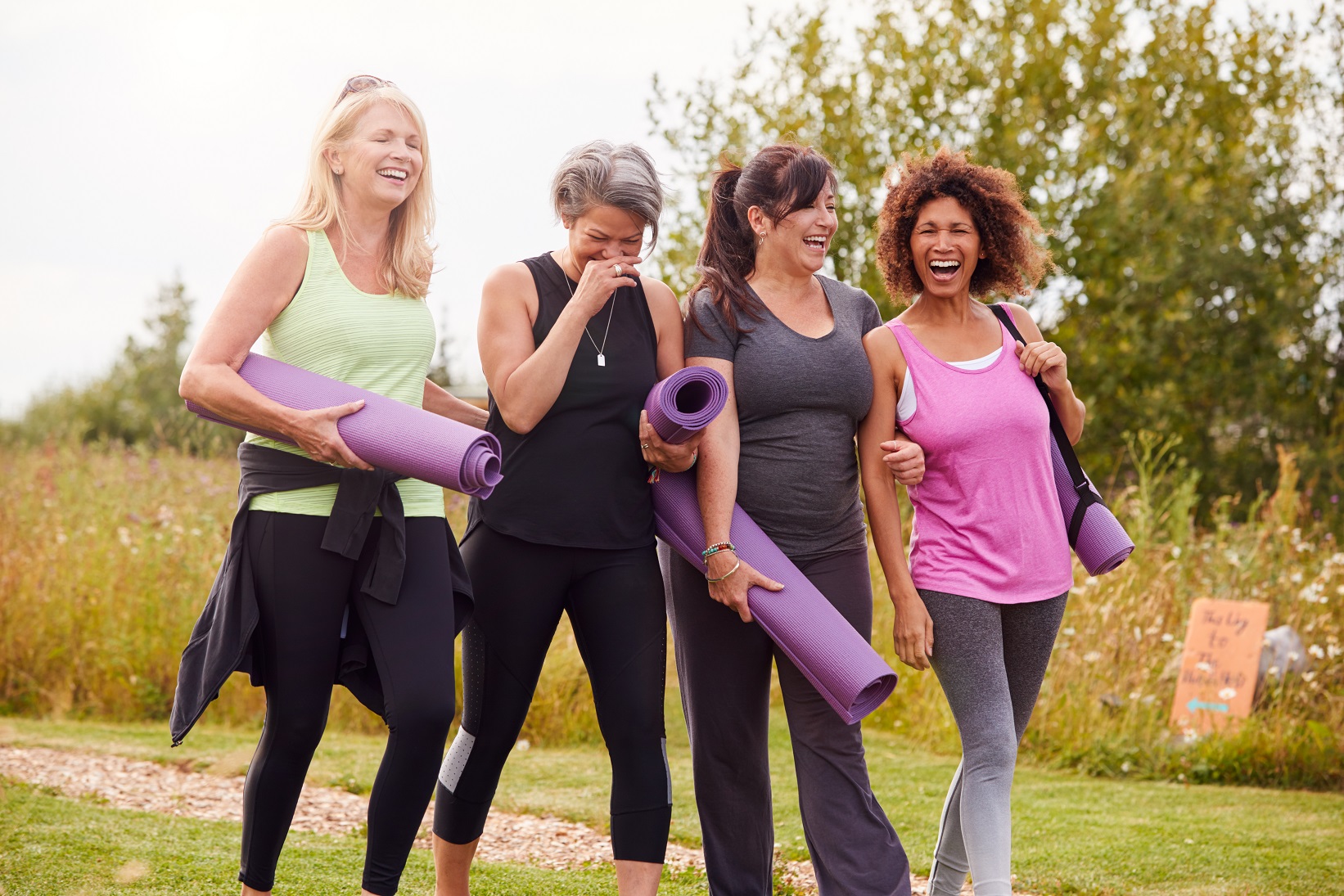
Yet, this is just the beginning and a lack of education within the whole population means that unfortunately women can often not know the full spectrum of concerns or conditions their bodies have to go through in pregnancy and menopause – but Ten Health & Fitness wants to change that. Ten is leading the health and clinical support sector in prioritising women’s health services and tackling both the lack of education and misconception around so many conditions.
Ten has recently added a collection of Women’s Health specialist services to its offering including: Specialist Women’s Health Physiotherapy, Dedicated Pre & Post-Natal Massage, Pelvic Floor On-Demand classes and Special Edition workshops covering topics such as pelvic floor health and dysfunction. By offering these female focused services, Ten hopes to lead by example to champion the specialised wellbeing that women deserve to feel their best in every stage of life.
Step into the Metaverse
This year, LES MILLS bought exercise motivation to the metaverse with the launch of the BODYCOMBAT VR app, which saw globally-renowned trainers fused with virtual reality (VR) for an out-of-this-world fitness gaming experience. Led by BODYCOMBAT’s legendary program directors Rachael Newsham and Dan Cohen – the game pits players against martial arts challenges across a variety of levels, spanning intergalactic deserts and neo-city skylines. Players earn points for their effort and technique, with Rachael and Dan providing coaching cues and motivation to power them through the workouts. In fact, BODYCOMBAT has recently been named as the number one fitness selling VR app in the world by Meta, further proof that LES MILLS is driven by tech and innovation to bring fitness to more people around the globe

Now, LES MILLS is taking it one step further and will be one of the first fitness brands to upload live filmed content onto the metaverse. In Autumn 2022, the world’s largest fitness event, LES MILLS LONDON LIVE took place and filmed (using 15 x 360-degree cameras!) the live action from every angle. The content will be integrated into an immersive experience on the metaverse that can be tapped into via Oculus headsets and mobile phones virtually.
Pushing the limits
The training performance benefits of cold therapy have filtered from professional sport to the mainstream consumer over the last few years with products and treatments such as Cooled compression, Ice baths, and Cryotherapy are all regularly used by athletes to maximise their performance and optimise their recovery.
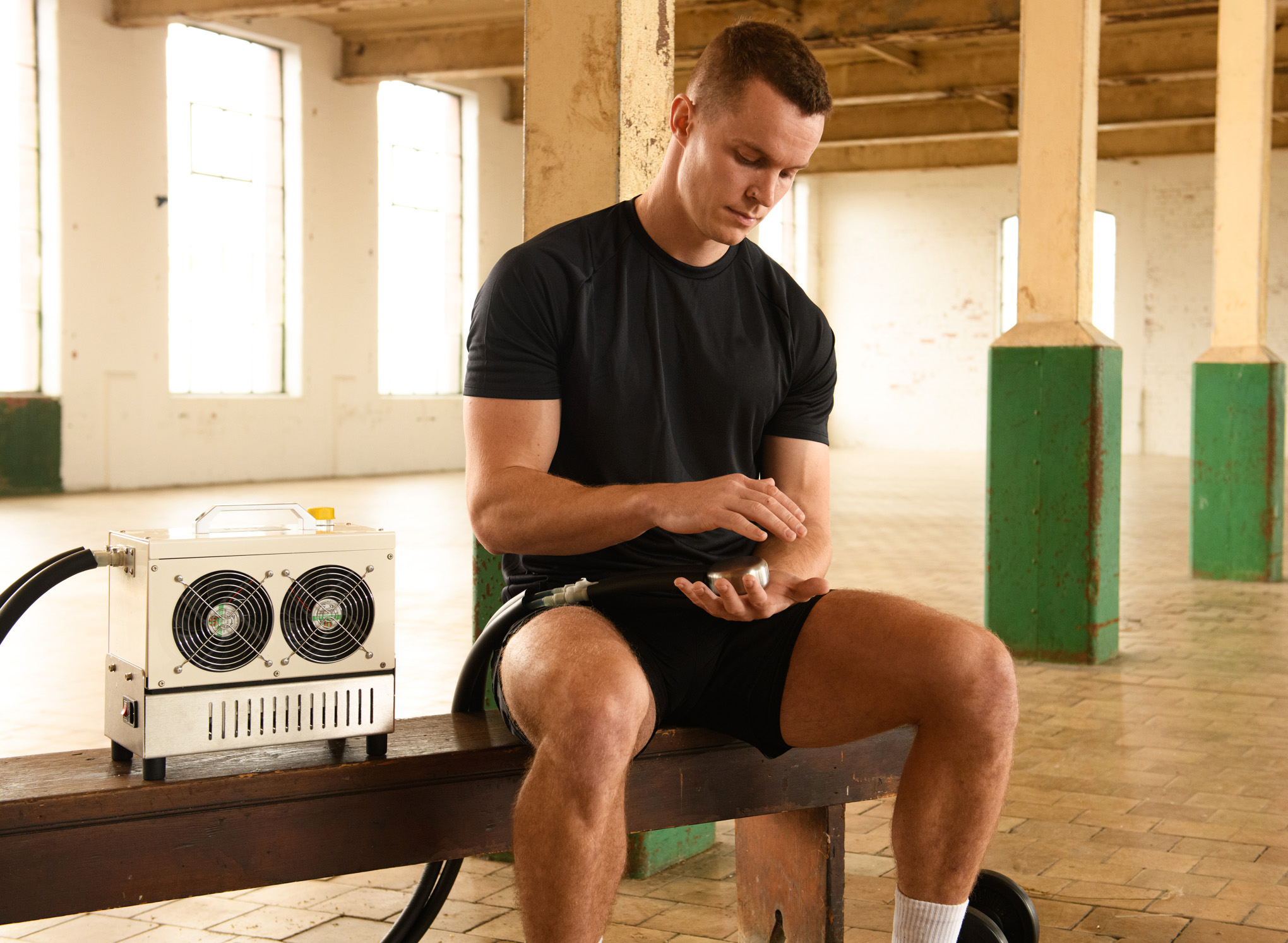
Taking this one step further, a ground breaking new product has been launched by the company that has supplied elite sports teams worldwide, with their cold therapy solutions for the last 20 years. The CoreTx GO has been proven to enhance athlete’s performance by cooling the palms of their hand during the rest periods of workouts. This simple, localised cooling causes incredible reductions in fatigue and significantly enhances performance. This incredibly simple, yet effective device can drastically improve repetitions performed, increase time to fatigue and overall workload for both highly experienced and beginner gym goers. This revolutionary tool is set to be a real game changer for athlete’s looking to take their performance to the next level.
The Next Generation’s Sustainable Snacking Ethos
One third of all food grown globally is never eaten, including 3.6m tonnes of fruit, shocking stats like this are making us all take another look at our eating habits in an endeavour to a bit more sustainable. Step in, Squished.
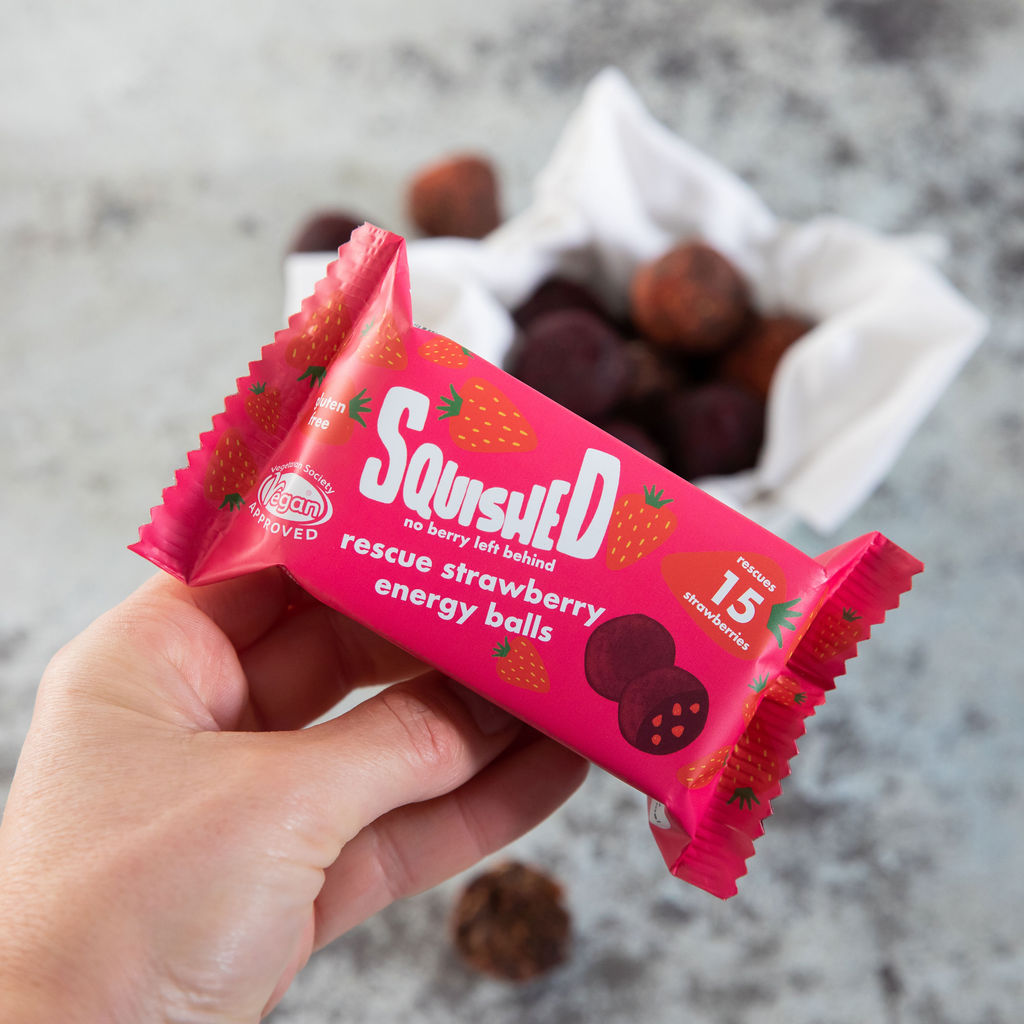
Squished, a zero-waste brand from Climate Positive Food, is helping to make snacking sustainable with its range of fruit energy balls, flapjacks and jams – all created from surplus fruit that is rescued from British farms, meaning no berry is left behind. Each year, Squished rescues as much fruit as it can and turns it into delicious climate positive snacks that keep you (and the planet) going for longer. To date, Squished has rescued over 25,000kgs of surplus fruit – principally blueberries and strawberries – and is aiming to save 1 million kgs before 2024, by launching its range of rescue fruit snacks.
As Squished’s Founder and Director, Paul McCulloch explains; “There is an increased public awareness of the effects the food industry has on the environment. More customers are actively looking for products that will not only be good for their health, but also good for the planet. That’s why the more Squished snacks that are sold, the more fruit can be rescued.”
As the leading health & fitness agency in the UK, with an incredible roster of clients and products servicing the health and wellness sector, it’s safe to say we are at the forefront of delivering cutting edge news, tech and innovations in this space. With 2022 as one our most successful years to date (read all about it here), we are truly proud of the results we achieved for our clients. If you want to get your brand out there and want help with PR, Marketing, Consultancy or any of our other services then get in contact with us: info@action-group.co.uk
