2023 Health and Fitness Trends

tech in wellness

Every year, publications across the consumer and industry sectors will publish their future trend predictions. From at-home gym spaces, Working From-Gym (thanks, cost-of-living crisis!), wearable tech and AI-powered fitness instructors – the world of health and fitness continues to develop and innovate at an incredible rate.

Which is why, as a specialist communications and content agency, we ensure our future forecasting is at the forefront of influencing what and when publications include within theirs. Take a look at our list of new and emerging health and fitness trends in 2023 to look out for:

Fitness for the ages and stages

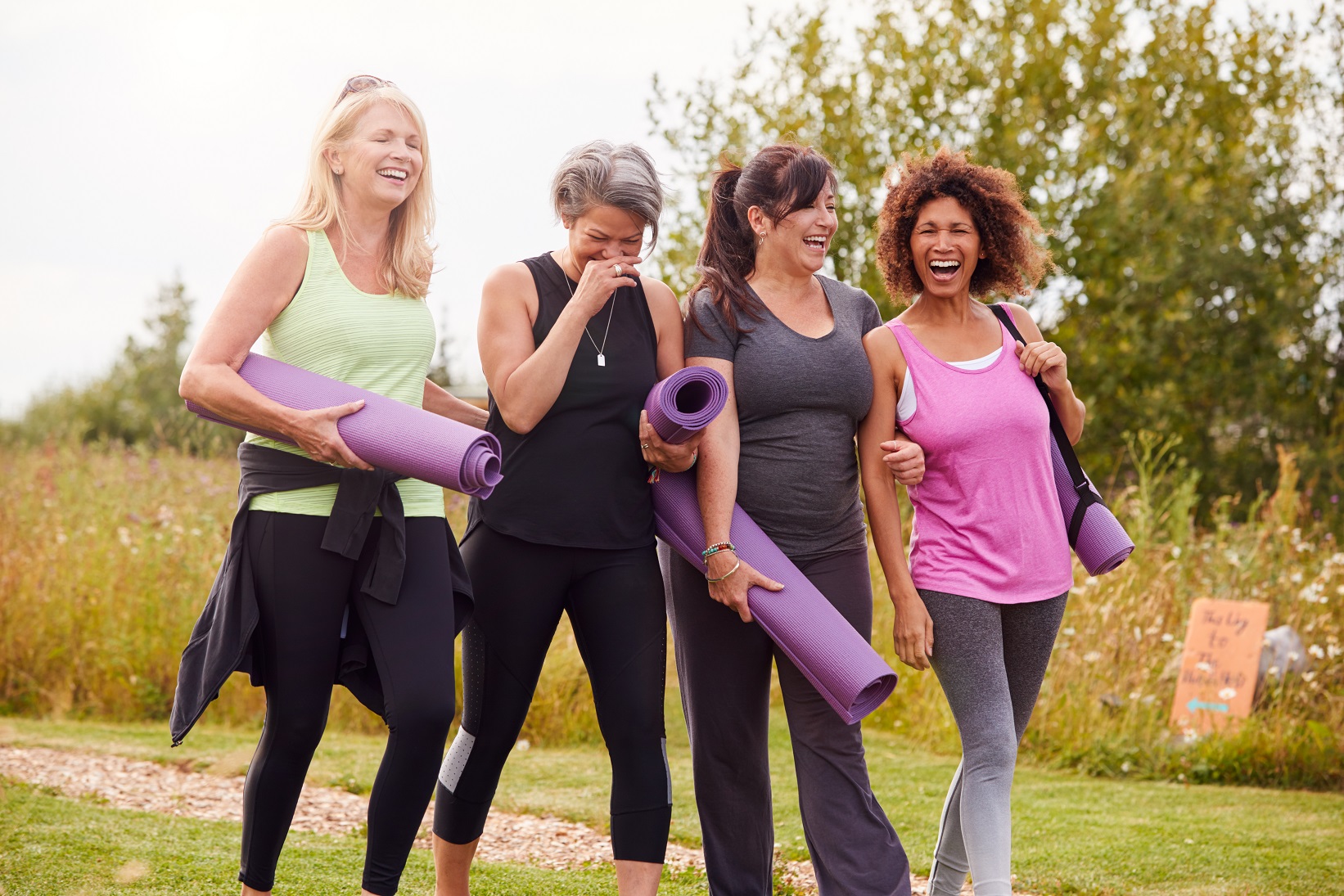
In times gone by, ‘health & fitness’ was seen as an exclusive circle of slim, young gym-goers who supplemented their lunchtime spin class with a salad and a juice. Thankfully, narratives have since shifted and the accessibility and inclusivity of the health and fitness industry is beginning to improve, ensuring that individuals of all ages, races, abilities and sizes feel welcomed and able to prioritise their health and movement.

Illustrating this, sector leaders are going to great lengths to help those in every life stage to find an exercise format that works for them. From next-gen machines that give athletes the edge in their training programme to apps that appeal to those going through menopause and even circuit training for the elderly.

Midlife Movement Maverick:

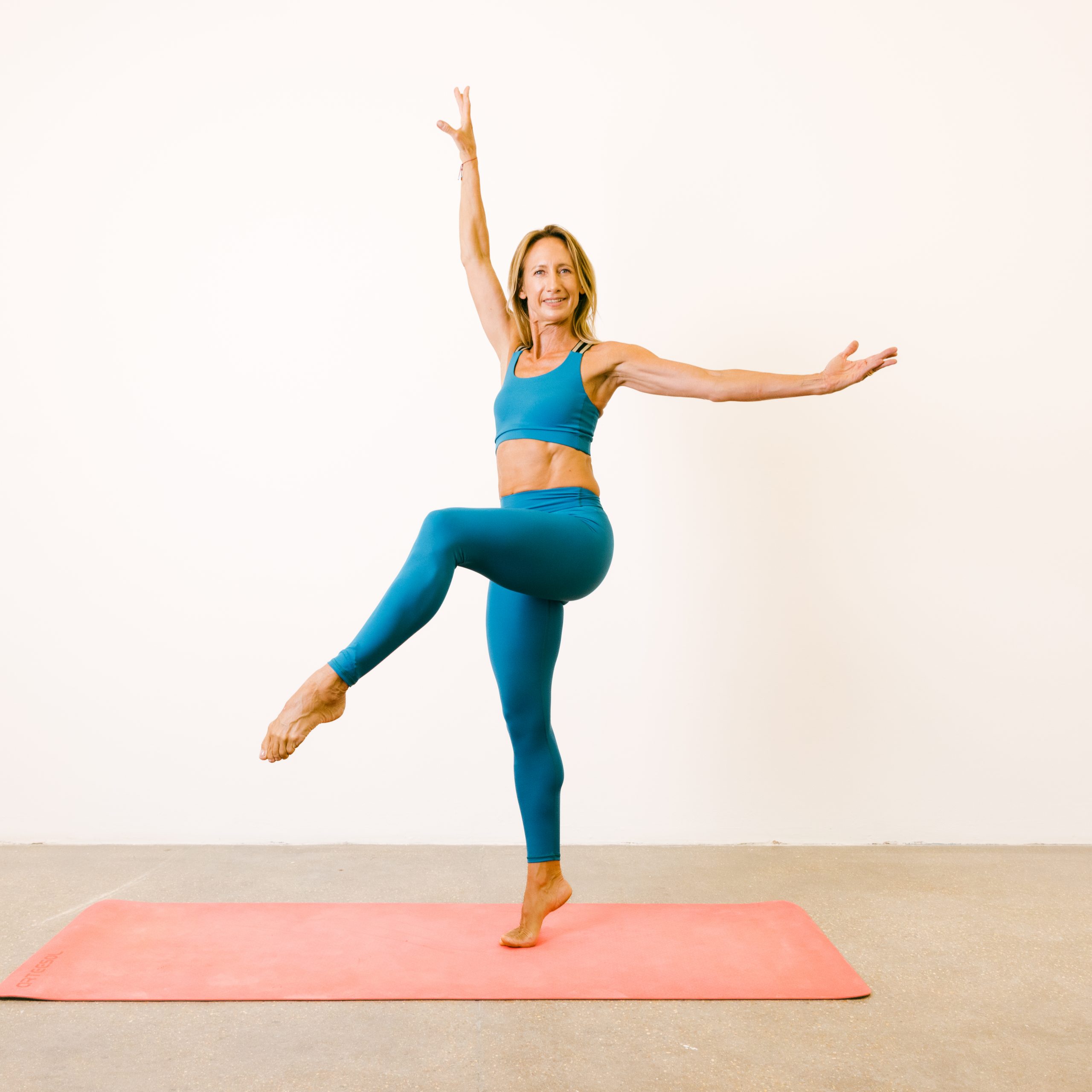
Famous for crafting the bodies of Hollywood stars including Emily Blunt, Stanley Tucci, Hayley Atwell and Anne Hathaway, 55-year-old celebrity trainer and fitness app founder Monique Eastwood’s mission is to educate people on how everyday movement hones the body at every life stage. With multidirectional movement as her priority training tool, Monique uses three decades of experience to teach how posture, technique and form is important for strengthening the body throughout the different ages – including when hormonal health takes a dip in midlife and during perimenopause and menopause. Monique trains clients from across the globe via her Eastwood Fit app, which we worked with her to build. You can read more about how that process works and why it’s still a market-leading option long after the pandemic-induced on-demand fitness trend.
HIIT without the Hurt:

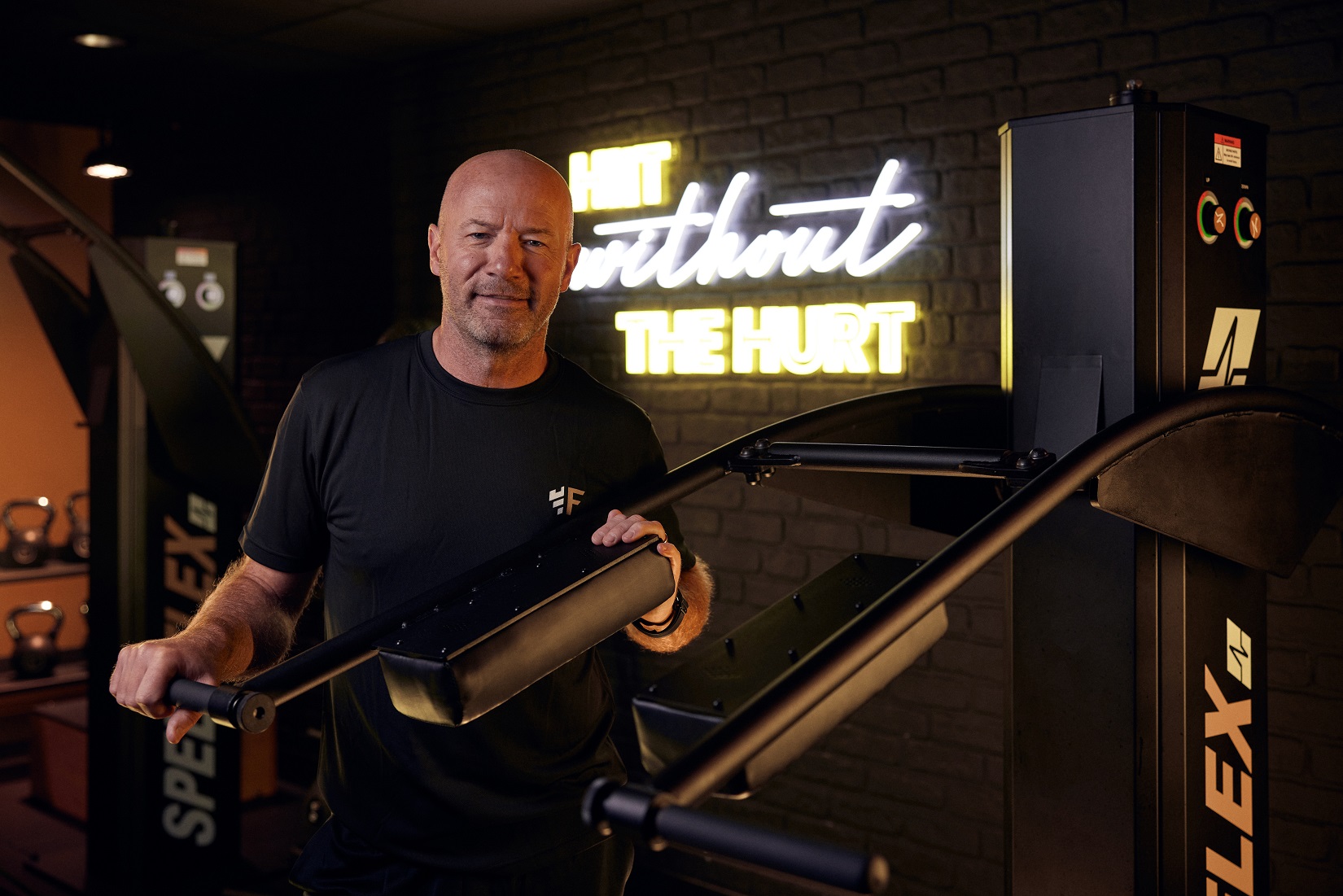
HIIT isn’t going anywhere. In fact, more and more studies are showing how it is a valuable form of exercise for many different conditions. With this in mind, FORTIS, powered by Speedflex is the 30-minute HIIT class with a difference and a great example of a workout class that can be completed with participants of all ages and abilities. The class is built upon Speedflex’s unique personalised resistance concept, allowing every participant to train at their optimum level. As such, people of all abilities, from pensioners to athletes can partake in the class and reap the benefits of group exercise. In particular, FORTIS has seen great success in training clients who suffer from conditions such as Parkinson’s and Cancer, as the unique training method – which is high intensity, but low impact means clients can workout to their own max with no aches and pains the next day.
Shocking Value

You may have seen our previous feature about EMS Training, which continues its UK-wide growth with new studios such as Feel Electric, Ironbody Fit and Surge opening around the country. EMS stands for Electro-Muscular Stimulation and is billed as ‘the smartest way to train’. An external EMS device sends a finely tuned electrical signal to the muscles, causing them to contract. The signal mimics the natural signal sent by the brain to the muscles but is more powerful.
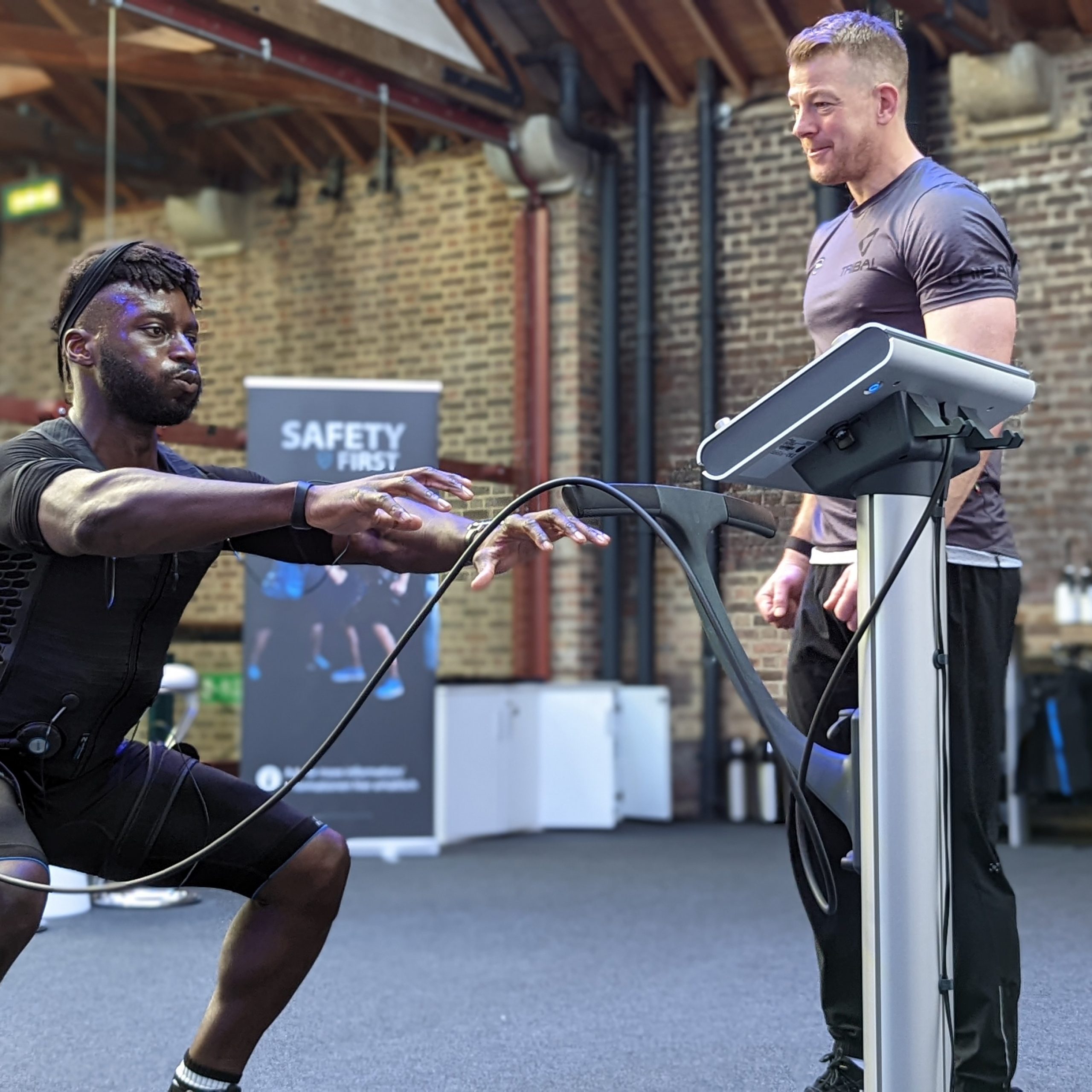
Combined with a ‘free will contraction’ during an exercise, and the external stimulus from the EMS device, individuals activate up to 98% of their muscle fibres. Not only is EMS training fast and effective, it’s ideal for people of all ages and abilities. The list of celebrities reaping the rewards extends from professional athletes like Usain Bolt and David Haye, to Hollywood actors like Tom Holland and models and singers such as Poppy Delevingne, Chrissy Teigen and Rita Ora.

Normalising Women’s Health

Finally, women’s health is beginning to gain traction in the news agenda and important life stages like Menopause and the impact it has on a women’s working life are even being discussed in Parliament. 

As a result, employers are beginning to sit up and listen to how these periods of a women’s life can impact the working world and as such we’re seeing an increase in corporate wellbeing for fertility treatment and menopause. Leading corporate wellbeing platform, Gympass is supporting employers in offering employee guidance during the menopause through its online platform, the Menopause Hub and e-book.
Yet, this is just the beginning and a lack of education within the whole population means that unfortunately women can often not know the full spectrum of concerns or conditions their bodies have to go through in pregnancy and menopause – but Ten Health & Fitness wants to change that. Ten is leading the health and clinical support sector in prioritising women’s health services and tackling both the lack of education and misconception around so many conditions.

Ten has recently added a collection of Women’s Health specialist services to its offering including: Specialist Women’s Health Physiotherapy, Dedicated Pre & Post-Natal Massage, Pelvic Floor On-Demand classes and Special Edition workshops covering topics such as pelvic floor health and dysfunction. By offering these female focused services, Ten hopes to lead by example to champion the specialised wellbeing that women deserve to feel their best in every stage of life.

Step into the Metaverse

This year, LES MILLS bought exercise motivation to the metaverse with the launch of the BODYCOMBAT VR app, which saw globally-renowned trainers fused with virtual reality (VR) for an out-of-this-world fitness gaming experience. Led by BODYCOMBAT’s legendary program directors Rachael Newsham and Dan Cohen – the game pits players against martial arts challenges across a variety of levels, spanning intergalactic deserts and neo-city skylines. Players earn points for their effort and technique, with Rachael and Dan providing coaching cues and motivation to power them through the workouts. In fact, BODYCOMBAT has recently been named as the number one fitness selling VR app in the world by Meta, further proof that LES MILLS is driven by tech and innovation to bring fitness to more people around the globe

Now, LES MILLS is taking it one step further and will be one of the first fitness brands to upload live filmed content onto the metaverse. In Autumn 2022, the world’s largest fitness event, LES MILLS LONDON LIVE took place and filmed (using 15 x 360-degree cameras!) the live action from every angle. The content will be integrated into an immersive experience on the metaverse that can be tapped into via Oculus headsets and mobile phones virtually.

Pushing the limits

The training performance benefits of cold therapy have filtered from professional sport to the mainstream consumer over the last few years with products and treatments such as Cooled compression, Ice baths, and Cryotherapy are all regularly used by athletes to maximise their performance and optimise their recovery.

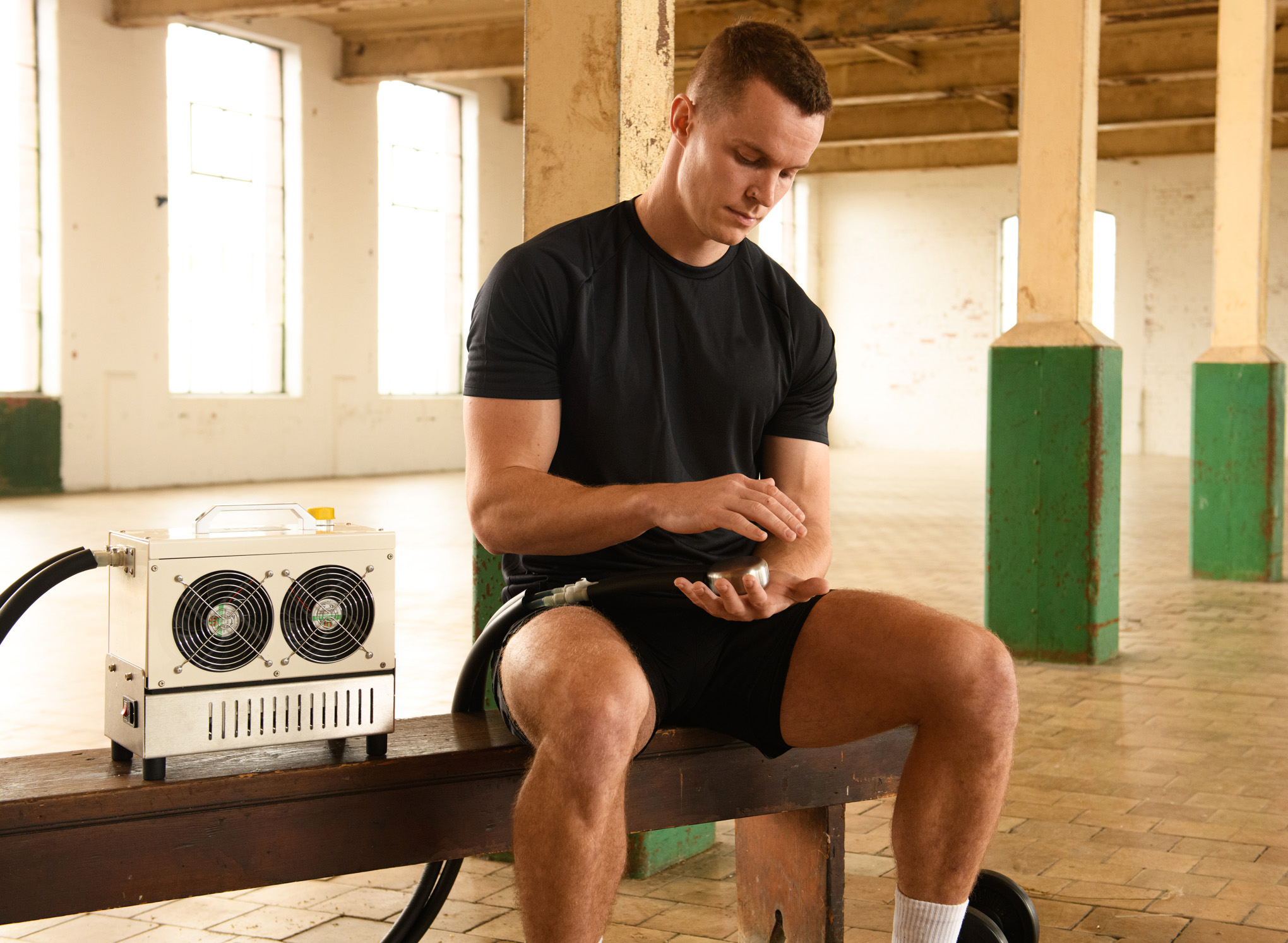
Taking this one step further, a ground breaking new product has been launched by the company that has supplied elite sports teams worldwide, with their cold therapy solutions for the last 20 years. The CoreTx GO has been proven to enhance athlete’s performance by cooling the palms of their hand during the rest periods of workouts. This simple, localised cooling causes incredible reductions in fatigue and significantly enhances performance. This incredibly simple, yet effective device can drastically improve repetitions performed, increase time to fatigue and overall workload for both highly experienced and beginner gym goers. This revolutionary tool is set to be a real game changer for athlete’s looking to take their performance to the next level.
The Next Generation’s Sustainable Snacking Ethos

One third of all food grown globally is never eaten, including 3.6m tonnes of fruit, shocking stats like this are making us all take another look at our eating habits in an endeavour to a bit more sustainable. Step in, Squished.

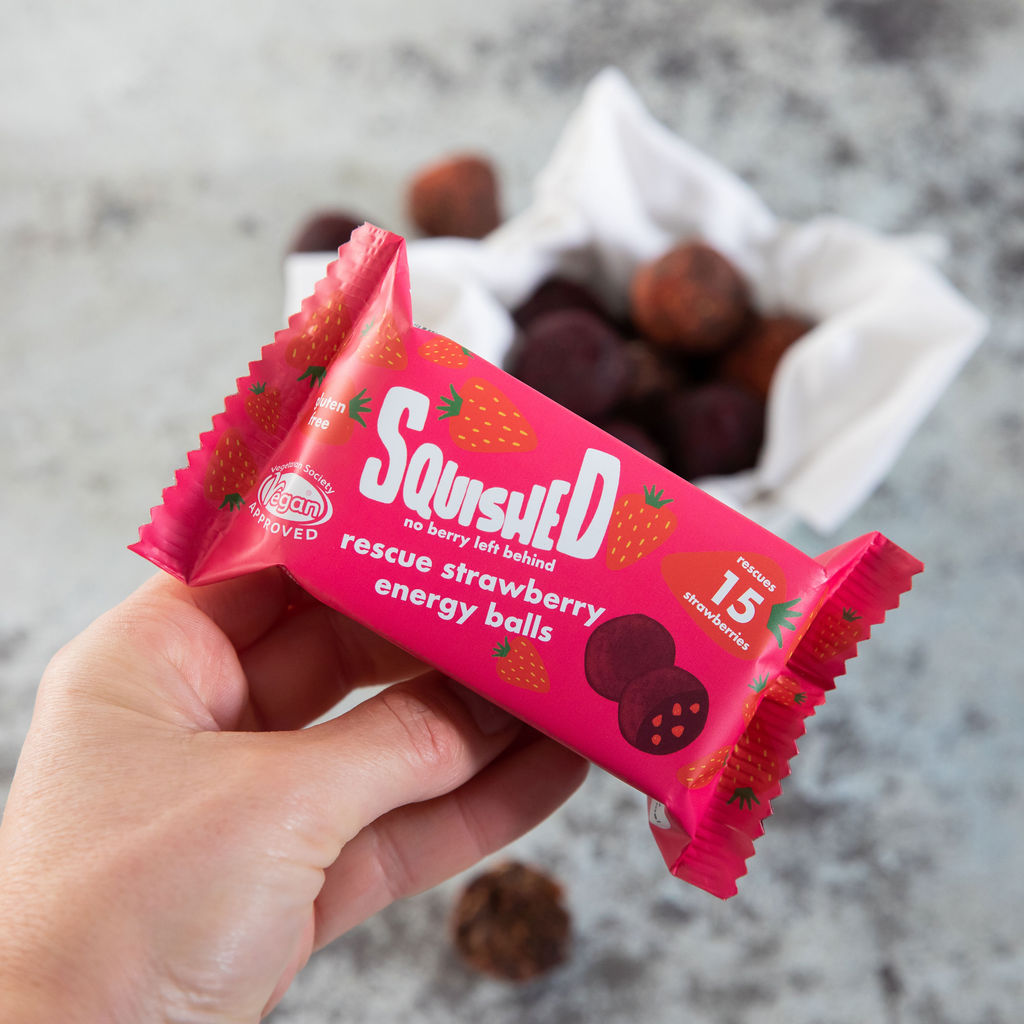
Squished, a zero-waste brand from Climate Positive Food, is helping to make snacking sustainable with its range of fruit energy balls, flapjacks and jams – all created from surplus fruit that is rescued from British farms, meaning no berry is left behind. Each year, Squished rescues as much fruit as it can and turns it into delicious climate positive snacks that keep you (and the planet) going for longer.  To date, Squished has rescued over 25,000kgs of surplus fruit – principally blueberries and strawberries – and is aiming to save 1 million kgs before 2024, by launching its range of rescue fruit snacks.
As Squished’s Founder and Director, Paul McCulloch explains; “There is an increased public awareness of the effects the food industry has on the environment. More customers are actively looking for products that will not only be good for their health, but also good for the planet. That’s why the more Squished snacks that are sold, the more fruit can be rescued.”

As the leading health & fitness agency in the UK, with an incredible roster of clients and products servicing the health and wellness sector, it’s safe to say we are at the forefront of delivering cutting edge news, tech and innovations in this space. With 2022 as one our most successful years to date (read all about it here), we are truly proud of the results we achieved for our clients. If you want to get your brand out there and want help with PR, Marketing, Consultancy or any of our other services then get in contact with us: info@action-group.co.uk

The Future of Fitness – Virtual Reality Exercise

Technology is changing the face of fitness forever. The leaps and bounds that technology has allowed us to make in the last few years have been quite staggering.

Last year, we talked about Augmented Reality, and how brands like Refine with ALFI were changing the way people interacted with their on-demand workouts in the AR (augmented reality) space (you can read all about it here). Less than a year later and the concept of AR and VR (virtual reality) has grown exponentially; so much so that now we officially have: a Metaverse.

Simply put, the metaverse is a virtual reality world where users can interact, game and experience things as they would in the real world. Using current AR and VR tech, users can immerse themselves in this world and interact with digital objects and people in the projected image in front of them.

Fitness and the Metaverse

On 3rd February 2022, group exercise brand, Les Mills brought exercise motivation to the metaverse with the launch of the BODYCOMBAT VR app, fusing globally renowned trainers with VR for an out-of-this-world virtual reality exercise gaming experience.

Of the new launch, Rachael Newsham, Program Director of BODYCOMBAT, said: “Our mission is to create a fitter planet and we hope the launch of the BODYCOMBAT VR app enables us to reach new audiences and break down barriers to exercise, helping more people to start their fitness journey and reap the rewards of an active lifestyle.”

After all, with virtual exercise in the form of LIVE workouts, on-demand apps and streaming now available thanks to the advances made by brands during the pandemic, why wouldn’t smart and innovative brands want to keep progressing and try accessing a new audience in the form of gaming?

The gamification of fitness has long-been a market that many want to tap into and Les Mills is one of the first that has successfully done so with the launch in the metaverse. As notable industry platform, Fitt Insider explored in a recent feature:

“The future of fitness looks like a game.” Proving that, more and more companies are prioritizing play: RGT Cycling has amassed a loyal following after launching just two years ago, Capti and Playpulse are gamifying cycling while game-based rowers like Ergatta and Aviron gain steam and an emerging web3 trend, Genopets, Calo Metaverse, and OliveX allow players to earn crypto tokens and NFTs by exercising.“

We also explored how wearable tech, which includes headsets designed for VR and AR gaming, is going to be a huge trend for the rest of the year, and perhaps many years to come.

Our Metaverse experience

Before we could sell the Les Mills metaverse story to press, to encourage their readers to try and enjoy fitness in the metaverse, we had to trial virtual reality exercise for ourselves.

The Action team got together and donned the Oculus headset and switched on the digital world Les Mills had created for BODYCOMBAT. What followed was about an hour’s worth of heart-pumping, fist punching fun – no matter the age or fitness ability of the user.

The game was addictive to say the least. Not to mention, a real calorie burner! As fitness know-it-alls, we’ve tried every discipline, every trend, every gimmick – and we have no choice but to conclude that, virtual reality exercise is truly exhilarating.

Not to mention, worthy of press interest! We issued the news to industry and consumer titles with great success, with titles including Financial Times, Fit Tech, Fitt Insider and TechRadar featuring the launch and many more choosing to trial the product themselves to experience what all the fuss is about – with positive reviews ensuing. 

Is Fitness in the Metaverse here to stay?

Joining Les Mills in the virtual reality exercise space, FitXR App, Supernatural App, OhShape App, Holofit App and VZFit App are all exploring how to get people moving more every day – using the power of technology.

In late January, the Evening Standard reported that the first multi-million-dollar wedding was taking place in the metaverse, showing a real appetite for a world where connection, albeit virtual – can make life’s events possible again.

With Covid’s lingering effects on the fitness industry and many consumers still unsure whether they want to be back in the gym IRL or to continue working out at home via LIVE and On-Demand platforms, providing users with an added option – an interactive, immersive and, crucially, fun one at that – looks set for success.

If you’d like support on how to tap into fitness in the virtual world, get in touch with us: info@action-group.co.uk

2022 Fitness Trends – Fact or fad? The industry insight

At the start of each year, key industry publications announce their list of health and fitness trends. While there are always curveballs, like the unforeseen 2020 explosion of home gym / home fitness equipment, the reports are geared towards up-and-coming tech, developing trends and the evolving nature of consumer behaviour.

The 2022 fitness trends have recently been announced, and organisations like the American College of Sports Medicine, Fitt Insider and the Global Wellness Institute have weighed in with their expertise. So here’s a brief overview of the key points of interest of these reports.

2022 Fitness Trends

The ACSM reports on trends as identified by health and fitness professionals. This means these are trends amongst the already fit and healthy, things we are already seeing that we can expect to see more of.

Wearable Tech

Their number one fitness trend for 2022 is wearable tech. Wearable tech has been an essential accessory for the everyday athlete and, with market growth, we also see more affordable entry points for such products. Everything from the rise in smartwatches like Garmin, Suunto and Polar, and smart rings like the Oura, to smart insoles that give you a gait analysis and running data like NUURV or Arion.

PTs, along with gyms and leisure centres, are often the introducers of new trends to the masses and as more operators roll out connected fitness options, like TRAKK by Pulse Fitness, wearable tech, like MyZone, and workout apps, like the new My Training Hub by David Lloyd, engagement and usage will likely rise with the general consumer.

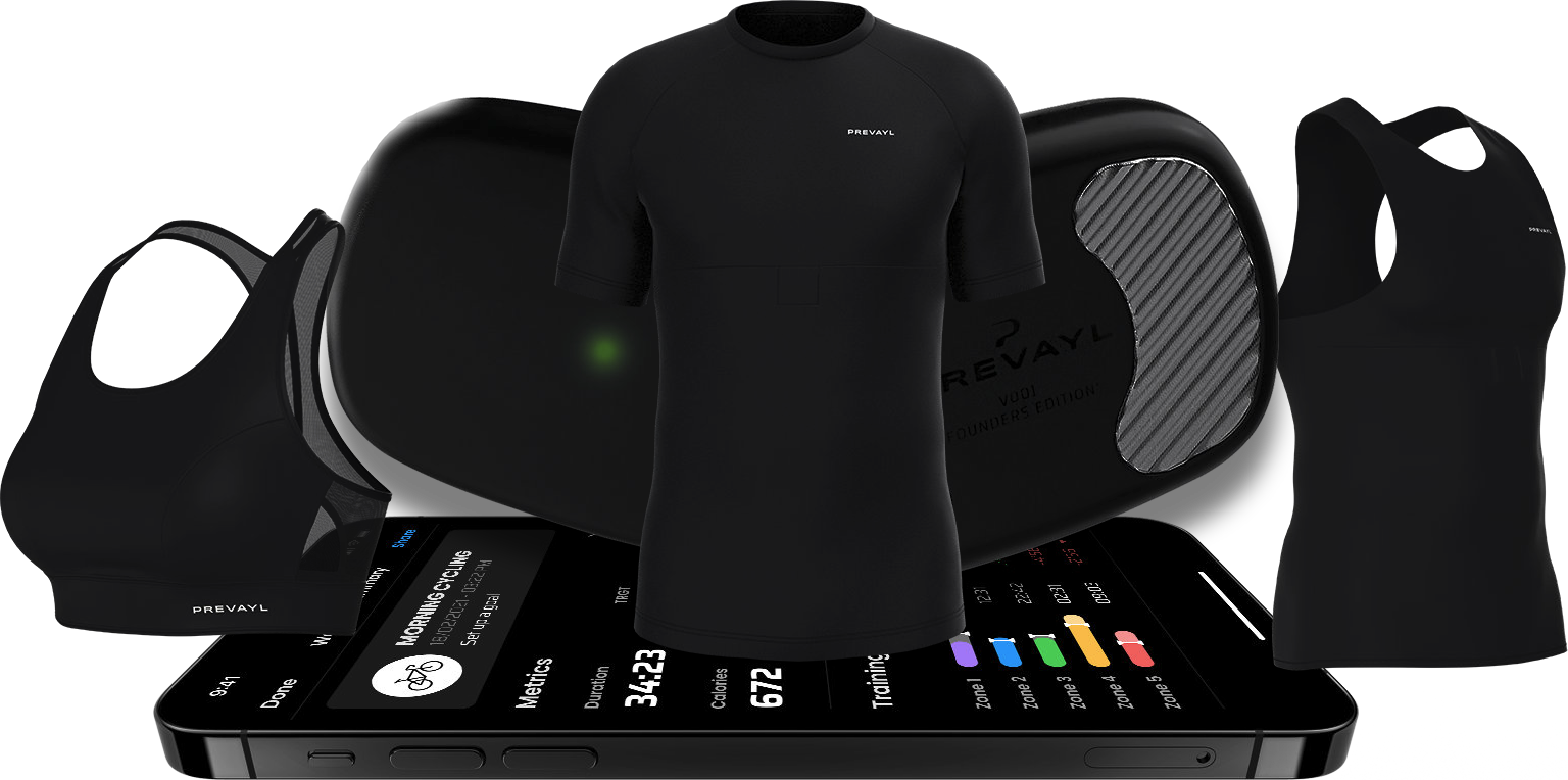
There are also new technologies that are more focused on consumer performance, targeting the ‘everyday athlete’ group. For example, newly launched wearable company Prevayl seeks to affect the consumer in a different way, providing incredibly accurate, live Heart Rate data from a clinical-grade ECG monitor built into its compression top. This also measures core temperature, breathing rate and much more. Could a medically approved version of this technology become the standard across sports, identifying and alerting when athletes are at critical or dangerous levels?

Prevayl – Connected clothing

The Fitt Insider report also identifies emerging trends – which are mainly tech-based – but a lot of those referenced, VR, for example, are still quite niche. It’s definitely a growth market but will these trends ever enter the true mainstream? Because for every VR headset user, there will be a parkrun enthusiast who just wants to get out and jog, unshackled by technology. While not everyone will opt for VR headsets, technology is a growth market we cannot get away from… there’s even tech to help us disconnect from the world. While adoption may be slow, even parkrun is timed..

When cross-referenced with the Global Wellness Institute’s report, it’s interesting to see that the global physical activity market was valued at $738.1 billion in 2020 and that $49.5 billion of that was spent on fitness tech. Whilst $49.5B is a lot of money, it also goes to show that there’s a huge proportion being spent in more traditional ways. 

Home Gyms

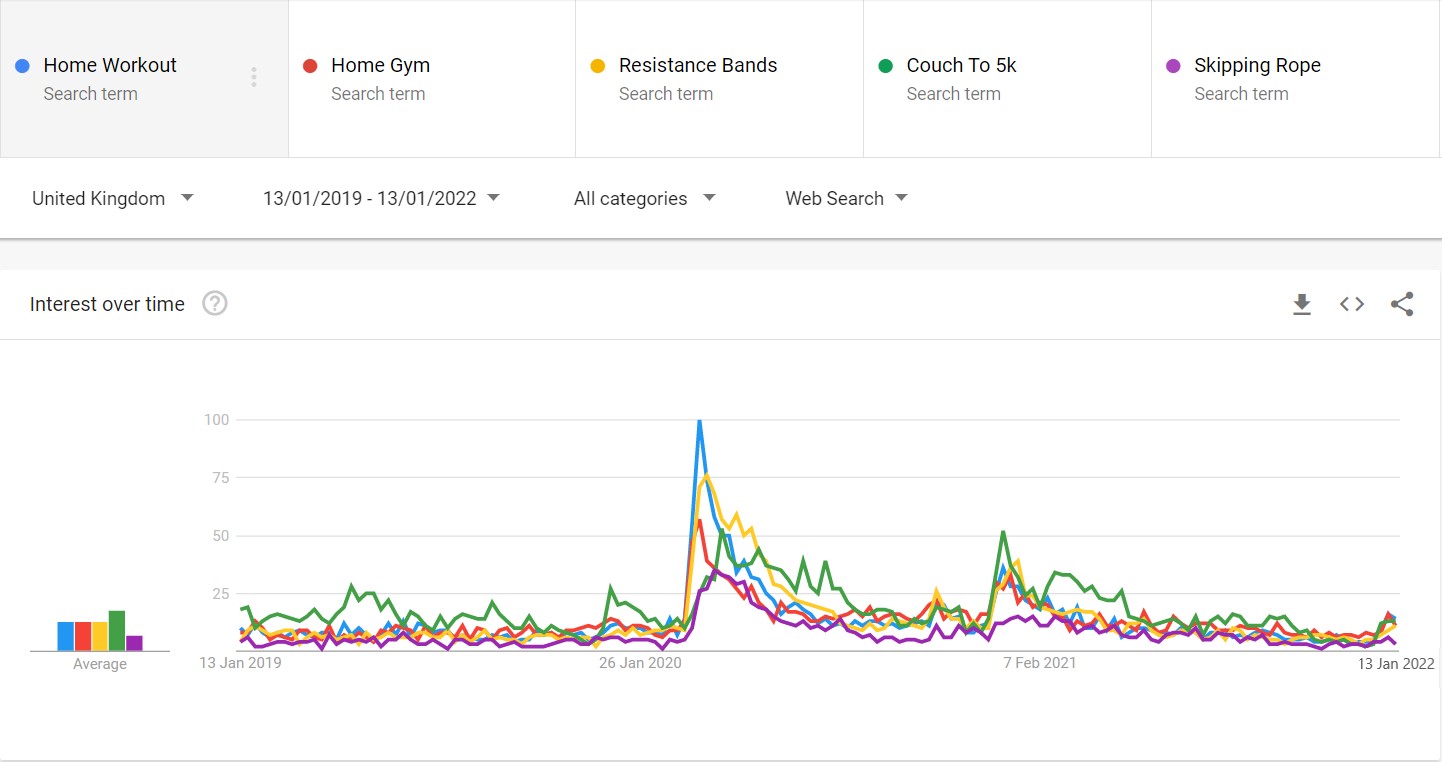
The number two fitness trend for 2022 is home gyms. As the Covid-19 pandemic hit, gyms were forced to close and people were thrust into the world of working in, and working out, from home. As we can see from the graph below, the spikes in searches for home gym equipment exploded around the times of the lockdown announcements, however they tapered drastically as gyms and fitness facilities were able to reopen.

Home gym search terms – peaking during UK lockdown announcements

While some people may have found their groove working out from home, we believe many thrive off the community, facilities, luxuries and in-person classes and trainers that are so compelling, and unable to be replicated at home. With joint ventures of big box gyms and local boutiques, increasing numbers of people are able to enjoy the boutique fitness experience in their local gym.

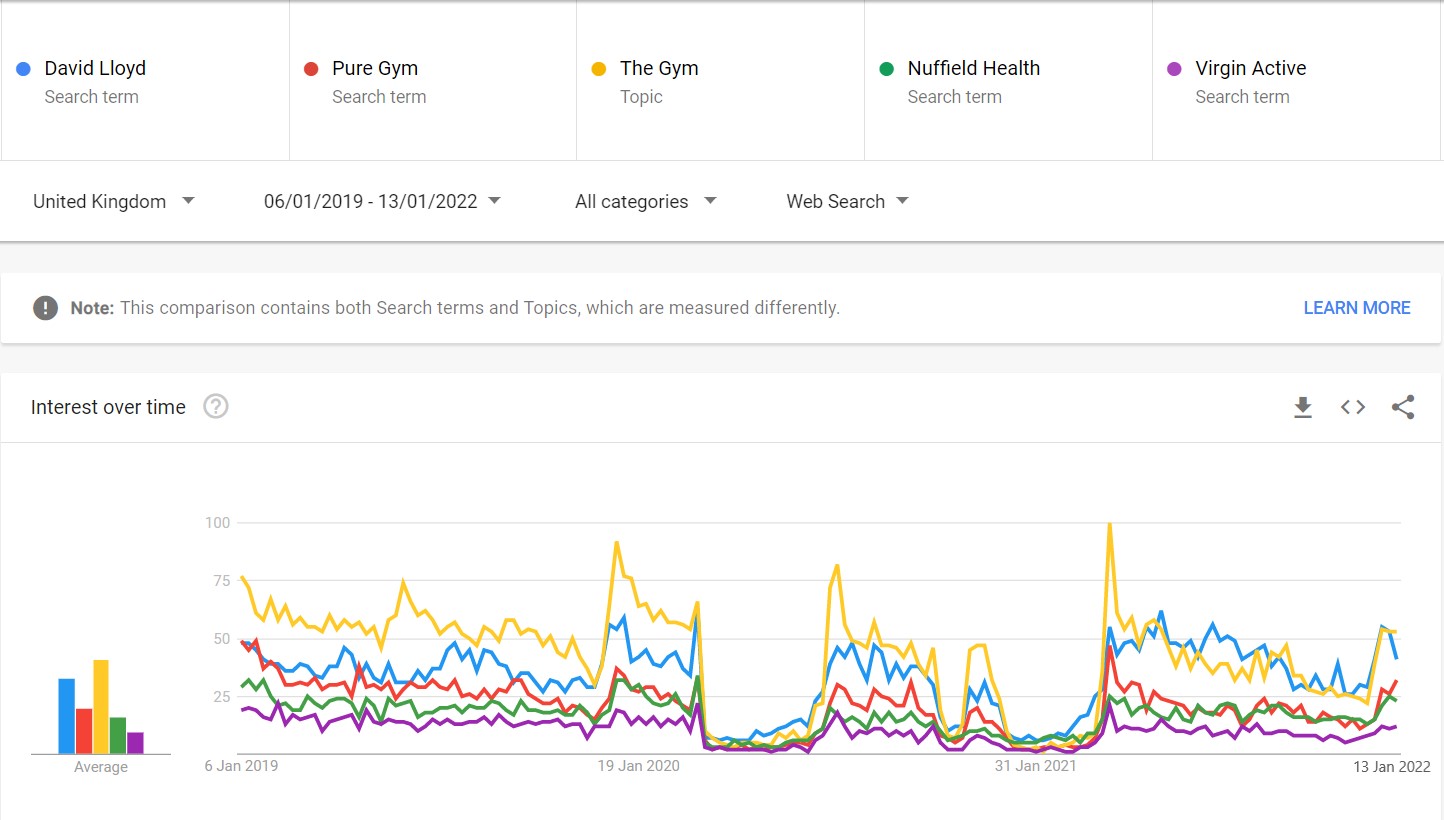
It is worth noting the huge spike of people searching for various gyms around the times of re-opening announcements and the trough in searches during times of lockdown.

Gym searches in the UK – troughs occurring during lockdowns

Exercise for weight loss – a 2022 fitness trend?

Interestingly ‘exercise for weight loss’ appeared number five on the 2022 ACSM fitness trends list. But hasn’t this existed as a reason for people to join the gym since they first opened? We’re not sure this is a trend, but what might have caused this spike is people realising the effects of their weight on their health.

Multiple studies have highlighted a linear correlation between BMI and risks of severe Covid-19 infection. As BMI increases the risk of hospital admissions and death increased linearly. In these unprecedented times, have people begun to realise the effect their weight has on their health, and ability to fight off infections and viruses?

We have since seen the launch of the Government “Better Health” campaign, targeting adult obesity. While this may not be a new trend, and there is a long way to go, weight loss is, and should be, one of the major talking points this year and those to come for overall health.

As industry experts we join our peers in hoping that physical activity moves to be recognised as an essential health service. The science is clear cut that if we take both our health and fitness more seriously and focus better on our mental wellness, the happier we are, and the less reliant we are on the National Health Service.

While all these new technologies and product developments are great in their own right, if people lack the intrinsic motivation to make a change then the tech is rendered obsolete. We can have all the tools in the world to help us, but if we’re not motivated to utilise the tools, then no positive change will occur.

Other companies such as Les Mills and Keepme have previously released their predictions for trends in the new fitness landscape, read Les Mills’ views here.

If you have an innovative product or service in the health, fitness and wellness industry and want to see yourself on a future trends report then get in touch with us. We are experts in consultancy, marketing, PR and advertising, so whether you’re a small new business or a multi-million pound turnover one, we can help you grow: info@action-group.co.uk

The Fitness Future: Rules of Engagement

“The conditions of pre-COVID will never return. Willingness to accept this fact, and move with it, will be key to the survival of your fitness business. Embracing change isn’t a choice. It’s life and death.”

These are the powerful opening words of a provocative new white paper – The Fitness Future: Rules of Engagement – authored by Keepme founder and CEO Ian Mullane.

Released on 1 February 2021, the paper pulls no punches in presenting a vision of a fitness future that’s increasingly also the fitness present.

From consumer-centric, data-led ecosystems to establishing clubs as hubs before the window of opportunity closes. AR to AI to automation that makes experiences more, not less, personalised. Learning which touchpoints we can own to understanding which we should step back from, Mullane expertly combines new perspectives with possible-now examples.

Crucially, he also offers practical advice to help operators navigate this new reality – all injected with a sense of urgency to act now and act deliberately.

“The relationship customers seek with a fitness business is changing, and there are very real opportunities for operators who are prepared to adapt, accepting the new reality and repositioning themselves for the inevitable,” says Mullane. “But how do you go about this business-critical repositioning?

“In fact, there’s a huge amount that can be done right now – and The Fitness Future: Rules of Engagement maps this out in six clear rules that will help your fitness business not only survive but thrive in the new world order.”

“This paper includes some very important thoughts and ideas that should challenge us all. It will, I hope, stimulate progressive discussion,” comments PureGym CEO Humphrey Cobbold in his foreword to the paper.

“Ian does a great job of addressing the huge risks and opportunities that lie ahead for gym brands. I would heed his warnings and embrace his advice,” confirms FITC CEO Bryan O’Rourke.

The paper is, agrees Colin Grant, CEO of The PURE Group: “A thought-provoking projection into the future of fitness which highlights how bright that future can be if we get it right.”

And getting it right, advises global fitness authority Emma Barry, will involve leaning in and applying the six rules. “Your future depends on it.”

“This paper poses and answers all the questions you’ve been pondering subconsciously, but never been game to ask out loud,” observes Justin Tamsett, chair of REX Roundtables. “The reality Ian presents will make you squirm if you are set in your ways, but if you want to stay in business, this is a must-read. Open your mind, allow yourself to think differently and begin shaping a business that’s built for the consumer.”

Mullane concludes: “2021 is not a year to delay decisions as you consolidate after a difficult 2020. These opportunities exist now. Now is the time to establish your position in the new reality. It all comes down to what action you choose to take.”

Download your free copy of the white paper here

If you need help with PR, Marketing, Consultancy, Advertising, Design, Web/App development then contact us: info@action-group.co.uk

Why everyone is riding the Wave of Wellness, even Barbie

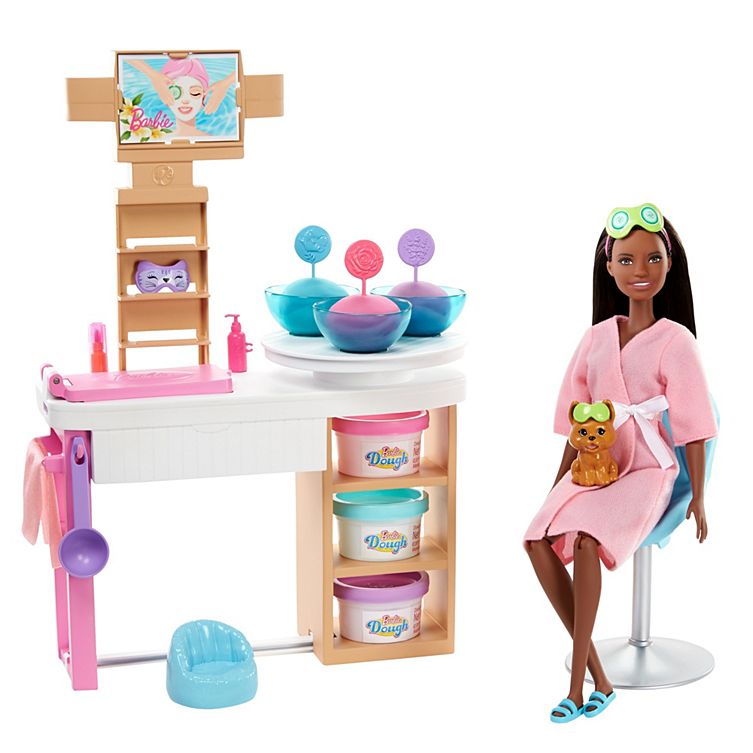
This week, a press release from toy company Mattel announced that the Barbie range is now welcoming a new addition to the collection; The Wellness Barbie. This follows a trend Mattel has been setting recently, modernising its famous toy to encompass more inclusive and realistic depictions of Barbie – even including Barbie dolls with disabilities and skin conditions.

Mattel’s next step into the world of wellness proves that what was once considered a small pocket of activity reserved for those who regularly do yoga, buy self-help books and do juice cleanses, is now a global movement and, more importantly, a hugely profitable market.

Why, more specifically, is Barbie into wellness?

The press release answered this very concisely; “The Barbie Wellness collection will introduce girls to the benefits of self-care through play…The collection teaches girls daily routines that promote emotional well-being and includes three key themes: meditation, physical well-being, and self-care; because Barbie knows to be one’s best is to give yourself the best care.”

So why is ‘Wellness’ the next big thing?

The answer is relatively simple. With constant stimuli around us – busy schedules, 24/7 digital contact, political turmoil, environmental crises and world disasters – people feel an overwhelming need to revert internally to look after themselves, make themselves feel better and look better.

So much so, that according to analytics firm GlobalData, the wellness industry, encompassing nutrition, fitness, cosmetics and more, is now worth up to £2.8 trillion worldwide. According to the Global Wellness Institute, the sector is growing rapidly. By 2022, British consumers are forecast to spend £487 per head annually on “wellness”.

But Barbie is just a toy. Isn’t it a bit of a strange jump?

Not at all. In fact, as a health, fitness and wellness agency, we would argue that if a brand wants to be taken seriously, it will incorporate an element of wellness into its offering. Similarly to sustainability, brands that are evolving and incorporating ways of giving back to the planet and ways of giving back to an individuals’ overall health, are the ones doing the best and have the most longevity.

Not just that, but it also shows the longevity of the wellness industry. By targeting children with the messaging of wellness, self-care and looking after yourself, Mattel is showing that wellness is a big movement but it’s also one that is here to stay for many generations.

Is wellness just a trend though?

Wellness and self-care is not a new phenomenon. Certainly, the news agenda is more eager to talk about it at the moment, (partly in thanks to good PR work…) but the subject has actually been having a steady increase in popularity over the last few years. Even psychologists are pointing out that it has no reason to slow down. According to Gracy Obuchowicz, a self-care facilitator, mentor and coach, this may be because, “People are really hungry for knowledge. We are beginning to recognize that paying attention to our needs can be used to promote a better understanding and well-being around us.”

If you’re considering incorporating wellness into your brand offering or finding your feet in the health and wellness industry, we specialise in strategy, marketing, advertising and PR in the sector and would be happy to help. Get in touch here: info@actionpr.co.uk 

Decoding the latest health and fitness buzzword: Healthy Hedonism

Healthy Hedonism Yoga and Prosecco

In the last year, there’s been a major surge in the use of the buzzword ‘healthy hedonism’. At first, it looks like a term that is completely at odds with itself. How can you be both healthy and seek absolute hedonism in the same form? Well in 2018’s health and fitness world, you can.

What is Healthy Hedonism?

If you’re a brand that understand consumers, you know that they want it all. They want their jobs to be going well, personal finances to be secure, their houses to be Pinterest-perfect and their holidays to be insta-worthy. More importantly, they want to live a healthy, sustainable and ethical life but still enjoy indulgences and thrilling experiences. And as the London Evening Standard pointed out back in 2016, it’s the younger generation that are fueling these needs: “healthy hedonism speaks to a particular demographic of young, stylish, privileged professionals.” It’s a tall order, but fitness brands are at the forefront of offering this service.

Where once people were interested in getting through their nine-to-five and taking the edge off at the local pub, many are now doing this via the gym or a health pop-up event. There’s even research to back it up. This year’s Allegra Report for fitness states that 51% agree that exercise has become more of a lifestyle over the last three years.

How to find Healthy Hedonism

There’s no denying that London is the epicentre of this movement. Publications are now selling guides on how to get your healthy hedonism fix. DOSE for example, published their ‘Healthy Hedonist’s Guide to London’, which appeals to the ‘pleasure seekers in search of balance.’ It makes perfect sense why Londoner’s need this sort of release. The book argues that health and hedonism don’t have to be separate. “People are making fitness a part of their social life” Founder Shara Tochia told The London Evening Standard.

Appealing to the Healthy Hedonists

One such brand that is excelling at appealing to healthy hedonists is The Ministry of Sound. Once prolific for its thriving nightlife scene, the brand has now launched its sister concept, Ministry of Fitness where cutting edge technology, sounds and MC’s are used in the studios  alongside spinning bikes or boxing bags. People flock in, eager to get their endorphin hit, work up a sweat and let go of their stresses whilst still burning serious calories. The genius behind the idea is that guests can then also go to the accompanying bar for a cocktail (or mocktail) and indulge in the luxury of a post-workout drink.

Even the age-old excuse of ‘I just don’t have time to exercise’ has stopped working. Gym chains are embracing the 24-hour concept where people can not only workout at the crack of dawn, but also in the middle of the night – before a night out or even after – whenever they need that release. More and more gyms are running events in these spaces, partnering with drinks brands and skincare products to give customers the full 360-degree indulgent experience.

Press Love Healthy Hedonism

And in our profession of PR – the crux is that press love healthy hedonism. The reason is, it’s a way for people to have fun experiences but not have their health and wellbeing compromised (just think about drinking copious pints and raving at a music festival for five days and you’ll get the gist!).

Fitness and working out is a great way for people to feel good about themselves but also to have fun. If a fitness activity is paired with slightly more indulgent experiences like a cocktail masterclass, the press and consumers love talking about it. Brands excelling at delivering both these elements to the customers, are the ones that are going to be succeeding long-term in the market.