
2020 saw the start of the connected fitness boom as companies rushed to take advantage of the train-at-home phenomenon brought about by the pandemic. The market has been growing ever since and at time of writing, Action Group is aware of over 30 connected equipment brands spanning rowing to reformer Pilates.
While the B2C market remains dominant, connected fitness companies have begun dipping their toes into the commercial market, and we are starting to see connected equipment popping up on the gym floor.
When you think about it, it makes total sense. As an industry we’ve always been obsessed with ways to ‘distract’ members from the hard work they are doing. We’ve had TVs on treadmills for decades and now screens connect with apps like Facebook and Netflix to name a few. Over the years we’ve seen immersive screens which allow us to choose the terrain we want to train in, to on-screen avatars of ourselves on a bike (think Trixter) or even a pair of skis to prepare us for the slopes (anyone remember the Bodycarver?). Connected fitness equipment feels like the natural progression – yet the industry seems slow on the uptake.
Engage vs Distract
The crucial difference between connected equipment, to that previously described, is that it ‘engages’ rather than distracts. Far from the idea of plodding along on the treadmill while watching your daily episode of Eastenders, with no attention paid to your posture, gait or performance, connected equipment forces you to be present throughout your workout. It’s the ultimate bringer of progress – and as we all know, with progress comes happier members who stay for longer.
Admittedly, I’ve not tried every piece of connected fitness equipment on the market but from what I’ve seen, the workouts are effective, the experience is fun, and the instruction is world class. To my mind, that solves three pretty major challenges encountered by most operators. Connected fitness equipment isn’t a substitute for personal training, but it certainly bridges the gap, and arguably creates a pathway into PT. It absolutely solves the problem of education for the large proportion of members that use equipment without knowing enough to get an effective workout from it.
So why aren’t all operators jumping on the bandwagon and getting themselves connected? Price doesn’t seem to be the limiting factor, with hardware in line with non-connected counterparts, although admittedly there are the content licence fees to pay. I’ve seen a few pieces of connected equipment on the gym floor; Jubilee Hall has a couple of Peloton bikes, Solo60 has Hydrow and a number of hotels have purchased single pieces for their gyms. The trouble is, when you have one of something it nearly always gathers dust, it’s seen as special or complicated and members are nervous to use it because it makes them the centre of attention.
The answer is to go all in – switch CV for connected CV and see the difference! Just because equipment is connected it doesn’t mean members can’t do their own thing if they want to. The majority will choose and benefit from structured effective workouts which keep them coming back for more.
3 Connected Brands to Watch…
Speedflex Blade

The Speedflex Blade is the new, full-body connected fitness machine from Speedflex, with fans including Alan Shearer, Dion Dublin and Ben Shephard. Its infamous ‘HIIT Without the Hurt’ motto ensures you can train hard with no aches and pains the next day, thanks to a focus on the concentric phase of movements.
The Blade uses the same innovative piston technology as the original Speedflex concept where minimal load is placed on the joints, making it one of the safest forms of training in the world. Just like Speedflex, the Blade responds to the force you apply on it. By moving the free motion bar slowly it is light and easy to move, as you move the bar faster and with more force, it offers increasing resistance.
The Blade combines the Speedflex concept with a 14-inch touch screen console, pre-loaded with 100 pieces of content, from 15–45 min sessions, so members can benefit from full-body, fully coached workouts, on the gym floor. With no need to adjust the settings, an 18-year-old and an 80-year-old can both get a great workout which is optimally suited to their own intensity, making the Blade the perfect option for all members, no matter their ability or fitness level.
Zygo
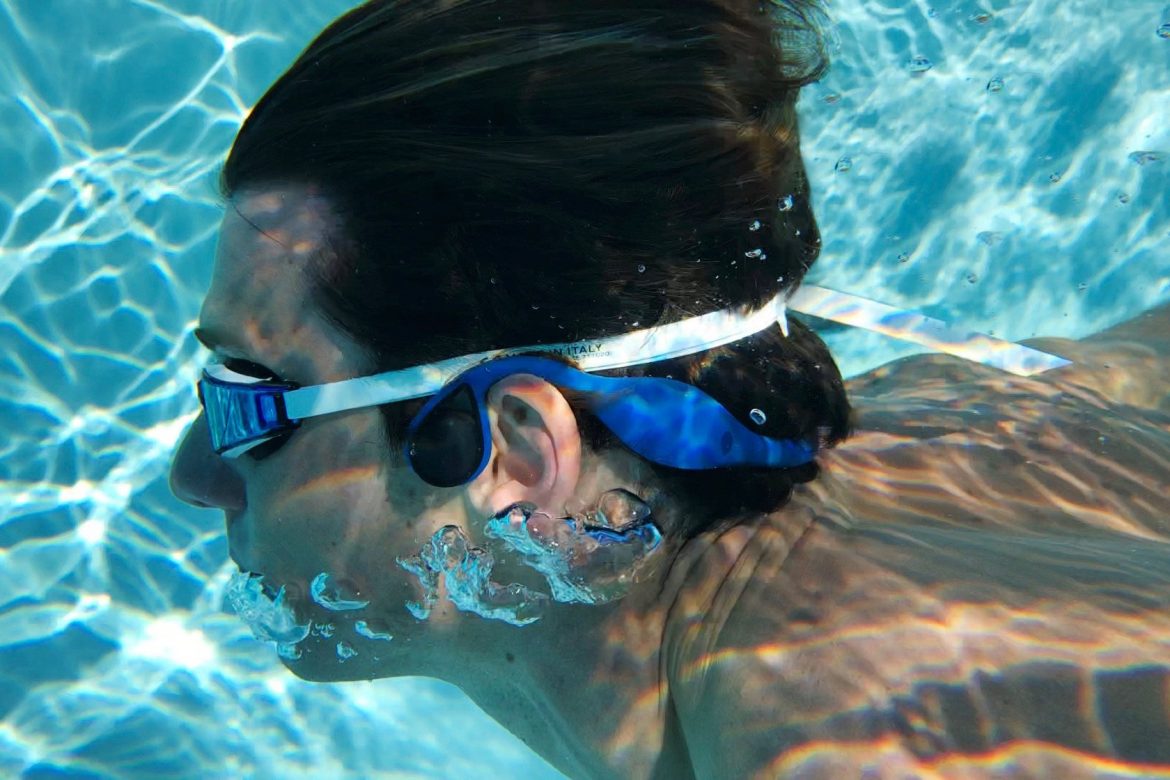
Connected fitness is not just limited to the gym floor. Zygo is the world’s first underwater audio-streaming service. Combining both hardware and software, it has been described as ‘the Peloton of the pool’.
The LA-based startup is on a mission to bring swimming into the modern-day fitness era. Their patented technology enables underwater streaming audio as well as live coaching, and their app provides guided swim content paired to music, ranging from quick sprint sets to triathlon training plans. With regular swim training long-dubbed a dull pastime, Zygo hopes to bring a more engaging in-water experience to swimmers everywhere.
Bluetooth cannot penetrate water, which is why previous products use outdated MP3 technology. Zygo’s innovation lies in its patented radio frequency system and complex antennae design. It uses a wireless waterproof transmitter that can be left behind on poolside. Once paired with a headset – or multiple headsets – the transmitter streams any audio from a phone and also serves as a walkie talkie for live one-way communication.
Zygo has already been a transformative experience for those who spend long hours in the water. So much so, Alistair Brownlee MBE, invested in the company in its latest funding round. Zygo is set to revolutionise swim training for everyone from the elite athlete to the casual swimmer.
FIIT Connected Studios

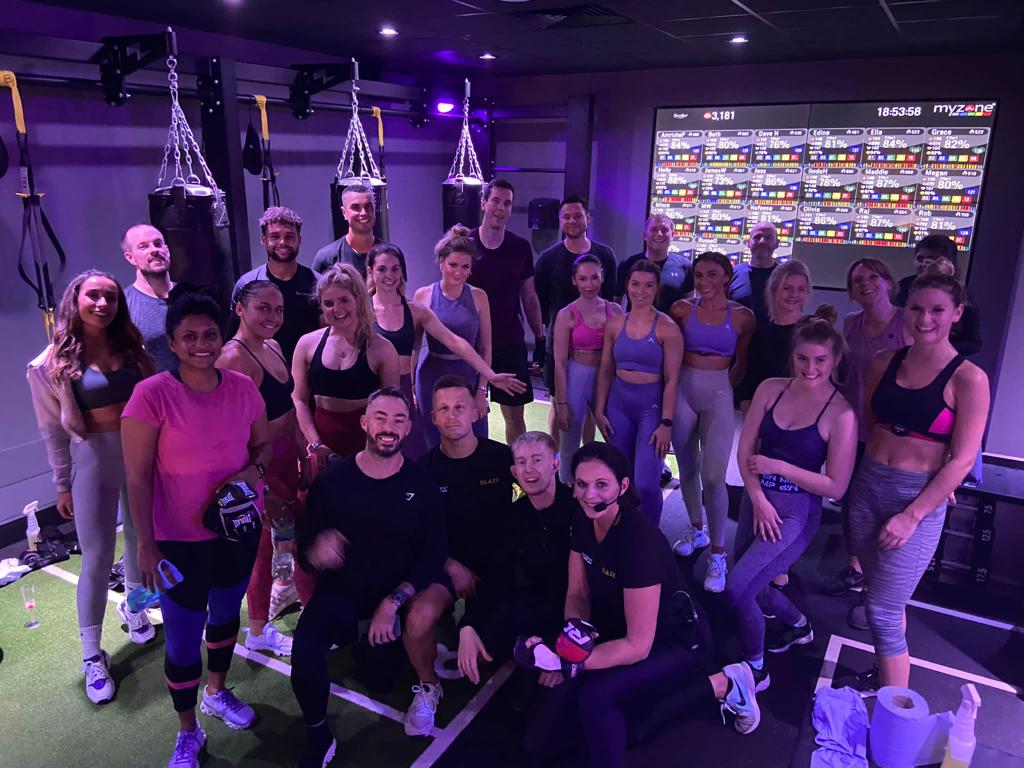
From the gym floor to the studio, FIIT the #1 rated at home connected fitness app, has launched a commercial offering to help operators go connected in their studios too.
The fully immersive studios combine FIIT’s dynamic coaching, delivered via the big screen, with hardware including rowers, treadmills, bikes and airbikes. The group sessions are fully interactive thanks to the FIIT tracker which gamifies the experience, creating an on-screen leader board for all participants in the class. Additionally the studios allow member to join the classes from home and be a full part of the experience via their FIIT tracker.
We are industry experts with decades of experience. As a full-service marketing agency we offer everything from consultancy, PR and brand photoshoots, to full website and app build. If you are a business in the health, fitness and wellness industry and looking to expand, grow and raise your profile then get in contact with us: info@action-group.co.uk