Unleashing the power of inclusive community fitness – Superhero Tri

Here at Action Group we work closely with health, fitness and wellness clients whose services, products and experts bring the most amazing activity opportunities to people of all ages. Our work also brings us close to individuals who have enjoyed a transformative experience such as through rehabilitation, weight loss or overcoming ill health to achieve personal goals or complete endurance challenges. It’s always a privilege to witness such a journey, even more so when people share their stories with us and the wider world.

Hand on heart, the Superhero Tri event takes such a privilege to a whole new level – the people we met, the stories they shared and the sheer power of the day itself was extraordinary. At first glance, this fully inclusive mass participation disability sports event promises something exciting and different. But we soon learned that the activity and teamwork were just one part of this unifying and electrifying day that brought a heady combination of commitment, camaraderie and community. 

Just what is Superhero Tri?

Superhero Tri is part of the Superhero Series of events dedicated to the nation’s 16 million people with disabilities of any kind. Founded by Paralympian Sophia Warner in 2017, it was born out of a lack of sporting events for the ‘Everyday Superhero’. Not only does it present a bold, fun and inclusive sporting challenge, it also creates a diverse community for Superheroes and their ‘Sidekick’ supporters.
Sophia Warner

The Superhero Tri is powered by Marvel who lends the power of its Superheroes and storytelling to make the day even more characterful and colourful for everyone.

The Superhero Tri challenges include a tow/swim, cycle and a push/run which Superheroes can complete ‘flying solo’ or in a team supported by Sidekick teammates to tow, push and pull them around the course.  With an ‘anything goes’ attitude towards enabling, equipment, gadgets and gizmos galore can be found on the course with this year’s event seeing an impressive array as diverse as side-by-side cycles to a wheelchair strapped to a surfboard!

Our super role

Action Group had the mission of helping the storytelling in the run-up to the event, following selected case studies round the course, co-ordinating three photographers so they didn’t miss a moment and tracking down VIP and celebrity participants for media interviews and filming. Not to mention cheering at the top of our lungs at the amazing people crossing the finish line.

A few months before the Superhero Tri we spoke to a few case studies, sharing some of their stories ahead of the event to encourage others to sign up. This included young Eve who took her first supported steps at Superhero Tri in 2017 and this year walked the entire 1KM distance and Fleur who completed three distances back-to-back in her wheelchair in honour of son Toby who died earlier this year. We also followed Stephan and his daughter Chloe who have taken part in numerous events together for 12 years since she was four. And Carmela, 12, who has defied all her diagnoses to not only take part in the Superhero Tri once again but this year fulfil her dream to present sections for the Channel 4 highlights programme.

Fleur and Matthew Bryant

Each had a powerful and moving story, made all the more potent and poignant as we saw them smash their respective challenges and cross the finish line in triumphant style.

Charity friend

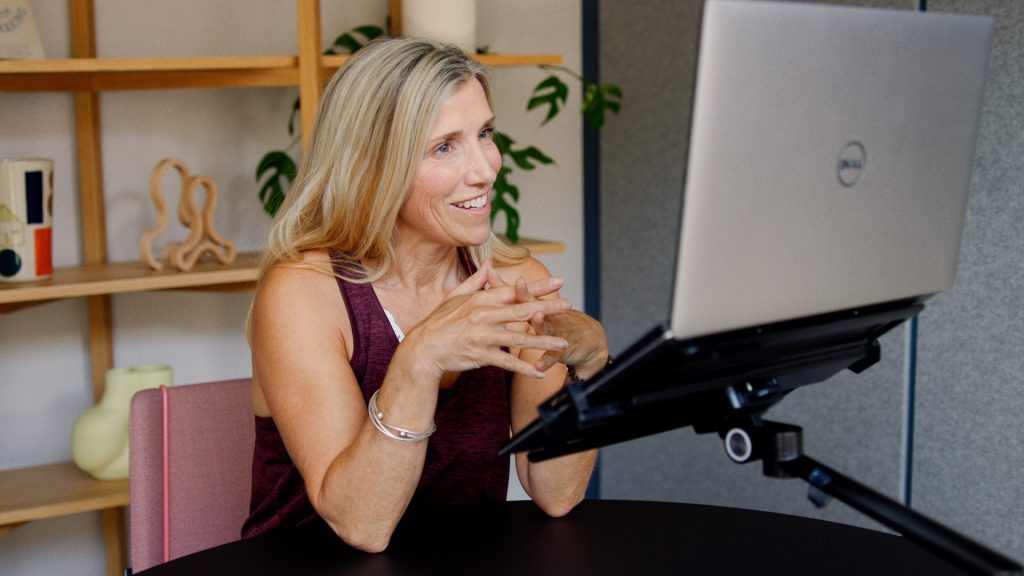
Our client Neurokinex was also there on the day as a Charity Friend. Their trainers and clients turned out in force, joining together as Superheroes and Sidekicks to go the distance. Two young clients, Jasper, 12, and Abby, 7, had the best time alongside comedian and The Last Leg TV presenter Adam Hills as part of his celebrity team. Adam was fantastic with them – allowing us to set up a Team Zoom call ahead of the event to get to know them before the big day. He got them off to a flying start as he began the relay by swimming 150m before transitioning and handing over to Jasper who took on the 3km bike section of the Sprint Tri. Then he handed over to Abby who completed the ‘run’ section in her wheelchair, accompanied by Adam and her Neurokinex trainers Rocky and Lucy running alongside.  Jasper met them at the end to cross the finish line together which was greeted with cheers and tears of joy.

Coverage

These were just a few among hundreds of heartwarming stories as 3,300 participants completed the course. As one of two PR crews there on the day, our role was to support and direct the Smiley News and Sky Kids FYI teams whose attendance we secured. They captured the spirit of the day beautifully: please take a few moments to see the Smiley News and Sky Kids FYI coverage below:

Alongside these TV pieces, we secured over 40 pieces of coverage for our case studies from the Windsor Express to the Daily Express, BBC local radio to first-person youngsters’ accounts in First News and disability media to City Matters. 

Playing our part on the day was both humbling and an honour. Sophia Warner’s commitment and passion for this ever-growing event is inspiring. Superhero Tri is like no other sports event we’ve ever worked on. Replacing competition with compassion, race times with good times and obstacles with opportunity, it is truly powerful.

Next up is Sophia’s Superhero Series December event – Winter Wonderwheels.

We’ll see you at the start line!

If you want help getting media coverage for your community event, get in touch with us via: info@action-group.co.uk

Driving Footfall for Barrefly

At Action Group, we don’t just work with large brands or giant franchises, we’re also able to help single location studios drive footfall and sales through creative events and activations.

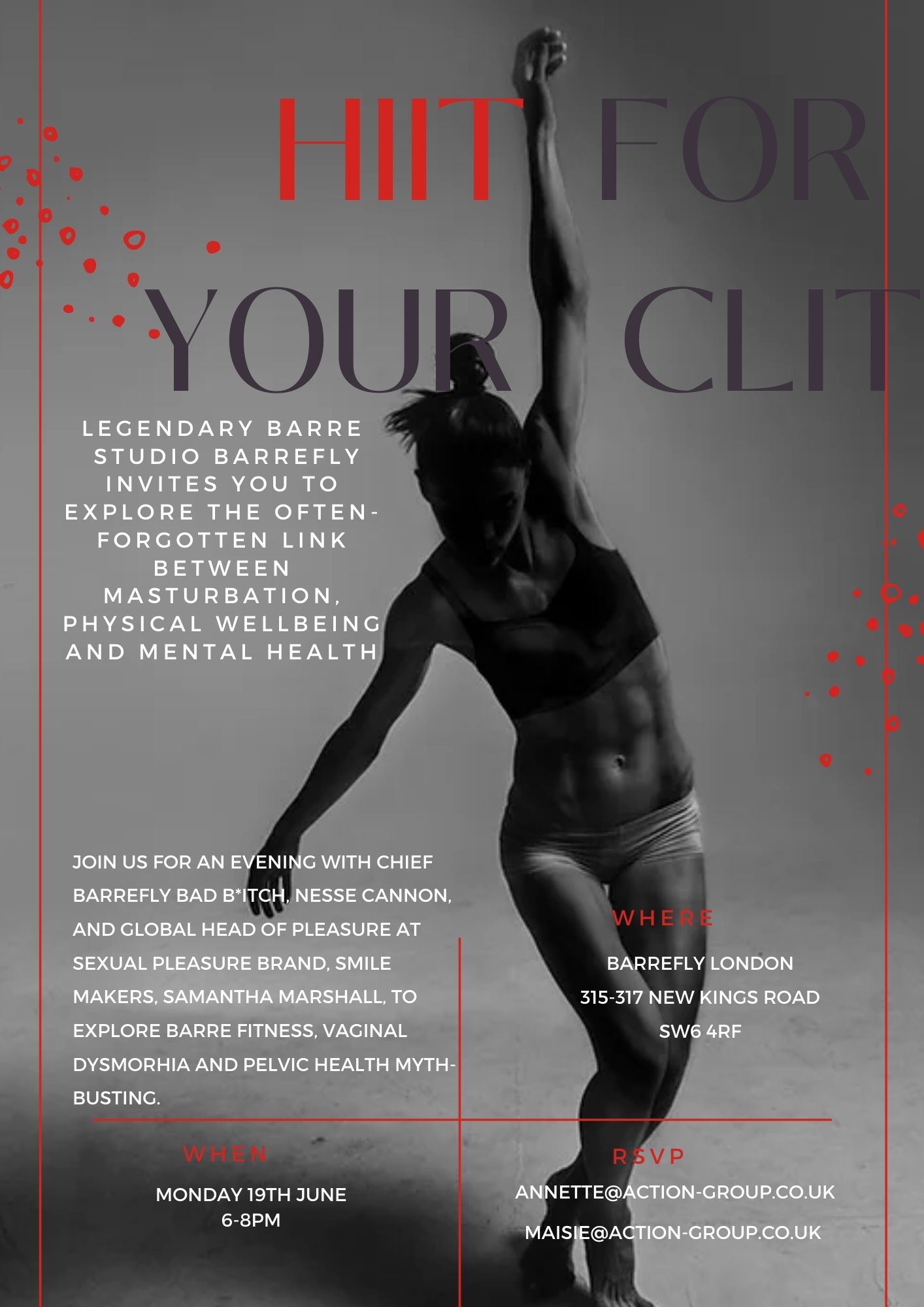
Nesse Cannon, Founder and Chief Bad B*tch of Barrefly, a small barre studio in Parsons Green approached us with a desire to drive local press and footfall with an activation that accurately reflected the brand she had created.

We spent time getting to know Nesse, the owner of the studio to create an event that was undeniably hers. We worked with her to bring to life her unapologetic feminist spirit, and critically, her desire to bring pelvic health to the fore in her classes and all her studio comms.

Our ‘HIIT for your CLIT’ event was conceived to openly celebrate and explore female pleasure as part of a healthy wellness and fitness routine. Breaking down boundaries and censorship around female masturbation and pelvic health, we hosted a showcase of barre-fitness and frank round table discussions with our ‘Clitterati’ around women’s health, pleasure and pelvic concerns.

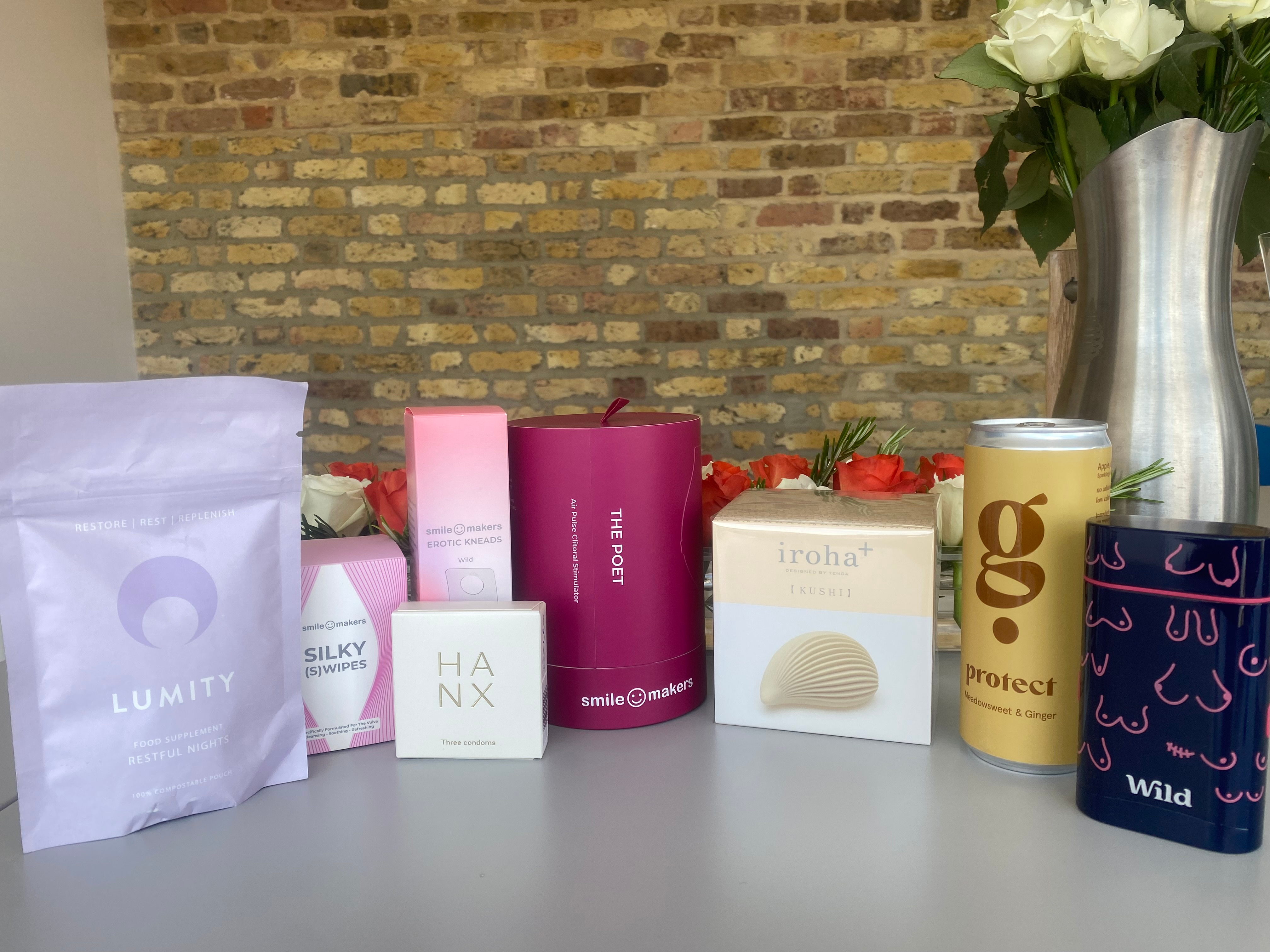
To enhance the event, we worked to secure a range of relevant partners, such as inclusive sexual pleasure brand Smile Makers, cutting edge, design-led Japanese pleasure toys, TENGA, revered London-based pelvic physiotherapists and female skincare and vitamin brand, Lumity.

We worked hard to ensure the event was covered in local event listings and ‘what to do this weekend roundups’, and invited local journalists and content creators to the event – all focused on driving local awareness and ultimately footfall.

The event was a success, driving an increase in membership enquiries and footfall to the studio, and Barrefly has subsequently opened a second studio in Putney.

If you’re a brand that wants to discuss creative ways to bring your objectives to life, to secure high quality press wins or make an impact with the right audiences – get in touch via: info@action-group.co.uk
Is the Calendar Hook for PR dead?

As the start of the year is here, agency teams everywhere will be hard at work planning for the year, trying to map out key campaign moments. During these planning periods, one of the questions clients often ask is, “shouldn’t we do something for ‘insert calendar moment here’?”

Calendar hooks include well-known dates in the calendar, such as Valentine’s day, or the first day of summer, but there are also days created specifically for marketing purposes, such as Blue Monday. They have long been a staple of PR teams, giving us a moment to hook an activity to and make it newsworthy for press. But is it time to put your typical date-based approach to bed?

Burn Off Your Bills – Campaign by Action Group for Fitness First

Key points in the calendar can give PR teams an answer to the question of ‘why now?’, providing a universally understood moment that can make a campaign activation relevant. If done correctly it can lead to some incredible coverage and social chatter, everything PR dreams are made of.

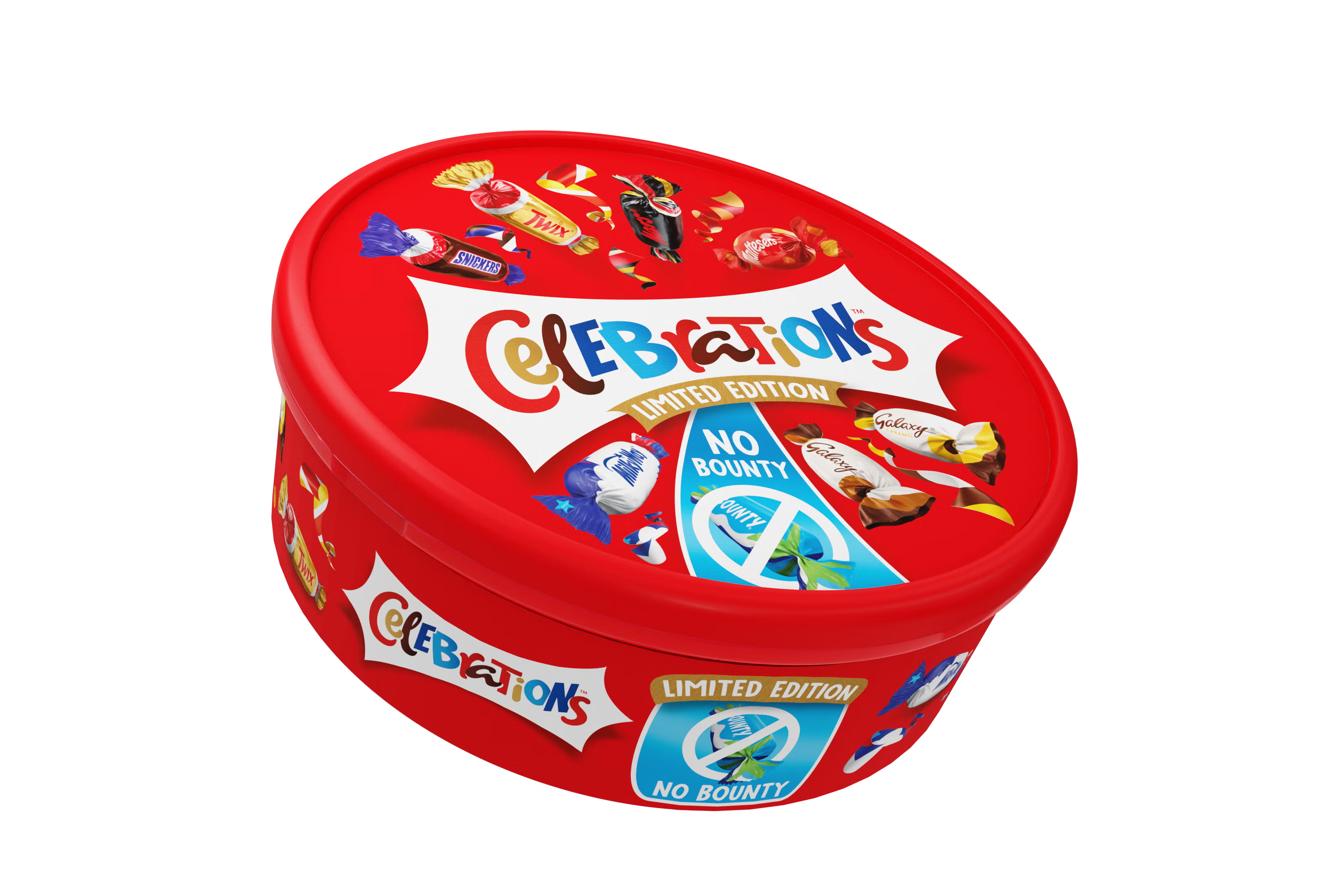
A good PR calendar hook would include an activation that will naturally feel authentic to the brand, driven by insights, and be creative enough to capture attention in a busy media landscape. A perfect example would be Mars announcing it would be trialling ‘Bounty-free’ Celebrations tubs just before Christmas – a simple and fun activation at a time already associated with the Celebrations brand, and consequently set up their #BringBackBounty campaign. This proved hugely successful across the media landscape, spreading across print and online publications. and widely on social media.

Credit: Mars

However, major moments in the calendar are becoming increasingly crowded with brands looking to get their piece of the pie. This means it’s becoming more and more difficult to gain cut through with media and ensure your brand stands out.

Part of the reason for this is brands feeling they have to do something to mark a calendar moment, believing that if a journalist is going to be writing about Valentine’s Day anyway, then why shouldn’t their brand be part of it?

On top of the overcrowding, some of the days created for marketing purposes have long lost their resonance with consumers and are now largely seen as nakedly self-serving or pointless; there’s even an ‘International Awareness Day’ awareness day…

The reality is you don’t have to be involved with every calendar moment. Yes, PR calendar hooks definitely still have their place in a comms plan, but it’s vital to ensure your activations make sense for the brand and are bold enough to stand out from the crowd. Trotting out a half-hearted creative activation on Valentine’s day is likely to see it lost in amongst a crowd of brands and see minimal return on investment.

If you’re interested in hearing how Action Group can help you with your PR strategy then get in touch at: info@action-group.co.uk

Media Training: Why you need it and might not know it

How to bridge in a interview

Media training is one of the most vital tools in a PR’s wheelhouse. As public relation and reputation experts, we always recommend media training workshops to clients. Whether you’re a business founder, an industry expert, an influencer, an inspiring instructor or a global CEO – navigating the media requires proficiency, authenticity and finesse. All of which – a good PR can teach you.

At the end of the day, reputation can be a funny thing – especially in today’s rapidly evolving media and digital space where public perception and scrutiny is heightened. At Action, we find that the clients who commit to their media training by learning everything from how to have a successful media interview (a topic we’ve discussed in more detail here), to how to use the ABCD method with media engagements (also explored here) – are significantly more empowered and confident with press opportunities in the long term.

But what is media training and why does it matter?

Concise Messaging

The way you convey your thoughts and ideas greatly influences how your message is received. Media training is one of the simplest ways you can learn how to distil your personal passion or complex brand concepts. Helping turn them into concise and impactful statements that your audience (whether that be a journalist, a room full of people or a live broadcast) – just ‘gets’. Through their work, PRs have a great understanding of how journalists and, as a result, their readers – will receive information. It’s through this understanding and experience that PRs can then guide individuals through media training to speak in such a way that will resonate with an audience immediately.

Confidence and Presence

There’s a good reason why so many public speaking workshops and courses are available on the market – because it’s tough! Whether you’re speaking on stage in front of an industry audience, being interviewed live on broadcast news or just speaking to one journalist via a Zoom call – it is always intimidating – even for the most seasoned pros! But that’s where media training provides clients not only with the confidence to conquer this stage fright, but also helps them to remember their reasoning, key messaging, overarching goal and of course – their personal passion. Every one of these are key to giving a journalist and their audience a clear idea of your brand and your presence. In media training, we go through everything from how to spot common jargon phrases (a little sneak peek can be found here), to how to use voice modulation, eye contact and body language to convey calm, concise and clear responses to any question.

Positive Relationships

Good PRs will have done their research on any media engagement and brief a client or interviewee on who they will be interviewed by. Knowing a journalist through and through is part of a PRs remit and within media training, we teach individuals how to speak to that journalist in a way that is both professional but also human. Knowing what their interview style is, what sort of features and articles they write, and what ‘end result’ they are looking for is important. When an interviewee is equipped with all this information, media training comes into its own and individuals can respond in a positive, authentic and human way that doesn’t feel overly rehearsed. Journalists on the flip side – appreciate this level of attention from those they are interviewing and as a result – positive relationships happen on all sides. Which likely will lead to future opportunities…

Social Media and Customer Relations

At Action, we are also adept at adding social and customer relations to our media training guides. We also have experience in teaching social media managers and customer relations officers how to handle everything from everyday communication and marketing to difficult conversations on social platforms. In fact, there’s a blog that covers the latter point here for anyone wanting quick advice! 

The truth is, the online world can also be a minefield, with the potential for miscommunication, backlash, or reputational damage. Our media training encompasses digital literacy, guiding individuals on how to effectively manage online presence, engage with followers, and navigate potential pitfalls. Understanding the nuances of social media helps individuals harness its power as a communication tool while mitigating risks.

Why Media Training Matters

The media landscape is an ever-evolving behemoth and to make a lasting impression as a business, brand or expert – media training is not a luxury but a necessity. Knowing how to effectively communicate with press and their audience, amplify your message and shape public perception is a powerful skillset. At Action, we believe that crafting compelling messaging, building confidence and presence, handling challenging situations and creating positive relationships – are all part and parcel of achieving this.

If you or your business requires media training, we can help! Please get in touch via info@action-group.co.uk and we can discuss how we create personalised media training packages on an ongoing or one-off basis.

Building Media Relationships by Thinking Outside the Box

pr relationships

Building media relationships is a key part of every PRs role but the most effective means of developing meaningful ones is constantly changing.

Speak to any journalist and you’ll quickly understand how many hundreds of emails they receive each day from PRs pitching the latest product, service or research angle from their industry. While each PR should have spent time and effort crafting a creative press release and well-worded pitch email to support, the sheer amount of email competition can make it hard to cut through the crowd and grab the journalist’s attention. You can find out all of the expert advice our PR specialists have in our blog on what makes a good pitch here.

Yet, if the recipient is already familiar with the PR, as a result of thoughtful relationship building, starting that conversation (and ultimately securing that winning coverage) becomes all that bit easier. A ‘State of Journalism’ report by Muck Rack found that for 61% journalists, a quarter of their stories come from pitches which highlights the importance of a solid media relationship.

With vast experience in doing just that, Action’s PR team have shared their best advice on how to build meaningful relationships with target media.

Going Beyond a Catch-Up over Coffee

There is so much value in taking the conversation with a journalist offline and meeting face to face. Yet, we’re all becoming increasingly time poor; especially journalists who often now write for multiple publications at a time. So, getting them to break away from their desk for an in-person pitch over a coffee is much harder now than it once was.

Instead, make it personal. A short scroll through most journalist’s social media profiles will give an insight into their personal passion projects or most loved hobbies. For example, if the journalist appears to be an avid yoga fan, you could suggest booking on to an evening flow together and begin building media relationships that go beyond usual expectations.

Working with a number of incredible health and fitness clients at Action has provided us with ample opportunity to invite press targets to try out classes together and build our relationships further. Most recently this very tactic resulted in a 4 page spread dedicated to client miha Bodytech in the weekend pages of The Daily Telegraph, proving just how important ‘IRL’ meet ups can be. You can also read about the work we did with celebrity personal trainer Monique Eastwood here.

Get Creative

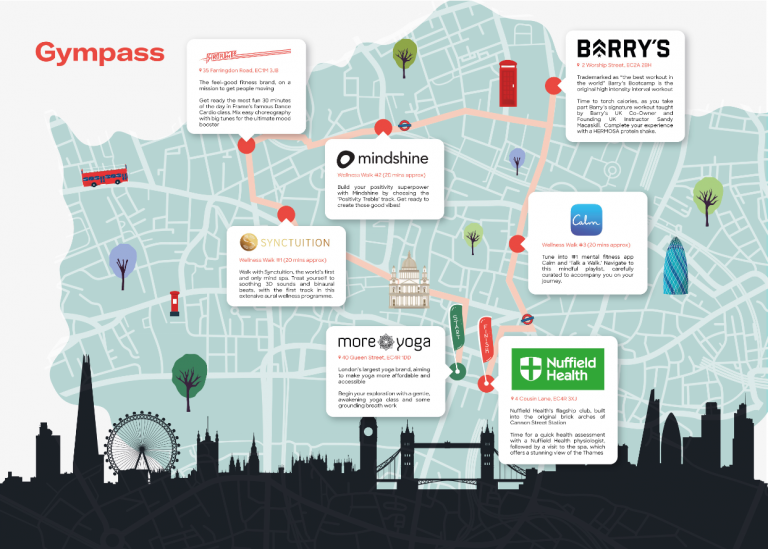
When it comes to keeping media engaged with brand experiences, creativity is key. Think outside the box. Why would journalists want to take time out of their day for this experience? A great example of this type of creativity at play is the Gympass Wellness Tour hosted by Action last Summer.

Building media relaitonships
Gympass Wellness Tour

Our aim was to showcase the variety of health and wellbeing partners available to members via the Gympass platform. Yet, instead of simply providing media with a Gympass membership and hoping they tried out the partners for themselves, we took Gympass to the media. Action created an incredible day-long experience, which saw key journalists visit 4 venues including 1Rebel, Nuffield Health, MoreYoga and FRAME while also experiencing 3 additional wellbeing app partners on the way. Engaging journalists in an experience they would rarely get the chance to do in their own time resulted in fantastic reviews from those that attended and importantly led to meaningful and lasting relationships being built with key contacts.  

Experiences of this kind are greatly effective but mean we can only target a handful of press at a time. So, in order to reach further contacts, we took our latest Gympass activation online. We wanted press to be able to understand the Gympass platform for themselves in a way other than words on an email. So, with the help of our fantastic graphic design team, we created the interactive Gympass quiz.

Here, press were offered a complimentary membership to Gympass and invited to take part in our quiz in order to receive it. Press simply clicked through the engaging quiz to discover their individual fitness personality and as a result which Gympass partners would be best suited to them. It was important that the quiz didn’t take too long to complete to keep media engaged while also delivering key brand messaging within each stage. Again, this activation has received great reviews from those who engaged with it and meant we are able to extend the experience further afield, building media relationships and developing them into meaningful ones.

An Excuse to Get in Touch

Finally, events. Events are a key part of PR and can help in launching a new product, service or location to the media. Often the press are the first to get a glimpse at the new launch so the exclusive invite itself often helps in kick-starting a media relationship. Yet, an event invite goes beyond the actual day and provides a great opportunity to build a longer lasting relationship with each journalist. For some expert tips on how to pitch an event to local press, check out our blog here.

Firstly, events provide a justifiable reason for multiple touchpoints with the media. Firstly to confirm attendance and finally to follow up for their feedback. Offering product samples such as apparel on the day gives a great opportunity for further touch points post event too. You can read all about how we work with sustainable snack brand Squished to secure them amazing coverage in our blog here.

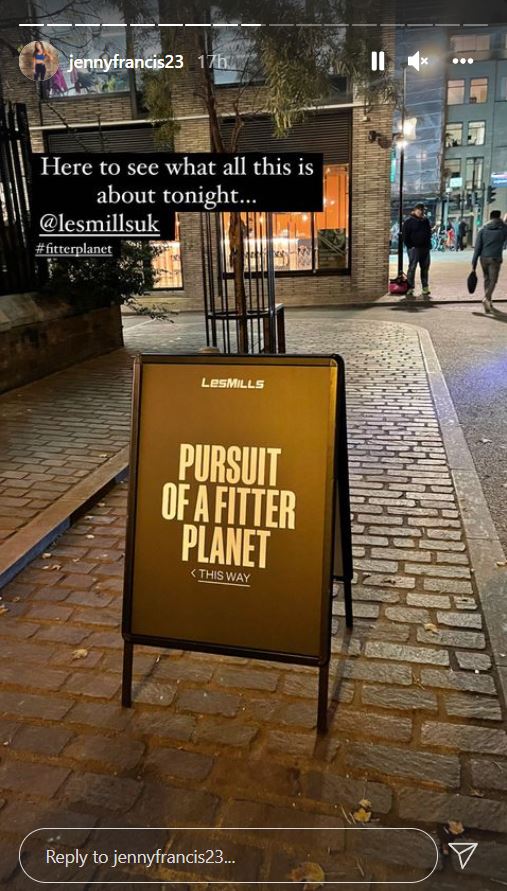
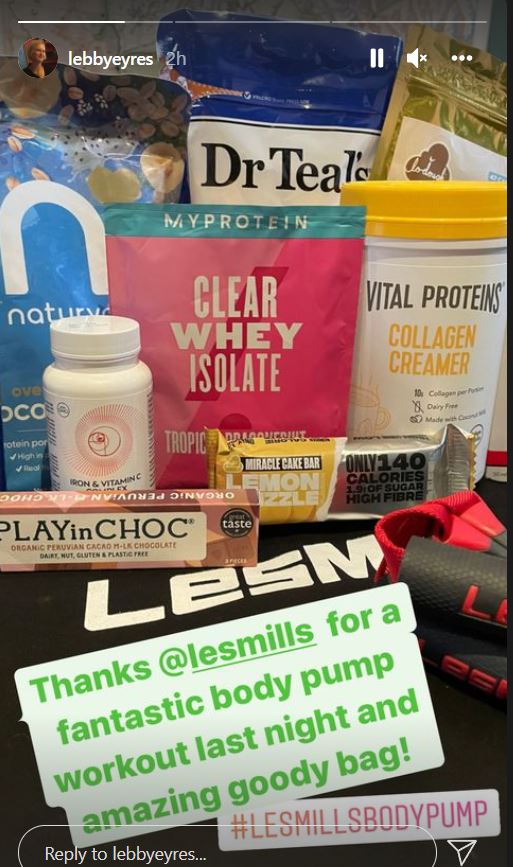
Action recently hosted a large-scale event to launch the new app from international fitness brand, Les Mills. The event included all the key components of an engaging press evening. From an energetic in-person workout and high value gifting to opportunities to interact with the Les Mills kit, the event built long-lasting lasting relationships with press that had been on our target media list.

A lot of time and effort goes into producing and hosting a press event but every last detail counts. From personalised name settings to high worth goody bags, these details help to create a lasting impact on the journalist and act as a long-term reminder of the brand and the PR contact. While the coverage that comes out of a press event is highly valuable, the press contacts that keep coming back for more are even more valuable.

Have a look at some of the other events we have hosted that have helped build meaningful relationships with media; like the launch of FORTIS at Fareham Leisure Centre and a sprint masterclass with WithU.

Whether you’re looking to increase brand awareness, reach more of your target audience, or tell your story, then get in touch with us. We are experts in consultancy, marketing, PR and advertising, so if you’re a small business or a multi-million pound turnover one, we can help you. Email us: info@action-group.co.uk

Maximising Instagram for your Business

Instagram is not just for sharing your latest selfie or holiday snap, it’s also an extremely powerful marketing tool for businesses. The platform has around 800 million active monthly users, 25 million of whom are business accounts. Despite its current popularity, businesses have yet to maximise its potential to engage current customers and attract new ones.

With this in mind, here are some tricks of the trade to help you make the most of your business Instagram account.

Engage, don’t just promote

Whilst your page is obviously an opportunity to promote your brand, it is important you use it as a platform for engaging with consumers, rather than simply pushing your products in their faces. As tempting as this can be, it can easily put people off. Think about incorporating branded fonts or colours into your pictures and use a specific tone in the captions to represent your brand. Then use the actual posts to share funny captions, ask questions and offer insights. Remember, it’s about building up a personality for your brand so followers enjoy seeing your content, without seeming self-promotional.

Keep your enemies close

Competitors can be a great source of #inspo, so keep tabs on them! Research what they are doing in the space, what they are talking about and the sort of images they are sharing. As well as helping you to understand more about what you are up against, this can be a great source of learning for you around what the target demographic responds well to and what they don’t.  Armed with this knowledge, you’re all set to do a better job than your competition….

Share in real time

Instagram stories are the best way to engage with followers on a day-to-day basis. They provide the opportunity to offer behind-the-scenes access, give customers sneak peeks at new products and share real time news, like flash sales. They also provide the chance to drive followers to your website by adding linkbacks. One of the best tactics for building brand engagement is by resharing stories that your followers have tagged you in. It’s amazing how much of a relationship-builder this can be as your fans feel a connection with you. What’s more, stories sit at the top of the feed, so they’re easily noticeable and not impacted in the same way by the algorithm. You’d be surprised just how many people will see them!

Hashtag for days

Unlike Twitter or Facebook, we highly recommend using many of the 30 hashtags that you’re allowed on Instagram. Be sure the tags are relevant to your posts and brand and that they are worth including. It can look messy to use too many in one post, so consider putting a couple of tags in your primary post and follow up with a comment that includes additional ones. Maximising hashtags will help your brand pop up when people are looking for relevant topics and content.

Extend your reach

Instagram has the most engagement of all the social sites, making it the perfect platform for advertising. Previously, only people following your account would see your photos and updates. But now brands can promote these to anyone within their target audience. Instagram advertisement is comparatively cheap and one of the best paid-advertisement options.

We’ve created multiple Instagram accounts for clients, writing content, increasing followings and monitoring promoted posts. Check out @mihabodytec_uk @goshfreefrom and @austerfit for some examples. If you’re not sure how to maximise the effectiveness of your Instagram account, we can help.  Get in touch!

How to get your news story in a national newspaper

Despite the myriad ways to share a news story, nothing hits the mark like landing a national newspaper story. Whether you’ve been in this business 30 months or 30 years, it’s always a thrill to gain national coverage for a client. It’s also worth celebrating because, as any PR will tell you, it’s downright tough to nail national coverage.

There is no winning formula (sorry) and even the best stories are vulnerable to timing. ‘A quiet news day’ really can let your story through while a national or local disaster, celebrity scandal or political coup can stop your best pitch in its tracks.

But, hey, don’t let this stop you trying – here are some tips that might help.

Be prepared

Think ahead, plan your pitch, have details, stats, case studies, spokespeople and high res (amazing) images to hand before you start. Be ready to run with things if the journalist runs with your story and prepare to turn on a pinhead if they pick up a point they prefer to lead on and want more from you.

Get on the phone

It takes guts the first few times but gets results. You have about 10 seconds to grab their attention so have your pitch and materials absolutely ready in front of you. Don’t waste time on pleasantries (they obviously enjoyed the sunny weekend) and get straight to the point quickly. (If you’re feeling nervous make the call standing up and smile as you speak – honestly, it helps!)

If you must email….

  • Remember the subject line is the most important of the whole email
  • Make it short, less than 60 characters including spaces, and put the keywords up front
  • Keep your pitch short and sweet – under 200 words
  • Ditch superlatives – ‘unique’, ‘amazing’ – and avoid over use of !!!!!
  • Avoid clichés like the plague
  • Don’t attach releases – they take time to open, can be viewed as a virus risk and generally don’t show personalisation or creativity….
  • Use “pitch points” (bullet points) to highlight key aspects of the story


Know who you’re pitching to

Contrary to popular opinion among PRs who’ve had the phone slammed down on them (Yeah. Me too. More than once) journalists are human. Knowing their work and understanding their views will help. Cision conducted a report on journalist preferences and found ‘their biggest motivator for interest was when you show some knowledge of their previous work.’ Good to know.

Would you read this story?

Move away from simply what you’re ‘selling’ and ask yourself: Why now? Why would anyone cover it? Why would people care? Would you tell this story to your friends at the pub tonight? Would you want to read it yourself? If you answered ‘no’ or ‘not sure’ to either of the last two questions, your pitch is poor.

Be brave.

If you have a good story, plenty of supporting information, a genuine news hook or a high level of human interest to share, pick up the phone. Afterall, if a daily paper doesn’t take it today, there’s always tomorrow….