Unleashing the power of inclusive community fitness – Superhero Tri

Here at Action Group we work closely with health, fitness and wellness clients whose services, products and experts bring the most amazing activity opportunities to people of all ages. Our work also brings us close to individuals who have enjoyed a transformative experience such as through rehabilitation, weight loss or overcoming ill health to achieve personal goals or complete endurance challenges. It’s always a privilege to witness such a journey, even more so when people share their stories with us and the wider world.

Hand on heart, the Superhero Tri event takes such a privilege to a whole new level – the people we met, the stories they shared and the sheer power of the day itself was extraordinary. At first glance, this fully inclusive mass participation disability sports event promises something exciting and different. But we soon learned that the activity and teamwork were just one part of this unifying and electrifying day that brought a heady combination of commitment, camaraderie and community. 

Just what is Superhero Tri?

Superhero Tri is part of the Superhero Series of events dedicated to the nation’s 16 million people with disabilities of any kind. Founded by Paralympian Sophia Warner in 2017, it was born out of a lack of sporting events for the ‘Everyday Superhero’. Not only does it present a bold, fun and inclusive sporting challenge, it also creates a diverse community for Superheroes and their ‘Sidekick’ supporters.
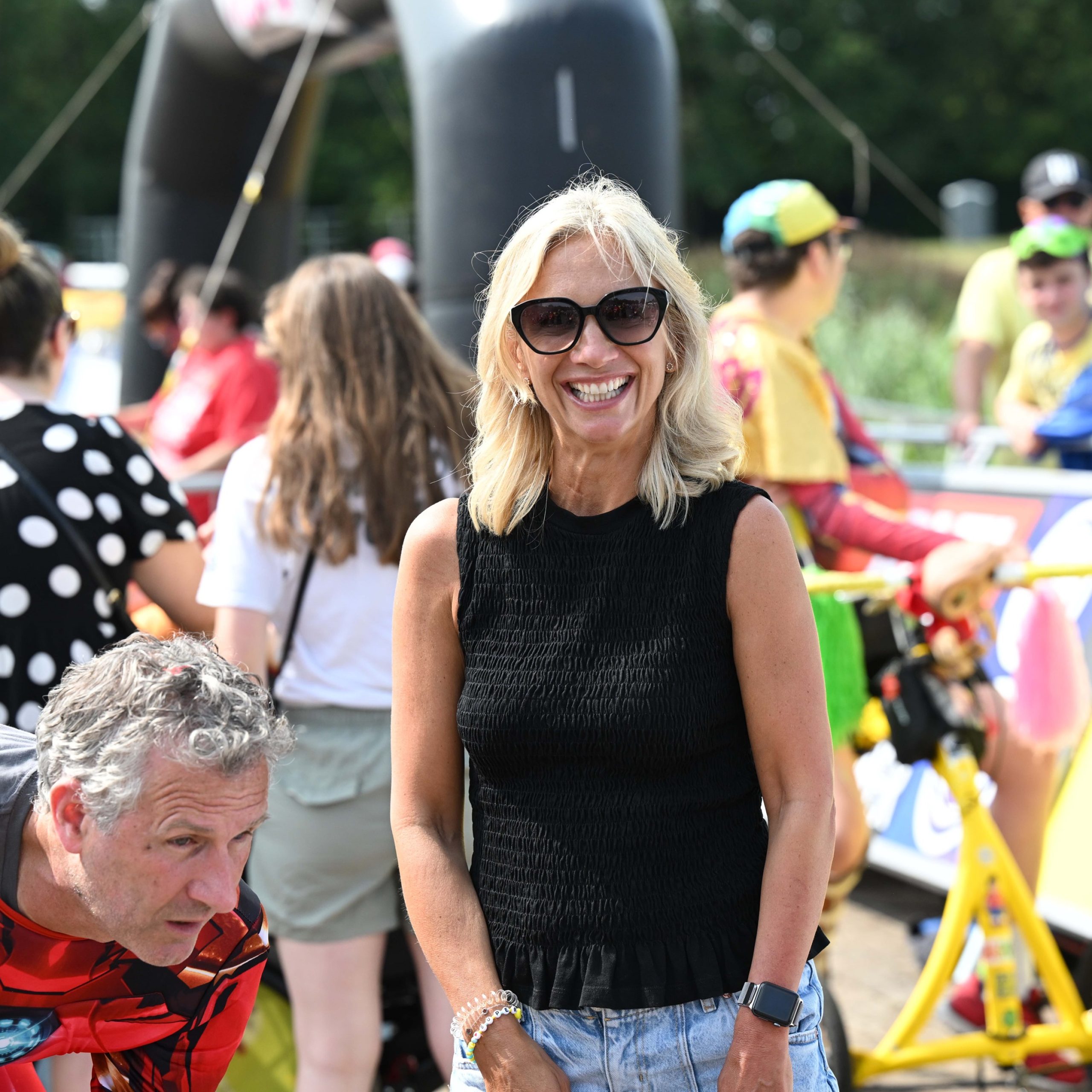
Sophia Warner

The Superhero Tri is powered by Marvel who lends the power of its Superheroes and storytelling to make the day even more characterful and colourful for everyone.

The Superhero Tri challenges include a tow/swim, cycle and a push/run which Superheroes can complete ‘flying solo’ or in a team supported by Sidekick teammates to tow, push and pull them around the course.  With an ‘anything goes’ attitude towards enabling, equipment, gadgets and gizmos galore can be found on the course with this year’s event seeing an impressive array as diverse as side-by-side cycles to a wheelchair strapped to a surfboard!

Our super role

Action Group had the mission of helping the storytelling in the run-up to the event, following selected case studies round the course, co-ordinating three photographers so they didn’t miss a moment and tracking down VIP and celebrity participants for media interviews and filming. Not to mention cheering at the top of our lungs at the amazing people crossing the finish line.

A few months before the Superhero Tri we spoke to a few case studies, sharing some of their stories ahead of the event to encourage others to sign up. This included young Eve who took her first supported steps at Superhero Tri in 2017 and this year walked the entire 1KM distance and Fleur who completed three distances back-to-back in her wheelchair in honour of son Toby who died earlier this year. We also followed Stephan and his daughter Chloe who have taken part in numerous events together for 12 years since she was four. And Carmela, 12, who has defied all her diagnoses to not only take part in the Superhero Tri once again but this year fulfil her dream to present sections for the Channel 4 highlights programme.

Fleur and Matthew Bryant

Each had a powerful and moving story, made all the more potent and poignant as we saw them smash their respective challenges and cross the finish line in triumphant style.

Charity friend

Our client Neurokinex was also there on the day as a Charity Friend. Their trainers and clients turned out in force, joining together as Superheroes and Sidekicks to go the distance. Two young clients, Jasper, 12, and Abby, 7, had the best time alongside comedian and The Last Leg TV presenter Adam Hills as part of his celebrity team. Adam was fantastic with them – allowing us to set up a Team Zoom call ahead of the event to get to know them before the big day. He got them off to a flying start as he began the relay by swimming 150m before transitioning and handing over to Jasper who took on the 3km bike section of the Sprint Tri. Then he handed over to Abby who completed the ‘run’ section in her wheelchair, accompanied by Adam and her Neurokinex trainers Rocky and Lucy running alongside.  Jasper met them at the end to cross the finish line together which was greeted with cheers and tears of joy.

Coverage

These were just a few among hundreds of heartwarming stories as 3,300 participants completed the course. As one of two PR crews there on the day, our role was to support and direct the Smiley News and Sky Kids FYI teams whose attendance we secured. They captured the spirit of the day beautifully: please take a few moments to see the Smiley News and Sky Kids FYI coverage below:

Alongside these TV pieces, we secured over 40 pieces of coverage for our case studies from the Windsor Express to the Daily Express, BBC local radio to first-person youngsters’ accounts in First News and disability media to City Matters. 

Playing our part on the day was both humbling and an honour. Sophia Warner’s commitment and passion for this ever-growing event is inspiring. Superhero Tri is like no other sports event we’ve ever worked on. Replacing competition with compassion, race times with good times and obstacles with opportunity, it is truly powerful.

Next up is Sophia’s Superhero Series December event – Winter Wonderwheels.

We’ll see you at the start line!

If you want help getting media coverage for your community event, get in touch with us via: info@action-group.co.uk

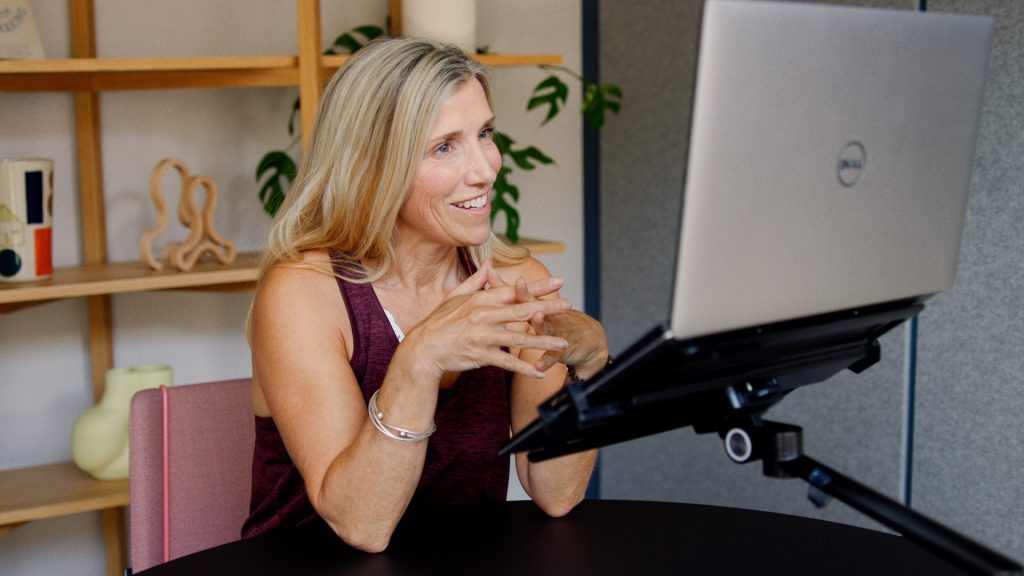
Media Training: Why you need it and might not know it

How to bridge in a interview

Media training is one of the most vital tools in a PR’s wheelhouse. As public relation and reputation experts, we always recommend media training workshops to clients. Whether you’re a business founder, an industry expert, an influencer, an inspiring instructor or a global CEO – navigating the media requires proficiency, authenticity and finesse. All of which – a good PR can teach you.

At the end of the day, reputation can be a funny thing – especially in today’s rapidly evolving media and digital space where public perception and scrutiny is heightened. At Action, we find that the clients who commit to their media training by learning everything from how to have a successful media interview (a topic we’ve discussed in more detail here), to how to use the ABCD method with media engagements (also explored here) – are significantly more empowered and confident with press opportunities in the long term.

But what is media training and why does it matter?

Concise Messaging

The way you convey your thoughts and ideas greatly influences how your message is received. Media training is one of the simplest ways you can learn how to distil your personal passion or complex brand concepts. Helping turn them into concise and impactful statements that your audience (whether that be a journalist, a room full of people or a live broadcast) – just ‘gets’. Through their work, PRs have a great understanding of how journalists and, as a result, their readers – will receive information. It’s through this understanding and experience that PRs can then guide individuals through media training to speak in such a way that will resonate with an audience immediately.

Confidence and Presence

There’s a good reason why so many public speaking workshops and courses are available on the market – because it’s tough! Whether you’re speaking on stage in front of an industry audience, being interviewed live on broadcast news or just speaking to one journalist via a Zoom call – it is always intimidating – even for the most seasoned pros! But that’s where media training provides clients not only with the confidence to conquer this stage fright, but also helps them to remember their reasoning, key messaging, overarching goal and of course – their personal passion. Every one of these are key to giving a journalist and their audience a clear idea of your brand and your presence. In media training, we go through everything from how to spot common jargon phrases (a little sneak peek can be found here), to how to use voice modulation, eye contact and body language to convey calm, concise and clear responses to any question.

Positive Relationships

Good PRs will have done their research on any media engagement and brief a client or interviewee on who they will be interviewed by. Knowing a journalist through and through is part of a PRs remit and within media training, we teach individuals how to speak to that journalist in a way that is both professional but also human. Knowing what their interview style is, what sort of features and articles they write, and what ‘end result’ they are looking for is important. When an interviewee is equipped with all this information, media training comes into its own and individuals can respond in a positive, authentic and human way that doesn’t feel overly rehearsed. Journalists on the flip side – appreciate this level of attention from those they are interviewing and as a result – positive relationships happen on all sides. Which likely will lead to future opportunities…

Social Media and Customer Relations

At Action, we are also adept at adding social and customer relations to our media training guides. We also have experience in teaching social media managers and customer relations officers how to handle everything from everyday communication and marketing to difficult conversations on social platforms. In fact, there’s a blog that covers the latter point here for anyone wanting quick advice! 

The truth is, the online world can also be a minefield, with the potential for miscommunication, backlash, or reputational damage. Our media training encompasses digital literacy, guiding individuals on how to effectively manage online presence, engage with followers, and navigate potential pitfalls. Understanding the nuances of social media helps individuals harness its power as a communication tool while mitigating risks.

Why Media Training Matters

The media landscape is an ever-evolving behemoth and to make a lasting impression as a business, brand or expert – media training is not a luxury but a necessity. Knowing how to effectively communicate with press and their audience, amplify your message and shape public perception is a powerful skillset. At Action, we believe that crafting compelling messaging, building confidence and presence, handling challenging situations and creating positive relationships – are all part and parcel of achieving this.

If you or your business requires media training, we can help! Please get in touch via info@action-group.co.uk and we can discuss how we create personalised media training packages on an ongoing or one-off basis.

How to tell – and ‘sell’ – a TV news piece

TV news coverage is the jewel in the crown of any PR campaign. It’s not always that easy to come by, however, with PR-led stories generally being confined to the 90-120 second ‘and finally’ slot at the end of the main bulletin. While some PRs will manage ‘headline news’ stories, 99% of the time, we’re looking to capture a ‘nice to see’ piece that runs if time allows.

Here at Action Group we have enjoyed our fair share of TV news coverage for clients and have learned a few things along the way about what elevates a story from being newsworthy to TV worthy, how to manage the filming to allow the story to flow naturally, ensuring key messages are included and even, on one occasion, how to film the whole thing yourself if the TV crew gets called somewhere else….

Off the page & onto the screen

Not all PR stories will make for good TV and simply sending a press release to a planning editor won’t get you too far. To make your client’s news strong enough for the screen, you will need:

  • Something exciting, amusing or moving to film
  • Inspirational or emotional spokespeople to interview
  • A strong ‘why now’ reason that makes this news

Having got your story together, you then need to pitch it succinctly to the planning team at your target TV desk. It’s best to call them initially – rather than email – to ascertain who is working on that day’s news pieces and to quickly run the idea past them.  If it’s good enough, you can then email the details knowing they’re looking out for it. (And if it’s not good enough you can go away and think about how you could improve your pitch!)

TIMING TIP don’t phone newsdesks or planning desks near the top of the hour – they’re inevitably trying to get a bulletin out on air and won’t welcome the interruption: even if they pick the phone up at all….

In front of the TV News camera

Having secured the TV crew, make sure you get there way ahead of them to check the site and setting are as you want. Clear rubbish or clutter from the background, check out any great backdrops/spots for filming and make sure your spokespeople are fully prepared for their moment in the spotlight. 

Prepping your subject

Don’t think you need an expert speaker or polished performer as your spokesperson. TV news is about real life and authenticity is key to the reporter and their audience engaging with your story. The reporter will put them at their ease and with your encouragement to ensure they get their point (and your key messages!) across, all will be well.

Ahead of the reporter arriving, run through a few questions: get them to answer out loud, by saying it a few times any difficulties, tongue-twisters or unclear turns of phrase will become apparent.  Don’t ask them to learn something too precisely as this can lead to them to looking like they’re reading off a script. Also, if they rehearse too much and then go ‘wrong’ on camera, it will throw them off course. Better to agree the angle and a few key messages and run through these a few times so it feels and sounds natural. Most PR-led news pieces are pre-recorded and not going out live so remind them they have time to re-record. Knowing that is usually enough to let them relax sufficiently to come across well.

Behind the camera

You should stay behind the camera, from here you can:

  • See what the reporter is filming: the angles, background, anything out of place – from crooked ties to trees growing out of people’s heads to, dare I say it, obscured client branding/logos that you’re rather hoping will be captured on camera!
  • Smile at your client/subject to help them relax. It can help to agree a code so if you smile broadly, it means they need to smile, if you tap your shoulders, it means they need to relax theirs down, if you cross and uncross your arms, it means they need to uncross theirs.

Briefing the reporter

The reporter will have a good idea what they’re coming to film and how they envisage the piece taking shape. When they arrive, remind them of the story, recap who is available to be interviewed and what is available to film. Highlight key points of interest and use this opportunity to remind them of one or two key messages you’d like them to capture.

Don’t try to control the situation: they are the experts and should be given scope to shape the story to suit their audience.

Hours into minutes

It always amazes us how a film crew can typically spend one to two hours setting up and filming to end up with a 90 second news piece. Because of this, it’s key to remind the reporter of the key ‘take home’ angle/message you’d like included.  It’s also worth managing the expectations of your client and/or subjects that despite the length of time spent in the company of the TV crew, just a few elements of the footage will make it onto the TV news.

About the day we filmed our own TV news piece

It was a wonderfully busy open day at the Northolt Leisure Centre for our client Everyone Active. Multi gold-medal winning Paralympic swimmer Alice Tai was the guest of honour and giving some swimming sessions to children.  The ITV London news crew was on its way when a big news story broke and they were diverted.  Hugely apologetic, they suggested we could send some footage in and see if they could use it. They may have just been trying to let us down gently but we rose to the challenge. With the help of our Action Group photographer/videographer we managed to plan, script, film and submit a nicely balanced TV news piece which ran in full on that evening’s news.

Alice Tai – Everyone Active Northolt – TV News Coverage on ITV

At Action we are experts in achieving PR coverage for our clients. If you are interested in increasing your brand awareness, being featured in the gold tier publications and maybe even being featured on TV then get in touch.

Email us: info@action-group.co.uk