Media Training: Why you need it and might not know it

How to bridge in a interview

Media training is one of the most vital tools in a PR’s wheelhouse. As public relation and reputation experts, we always recommend media training workshops to clients. Whether you’re a business founder, an industry expert, an influencer, an inspiring instructor or a global CEO – navigating the media requires proficiency, authenticity and finesse. All of which – a good PR can teach you.

At the end of the day, reputation can be a funny thing – especially in today’s rapidly evolving media and digital space where public perception and scrutiny is heightened. At Action, we find that the clients who commit to their media training by learning everything from how to have a successful media interview (a topic we’ve discussed in more detail here), to how to use the ABCD method with media engagements (also explored here) – are significantly more empowered and confident with press opportunities in the long term.

But what is media training and why does it matter?

Concise Messaging

The way you convey your thoughts and ideas greatly influences how your message is received. Media training is one of the simplest ways you can learn how to distil your personal passion or complex brand concepts. Helping turn them into concise and impactful statements that your audience (whether that be a journalist, a room full of people or a live broadcast) – just ‘gets’. Through their work, PRs have a great understanding of how journalists and, as a result, their readers – will receive information. It’s through this understanding and experience that PRs can then guide individuals through media training to speak in such a way that will resonate with an audience immediately.

Confidence and Presence

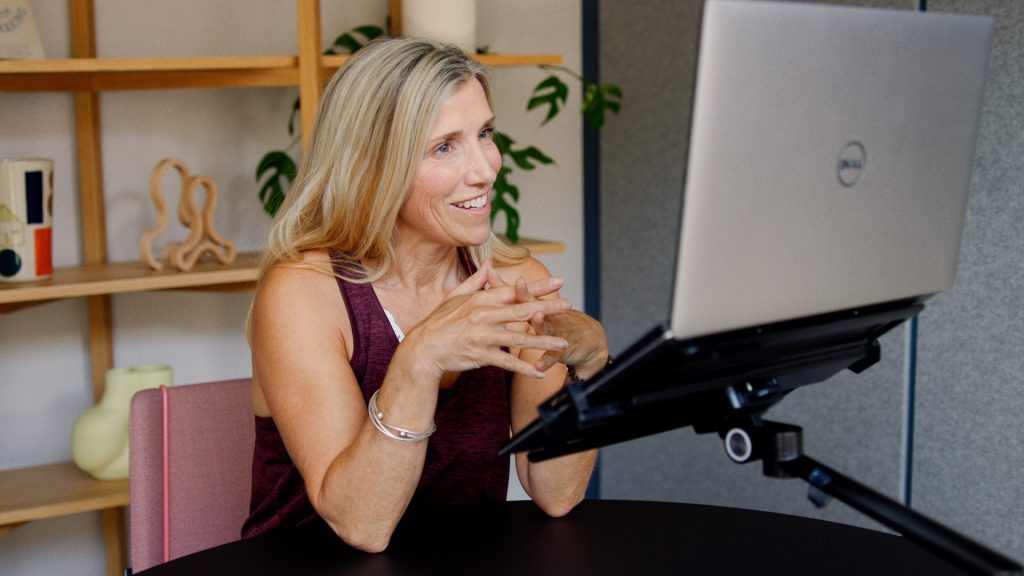
There’s a good reason why so many public speaking workshops and courses are available on the market – because it’s tough! Whether you’re speaking on stage in front of an industry audience, being interviewed live on broadcast news or just speaking to one journalist via a Zoom call – it is always intimidating – even for the most seasoned pros! But that’s where media training provides clients not only with the confidence to conquer this stage fright, but also helps them to remember their reasoning, key messaging, overarching goal and of course – their personal passion. Every one of these are key to giving a journalist and their audience a clear idea of your brand and your presence. In media training, we go through everything from how to spot common jargon phrases (a little sneak peek can be found here), to how to use voice modulation, eye contact and body language to convey calm, concise and clear responses to any question.
Positive Relationships

Good PRs will have done their research on any media engagement and brief a client or interviewee on who they will be interviewed by. Knowing a journalist through and through is part of a PRs remit and within media training, we teach individuals how to speak to that journalist in a way that is both professional but also human. Knowing what their interview style is, what sort of features and articles they write, and what ‘end result’ they are looking for is important. When an interviewee is equipped with all this information, media training comes into its own and individuals can respond in a positive, authentic and human way that doesn’t feel overly rehearsed. Journalists on the flip side – appreciate this level of attention from those they are interviewing and as a result – positive relationships happen on all sides. Which likely will lead to future opportunities…

Social Media and Customer Relations

At Action, we are also adept at adding social and customer relations to our media training guides. We also have experience in teaching social media managers and customer relations officers how to handle everything from everyday communication and marketing to difficult conversations on social platforms. In fact, there’s a blog that covers the latter point here for anyone wanting quick advice! 
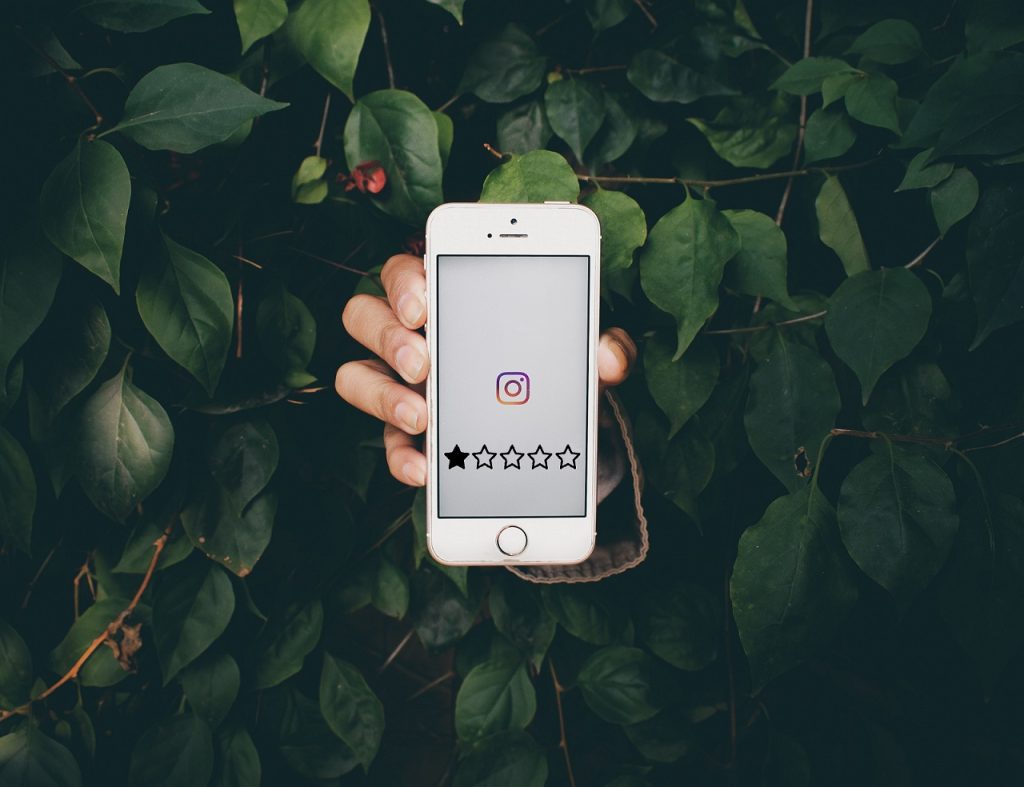
The truth is, the online world can also be a minefield, with the potential for miscommunication, backlash, or reputational damage. Our media training encompasses digital literacy, guiding individuals on how to effectively manage online presence, engage with followers, and navigate potential pitfalls. Understanding the nuances of social media helps individuals harness its power as a communication tool while mitigating risks.

Why Media Training Matters

The media landscape is an ever-evolving behemoth and to make a lasting impression as a business, brand or expert – media training is not a luxury but a necessity. Knowing how to effectively communicate with press and their audience, amplify your message and shape public perception is a powerful skillset. At Action, we believe that crafting compelling messaging, building confidence and presence, handling challenging situations and creating positive relationships – are all part and parcel of achieving this.

If you or your business requires media training, we can help! Please get in touch via info@action-group.co.uk and we can discuss how we create personalised media training packages on an ongoing or one-off basis.

Podcast interview tips – Having a successful experience

So you’ve sent out an incredible pitch to a podcast host you follow and you’ve finally heard back. Good news, you’re in! The host has asked you to submit your bio, headshot and key talking points for marketing purposes, which of course you sent immediately (big tip, do these things as quickly as possible!). The host has also provided you with a link to their online calendar to schedule the recording. You responded quickly to that too.

So far so good, now the only thing left to do is the interview itself. Not always so easy…

This is your opportunity to position yourself, or your client, as an expert in your field. It’s important to note that the mere act of being on a podcast isn’t enough to give your reputation that boost. It takes more than simply being featured on a show. It’s an art-form to giving a successful interview that needs crafting. A podcast is subtly different to an interview though, the podcast opens up opportunities to talk about other topics, and your opinion on the current state of affairs, or speculate about the future.

At Action Group we have placed many clients on some of the fitness industry’s leading podcasts and here are some podcast interview tips we’ve learnt along the way.

Build a connection with the host

Most podcasters will schedule a preliminary meeting in order to gauge synergy and to discuss your topic in a little more detail. In some cases this might be just a few minutes before going live to conduct a pre-interview warmup chat. Use this opportunity to build a personal connection with the host.

If you’re unsure why this is something as a guest you need to think about — trust us, it’s important. This is as much of an opportunity for you as it is for the host to suss things out and determine how the conversation is going to go. It will determine whether the conversation successfully takes off and you have an amazing episode together or whether it crashes and burns before you’ve properly started.

So it’s important to take a proactive approach to connecting with the host and establish good rapport. Do your research into the host, make sure you’ve listened to their podcast. What’s their interview style? Do you have common interests? Look for anything that will help to develop quick rapport for an enjoyable conversation.

This will help ensure an engaging conversation that will keep the listeners’ attention. In addition to being featured, a good host will help you promote the episode, could make introductions to other podcasters who might be interested in having you as a guest, and might even send client referrals your way. If you want a shot at collecting these added spoils, then developing a positive relationship with the host and production staff is a must.

Be prepared

It may seem obvious, but make sure you’re fully prepared. Review your subject matter and talking points. Make sure you’ve fully understood who the audience of the podcast is and what you can bring to the table that will be of interest. If you get asked a question that you don’t know the answer to, then it is okay to say that you don’t know.

When it comes to the recording itself, make sure the environment is quiet. Some podcasters record both audio and video formats to leverage multiple platforms. So if you’re doing video, check your lighting, and try and be in a nice quiet room.

Most podcasters will even provide the questions ahead of time. All you have to do is ask the host or producer. Asking for the questions a few days before the show will speak volumes about you as a professional. It shows that you are taking the interview seriously because you’re willing to put in the extra effort by making necessary preparations. It also shows that you value the podcaster’s time which will be appreciated.

Keep it casual and have fun

This is one of the most important podcast interview tips. Remember, you’re the expert speaking on a topic that you know. This isn’t your GCSE history presentation where you were told to research some random historical event from 100 years ago and then speak in front of the class who couldn’t care less about the topic. This is your business. You’re more than proficient in the material and you’ll be speaking to people who are interested in the knowledge you have to share. Take a deep breath, smile, and talk about your area of expertise and the business that you love so much.

Follow these key points to give a successful interview. In time, you’ll develop your own personal style and flow. There’s no need to over-complicate a simple conversation. The podcast host wants to highlight you and provide a platform to share your expertise for the benefit of the listeners. Take initiative to create the best possible outcome. It’s a team effort so work with the podcast host and don’t be afraid to ask for any tips he/she might wish to offer. Show up prepared and ready to go. This will help ease any tensions or feelings of anxiety because you have a plan in place. Speak naturally and allow the conversation to flow with ease. The more you do, the better you’ll become so take advantage of every opportunity to share your expertise.

If you enjoyed our podcast interview tips and need to brush up on your interviewing skills, or are interested in getting your experts on a podcast, we can help. Get in touch at info@action-group.co.uk

How to have a successful media interview

A successful media interview is a great opportunity to tell your story, share your messages and raise your profile. Over the last year, the emphasis has shifted from face-to-face interviews to ‘down-the-line’ phone conversations and video calls.

Some may say that phone or Zoom media interviews are more relaxed than face-to-face or broadcast encounters.  And there’s some truth in that.  But the rules of engagement remain the same and if you want to nail your messages, keep on topic and secure your voice in the edited piece, you must plan, prepare and rehearse your approach as if you were going on camera.

Action excels at securing successful media interview opportunities for our clients and know how to pitch a story (some of our insight on this can be found here.)

However, to organise a successful media interview, we as PRs need to take a step back to let our clients shine. Where face-to-face interviews often enable a PR to shadow a client, down-the-line interviews are less easy for us to support in person.

Which is when a few ‘tricks of the trade’ come into play. Here are some of our top tips in having a successful media interview:

Be Prepared

Prepare notes in advance and have these to hand to remind you of the key messages and points you want to make. This should be a bullet point list – not chapter and verse.  You don’t want to be reading off a script – especially if you’re on a video call – as this won’t sound natural.  Plan well so that seeing the bullet point will be enough to trigger your answer. 

It’s a good idea to have all relevant research/reports/statistics to hand as well.  You CAN be seen to read these details off the page/screen to ensure accuracy. TV newsreaders do it to get their facts absolutely straight – so you can too!

Get your point across

Keep your key points short and simple as these are easier for a journalist to understand and use in their final piece.  A convoluted or rambling answer will be confusing which means either a) they’ll ditch it or b) they’ll edit it, running a high risk of it not being accurate or clear.

Plan your key messages/statements ahead of the interview and practice introducing these to the conversation. This will be especially helpful if the interview isn’t giving you a natural opportunity to state your case. Using a bridging tactic will help you make your point nicely.

Don’t blink first

Silence is golden – but it can also be scary. Hold your nerve and beware that interviewers may stay silent to encourage you to keep talking. This is exactly when you can go off topic and stray into unrehearsed territory.  When you’ve said your point and answered their question stop talking. Let the journalist break the silence!

If the conversation goes a bit sideways and off topic, be brave and take back control of the interview, again using one of the bridging techniques to steer things back to what you want to talk about and, ideally, introducing one of your key messages.

Be quotable

Your best chance of being quoted is to be quotable. In other words, look for ways to phrase things in an impactful, engaging or thought-provoking way.  Think in ‘bite sized’ comments. Prepare these in advance and include them in your notes: unless you’re a highly competent stand-up comedian, don’t trust the best ‘one liners’ to spring to mind on the spur of the moment!

 ‘Quotable quotes’ are short, pithy, focused and relatable.  They don’t include acronyms, industry jargon, technical explanations or research-based facts.

The best ones can even form the headline – thus shaping the piece – so it’s worth planning a few.

What are you like?

Rehearse a few predictable answers out loud: record these on your phone and play yourself back. (Painful to hear, we know!) Be critical – do you speak too fast? Are your words clear? Do you ‘um’ and ‘er’ a lot? Be honest with yourself and try to improve your delivery: most issues can be solved by simply slowing down as you talk and taking time to think before you speak.

Look relaxed – but stay ALERT

Journalists are past masters at making you feel relaxed. It’s in their best interests to put you at ease so that you’ll chatter away… BEWARE! If you get too comfortable, you’ll lose focus, lose your edge and maybe even lose the plot (aka your plan). Keep professional and stay alert. Sitting up straight – or standing up if possible – will help keep you on track.

Meanwhile, remember to smile as you speak to keep you sounding friendly and confident. (Drawing a little smiley face on your notes is a good way to remind yourself to do this ?)

If you need to brush up your interviewing skills, we can help: get in touch info@action-group.co.uk