How to tell – and ‘sell’ – a TV news piece

TV news coverage is the jewel in the crown of any PR campaign. It’s not always that easy to come by, however, with PR-led stories generally being confined to the 90-120 second ‘and finally’ slot at the end of the main bulletin. While some PRs will manage ‘headline news’ stories, 99% of the time, we’re looking to capture a ‘nice to see’ piece that runs if time allows.

Here at Action Group we have enjoyed our fair share of TV news coverage for clients and have learned a few things along the way about what elevates a story from being newsworthy to TV worthy, how to manage the filming to allow the story to flow naturally, ensuring key messages are included and even, on one occasion, how to film the whole thing yourself if the TV crew gets called somewhere else….

Off the page & onto the screen

Not all PR stories will make for good TV and simply sending a press release to a planning editor won’t get you too far. To make your client’s news strong enough for the screen, you will need:

  • Something exciting, amusing or moving to film
  • Inspirational or emotional spokespeople to interview
  • A strong ‘why now’ reason that makes this news

Having got your story together, you then need to pitch it succinctly to the planning team at your target TV desk. It’s best to call them initially – rather than email – to ascertain who is working on that day’s news pieces and to quickly run the idea past them.  If it’s good enough, you can then email the details knowing they’re looking out for it. (And if it’s not good enough you can go away and think about how you could improve your pitch!)

TIMING TIP don’t phone newsdesks or planning desks near the top of the hour – they’re inevitably trying to get a bulletin out on air and won’t welcome the interruption: even if they pick the phone up at all….

In front of the TV News camera

Having secured the TV crew, make sure you get there way ahead of them to check the site and setting are as you want. Clear rubbish or clutter from the background, check out any great backdrops/spots for filming and make sure your spokespeople are fully prepared for their moment in the spotlight. 

Prepping your subject

Don’t think you need an expert speaker or polished performer as your spokesperson. TV news is about real life and authenticity is key to the reporter and their audience engaging with your story. The reporter will put them at their ease and with your encouragement to ensure they get their point (and your key messages!) across, all will be well.

Ahead of the reporter arriving, run through a few questions: get them to answer out loud, by saying it a few times any difficulties, tongue-twisters or unclear turns of phrase will become apparent.  Don’t ask them to learn something too precisely as this can lead to them to looking like they’re reading off a script. Also, if they rehearse too much and then go ‘wrong’ on camera, it will throw them off course. Better to agree the angle and a few key messages and run through these a few times so it feels and sounds natural. Most PR-led news pieces are pre-recorded and not going out live so remind them they have time to re-record. Knowing that is usually enough to let them relax sufficiently to come across well.

Behind the camera

You should stay behind the camera, from here you can:

  • See what the reporter is filming: the angles, background, anything out of place – from crooked ties to trees growing out of people’s heads to, dare I say it, obscured client branding/logos that you’re rather hoping will be captured on camera!
  • Smile at your client/subject to help them relax. It can help to agree a code so if you smile broadly, it means they need to smile, if you tap your shoulders, it means they need to relax theirs down, if you cross and uncross your arms, it means they need to uncross theirs.

Briefing the reporter

The reporter will have a good idea what they’re coming to film and how they envisage the piece taking shape. When they arrive, remind them of the story, recap who is available to be interviewed and what is available to film. Highlight key points of interest and use this opportunity to remind them of one or two key messages you’d like them to capture.

Don’t try to control the situation: they are the experts and should be given scope to shape the story to suit their audience.

Hours into minutes

It always amazes us how a film crew can typically spend one to two hours setting up and filming to end up with a 90 second news piece. Because of this, it’s key to remind the reporter of the key ‘take home’ angle/message you’d like included.  It’s also worth managing the expectations of your client and/or subjects that despite the length of time spent in the company of the TV crew, just a few elements of the footage will make it onto the TV news.

About the day we filmed our own TV news piece

It was a wonderfully busy open day at the Northolt Leisure Centre for our client Everyone Active. Multi gold-medal winning Paralympic swimmer Alice Tai was the guest of honour and giving some swimming sessions to children.  The ITV London news crew was on its way when a big news story broke and they were diverted.  Hugely apologetic, they suggested we could send some footage in and see if they could use it. They may have just been trying to let us down gently but we rose to the challenge. With the help of our Action Group photographer/videographer we managed to plan, script, film and submit a nicely balanced TV news piece which ran in full on that evening’s news.

Alice Tai – Everyone Active Northolt – TV News Coverage on ITV

At Action we are experts in achieving PR coverage for our clients. If you are interested in increasing your brand awareness, being featured in the gold tier publications and maybe even being featured on TV then get in touch.

Email us: info@action-group.co.uk

Landing a TV Opportunity for Neurokinex

Neurokinex kids

Securing a TV crew to attend your client’s event is a time to celebrate.  But when you score TWO TV crews to attend the same event, it’s time to juggle…. That is what happened when BBC South East Today and ITV Meridian both accepted our newscall for the opening of the Neurokinex Kids spinal cord rehabilitation centre in Crawley.

There’s always a sense of excitement when film crews are on the scene. Careful planning and skill go into getting them there in the first place. Then the hard work starts as they will look to you to help them shape a great story. If more than one news crew arrives you really have your work cut out to ensure each one gets a different story with exclusive elements so both go away happy they have something that the other one doesn’t. 

Here’s what we’ve learned along the way.

Getting them there

Firstly, you need to be sure your story is TV-worthy not just newsworthy by offering;

  • Interesting/exciting action to film – it’s all about the pictures
  • Inspirational/motivational/engaging spokespeople
  • Unique news element – world first or extraordinary success

For the Neurokinex Kids opening event, we had the whole set of: a brand new, world-first facility; a passionate, articulate and high profile spokesperson in Matthew Reeve (son of Superman actor Christopher Reeve whose spinal cord rehabilitation legacy includes Neurokinex Kids) and Jasper, a charming and cheeky five-year-old client of Neurokinex. 

Just one of those elements would have got us onto the planning diary. With all three, we couldn’t fail. But we still had to shape the story and ‘sell’ it to be chosen over other news stories breaking that day so we:

  • Created and outlined the ‘TV-shaped’ filming and footage they could have
  • Explained the range of people they could interview and film alongside Matthew Reeve and Jasper including Jasper’s mum; Harvey Sihota, the founder of Neurokinex Kids; parents of other children at the facility and expert trainers who work with the children
    • Remember: TV crews don’t film or use everyone they speak to: the experts behind the scenes give them vital insight for their introductions, voice-overs and on-screen graphics explaining key concepts
  • Assured them of dedicated filming time slots (we got the crews in BEFORE the public arrived to give them a clear run at their filming and recording)
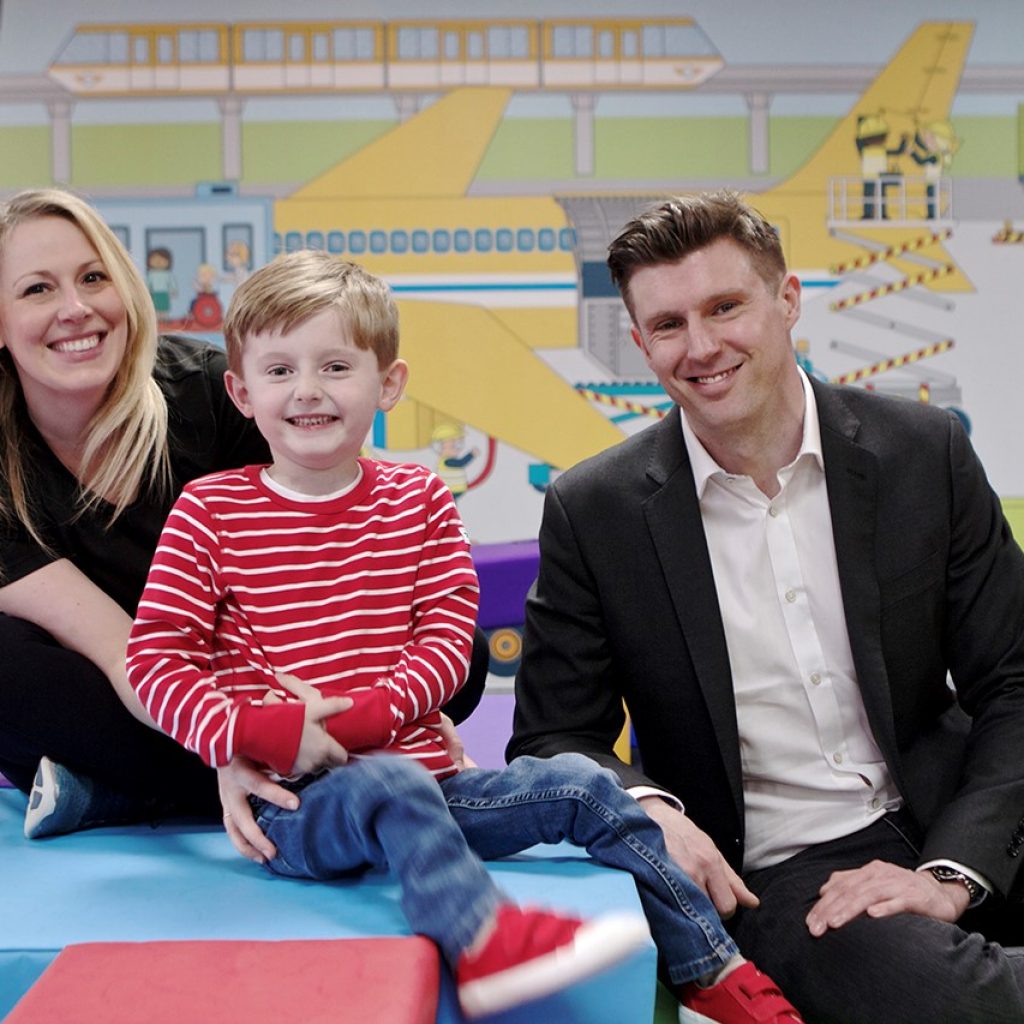
Jenny Suggitt, Neurokinex Clinical Lead, Jasper and Matthew Reeve at the launch of Neurokinex Kids

When they arrive

  • Brief them carefully, explain all the action available to film, introduce your spokespeople and highlight key points of interest to help them shape the story
  • Ask what they want: remember they are not reporting YOUR story: they’re creating THEIR story
    • If you have more than one crew in attendance, guarantee them opportunities to get unique angles and footage full of colour, variety and character
    • Ideally, have one colleague assigned to each crew to really focus on their needs: compare notes to ensure both crews have bespoke elements
  • Keep BEHIND the camera
    • Without getting in their way, try to see what the cameraman is seeing – including anything you need to address such as toilet doors and rubbish bins in shot, anyone whose permission you don’t have to be filmed including anyone reflected in a mirror or glass, discarded camera bags and crisp packets…. the list goes on so stay alert!
    • Don’t be afraid to highlight particularly exciting elements/equipment/features to the crew who may not immediately recognise these
    • Keep close to them and be sure to keep tabs on the cameramen – particularly when they wander off to do ‘placement shots’!!

And finally….

  • Be prepared with all the facts and figures: these details will help shape their script, form the basis of on-screen graphics and even the introduction for the studio newsreader.
  • Most news pieces are pre-recorded so you can positively influence the outcome and even suggest re-recording sections
    • Don’t be afraid to correct their facts/figures or suggest additional details.
    • Of course, if they’re broadcasting live you’ll need to stay quiet!
  • Manage your client’s expectations: TV crews can film for hours and still only get a 90 second to three-minute piece out.  Make sure the reporter knows which ONE thing you really want included: they can usually accommodate this.

If you have a news story for TV and would like our advice how to land it, contact us.

Great news! How to Bring In the Best Broadcast Coverage

broadcast PR

Great news! The TV news crew has accepted your pitch to cover your client’s story! Now the hard work starts…. The effort you put in on the day to the detail, briefing, planning and managing their time with you is crucial to achieving a piece of coverage that ticks all your client’s boxes but also fulfils the reporter’s underpinning objective to create an engaging and interesting news piece.

There can be a disconnect between PRs and reporters if the TV news medium isn’t fully understood.  TV coverage is not the equivalent of a moving print article. Neither is it about getting your client’s logo written large on the screen or seeing the CEO’s best profile on camera. As a living, breathing medium, it exists in context of the wider news bulletin. Branding and time with spokespeople may be more subtle than other coverage, but remember its true value lies in the sheer impact of your story being aired on primetime news.

Here are a few ways you can influence the very best outcome.

Arrive Early

Arrive at least an hour before the reporter is due.  Use this time to walk the length and breadth of the site – from the approach to reception, all common areas, corridors and outside.  Tidy any rubbish and remove anything unsightly. The reporter will be influenced by their first impressions and are likely to rove around for ‘placement’ and ‘cut away’ shots to fill their piece.  Make sure anything they choose to film is something you’ll be proud of.

Brief your spokespeople

Remind your spokespeople of their key messages.  Ask them a few questions to get them into the right mindset to answer coherently.  If they stumble or mumble, think about another way they could answer the question/communicate their message. Ensure you chat to ALL spokespeople – not just your client. If you have a first-person case study, ensure they are equally happy, clear on messages and what will happen.  Try a few key questions with them.

Brief the reporter

Remind them of the key story and the spokespeople you have available and make introductions. Take them on a quick tour of the site so they can see their filming opportunities.  Clarify the order they want to film and interview people and anything else they want to capture.  Establish their timings and deadlines.

broadcast PR

Be flexible – trust their eye

You and your client will have a clear view of what you’d like covered but trust the reporter to suggest additional/alternative ideas.  They are the experts: given the flexibility to shoot from a different angle, speak to an additional person or mix things up often works really well.

Stay alert!

Don’t take your eye off the reporter for one minute.  Stay alert to the interviews and the questions they ask.  Most PR news pieces will be pre-recorded so there is always a chance to stop, go back, try the answer again or say on camera what can’t be used.  Tick off the key messages as they’re said and if any aren’t covered, ask the reporter to ask the question to illicit the answer.

Keep behind the camera for three reasons:

  • You can see what they can see – the angle of the shots, what’s in the background/foreground and any details such as crooked ties, tufts of hair out of place, odd angles (eg lampposts or pot plants ‘growing’ out of people’s heads)
  • You can smile at and encourage your spokespeople. Some people ‘freeze’ in front of the camera: smiling, nodding, interacting with them will help them relax. If you have any really nervous people, agree in advance one or two signals – eg smiling broadly if they’ve stopped smiling, tapping your shoulders if theirs have risen up their ears.
  • The camera won’t stop rolling once the main interviews are done. Your reporter knows that ‘off camera’ or ‘outtake’ moments can be the most relaxed and usable.  Be very aware they may keep filming and recording: ensure your spokespeople know this too. Stay behind the camera, on the reporter’s shoulder until you know for sure they have stopped filming.

That’s a wrap!

Want to see your brand on TV? Get in touch! We can help.