Is the Calendar Hook for PR dead?

As the start of the year is here, agency teams everywhere will be hard at work planning for the year, trying to map out key campaign moments. During these planning periods, one of the questions clients often ask is, “shouldn’t we do something for ‘insert calendar moment here’?”

Calendar hooks include well-known dates in the calendar, such as Valentine’s day, or the first day of summer, but there are also days created specifically for marketing purposes, such as Blue Monday. They have long been a staple of PR teams, giving us a moment to hook an activity to and make it newsworthy for press. But is it time to put your typical date-based approach to bed?

Burn Off Your Bills – Campaign by Action Group for Fitness First

Key points in the calendar can give PR teams an answer to the question of ‘why now?’, providing a universally understood moment that can make a campaign activation relevant. If done correctly it can lead to some incredible coverage and social chatter, everything PR dreams are made of.

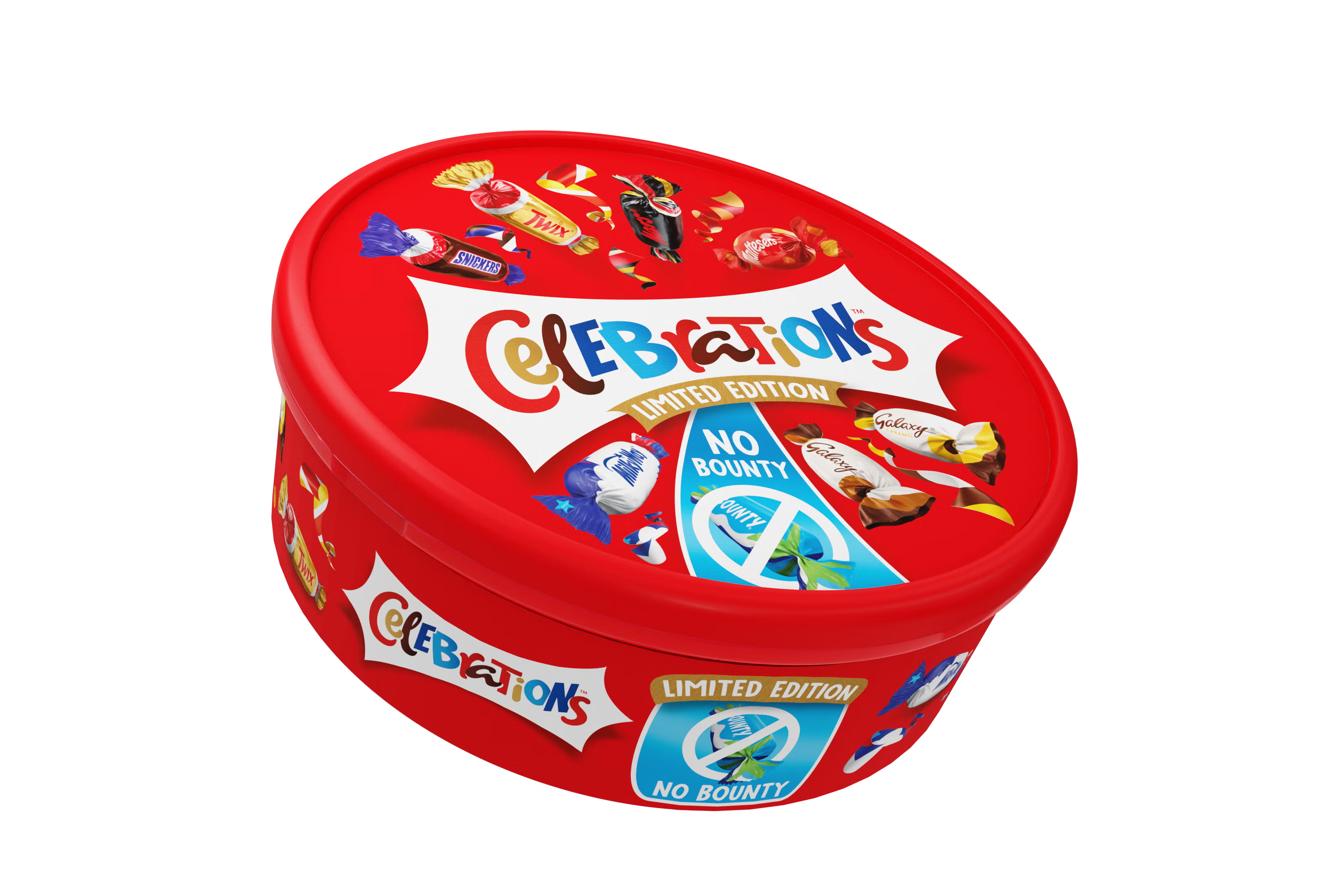
A good PR calendar hook would include an activation that will naturally feel authentic to the brand, driven by insights, and be creative enough to capture attention in a busy media landscape. A perfect example would be Mars announcing it would be trialling ‘Bounty-free’ Celebrations tubs just before Christmas – a simple and fun activation at a time already associated with the Celebrations brand, and consequently set up their #BringBackBounty campaign. This proved hugely successful across the media landscape, spreading across print and online publications. and widely on social media.
Credit: Mars

However, major moments in the calendar are becoming increasingly crowded with brands looking to get their piece of the pie. This means it’s becoming more and more difficult to gain cut through with media and ensure your brand stands out.

Part of the reason for this is brands feeling they have to do something to mark a calendar moment, believing that if a journalist is going to be writing about Valentine’s Day anyway, then why shouldn’t their brand be part of it?

On top of the overcrowding, some of the days created for marketing purposes have long lost their resonance with consumers and are now largely seen as nakedly self-serving or pointless; there’s even an ‘International Awareness Day’ awareness day…

The reality is you don’t have to be involved with every calendar moment. Yes, PR calendar hooks definitely still have their place in a comms plan, but it’s vital to ensure your activations make sense for the brand and are bold enough to stand out from the crowd. Trotting out a half-hearted creative activation on Valentine’s day is likely to see it lost in amongst a crowd of brands and see minimal return on investment.

If you’re interested in hearing how Action Group can help you with your PR strategy then get in touch at: info@action-group.co.uk

Using the pandemic-induced new priorities to create meaningful campaigns

Neurokinex kids

Being creative during a pandemic has been especially tough – when there has been very little in the way of inspiration due to us all being in captivity on and off over the past year. For those whose creative processes have typically involved collaboration, it’s been a very rough ride!

Not being able to attend galleries, theatre shows, gigs, festivals, see new films, meet new people, experience new sights, sounds, tastes meant that creative brains screeched to a halt. Where once you could get new ideas simply from boisterous chats with friends over drinks, we were left to brainstorm by ourselves in our homes with very little imaginative alchemy. Without any stimulus or even much new ‘news’ the creative well ran dry for many agencies and we had to look inside ourselves for ideas, rather than the world around us. When you have clients that need to connect creatively and authentically with both the media and their customers – we had to really look at how the cultural barometer had shifted, and incorporate the new redefined values into our work, and create meaningful campaigns.

Now that arts, culture, entertainment and socializing are back on the table, it has eased the creative blockages, but we have found that implementing a new set of creative systems and processes manifested during Covid is still relevant. It is a time of such huge cultural and behavioral change, it’s worth redefining what useful stimulus looks like:

Create memorable experiences  

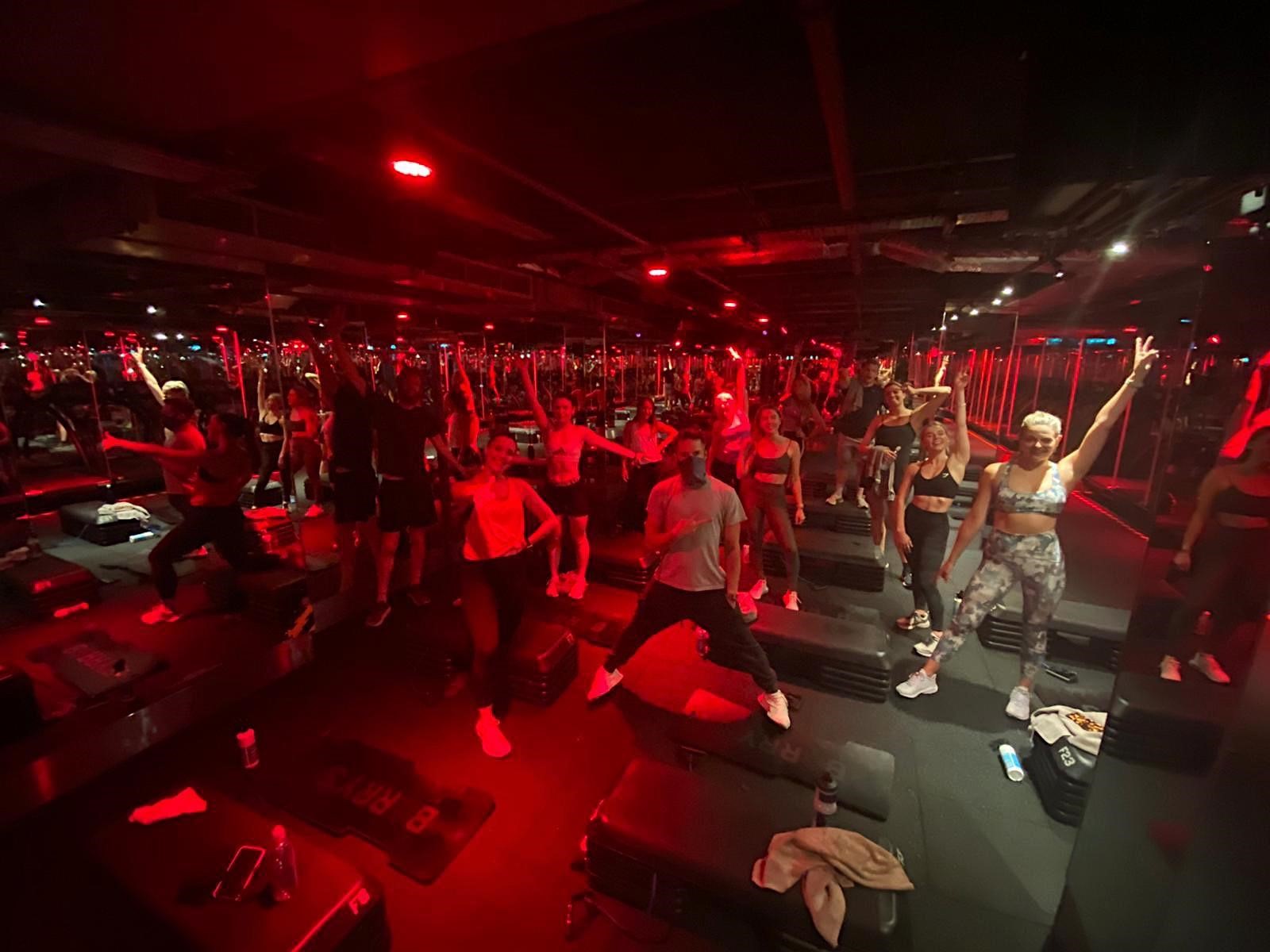
Events are back! And an essential way for consumers and media to experience brands. Now people want to connect more deeply with brands that are prioritizing philanthropy, social cause, health and wellness and self-care, the nature of creating the genesis and flow of an event has shifted. People want to experience more health-centric events and they expect their workplace benefits to reflect these new priorities. We concepted an event that combined these priorities recently for our workplace wellness platform client, Gympass. A compelling activation that combined the best of London’s wellness and fitness brands with an opportunity to explore our city again.  The Wellness Tour was our first real event back after lockdown and was a resounding and welcome success that showcased just how important mental and physical health has become.

Meaningful campaigns = Do more good

We want to see this world change for the better – people want to see good and feel good. We became more attuned to injustices for vital services during the pandemic, and it really hit the vulnerable the hardest. Charities and foundations found donations vastly decreased, with many facing bankruptcy. It was causing a very real problem – and we wanted to do something about it.  On behalf of an important spinal cord rehabilitation client – Neurokinex – we launched an emergency charity appeal to help save this life saving charity in the midst of the pandemic. We created its logo and visual identity and launched the ‘Step Up Appeal’ that raised media profiles and donations to support six clients who had benefitted from the facility who were completing physical challenges to raise money for the charity.  Our role was to use craft their stories and challenges into media-worthy case studies. This resulted in 16 pieces of local coverage, two national articles appearing in The Sun and on ITV’s website, three TV news features across BBC Meridian, BBC Points West and ITV West Country and five local BBC radio interviews. We were able to reach an audience of over 1.5 million people.

We have used the shifting priorities of our collective consciousness during this pandemic as THE creative stimulus to connect authentically and deeply with our clients customers and the media, ultimately creating meaningful campaigns.

If you have a new brand or want to inject life into an existing one, get in touch with us at: info@action-group.co.uk

The importance of landing the Press Association

The Press Association is perhaps best known for breaking news and writing the pieces behind the day’s headlines.  Established for over 150 years, it is the UK’s leading provider of multimedia content and services. And when it comes to helping PRs place case studies, experts and feature stories, it’s in a class of its own.

One well-placed Press Association news piece can land in a number of national newspapers alongside 100s of regional news titles – which explains why every self-respecting PR seeks to form a good relationship with the PA.

100s of stories from one

Here at Action Group we have enjoyed success with the Press Association taking bespoke features, exclusive case studies and client expert comment in broader news pieces.  Our clients have enjoyed extensive coverage from syndicated stories that typically can reach several national print publications, online news pages and between 100-200 regional news. Not to mention, putting our clients on the radar of every newsdesk that subscribes to receive Press Association news. 

A glut of coverage is always welcome of course: but that is not why we hold the Press Association in such high regard.  Its news, features and video teams are highly professional and personable. They can be highly demanding too but that’s because they’re doing their job well.  We have learned to go with this as, often, they will take a strong story and make it even stronger by questioning us further and pushing us more.

Exception that proves the rule

Exclusivity in PR can be a limiting factor. But the Press Association is the exception that proves the rule.  Working on an exclusive basis reassures both parties that the story has true value. And it takes away the worry of ‘will it be used?’. We know it will.

Working exclusively can also help us manage stories which is welcome in the case of more sensitive or extraordinary pieces. By carefully briefing one excellent PA journalist, we can enable our client or case study to get their story out as they would like it told.

When our client Neurokinex opened its NK Kids facility back in 2018 we entrusted the Press Association to break the story. We primed them in advance of the event and did much of the story gathering under embargo ahead of the opening.  On the day itself, our photographer took shots exclusively for their use and we secured down-the-line interviews from our guest speaker, Matthew Reeve (son of Superman actor Christopher Reeve) and parents of children who rely on the Neurokinex’s unique rehabilitation services. Other media heard about the event, but we held our nerve and turned them down, preferring to wait for the Press Association to break the news.  The piece was perfect and we gained four national newspaper and online pieces – including The Mirror, I newspaper, Metro and this one in the Daily Mail online Superman actor Christopher Reeve’s son to open spinal… | Daily Mail Online . We also had 203 regional press stories. Given that we had both the BBC and ITV news crews at the opening and 50 guests and visitors, we couldn’t have hoped to manage a press corps as well. Our faith in the PA process that day was richly rewarded.

Neurokinex kids
Jasper high fives Matthew Reeve at the Neurokinex Kids

Jumping for joy

In May 2020 as the first lockdown was really taking hold, we had a lovely news piece for Fit For Sport about its Easter Weekend Family Activity Challenge. They wanted families across the UK to take part in the jump/run/catch challenge and knew the PA could best help us reach far and wide.  Knowing we had to give them a strong peg and an exclusive angle, we worked with the wonderfully engaging Jo Pavey MBE, Britain’s much-loved long-distance runner and a World, European and Commonwealth medallist, who recorded footage and took photos of her family doing the Challenge.  She gave the Press Association an interview by phone and the resulting piece was delightful, crediting our client just as we asked.  The story ran in over 100 regional titles like this one here, and it was included in a broader piece in the Telegraph online here.

And it’s not just the bigger pieces that can land well with the Press Association.  Responding to its regular requests for expert comment in topical news pieces also resonates well.  We are careful to answer their brief exactly, give them genuine insight and never try to shoehorn our own ‘take’ on the topic. We also always accept – and meet – their (sometimes very tight) deadline!

Press Association – The Perfect PR Partner

The Press Association is the perfect PR partner when it comes to shaping and placing client news and features while maintaining consistency and integrity. Provided you have a strong story, a newsworthy angle and a compelling spokesperson, you have a good chance of being picked up by one of its expert writers. It’s not easy but persevere because when your pitch lands with the PA, the results make all the effort worthwhile.

If you have a story deserving of the Press Association’s attention and need advice how to reach them, contact us here.