Why PR Matters More Than Ever

The rules of visibility have changed

For years, many brands have relied primarily on owned content to drive awareness, search performance and credibility. But in a world increasingly shaped by AI-driven search, that is no longer enough.

Today, platforms are not simply indexing websites. They are interpreting, summarising and recommending answers, drawing on signals from across the web – including media coverage, expert commentary, reviews and industry conversations.

That means visibility is no longer shaped solely by what brands publish about themselves, but also by what others say about them.

This is where strategic PR has become critical.

PR is no longer just about profile building. It helps shape how brands are understood, discovered and trusted across both search and AI-driven experiences, strengthening the signals that influence visibility.

In short, PR is becoming part of growth infrastructure. Strong third-party validation does more than build reputation – it strengthens visibility, reinforces credibility and increases the likelihood that brands show up where decisions are being made.

Trade coverage: what it is and why it matters

PR coverage matters more than ever. Particularly so for B2B and B2B2C brands, trade media exposure can position you in front of the audiences that matter most: decision-makers, peers and buyers, reinforcing expertise where credibility counts.

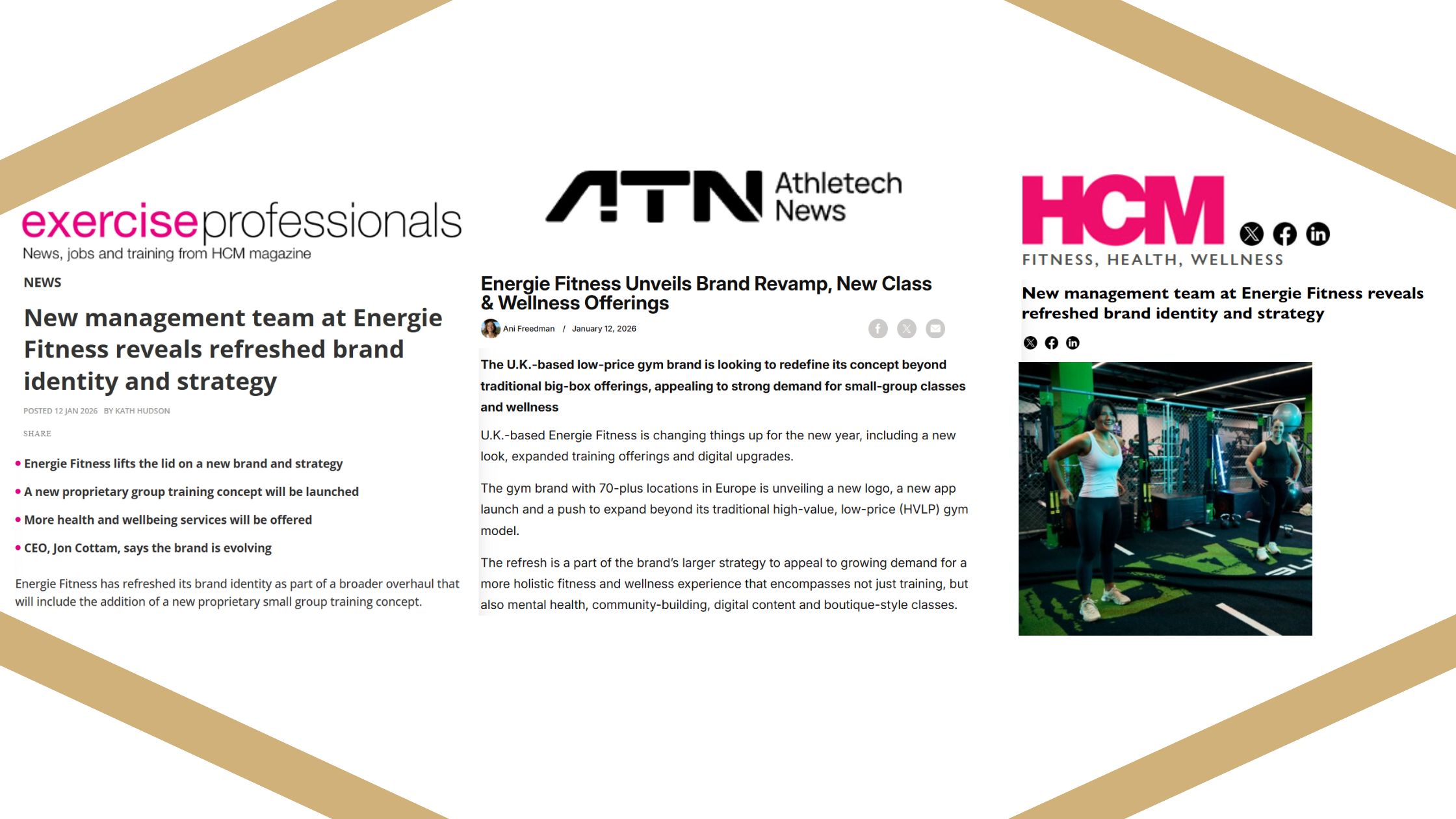
We helped Energie Fitness rebrand, for which we executed a proactive media engagement plan, targeting industry-specific trade publications. Within days of launching our outreach, we secured seven pieces of editorial coverage across key titles including: World Leisure Jobs, Health Club Management, Leisure Opportunities, Exercise Professionals, Exercise Professionals newsletter, and Athletech News.
Expert commentary gives brands a voice in the conversations shaping their sector

Expert commentary helps positions your brand as a thought leader, it builds trust and authority, aligns your brand with relevant conversations, and increases chances of repeat media opportunities.

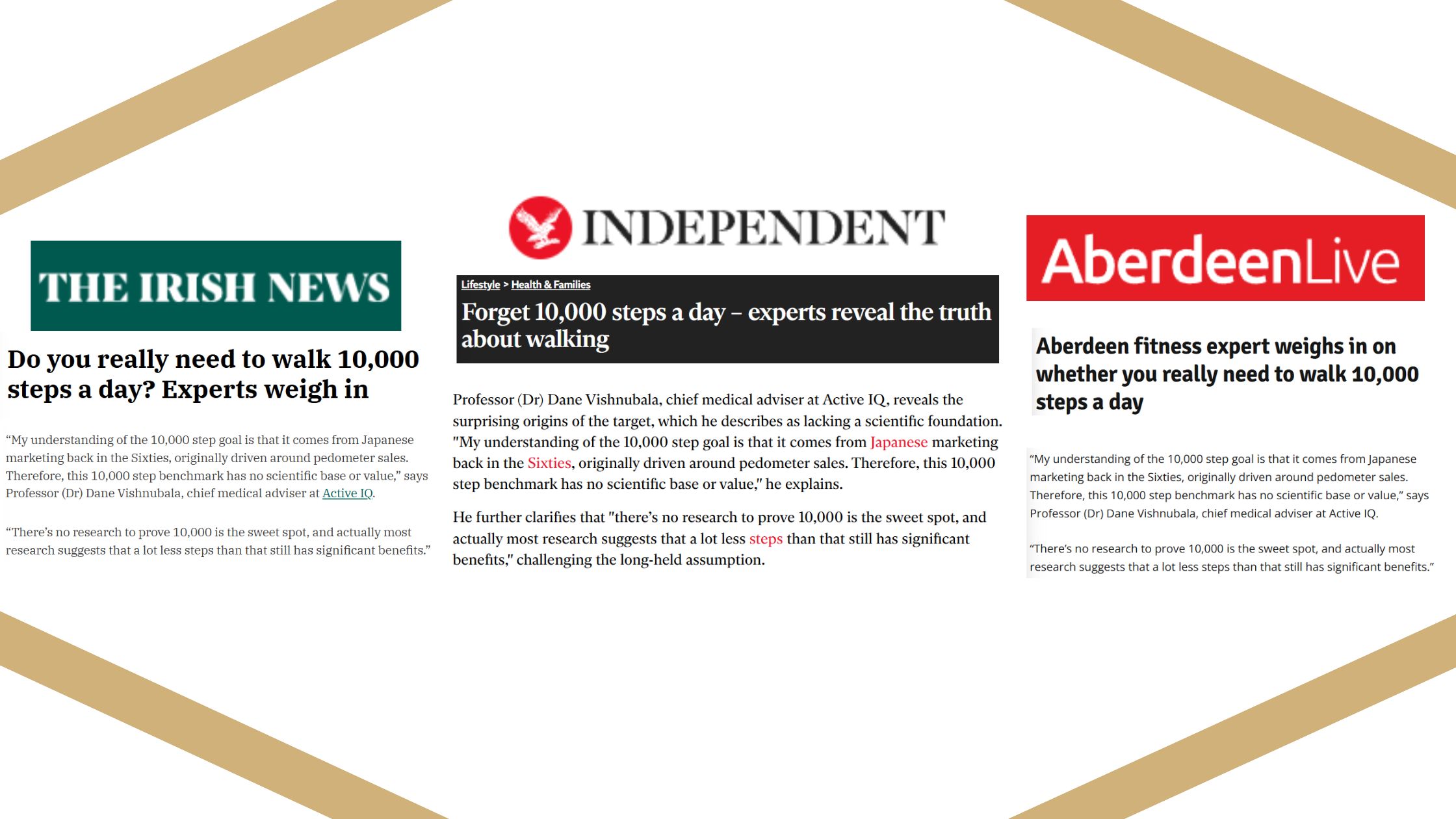
We utilised one of our leading experts from Active IQ, Chief Medical Officer, Dane Vishnubala focusing on the value of walking 10,000 steps, which featured in: The Independent, The Irish News, MSN, Yahoo! News, Inkl, Breaking News.IE, AberdeenLive, and more. Expert comment PR coverage matters more than ever, to have your experts cited where consumers are searching for answers.
Case study-led campaigns turn results into proof points

Showcasing real world work and impact through detailed project features. Case Study campaigns demonstrate proven expertise, provide tangible examples of your capabilities, build trust through real results, and create strong visual and narrative content.

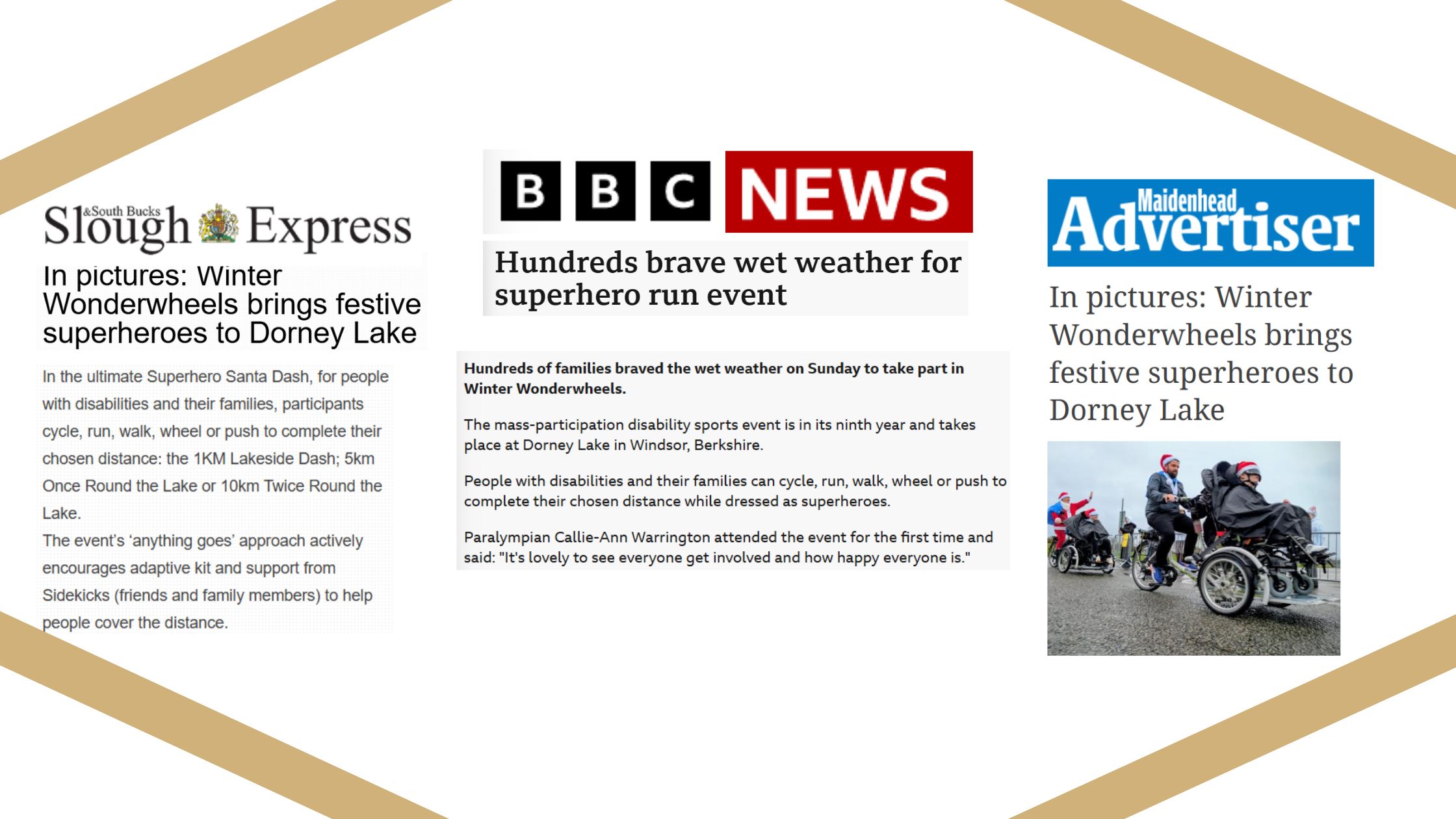
For Winter Wonderwheels, part of the Superhero Series, we delivered a targeted PR campaign designed to amplify the event’s energy, inclusivity and impact beyond those attending on the day. By crafting a compelling narrative around the event’s mission and participant stories, we secured a strong mix of regional and national media coverage, including: Slough Express, Windsor Express, Maidenhead Advertiser, First News, Sky Kids, BBC South, both online and broadcast.
National and lifestyle coverage extends reach beyond your immediate market

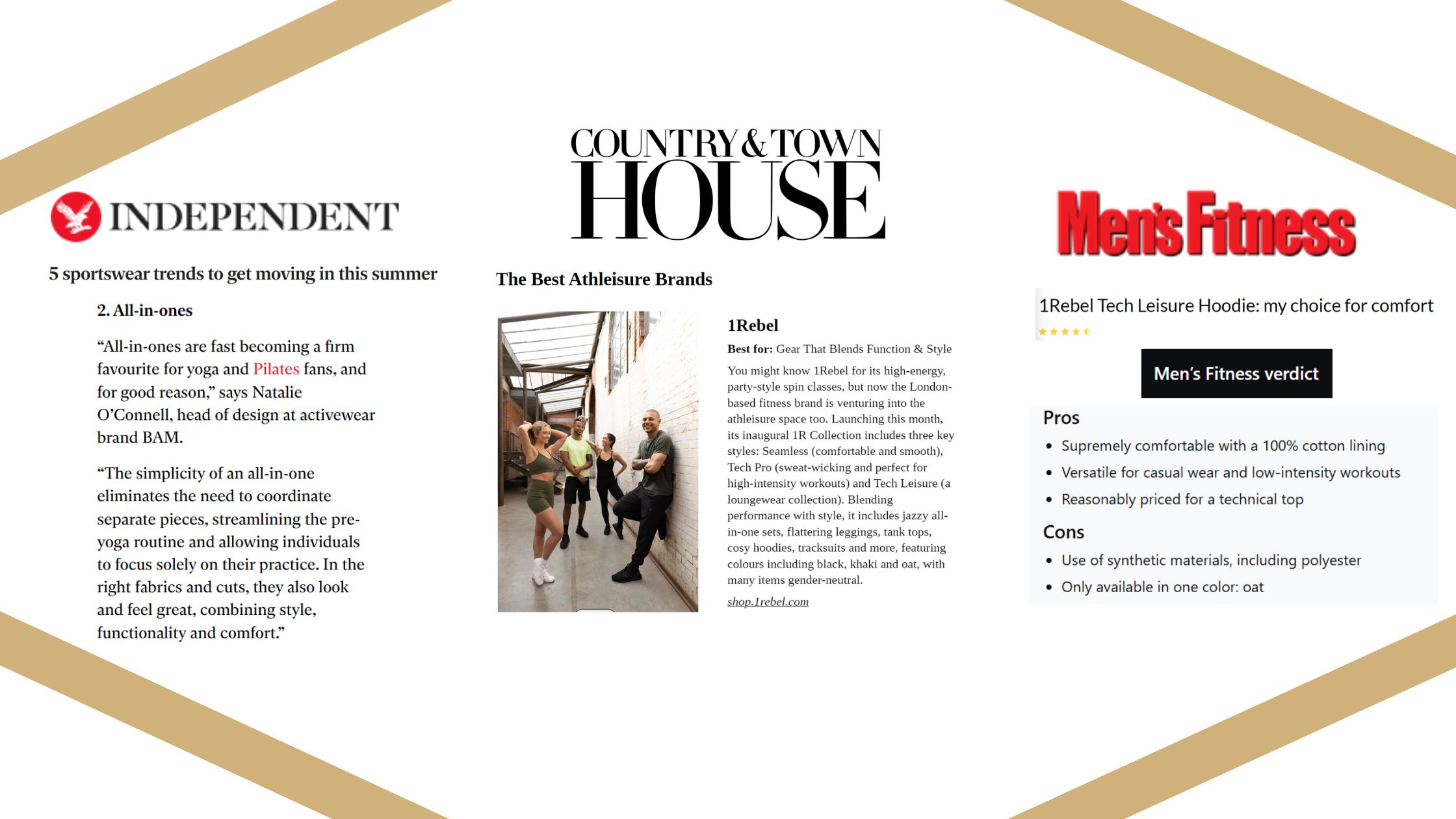
We managed the media launch for 1Rebel’s apparel collection, including hosting a media and influencer event at 1Rebel Victoria where we gifted key contacts pieces of the collection. We also pitched to media post-event, targeting national and consumer shopping, lifestyle and round-up writers to increase visibility and brand recognition. We achieved coverage in titles such as: The Sun, Country and Town House, The Independent, Men’s Health, The Standard, Glamour, Men’s Fitness, and more.
A well-run press office keeps visibility building consistently, not sporadically

When done well, these are not isolated tactics. They work together to build authority.

Strategic PR doesn’t just generate awareness.

It shapes perception.
It builds trust.
It drives discoverability.
And importantly, it supports meaningful commercial outcomes.

The brands winning attention today are not necessarily the ones making the most noise.

They are the ones building authority in the right places.

That is what effective PR delivers.

And in the age of AI search, its value has never been greater. This is why PR coverage matters more than ever.

If you’re looking for powerful PR campaigns that put your brand on the map (and in AI-search boxes…) then speak with us today: info@action-group.co.uk

Our full service marketing agency specialises in the fitness and wellness sector, and our specialist teams in PR, marketing, brand, video production and business consultancy, can’t wait to talk to you about your next project.

PR is more than just Press Releases

Article by Dan Pearson, Managing Director of Action Group.

Numerous times recently, I’ve had discussions with prospects about what kind of support they’d receive when working with Action Group, often led with comments along the lines of ‘presumably you just send out press releases?’, so I thought it would be worth writing a quick PR 101, demonstrating that PR is much more than writing and sharing press releases.

Let’s start at the beginning, what is PR?

Public Relations (PR), is defined as ‘the discipline which looks after reputation, with the aim of earning understanding and support and influencing opinion and behaviour[1].’ Whilst this definition holds a true, to put it simply, and echo an old boss, “PR is story telling.”

Traditionally, when looking at PR in comparison to other elements of the marketing mix, PR is designed to generate conversations about a brand in credible channels, whilst marketing focuses on attracting the right audience, sales and optimisation, and advertising looks to create mass awareness to attract and convert sales.

These are very traditional definitions and within the last 10 years the lines between each have become increasingly blurred, but what does PR do if it’s not just getting your stories into the press?

PR builds narrative, deepens dialogues and creates long-lasting impact when applied in the marketing mix. Media coverage is just one channel through which to communicate with your target audience, but a solid PR strategy will consider all of the options available to communicate the desired messages, at the right time and in the right places to reach these people.

PR Coverage for Action Group client Orangetheory in The Times, Business section – which led to a significant increase in franchise enquiries

A comprehensive strategy could include events, connecting you with prospective clients in a more personal setting, influencer marketing, ensuring the people you’re associated with are right for you, or even brand partnerships, making sure values align, along with a host of other tactics.

It’s also worth considering that whilst the majority of reputation building may be through creating campaigns designed to keep a company in the press, it can be just as important to have a team working to keep a company out of the press, minimising negative stories and mitigating against possible issues.

Press releases certainly have their place, but they should be viewed as a means of communicating rather than the end goal of working with an agency. PR can take many forms, but crucially, good PR creates a positive environment that enhances and enables the delivery of key messages that meet commercial objectives, and that takes a lot more than just churning out press releases.

At Action Group, we’re perfectly placed to put together a fully integrated PR plan with teams that specialise in each element of the marketing mix. If you’re interested in hearing how Action Group can help you with your PR strategy then get in touch at info@action-group.co.uk


[1] CIPR, https://cipr.co.uk/CIPR/CIPR/About_Us/About_PR.aspx

How to Network like a Pro

NETWORK

Networking is a key part of building relationships, whether it is with journalists or fellow people in your industry. Knowing how to network like a pro can be a difficult feat so we have broken down some key advice to help you build those essential relationships:

Recognise the opportunities and be open

The opportunities to network are infinite and far from restricted to just dedicated networking events, especially with the growth of online networks. It’s often surprising where you’ll meet a new connection, whether it’s on a holiday or over dinner in a place you wouldn’t associate with work, being open and curious when meeting new people in any setting can open up new opportunities. If you want to read about how we worked with David Lloyd’s Blaze Studio Birmingham to create the Blaze Games, check out our blog here.

Use your Network

You’ll be surprised at how many people you already have within your network. Whether you’re new to an industry or straight into a new role, you will have already built a network from which you can grow. Start by reaching out to who you already know—it’s great practice, and you never know where your current connections could lead. You can read about how we worked with Speedflex and Everyone Active to help them launch FORTIS here.

FORTIS Westgate Launch

Be helpful 

Everyone is busy and has a lot of pressure on their time and it’s important to be mindful of this. If you approach your networking journey from the point of looking to add value rather than asking for something, you’ll see significantly better results.

If you start with the intention of helping 10 people in a month, your bar for who you reach out to and the value you offer to that person goes up, as does the quality of the potential interaction.

Start with a list of who you can help in your immediate network and expand your network each week. Doing so will pay significant dividends over time.

Use social media to connect

Social media is a powerful tool not to be overlooked. Even if you do most of your networking offline, you will multiply your opportunities by using social media and that includes LinkedIn, Twitter, Instagram and Facebook. Use social media to publish news, content, and references about yourself and your business and to reach out to new connections.

With the increase in remote working, social media is more important and more powerful than ever, giving you the opportunity to expand your network from the comfort of your desk.

LinkedIn makes it easy to connect by recommending people in your network to connect with. Set an hour aside each week to review suggested connections and reach out with a personal message to 10 people each week.

Set a target to post regular news, even just once a week.  To increase the impact and reach of your posts on LinkedIn, invite people to follow your company page using your regular 250 credits per month on.

Commenting and engaging with other people’s posts and re-sharing things of interest also really helps to increase visibility. Take a few minutes out each day to interact with posts of those people whom you are keen to connect with, you’ll often find it leads to making new connections with others you may not have been aware of previously.

Les Mills Event

Plan and research

When attending a conference or event, make the most of your time there by seeking out new people and not sitting safely chatting with the people you already know.

Make it easier for yourself by researching who’s attending and planning who you want to try and speak to. If you can, try and drop them a note to ask if you can say hello over a coffee and schedule something in.

Be curious

Using people’s passions as an entry point to learn from them or just connect with them is far more likely to stick than a standard request for more information about their company or career. With this in mind, channel your inner journalist and generate questions that unleash what people know or love about a subject you know very little about.

With access to social media, you’ll have plenty of opportunity to gather some talking points so do your research and pick some topics that might help. Finding a common ground with someone that sits outside of work can really help to spark conversation and create more memorable discussions.

Do your homework

Writing notes after each meaningful discussion is a good habit to get into. At busy events you can find yourself speaking to a lot of people and it’s easy to forget useful details and key information. Even just noting down few words to remind you of your discussion and ensure you have names memorised correctly can be a huge help. 

Hammersmith Health Books attended the Get Well Show 2022

It’s then important to make sure you follow up with everyone, ideally within the next 24 hours, while the connection is still fresh.  Having this further touch point will ensure you stay in their mind and you have opportunity to connect again down the line when there may be something specific you want to discuss.

Try to keep your networks up and running, today it is more important than ever, you never know what opportunities await.

We are industry experts with decades of experience. As a full-service marketing agency we offer everything from consultancy, PR and brand photoshoots, to full website and app build. We can also assist you with planning an event and bringing it to life with innovative ideas relevant to you and your business. If you are a business in the health, fitness and wellness industry and looking to expand, grow and raise your profile then get in contact with us: info@action-group.co.uk

Building Media Relationships by Thinking Outside the Box

pr relationships

Building media relationships is a key part of every PRs role but the most effective means of developing meaningful ones is constantly changing.

Speak to any journalist and you’ll quickly understand how many hundreds of emails they receive each day from PRs pitching the latest product, service or research angle from their industry. While each PR should have spent time and effort crafting a creative press release and well-worded pitch email to support, the sheer amount of email competition can make it hard to cut through the crowd and grab the journalist’s attention. You can find out all of the expert advice our PR specialists have in our blog on what makes a good pitch here.

Yet, if the recipient is already familiar with the PR, as a result of thoughtful relationship building, starting that conversation (and ultimately securing that winning coverage) becomes all that bit easier. A ‘State of Journalism’ report by Muck Rack found that for 61% journalists, a quarter of their stories come from pitches which highlights the importance of a solid media relationship.

With vast experience in doing just that, Action’s PR team have shared their best advice on how to build meaningful relationships with target media.

Going Beyond a Catch-Up over Coffee

There is so much value in taking the conversation with a journalist offline and meeting face to face. Yet, we’re all becoming increasingly time poor; especially journalists who often now write for multiple publications at a time. So, getting them to break away from their desk for an in-person pitch over a coffee is much harder now than it once was.

Instead, make it personal. A short scroll through most journalist’s social media profiles will give an insight into their personal passion projects or most loved hobbies. For example, if the journalist appears to be an avid yoga fan, you could suggest booking on to an evening flow together and begin building media relationships that go beyond usual expectations.

Working with a number of incredible health and fitness clients at Action has provided us with ample opportunity to invite press targets to try out classes together and build our relationships further. Most recently this very tactic resulted in a 4 page spread dedicated to client miha Bodytech in the weekend pages of The Daily Telegraph, proving just how important ‘IRL’ meet ups can be. You can also read about the work we did with celebrity personal trainer Monique Eastwood here.

Get Creative

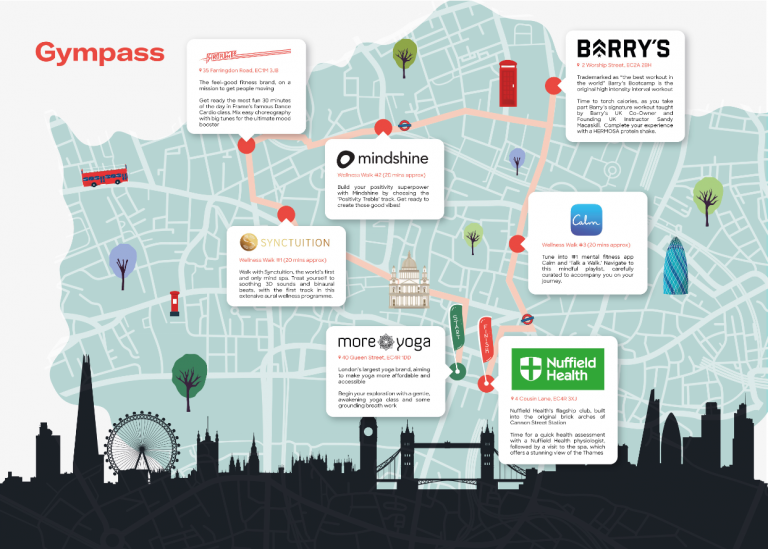
When it comes to keeping media engaged with brand experiences, creativity is key. Think outside the box. Why would journalists want to take time out of their day for this experience? A great example of this type of creativity at play is the Gympass Wellness Tour hosted by Action last Summer.

Building media relaitonships
Gympass Wellness Tour

Our aim was to showcase the variety of health and wellbeing partners available to members via the Gympass platform. Yet, instead of simply providing media with a Gympass membership and hoping they tried out the partners for themselves, we took Gympass to the media. Action created an incredible day-long experience, which saw key journalists visit 4 venues including 1Rebel, Nuffield Health, MoreYoga and FRAME while also experiencing 3 additional wellbeing app partners on the way. Engaging journalists in an experience they would rarely get the chance to do in their own time resulted in fantastic reviews from those that attended and importantly led to meaningful and lasting relationships being built with key contacts.  

Experiences of this kind are greatly effective but mean we can only target a handful of press at a time. So, in order to reach further contacts, we took our latest Gympass activation online. We wanted press to be able to understand the Gympass platform for themselves in a way other than words on an email. So, with the help of our fantastic graphic design team, we created the interactive Gympass quiz.

Here, press were offered a complimentary membership to Gympass and invited to take part in our quiz in order to receive it. Press simply clicked through the engaging quiz to discover their individual fitness personality and as a result which Gympass partners would be best suited to them. It was important that the quiz didn’t take too long to complete to keep media engaged while also delivering key brand messaging within each stage. Again, this activation has received great reviews from those who engaged with it and meant we are able to extend the experience further afield, building media relationships and developing them into meaningful ones.

An Excuse to Get in Touch

Finally, events. Events are a key part of PR and can help in launching a new product, service or location to the media. Often the press are the first to get a glimpse at the new launch so the exclusive invite itself often helps in kick-starting a media relationship. Yet, an event invite goes beyond the actual day and provides a great opportunity to build a longer lasting relationship with each journalist. For some expert tips on how to pitch an event to local press, check out our blog here.

Firstly, events provide a justifiable reason for multiple touchpoints with the media. Firstly to confirm attendance and finally to follow up for their feedback. Offering product samples such as apparel on the day gives a great opportunity for further touch points post event too. You can read all about how we work with sustainable snack brand Squished to secure them amazing coverage in our blog here.

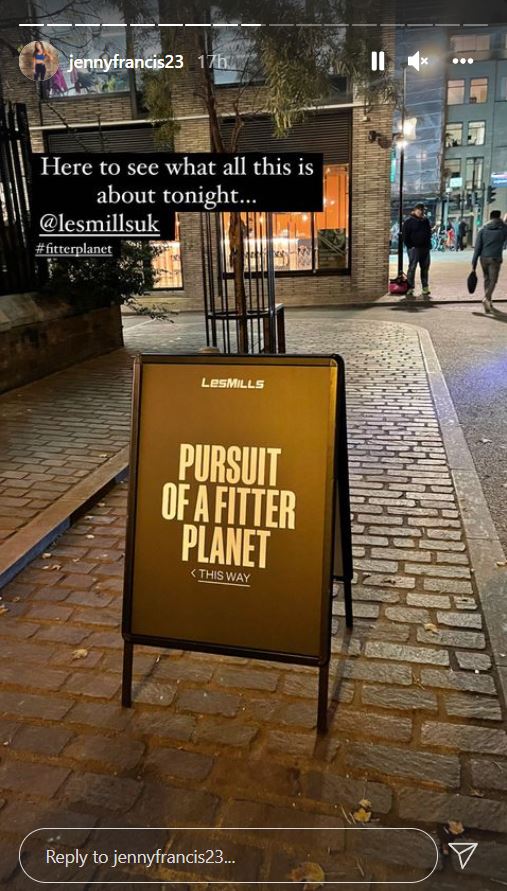
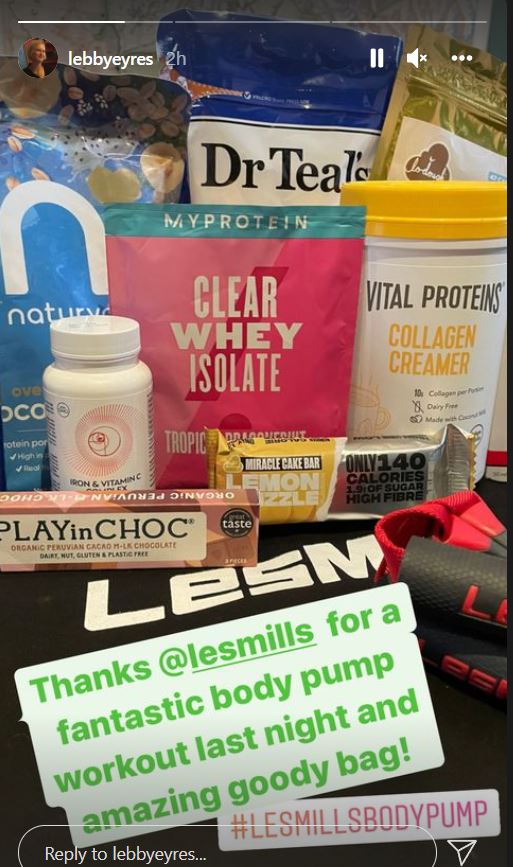
Action recently hosted a large-scale event to launch the new app from international fitness brand, Les Mills. The event included all the key components of an engaging press evening. From an energetic in-person workout and high value gifting to opportunities to interact with the Les Mills kit, the event built long-lasting lasting relationships with press that had been on our target media list.

A lot of time and effort goes into producing and hosting a press event but every last detail counts. From personalised name settings to high worth goody bags, these details help to create a lasting impact on the journalist and act as a long-term reminder of the brand and the PR contact. While the coverage that comes out of a press event is highly valuable, the press contacts that keep coming back for more are even more valuable.

Have a look at some of the other events we have hosted that have helped build meaningful relationships with media; like the launch of FORTIS at Fareham Leisure Centre and a sprint masterclass with WithU.

Whether you’re looking to increase brand awareness, reach more of your target audience, or tell your story, then get in touch with us. We are experts in consultancy, marketing, PR and advertising, so if you’re a small business or a multi-million pound turnover one, we can help you. Email us: info@action-group.co.uk

How to create a list of journalists that will actually talk to you

How to create a list of journalists who will actually talk to you

There’s more to PR than just writing press releases and hoping a newspaper / website / magazine will feature your story. The most vital part of a PR professional’s job is the relationships they create with journalists who will feature the stories.

It’s also about more than just having good bank of ‘contacts’ in the industry. For example, you can have an entire phone book of contacts, but if you message them all about a party you are throwing, not everyone would turn up. Only the people who you have nurtured relationships with over time, would grace you with their presence. The same can be said for a PR story.

In the PR business it’s key to not waste time – your own and the journalists. Here are some of our hard-earned tips for finding and cultivating the right list of journalist contacts who will not only talk to you about the brands you represent, but potentially feature them too.

Read the publication (then read it again…)

There’s nothing a journalist hates more than getting contacted by a PR who has no idea what they write or even what their publication is about. You can’t sell a story about the hottest new exercise bike to a beauty editor, unless the bike is made of beauty products! There’s no link and if a journalist must spend time and effort finding the link, they won’t thank you for it! Knowing the publication, knowing which journalist writes what and being genuinely interested in how they write, is key to getting coverage from them. It sounds leisurely; reading lots of magazines, websites and newspapers but there’s a science to it. Differentiating what journalists write about and why it interests them is a huge part of a PR’s role and if you know this information, the journalist is ten times more likely to speak to you and more importantly, your clients.

Get to grips with a media database

These days, most PR’s use an online database of all publications to find out which journalists write for different titles. It may sound like cheating, but it is still important to know the difference between the roles in each publication. For example, pitching a story to an editor-in-chief of a major publication won’t earn you any gold stars, (unless you personally know that editor-in-chief very well and feel confident they will respond to you). Their role is too senior and they probably have a team of reporters and editors who are finding the stories for them. That’s why it’s important to read the publication and find out which journalist writes each section and who edits their pages. The features editor for a magazine house will have great oversight and strategic say in what goes into the pages, but an editorial assistant or features writer will still need to be involved in the sourcing and writing of that content – so it’s about who you form that strong bond with.

Get on the phones

It’s the number one tool in a PR’s belt – good phone manner. If you know which publication you want a story in / your brand to be featured in, the number one thing to do is call the journalist. Calling a publication and finding out who writes the section you want to be in and actually speaking to them is always the first hurdle to get over. Once they’ve spoken to you, they will be far more likely to associate your story to your voice and recall the conversation. Sometimes a PR can be just another email, and no-one wants to be remembered in that way! Get on the phone, make them laugh, brighten their day and you instantly become more relatable and they become more approachable.

Trawl through social media

Whether a journalist chooses to use social media as a platform for their professional or their private use, it’s useful to develop this medium for a PR purpose. For those that use it in a professional capacity, it’s an easy and direct way to discuss a story or idea with a journalist. See what they share on their pages, understand what makes their professional world ‘tick’ and get in touch with them once you’ve formulated something that fits their mould. If a journalist uses social media to share their social life and it’s available to see as a member of the public, simply use it as a great conversation starter.

However, at the end of the day – there are no hard and fast rules in PR. So, the more a PR can talk to journalists and find out how things work on their particular publication or programme, the better placed your brand will be.