The art of newsjacking, piggybacking and news hacking

Breaking news and high-profile stories can provide great opportunities to smart businesses who are brave enough – and quick enough – to jump on the back of the headlines and land their brand in the limelight.

‘Newsjacking’ is not for the faint-hearted or risk-averse. Requiring more speed and less haste, it can only work if you move fast. Timing is everything – firstly, to ride the crest of the news wave and secondly to beat your competitors to it.

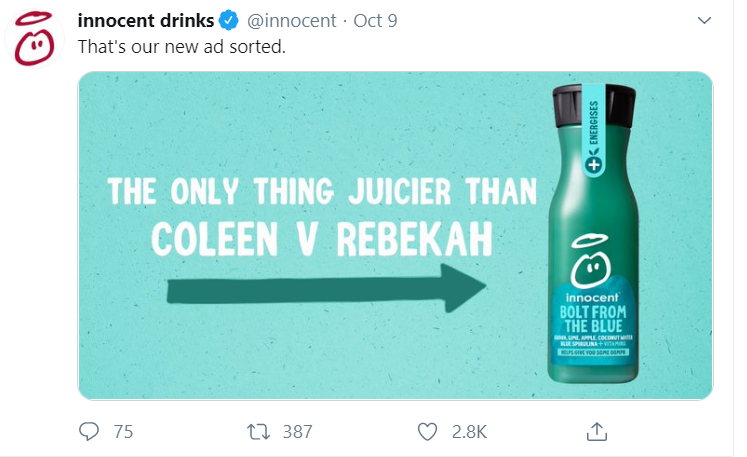
Humour and poking fun at others are the most common newsjacking tactics and therein lies the risk with humour being both personal (and cultural). One person’s joke could be another person’s insult.   Did you see the Innocent Smoothie newsjacking of Coleen Rooney and Rebekah Vardy? Course you did!
rebekah vardy and coleen rooney innocent

They were really quick off the mark and what made this even smarter was the breaking news itself was all about social media. It wasn’t universally popular – some people ticked them off for being insensitive.  But it got noticed, shared and liked 2.8K times so not a bad result.

If newsjacking isn’t for you, don’t worry.  There are two other great ways to amplify your brand or business.

Piggy Backing

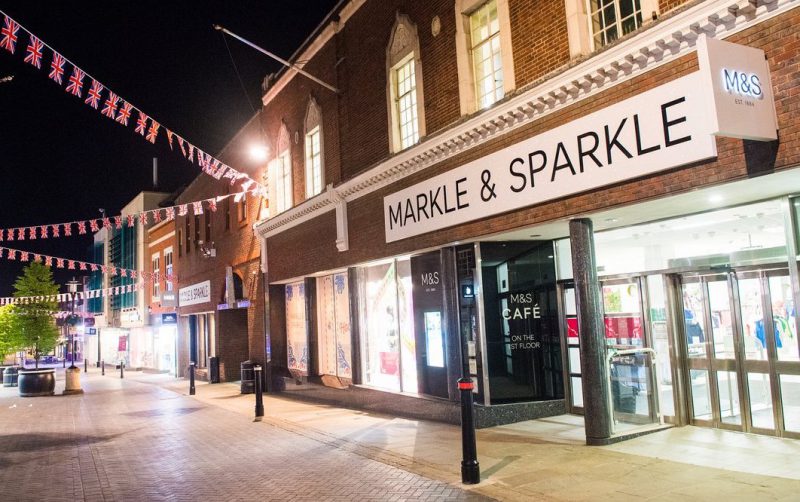
This is the art of tagging your brand or business to a popular story, event or trend. The difference between this and newsjacking is you can plan ahead a bit more – thus giving you thinking time and your client/boss approval time.  An example was M&S rebranding as Markle and Sparkle for three days to celebrate Harry and Meghan’s wedding.  The timing for this was precise and designed to dovetail with all the wedding build-up news, but it would have been planned in and approved.

Essentially a success – it got coverage and plenty of chatter online – it wasn’t perfect as Meghan’s nephew also piggy-backed on the wedding frenzy and developed a blend of cannabis called Markle Sparkle which came to light shortly afterwards.  Squeaky clean M&S got a bit more than they bargained for.  But they got more chatter too if you want to look at it that way (and with newsjacking and piggybacking you have to look at it that way).
Markle and Sparkle

Prepping for piggy backing is important – and the best way is to look ahead to big events such as a Royal Wedding, the Olympic games, general election, Brexit…. you get the idea.  Looking ahead gives you time to plan ahead – but keep alert to changes and updates in the run-up to such events to ensure your piggy backing message and activity remains aligned.

News Agenda Hacking

A third option for amplifying your brand to a like-minded audience is that favourite PR tactic of linking to awareness days, weeks and months.  There does seem to be a day for everything but let’s not throw the baby out with the bathwater – there are some excellent awareness days and weeks that can be tagged. This month alone we have World Mental Health Day, World Osteoporosis Day and Breast Cancer Awareness Month.   The organisations behind these welcome – and anticipate – brands piggy backing on their campaigns to boost the awareness and bring wider audience engagement as a result.

A word of warning: be sensitive to what the awareness campaign is aiming to do and be supportive.  Share their links and messages and keep yours carefully in line.  Charities and important causes use their awareness days to drive home serious messages: this is NOT the time or place to poke fun.

Check out http://www.national-awareness-days.com/awareness-days-events-britain/for inspiration.  Coming up in November you have International Stress Awareness Day (7.11)

World Kindness Day (13/11) and Road Safety Week (19-25/11). And, hey, it’s National Blog Posting month too.

Feeling inspired?

If you’re inspired to try newsjacking, piggy backing or news agenda hacking here are some things to think about:

  • Keep on top of breaking news and headlines – watch news alerts, keep track of threads and topics trending on Twitter and Facebook
  • Be quick and be creative
  • If you can’t be funny, be smart – but don’t try to be ‘too clever’. If people ‘just don’t get it’, you’ll miss the mark and confuse them too.
  • Use social media to host/share your newsjacking
  • Avoid all negative connotations to avoid it backfiring
  • Share your idea with others to get their views before sending it live

The Do’s and Don’ts of Headline Writing

headline writing

The aim of a press release is to promote something specific and grab a journalist’s attention so they seek you out for more information. It needs to be simple, easy-to-read and quickly understood by the reader. The headline is critically important. It must immediately engage a journalist enough to want to read on. If it doesn’t, your story could end up in the bin.

At Action PR, we write a lot of press releases. Here’s our list of the Dos and Don’ts of headline writing.

DO

Reflect the tone of the press release in the headline. If the release contains news of a more sombre nature, then make sure this is mirrored in the headline. The opposite is true, that if the press release is about a good, positive news story then you have a little more creative license to make the headline fun.

Understand your audience. Journalists are busy people with tight copy deadlines who receive hundreds (if not thousands) of emails per day. Make sure the headline is not long, keep it concise with a couple of bits of key information.

Include the most important detail of the press release. The headline might be the only thing a journalist reads so make sure it includes the most important details. If they’re interested, they’ll read on for more information.

Include a brand name if it is a household name. If you’re lucky enough to work on a popular brand that everyone has heard of, this is very likely to catch the interest of journalists.

Use numbers or stats. If your story is number or stat related, and the numbers are newsworthy, then put these in the headline.

Use subheadings with further, relevant information. Subheadings are a great way of highlighting a key stat or piece of information that might require a little more explanation. If you want to include the information at the top of the press release, but think it would make the headline itself too long, then use a subheading. Eyes are drawn to headings and this helps make people read on.

DON’T

Rely on clickbait. If you write a headline that is designed to grab attention, but the actual press release information is only loosely related, you will quickly lose credibility. Whilst it is important to make the headline attention-grabbing, do not go overboard. Journalists will quickly lose interest and stop opening your press releases if the headlines are over-the-top. Repeat offenders may also be blacklisted from journalist inboxes and you’ve lost all chances of reaching that contact again.

Assume knowledge. Avoid acronyms or business jargon in your headline. You might have a nice story to tell, or that your client is doing a lovely activation; but assuming knowledge can immediately cause people to lose interest.

Overly complicate things. Keep it simple, don’t use 20 words when 10 will do. Be succinct and get to the point. No one enjoys reading waffle, so keep it simple and say what you want to say quickly.

With these tips in mind, keep your headline interesting, short, punchy and engaging and you will have a much higher chance of journalists actually reading it.

Need help writing a press release? Get in touch. We can help.

What Makes A Good PR Pitch?

What Makes a Good PR Pitch?

Written by Annette Neto, Account Manager

When it comes to PR, coverage is one of the cornerstones of the overall success rating. It may not seem like it to outsiders, but getting coverage – good-quality coverage – with target media, is an art.

The number one method to secure coverage is through strong media relationships. At Action PR we’re incredibly proud of our media contacts and the bonds we form with journalists, but how does that relationship even start?

Build Relationships with Journalists

It’s simple really. It all starts with a pitch. A well-crafted, thought-out and specific pitch is the starting point for most of our relationships. Many assume that gaining coverage is a numbers game. Send one release, one angle or one news hook to masses of media and you’ll be featured the next day across the news publications. Going to 100 press contacts with one pitch may seem like a good idea because; “more people will see it, so your chances of success are higher”, right? Wrong.

The number one complaint PR professionals receive from journalists is the following; “They don’t know what I write about. Clearly, they haven’t read my articles. It’s obvious they don’t know what sort of content I look for.” On average, the ratio of PR professionals to journalists is three to one. This means journalists are being bombarded daily for their column inches.

Quality over Quantity

A good PR professional will know that it’s quality over quantity when it comes to pitching to press. We know that being specific, knowledgeable and personal is the way forward. By drafting a pitch that gets to the point, is interesting and most importantly, relevant to the journalist you’re pitching to – is the only way to really succeed in securing coverage.

Relevant and Personal

The most obvious way to do this is to find a handful of target press contacts and consume their work until you’re an expert in their writing and the publication. If your client wants to be featured in Time Out, you must read the magazine every week until you know exactly which journalists write which pages, what their writing style is and what sort of features they publish. The next step is to research that journalist. Check their social media platforms, read their blogs, find out more about their previous work. This will make your pitches far more personal and the journalist will feel that you’ve done due diligence when pitching to them. Finally, and most importantly, make sure it’s relevant. Pitching a yoga class to a journalist who writes the restaurant reviews, is never going to achieve coverage in that title. Unless you look after a restaurant which hosts table-top yoga once-a-week for diners 😉.

This may seem like a time-consuming exercise, but the point is not to do it for 100 press, but to do it with 10 and nail each one of those targets.

In a world where journalists get hundreds of pitches per day, personalisation is key. If a journalist feels you’ve really read their work, engaged in their content and can identify how your brand fits their publication, that’s when they’ll be more likely to hit ‘reply’ to your email.


How to create a list of journalists that will actually talk to you

How to create a list of journalists who will actually talk to you

There’s more to PR than just writing press releases and hoping a newspaper / website / magazine will feature your story. The most vital part of a PR professional’s job is the relationships they create with journalists who will feature the stories.

It’s also about more than just having good bank of ‘contacts’ in the industry. For example, you can have an entire phone book of contacts, but if you message them all about a party you are throwing, not everyone would turn up. Only the people who you have nurtured relationships with over time, would grace you with their presence. The same can be said for a PR story.

In the PR business it’s key to not waste time – your own and the journalists. Here are some of our hard-earned tips for finding and cultivating the right list of journalist contacts who will not only talk to you about the brands you represent, but potentially feature them too.

Read the publication (then read it again…)

There’s nothing a journalist hates more than getting contacted by a PR who has no idea what they write or even what their publication is about. You can’t sell a story about the hottest new exercise bike to a beauty editor, unless the bike is made of beauty products! There’s no link and if a journalist must spend time and effort finding the link, they won’t thank you for it! Knowing the publication, knowing which journalist writes what and being genuinely interested in how they write, is key to getting coverage from them. It sounds leisurely; reading lots of magazines, websites and newspapers but there’s a science to it. Differentiating what journalists write about and why it interests them is a huge part of a PR’s role and if you know this information, the journalist is ten times more likely to speak to you and more importantly, your clients.

Get to grips with a media database

These days, most PR’s use an online database of all publications to find out which journalists write for different titles. It may sound like cheating, but it is still important to know the difference between the roles in each publication. For example, pitching a story to an editor-in-chief of a major publication won’t earn you any gold stars, (unless you personally know that editor-in-chief very well and feel confident they will respond to you). Their role is too senior and they probably have a team of reporters and editors who are finding the stories for them. That’s why it’s important to read the publication and find out which journalist writes each section and who edits their pages. The features editor for a magazine house will have great oversight and strategic say in what goes into the pages, but an editorial assistant or features writer will still need to be involved in the sourcing and writing of that content – so it’s about who you form that strong bond with.

Get on the phones

It’s the number one tool in a PR’s belt – good phone manner. If you know which publication you want a story in / your brand to be featured in, the number one thing to do is call the journalist. Calling a publication and finding out who writes the section you want to be in and actually speaking to them is always the first hurdle to get over. Once they’ve spoken to you, they will be far more likely to associate your story to your voice and recall the conversation. Sometimes a PR can be just another email, and no-one wants to be remembered in that way! Get on the phone, make them laugh, brighten their day and you instantly become more relatable and they become more approachable.

Trawl through social media

Whether a journalist chooses to use social media as a platform for their professional or their private use, it’s useful to develop this medium for a PR purpose. For those that use it in a professional capacity, it’s an easy and direct way to discuss a story or idea with a journalist. See what they share on their pages, understand what makes their professional world ‘tick’ and get in touch with them once you’ve formulated something that fits their mould. If a journalist uses social media to share their social life and it’s available to see as a member of the public, simply use it as a great conversation starter.

However, at the end of the day – there are no hard and fast rules in PR. So, the more a PR can talk to journalists and find out how things work on their particular publication or programme, the better placed your brand will be.


Look for the hook: how to find the interesting PR angle in anything

Creativity

Communicating a product or service to journalists usually involves focusing the light on one aspect and always involves finding the most suitable angle. It would be difficult to sell barbecues to customers at Christmas time, but if you inform them that it’s half the price now than it would be in summer, you just might be able to tempt them.

Being involved in the industry, we are forever thinking ‘how can we make this relevant’, ‘how can we make this appeal to consumers’ – firstly we must understand exactly who the consumers are and what they are interested in; only then can we begin to find an angle that is suitable and relevant. If the aim is to appeal to all consumers, then it is about targeting specific publications and outlets and understanding what is relevant to them and their readers. Once we’ve understood who the audience is, we can look at the product/service and tailor it to suit. This requires total knowledge of the product, company, their ethos and their direction, as often angles can crop up that at first were not obvious but very relevant.

Finding the right angle is also about staying on trend – this is not necessarily about ‘jumping on the bandwagon’, but instead trying to position the client as an innovator and leader – that they are doing the thing everyone should be doing, and that they are doing it best. For example: plastic and plastic waste is on everyone’s radar at the moment, so a company who is actively reducing or recycling plastic can help push this side of their business no matter which industry they are in. This is a great PR angle for every business as it is such a big, current topic. The rise of a Vegan lifestyle has allowed some companies to push that their products are suitable – they may not have necessarily changed anything about the product, but this animal-free angle is appealing to more consumers due to changing views on what constitutes the products they buy. Where this angle may not have appealed to many consumers ten years ago, it is now absolutely on trend.

Ultimately, it’s about appealing to consumers. Rather than bundle everyone under the ‘consumer’ umbrella, think about subsections of a consumer group and their specific interests.  It’s then about angling your product or service to appeal to those various groups. The aim is to create a Venn diagram of as many consumer interests as possible and have your client in the middle.

If you need help finding a news hook for your own brand  or product, get in touch. We can help!