Pool Photoshoots 101 – Shooting content for Sutton Swimwear

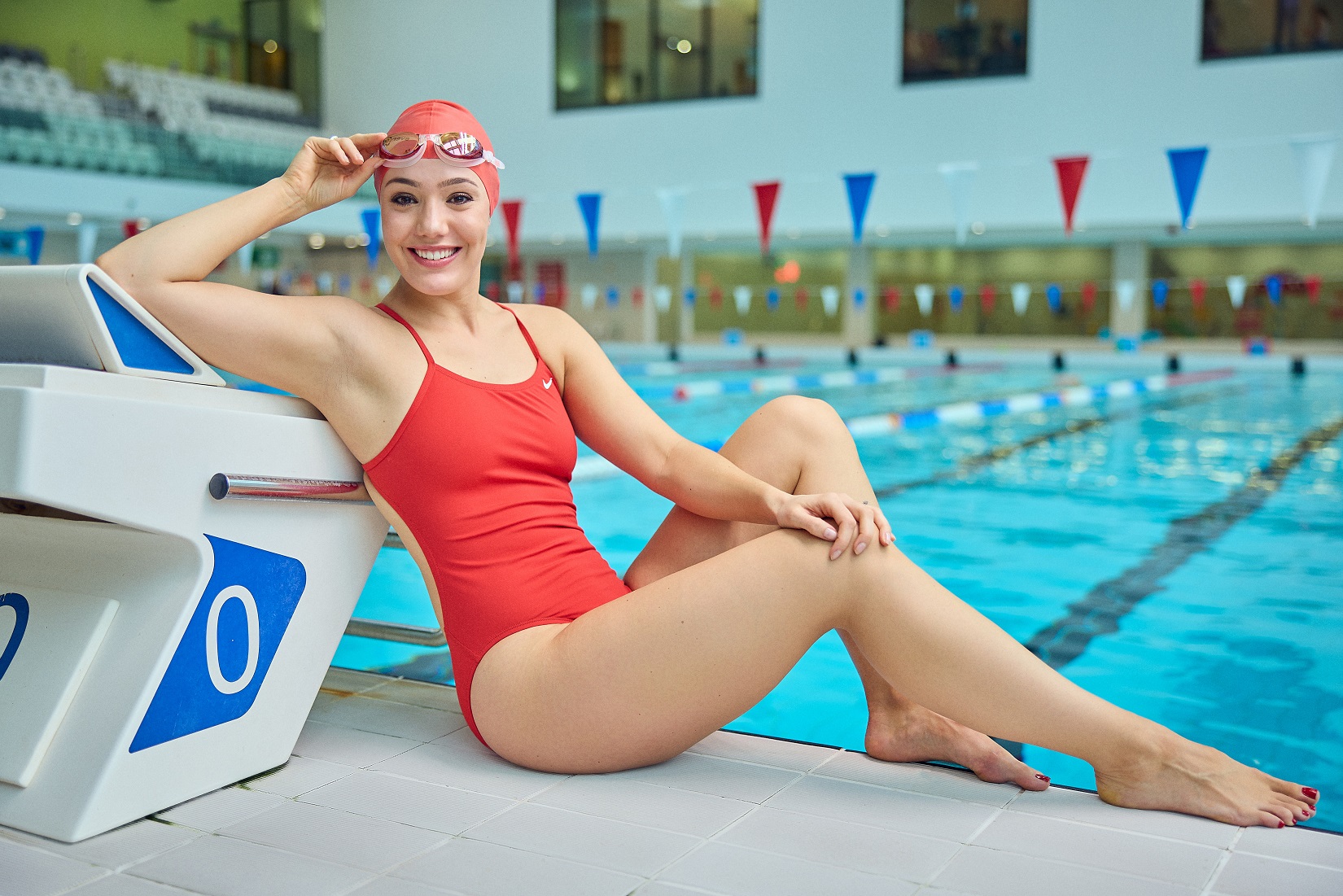
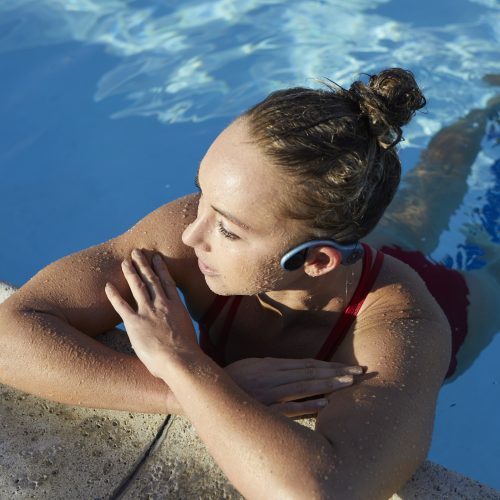
Active photoshoots in challenging locations can be difficult to manage and need meticulous preparation to ensure you are delivering the best possible results. Shooting in any aquatic environment is particularly challenging! Here are some smart guidelines to follow when planning your pool photoshoot that may save you a lot of time, budget and headaches – with some beautiful shots from our most recent shoot for Sutton Swimwear prescription goggles.

Tight Briefs

As always, a clear and detailed brief is a must [NOT a luxury!] particularly when it comes to shooting swimming pool photoshoots. You need precise and realistic reference images that determine the photographic outcome – dark and moody or light and bright will inform every element of your shoot plan.

Client Expectation Management

Unless you are working with substantial budgets, you will want to keep your swimming pool photoshoot simple, so being realistic about the type of shots you can deliver is more important than ever. The complexity of shooting movement in, below and above water is manifold – keep in mind that often, you will need multiple attempts to get one useable image.

Location

Once you have the style and look of the shots confirmed, you will need to ensure you choose a pool venue that matches your light needs. If creating light and bright content, you will need a pool with plenty of natural light, and ensure you work with the venue to ensure you can shoot when the pool is ideally empty, or if working around public sessions, at least times when it is quieter, or without school swim sessions. If you are using a lot of lighting, you will need to hire a pool outside of sunlight hours, to ensure you don’t spend unnecessary budget on black out sheets and more sophisticated lighting solutions.

Styling

If you’re shooting a swimwear brand, feel free to ignore this point! Ensure your swimwear is bright and colourful, naturally complimenting your pool water environment. The bright blue of most public swimming pools can make similar colours disappear, so using opposite colours on the colour wheel such as pinks, reds and bright oranges and yellows work really well. Similarly, black and white patterns perfectly compliment aqua blue, so don’t be afraid to be daring with your swimwear choices if you can.

Models

Selecting the right swim models is a difficult but imperative part of your pool photoshoot. Depending on your brief, you may need models with a mix of swimming abilities from professional [ish] to amateur. Swim strokes in motion are difficult to capture at the perfect moment, so you will need models who are proficient swimmers who are happy in the water for long periods of time and are willing to spend the hours to get that killer shot. Also, worth noting that while poolside environments can feel humid, being in the water is a different story. Your models will feel the cold when they are submerged and having to repeat strokes and poses – so additional towels, hot drinks and warm wraps are essential.

Your Team

Shooting in any aquatic environment will require a larger team. This is to ensure that you have people to help to get the models changed into different costumes when needed and to be on hand to make any last-minute adjustments to costumes, caps, goggles and poses. Wet locations are always trickier to manage and inherently come with more issues – ensuring you have a well prepped team who are willing to get in the water if necessary, be on hand with towels and a de-fogging stick [if your photographer is going underwater!] is vital. Always ensure you have your reference images to hand to support the photographer to capture specific shots.

Photographer

Last, but not least, ensure you select the right photographer. One who is willing to get in the water, has the correct waterproof equipment and ideally knows good swimming technique. This is a very specific skill. Getting a shot mid-butterfly for example can be a painful process, so the more adept your photographer is at achieving crisp movement shots in the water, the better. Be prepared to spend a long time getting that hero shot – and be prepared to get soaked in the process!

Need a swimming pool shoot expertly managed and produced? Get in touch with us here at Action Group: info@action-group.co.uk

What can you do to combat stress during even *more* unprecedented times?

stress

As the remnants of COVID-19 appear to be dwindling, new causes of stress have taken its place to uproot how we live our everyday lives. The increasing cost of living crisis paired with political uncertainty has slipped in the driver’s seat and taken the reins to steer us towards an increasingly stressful day-to-day existence.

It appears as though precedented times are becoming a thing of the past.

With more people heading back into work, it comes as no surprise that the most common cause of stress is work-related stress, with 1 in 6.8 people saying they experience mental health problems in the workplace (Mental Health Foundation). Almost 79% of people say they frequently feel stress in the workplace (Statista) which may explain the tremendous shift the workplace has seen over the past three years, with more people than ever deciding to take charge of their mental health and prioritise their wellbeing over other aspects of their career.

Though it may come as a shock to some, Gen Z’s reputation precedes them with research by the world’s largest corporate-wellbeing platform Gympass finding that they are actually the happiest and most hardworking generation. Gen Z is three times more likely to rank wellbeing at work as important compared to the older workforce and 75% are happy at work compared to 60% of older workers. We delved into the Gympass State of Wellbeing Report as well as the implications of the findings in more detail in our blog here.

So with this workplace transition, how are people are coping with stress and prioritising their overall wellbeing? It should come as no surprise that 42% of people turn to exercise to improve their mental wellbeing and 1 in 5 practice mindfulness, yoga or meditation (Perkbox). Whether you’re going to Ten Health and Fitness for a Pilates class, smashing the heavy bags at Blaze, or splashing around in the pool using the Zygo Solo, there is no denying the physical benefits exercise has on alleviating symptoms of stress.

Zygo Solo

However, exercise goes beyond just offering physical benefits.

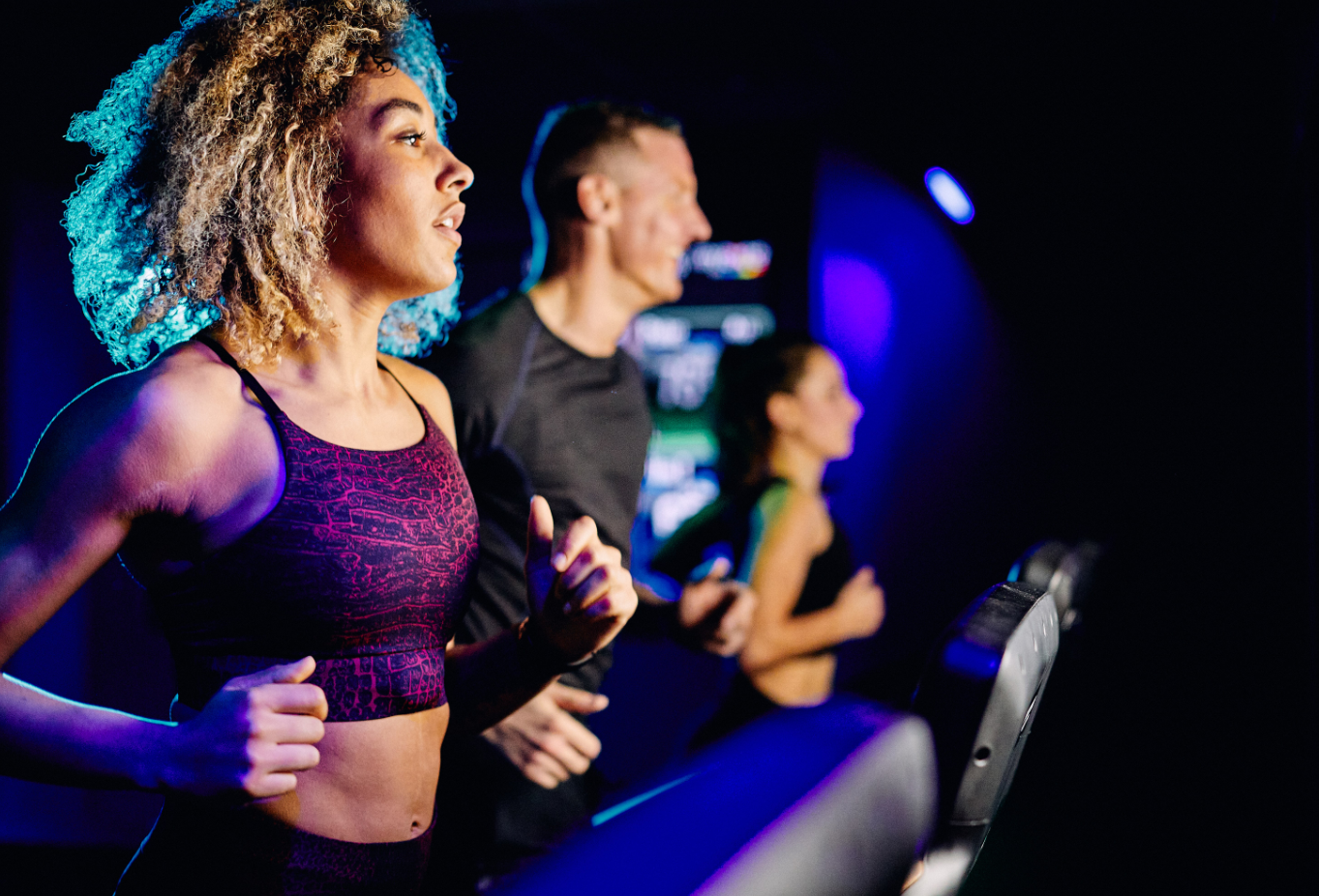
There is a lot to be said for the social interaction and group elements of exercise and how they can help towards improving overall wellbeing. For example, Orangetheory Fitness is a heart rate-based interval training, combining the use of treadmills, rowing machines and weights to provide a full-body workout. The group workout element of this studio provides a sense of community – with the workout being accessible to anyone regardless of age or fitness ability, the social interaction and support is enough in itself to help reduce the effects of stress.

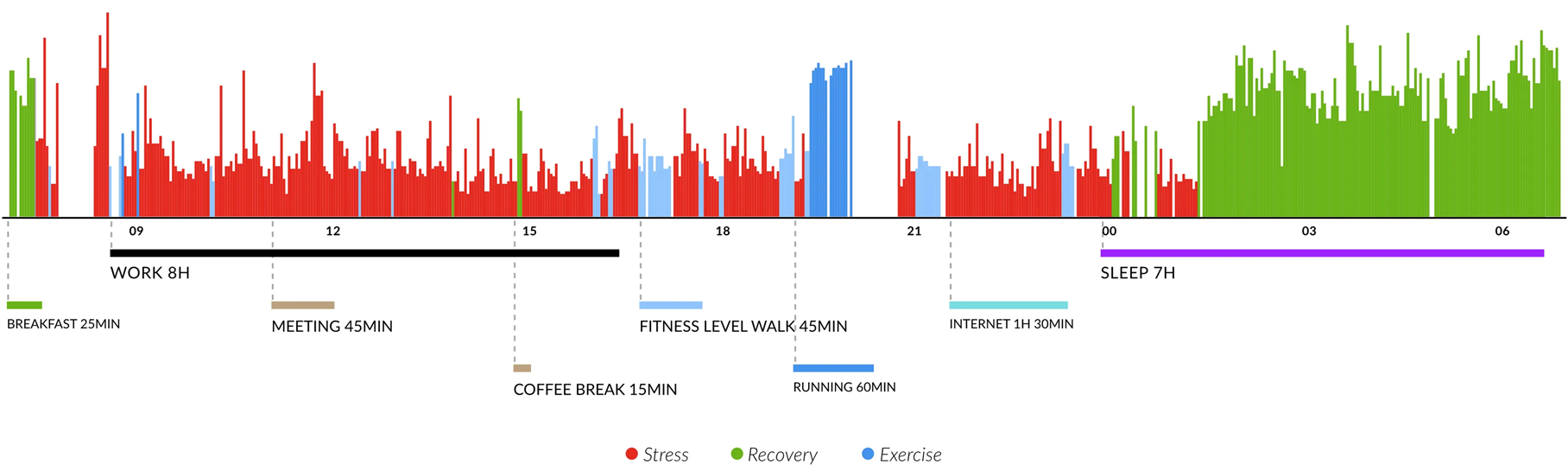
Whilst high-intensity exercise is very beneficial, it may not be suitable for everyone. There are now more people aged 50 and older in work or looking for work than since just before the pandemic (ONS) so for the older generation looking to relieve stress, low impact and joint friendly forms of training may be more appealing. Likewise high-intensity exercise may not be the solution to work-induced stress, especially if sleep and physical health are beginning to be affected. Firstbeat are leaders in Heart Rate Variability (HRV) monitoring and analysis, and HRV can be used to map our stress, recovery, sleep and exercise performance. A variety of factors have significant effects on HRV, such as: stress, sleep quality, hormones, physical activity, food intake, and alcohol. Firstbeat experts tell us that stress isn’t necessarily a bad thing, but it must be balanced with recovery; high stress levels that are unbalanced with recovery can lead to exhaustion, burnout and physiological complications.

Firstbeat HRV Data – Red = Stress, Green = Recovery, Blue = Exercise

This means that for certain populations a focus on wellbeing over exercise could be the direction to go in to alleviate symptoms of stress. By focusing on rest and recovery; achieving higher quality sleep, being aware of stressors, taking restful moments throughout the day could all help greatly improve stress-recovery balance. Self-care is a topic constantly trending and it appears as though the pressures to hit the gym six times a week are dying down – a majority of Generation Z are dedicated to making lifestyle changes to help prioritise their mental wellbeing and protect them from stress in the workplace.

Blaze Studio Birmingham

Beyond the mainstream methods of stress relief and physical activity, there are many day-to-day hobbies that can have the same effects as regular exercise. Whether it’s walking your dog every day, committing time to gardening or taking part in more unconventional activities like rock climbing – these can offer the same effects as an exercise class while appealing more to the things you find fun. Fun forms of fitness that don’t primarily feel like exercise could be the key to managing work-related stress and improving your overall wellbeing.

We are industry experts with decades of experience. As a full-service marketing agency we offer everything from consultancy, PR and brand photoshoots, to full website and app build. If you are a business in the health, fitness and wellness industry and looking to expand, grow and raise your profile then get in contact with us: info@action-group.co.uk

International Women’s Day – The Trailblazers in Health and Fitness

Every year International Women’s Day is recognised on the 8th of March to celebrate women’s achievements, raise awareness about discrimination and take action to drive gender parity. We want to take this opportunity to showcase some of the phenomenal women who we have the pleasure of working with in the health and fitness space:

Ellen Latham – Orangetheory

Orangetheory Fitness is a heart rate-based interval training, combining the use of treadmills, rowing machines and weights to provide a full-body workout.

Exercise physiologist Ellen Latham funnelled her passion for exercise into developing a science-backed, inclusive workout that delivered results to all members, no matter their age or ability, something that was missing from the current fitness market. Now, a decade later, Orangetheory Fitness is an internationally recognised fitness concept, adored by millions of followers around the globe.

Jessie Blum – Heartcore

Heartcore uses the most effective elements of Pilates, the wisdom of Yoga and joy of free movement to help you transform your body and your mind.

After discovering a calling in fitness after moving to Los Angeles, founder Jessie Blum was passionate about creating an inviting space where people could show up, free from judgement and get the most transformational workout imaginable. It was in LA that Jessie developed the Heartcore Method and was inspired to take the courageous step to bring boutique fitness to London. Leading a really powerful community, Jessie Blum continues her passionate work to bring the power of positive movement to the world.

Hillary ‘Nesse’ Cannon – BarreFly

BarreFly London is a luxury fitness and nutrition studio based in Parson’s Green, home to three versions of the classic, strengthening barre method. Founder Hillary ‘Nesse’ Cannon is a trailblazer, creating an inclusive and unapologetically feminist safe space for all women to embrace and celebrate their bodies and minds.

Nesse is a plant-powered BNC-certified nutritionist, author, speaker, communications consultant, and all-round wellness warrior, and we are looking forward to working with her to launch a truly unique and delightfully debauched series of events across the year.

Livvy Probert – HAWQScore

HAWQ is the Health And Wellbeing Quotient for employee health and offers the most personalised corporate wellbeing offering on the market with its research-backed and evidence-driven approach.

Co-founder and Head of Science Livvy Probert has a Masters Degree in Sport & Health Sciences and a fantastic analytical knowledge of human performance. A keen rugby player and data enthusiast, Livvy was determined to provide teams with data driven insights and personalised support with a human touch to help employers choose a health and wellbeing solution that suits their entire team.

Georgina Bentliff – Hammersmith Health Books

Hammersmith Health Books is an independent book publisher that publishes a range of books related to physical and mental health.

Georgina Bentliff started Hammersmith in 2009 after seeing a need for more books that allowed people to consider the health advice they receive critically, wherever it comes from, rather than simply accepting what they are told. She has a keen eye for trending health topics and cares deeply about the authors she supports. It’s an impressive portfolio that won her Publisher of the Year at The People’s Book Prize a few years ago. We’re always impressed at the depth and range of health topics covered and Georgina’s keen eye for detail. That’s why we keep a copy of each book in her catalogue at our office!

Sheera Goren – Zygo

Zygo is on a mission to revolutionise the world of swimming with their innovative underwater streaming technology: the Zygo Solo. 

Co-founder Sheera Goren places a high value on challenging the status quo and was determined to solve the lack of workout options for non-swimmers in the pool. With the courage to do something different in life and refusal to just accept what others have done or have told her as truth, Sheera – alongside High School classmate Charlie – has helped to bring swimming to the 21st century with the first, and only, underwater streaming audio solution. Unsurprisingly, wearable technology was crowned the #1 trend for 2023 in the ACSM Annual Report and you can read more about what this means for the fitness industry here.

It is amazing to see the number of powerful women making their mark and creating valuable wellness solutions to help people improve their physical and mental wellbeing. As a company founded and led by two fierce and phenomenal women, we are honoured to be able to work with these exceptional ladies.

If you are interested in featuring any of these phenomenal women in wellness for an interview or feature, or discussing ways which we can represent your brand, please get in touch via info@action-group.co.uk 

Longevity – the key word to get people moving?

For decades the fitness industry has promoted aesthetic changes and unrealistic, short-term results, in an attempt to motivate consumers and get them buying. But has it worked?

In some ways, yes. A lot of people have made a lot of money from selling the latest diet or workout, but as a nation, most of the UK still has no appetite for exercise. According to the government around 1 in 3 (34%) of men and 1 in 2 (42%) of women in the UK are not ‘active enough for good health’. A recent survey from PureGym highlights that just 14% of UK adults have a gym membership, but at the same time 64% of people feel they don’t look after their health as much as they should.

The question of motivation is one that often comes up in relation to exercise, and the typical response from those in the industry is “it’s not about motivation but discipline”. But have we just been marketing the wrong messages?

We might finally be seeing a shift in tone, and with it, could we finally find the key to motivating Brits to get active?

Mindbody’s latest trend report suggests that living a longer, healthier life is the top priority for exercise seekers in the US in 2023. In 2021, controlling weight was still the number 1 reason for working out, in 2022 mental/emotional well-being became the focus, and now, longevity has taken centre stage, representing a significant shift in priorities.

Our own trends for 2023 also picked out exercise for those in middle age and beyond picking up momentum, and it’s clear the two are linked.

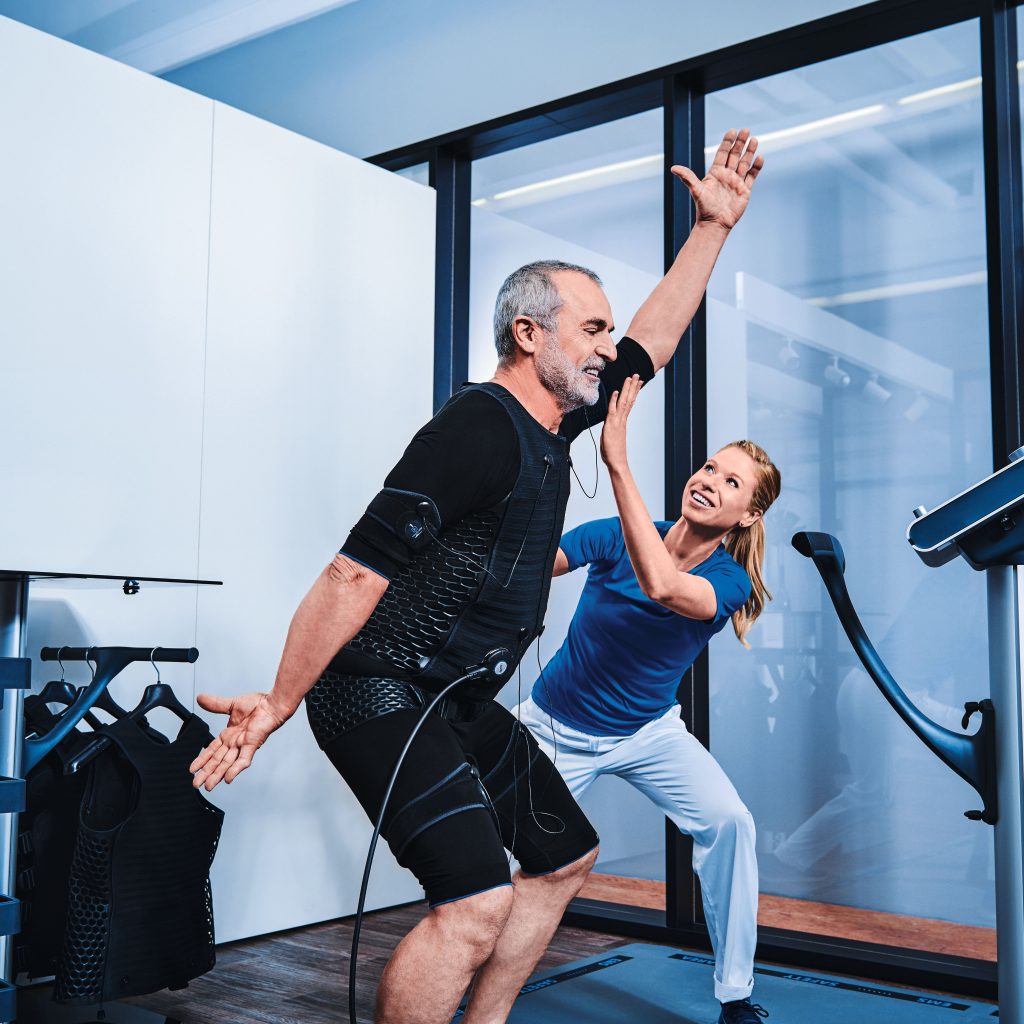
EMS training is ideal for reducing the effects of sarcopenia, strengthening the muscles in a non-impact way

The reason this has such big implication for marketers and comms professionals in the fitness space is that the level of activity required to improve longevity is a fraction of what’s needed to achieve the sculpted abs or giant biceps plastered across billboards and TV spots. Improving longevity doesn’t mean gruelling sets of weights, or flogging yourself with high-intensity workouts. Mindful movement and moderate intensity workouts will go a long way in improving almost everybody’s quality of life as they get older. With such a variety of fitness classes there should be a class or form of exercise for everyone, and even devices to monitor health. Firstbeat Life is a health monitoring service that PTs can integrate into their offering, opening up a window into their clients health status with metrics like recovery and stress measured with the gold-standard Heart Rate Variability monitoring device, read more about it here.

Firstbeat Life – in-depth monitoring tool for PTs to track the health status of their clients

One of our newest clients is HAWQ, the Health And Wellbeing Quotient for employee health. HAWQ offer the most personalised corporate wellbeing offering on the market with its research-backed and evidence-driven approach. Livvy Probert, Head of Science and Co-Founder of HAWQ agrees that focusing on health and longevity is more prevalent than before:

“We’ve seen a shift in the motivations for our clients coming to see us. Whilst aesthetic goals are still common, the post-pandemic work and social environment is still very different. The recent pandemic proved to us all that our health is precious and something we cannot take for granted. Whilst the research is still ongoing, there are links between being physically active and reducing risk of severe health outcomes of COVID. This isn’t just for COVID – hitting recommended exercise levels has been linked to reduced risk of an array of poor health outcomes including diabetes, cardiovascular disease, high blood pressure and mental health conditions including depression and anxiety. Additional stresses of a hybrid working environment, increased financial concern and instability of the future has led people to focus on things they can control. The information on how to exercise, sleep and eat better isn’t anything new but people are more inclined to not only listen, but take action for themselves.

Physical activity and exercise are linked to health benefits including lower blood pressure, healthy resting heart rate, increased likeliness of maintaining a healthy bodyweight, reduced risk of poor health outcomes and beyond. As tangible changes for individuals, this means improved sleep, better cognitive function, increased mental wellbeing, higher energy levels, increased fitness. These benefits have a knock on into the workplace – improved performance, reduced presenteeism and absenteeism, lower health costs, happier staff and a reduced turnover.”

Effectively communicating that quality of life can be improved in later life with spending hours and hours at the gym could be the key to reaching those currently inactive, and help improve the health of the nation. At the very least, it’s worth a go.

If you’d like help to nail down how you’re communicating your wellbeing offering, then get in touch info@action-group.co.uk