Launching ChatYPT – The AI workout fixer for YOUR Personal Training

At Action Group, we’re always looking for opportunities to position our clients at the centre of the conversations shaping their industries. 

At the start of 2026, one topic was impossible to ignore across fitness, wellness and social media: AI-generated workout plans. 

As more consumers turned to tools like ChatGPT to create training programmes, meal plans and fitness advice, concerns were rapidly growing around safety, misinformation and the lack of professional oversight. It created the perfect opportunity for YOUR Personal Training to lead an important industry conversation around the value of qualified personal trainers and safe exercise guidance. 

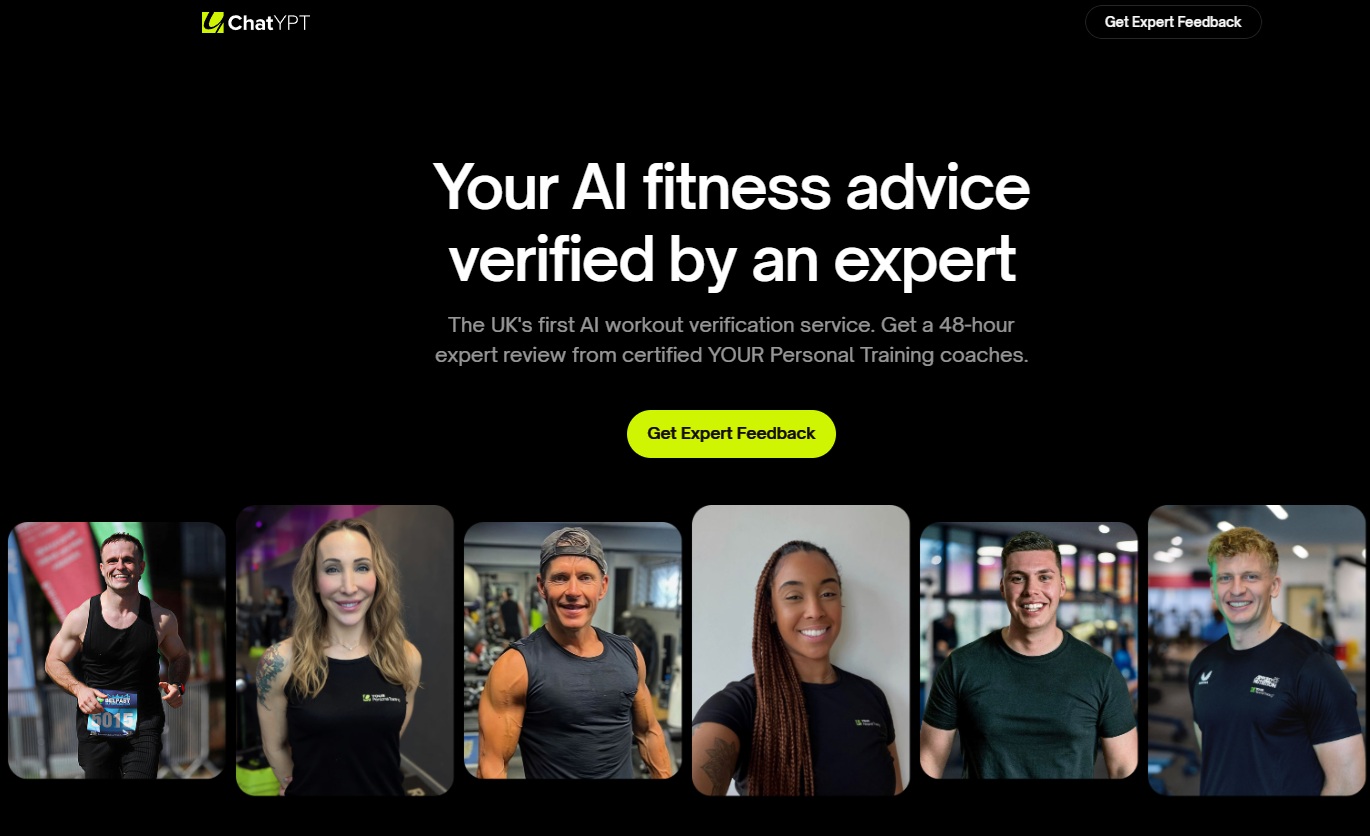
The result was the launch of ChatYPT, a media-first campaign designed to challenge unsafe AI-generated fitness advice while reinforcing the importance of human expertise in health and fitness.  
The Challenge

AI-generated fitness content was exploding online. 

From TikTok workout plans to chatbot-created gym routines, consumers were increasingly relying on artificial intelligence to guide their health and fitness journeys. The problem was that much of this advice lacked personalisation, context and safety considerations. 

We identified a major PR opportunity for YOUR PT to become one of the first brands in the UK fitness industry to proactively respond to this growing trend. 

The objective was clear: 

  • Position YOUR PT as a trusted authority in fitness education and safe training  
  • Generate widespread earned media coverage around a culturally relevant topic  
  • Create a campaign that balanced thought leadership with consumer engagement  
  • Drive conversation across both trade and mainstream lifestyle media  

The Idea: ChatYPT
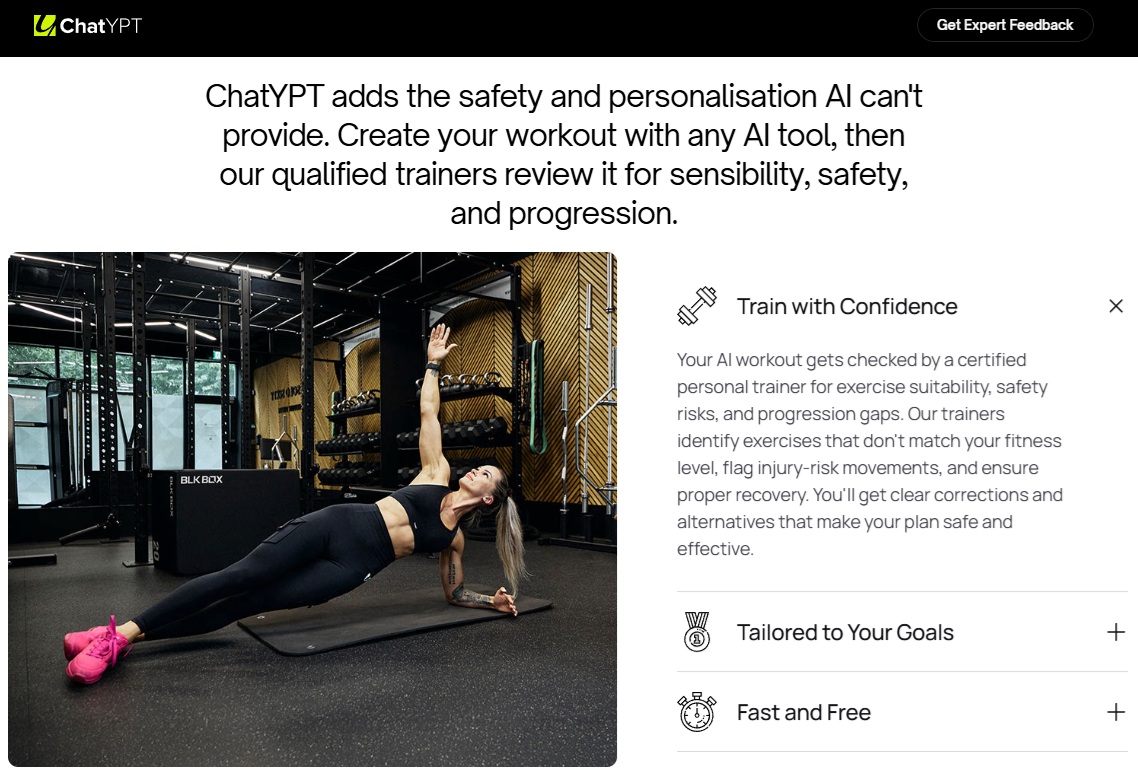
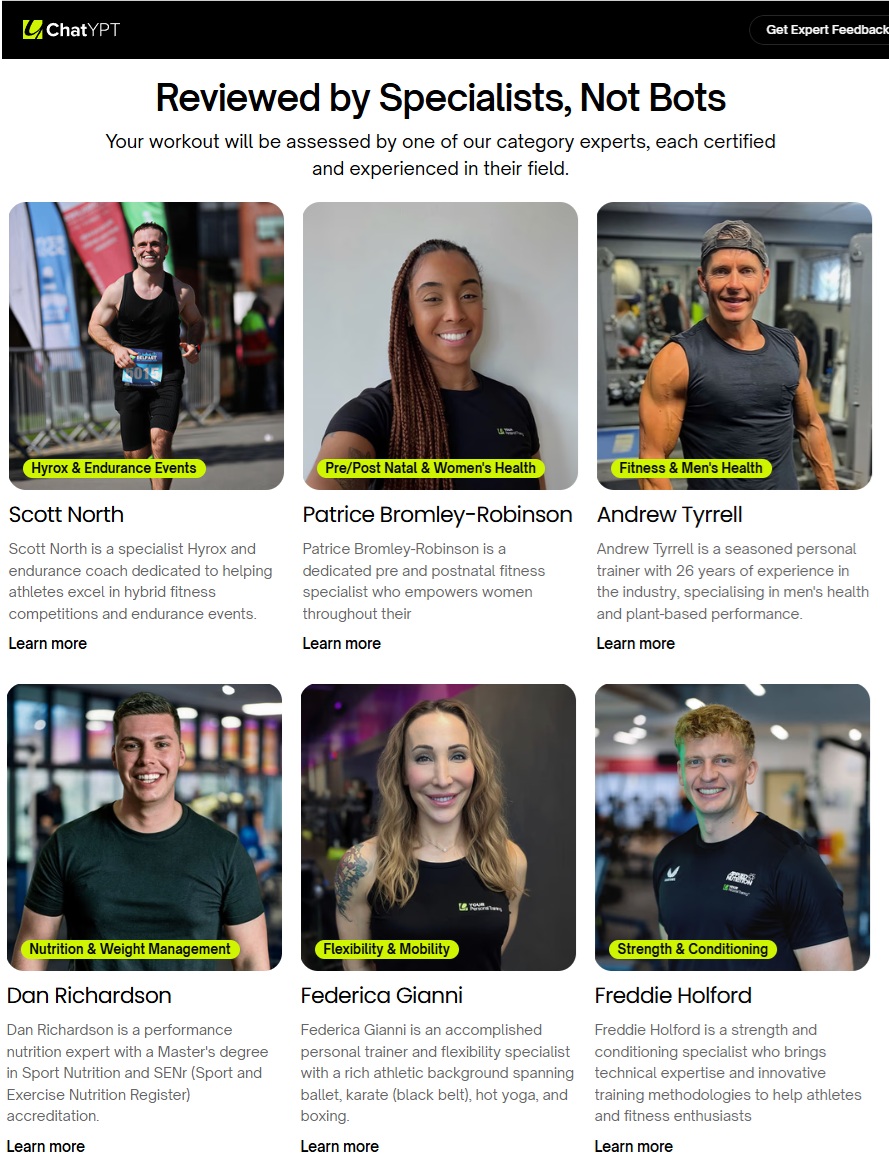
Together with the YOUR PT team, we developed ChatYPT, a campaign encouraging consumers to submit AI-generated workouts and fitness questions to qualified personal trainers for expert review and improvement.  

The concept tapped directly into growing public curiosity around AI while creating a clear narrative tension- Can AI replace personal trainers, or does human expertise still matter? 

By leaning into a trending topic already dominating online conversation, the campaign immediately felt relevant, timely and highly shareable. 

Importantly, the campaign avoided fearmongering around AI. Instead, it positioned YOUR PT as a progressive, expert-led brand advocating for safer and smarter use of technology in fitness. 
Our PR Strategy

Our strategy centred around creating a strong media narrative that could work across multiple sectors simultaneously. Rather than approaching the story purely as fitness news, we positioned it at the intersection of: 

  • Fitness and wellness  
  • Technology and AI  
  • Consumer safety  
  • Lifestyle trends  
  • January health behaviour  

This allowed us to target a far broader media landscape than traditional fitness PR alone. 

We Developed:

  • A strong reactive news hook around AI-generated workouts  
  • Expert commentary from qualified trainers
  • Consumer-facing advice around spotting unsafe fitness guidance  
  • Engaging campaign messaging designed for social amplification  
  • Alongside proactive media outreach, we also ensured the campaign had strong visual and digital assets to support wider engagement opportunities
The Results

The campaign secured widespread media attention across both fitness trade and consumer lifestyle publications, helping establish YOUR PT as one of the leading voices in the industry conversation around AI and fitness.  

Coverage included features across fitness, wellness and national consumer media, while the story generated strong engagement across social channels due to its relevance and debate-driven nature. 

Most importantly, the campaign achieved exactly what great PR should do: It inserted the brand into a major cultural conversation in a way that felt credible, timely and commercially relevant. 

Why it Worked

The success of ChatYPT came down to a few key factors: 

  • Cultural relevance 
    • The campaign tapped into a trend consumers were already actively discussing online.  
  • Clear media hook 
    • The tension between AI and human expertise created an instantly understandable story for journalists.  
  • Expert authority 
    • YOUR PT had the credibility and trainer network to speak authentically on the issue.  
  • Multi-sector appeal 
    • The campaign worked across technology, fitness, lifestyle and business media simultaneously.  
  • Audience participation 
    • Inviting consumers to submit workouts created engagement beyond traditional press coverage.  

The Bigger Picture

Campaigns like ChatYPT reflect how modern PR is evolving. 

The most effective brand storytelling today sits at the intersection of culture, news, consumer behaviour and industry expertise. It’s no longer enough to simply announce products or services. Brands need to contribute meaningfully to wider conversations already happening in society. 

For fitness and wellness brands especially, topics like AI, digital health, wearable tech and online misinformation are creating huge opportunities for thought leadership. 

By acting quickly and confidently, YOUR PT positioned itself ahead of the curve. And that’s exactly where powerful PR can make the difference. 

How to get press in different media publications

From national, regional, glossy and online – how the target publication determines the media strategy

Here’s a little PR fact for anyone who is looking to secure editorial mentions in the media – not all publications can be targeted in the same way.

This is something they teach in PR 101. Pitching to a national is vastly different to pitching to regional papers, consumer glossies or even to online platforms. That’s not to say any one media medium is ‘easier’ to secure than another. In truth, each different media format has its own series of hoops to jump through in order to gain successful publication.

Here, we look at some key differences each medium looks for, and why the art-of-PR is the best way to secure impactful editorial mentions in these publications.

Nationals

If your brand and/or story doesn’t have appeal to the wider population – it will be very difficult to secure national mentions for it. National media success is largely dependent on whether a brand or business is of relevance to lots of different populations, and relating to a topic or subject that affects people from all walks of life. For example, a single yoga studio hosting a charity event in a London-studio isn’t relevant to national press or readers – because most of their readers cannot go to the event.

However, there are ways that success can be created. For example, if the business or brand links directly to a relevant awareness day and creates a campaign that can have national appeal, there is a higher chance for newspapers to want to cover it. This and the use of newsjacking, which is also a creative way to appeal to a trending topic, to ensure your business or brand is taking a stance on something newsworthy.

At Action, we also use experts widely to secure media merit on the national scale, Profiling our industry-leaders in top tier target publications, by championing their knowledge and expertise and relating it to topics that interest the wider population, is one of the key tactics we use to gain media coverage. Whether these profile opportunities come in the form of expert commentary pieces or F2F interviews, we work hard to ensure our clients are prepared and briefed on what exactly they will need to say and how best to say it. You can read more about prepping for a successful interview here.

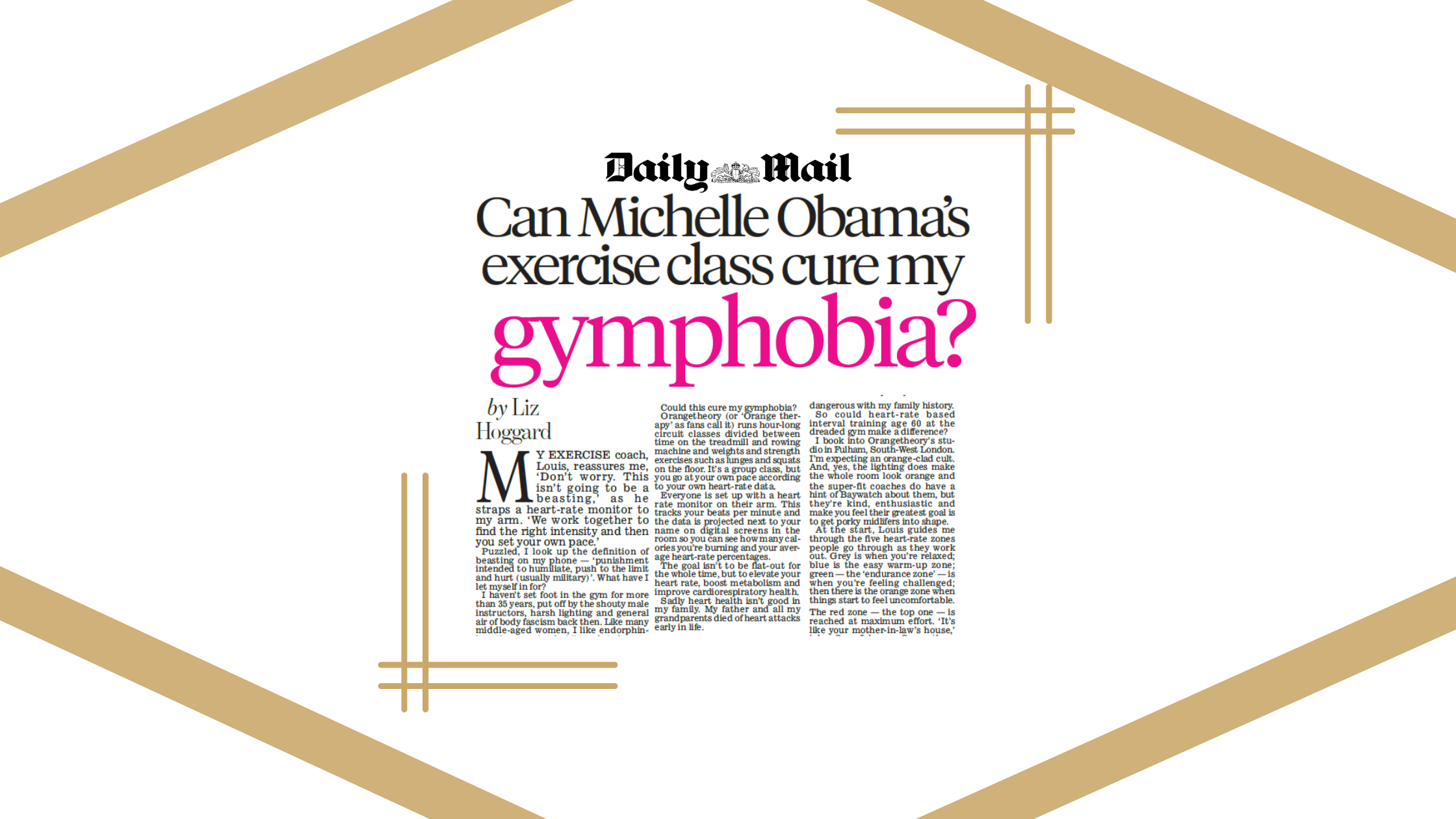
Orangetheory Fitness featured in The Daily Mail.

Regionals

Hyper-locality is the name of the game when it comes to regional or local press. Where nationals look for topics and news relating to a broader audience, regionals prioritise stories and brands that have local and community focus.

Regional titles also rely more on brand support to keep their papers and teams running. We always encourage businesses to look at complementing any editorial work with advertorial spend in order to gain more access and impact across local media.

If your brand requires local press but doesn’t necessarily have the right community focus, a great way to work around this is to host a local event – even better if there is a celebrity or charity angle with it! In our blog here, we talk about how local events can gain media appeal in an area and build fantastic regional relationships too.

Consumer Glossies

Magazines are a beautiful and impactful way to bolster brand awareness. Although many magazines are either published weekly or monthly, it means they don’t come out as regularly – which means they have longer lead times and therefore the editorial teams behind them work much further in advance to pull together the stories and features within them. Magazines require three things in particular:

  • Forward planning
  • Visual appeal
  • Expert knowledge

At Action, we work with the teams behind all the major magazine publishers to ensure our stories and experts are at the forefront of the planning decisions. We pitch stories sometimes up to a year in advance of publishing to ensure that our brands are showcased in the right months.

The other key distinction is that in magazine editorial, the teams can be vast and each ‘slot’ will need to be targeted in a tailored way. Whether it’s full page spreads or a box-out review, a good PR will know the different ways to target a features writer versus a real-life stories reporter.

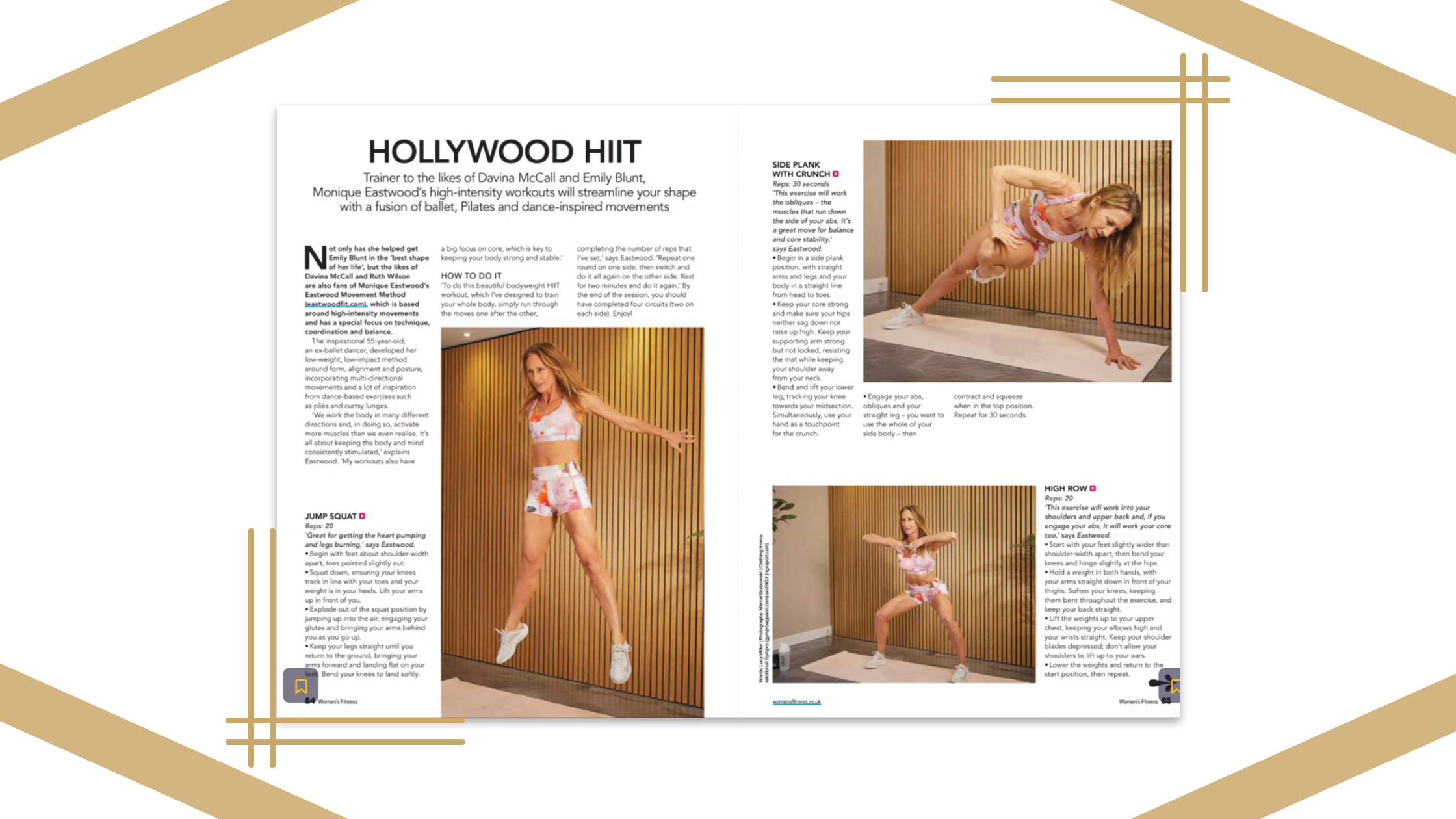
Monique Eastwood in Women’s Fitness.

Broadcast

As we’ve mentioned in a previous blog, not all PR stories will make for good TV! Simply sending a press release to a planning editor on the broadcast desks won’t necessarily get you too far. At Action, we tend to work within the remit that a strong enough story for screen will require:

  • Something exciting, amusing or moving to film
  • Inspirational or emotional spokespeople to interview
  • A strong ‘why now’ reason that makes this news

Broadcast teams are notoriously busy. They have to consistently deliver visual and compelling content to viewers that will keep them not only informed but also entertained. Within broadcast, we also ensure we make the distinction between national and regional broadcast – where the above rules apply too.

We also work as a team to ensure our brands and businesses are showcased across relevant podcasts. There’s a full blog about why podcasts are key to a PR strategy here.

A Note on Online

Many PR’s are not only great at honing a news story, nurturing a relationship or finding the best journalist to target – they are also good writers. This is key for journalists as many publications now require copy and news faster than a lot of press can even write it! Online media therefore require articles and angles that are almost 90% complete. At Action, we have a couple of ex-journalists among the team, so we have insider knowledge on how to create compelling copy with different angles and outcomes that press can use at the drop of a hat.

Not to mention, getting online coverage is fantastic for brands looking to build their online presence. A decade ago, getting column inches in print was the holy-grail of media success – seeing your brand name printed out in a real magazine or newspaper would be a real highlight! These days, given we’re at the peak of the digital era – what businesses want more than ever is their brand linked in online publications so that it provides them with stronger SEO presence.

There are a few publications that are next to impossible to get linked content in – the BBC for example is notoriously difficult. However, many consumer online titles now appreciate the extra traffic linking provides their own platforms – but a note to the wise, many publications are also learning how to monetise this strategy!

As we say, PR is an art-form – truly because it requires consistent change and development to keep working at the same speed of change within the media world.

Finally, Respect the Code

Having a good relationship with the journalists you want to target is the single most important part in securing outstanding media mentions. Which is why, throughout a PR’s targeting process, one thing that trumps all other aspects of the story is respect.

PR’s work tirelessly to ensure they understand what a journalist requires to successfully commission, draft and publish a story. It’s not only about providing the correct information to the journalist in a timely manner, but also about understanding how each publication and journalist differs and respecting when to support and assist, or when to stop and step away. You can read more about how we cultivate long-standing and meaningful relationships with media in our blog here.

Whether you’re looking to increase brand awareness, reach more of your target audience, or tell your story, then get in touch with us. We are experts in consultancy, marketing, PR and advertising, so if you’re a small business or a multi-million pound turnover one, we can help you. Email us: info@action-group.co.uk

How to Pitch to a Trade Press Journalist

How to Pitch a Trade Press Journalist

Imagine you’ve got some great news you want to share with the industry about your brand. Perhaps it’s a new product launch, a partnership or business success story. What’s the best way to go about it?

At Action PR, we pride ourselves on our ability to get our clients in front of the right audience, liaising with the industry press on a daily basis. We recently wrote about what makes a good PR pitch, and while many of the tactics are similar, pitching a trade journalist requires a slightly different approach.

Here’s a few things we’ve learnt along the way…

Understand the title or journalist you’re speaking to

Make sure to do your research and see if the title would actually cover your story. While trade press may speak to a similar industry, their area of focus may be different. For instance, a fitness trade magazine may specifically focus on gym facilities so don’t pitch to them a story on tips for Personal Trainers.

Before you reach out, it’s also worth checking what that individual journalist likes to write about too. Highlight previous stories they’ve written that caught your eye and make sure you explain how your brand fits into their publication. Compliments on their content can go along way and it shows you actually have an interest in what’s going on in the industry.

Some titles also have regular slots, so it’s worth checking who writes these features. For instance, if they have a regular section on product news, go directly to the person that looks after that section and make sure your pitch is tailored and specific for that slot.

Listen to what the journalist wants

Once you’ve successfully pitched your brand for a particular feature, the next stage is to really listen to what they are after. For instance, if a journalist is looking for 500 words don’t give them 1000. Stick to the brief you’ve been given and be precise. A journalist won’t thank you for giving them unnecessary detail as you’ll be creating extra work for them.

Know about your experts and what they can offer

If you’re offering up an expert within your business, then make sure to send a journalist a bio about who they are and their areas of expertise / interests. If you say they have industry expertise and knowledge, you’ll need to prove it. Also, make sure you have a high resolution headshot of your expert before you pitch them, so you’re not scrambling at the last minute to get one.

Don’t push your luck

It’s worth noting that most editorial teams within the trade press are small, likely to be only a team of two or three journalists and sometimes even one. So, from time to time they may commission you to write a whole feature and submit it if they like your idea. But it’s important not to use this as a way to shoe-horn in every key message about your brand. Make sure to offer real insight that is of use to the wider industry and that isn’t too self-serving. If it’s well-balanced editorial between your brand and industry issues, then you are much more likely to be invited to contribute again.

If you need help getting your product or brand included industry titles, get in touch! We can help.