
From national, regional, glossy and online – how the target publication determines the media strategy
Here’s a little PR fact for anyone who is looking to secure editorial mentions in the media – not all publications can be targeted in the same way.
This is something they teach in PR 101. Pitching to a national is vastly different to pitching to regional papers, consumer glossies or even to online platforms. That’s not to say any one media medium is ‘easier’ to secure than another. In truth, each different media format has its own series of hoops to jump through in order to gain successful publication.
Here, we look at some key differences each medium looks for, and why the art-of-PR is the best way to secure impactful editorial mentions in these publications.
Nationals
If your brand and/or story doesn’t have appeal to the wider population – it will be very difficult to secure national mentions for it. National media success is largely dependent on whether a brand or business is of relevance to lots of different populations, and relating to a topic or subject that affects people from all walks of life. For example, a single yoga studio hosting a charity event in a London-studio isn’t relevant to national press or readers – because most of their readers cannot go to the event.
However, there are ways that success can be created. For example, if the business or brand links directly to a relevant awareness day and creates a campaign that can have national appeal, there is a higher chance for newspapers to want to cover it. This and the use of newsjacking, which is also a creative way to appeal to a trending topic, to ensure your business or brand is taking a stance on something newsworthy.
At Action, we also use experts widely to secure media merit on the national scale, Profiling our industry-leaders in top tier target publications, by championing their knowledge and expertise and relating it to topics that interest the wider population, is one of the key tactics we use to gain media coverage. Whether these profile opportunities come in the form of expert commentary pieces or F2F interviews, we work hard to ensure our clients are prepared and briefed on what exactly they will need to say and how best to say it. You can read more about prepping for a successful interview here.
Regionals
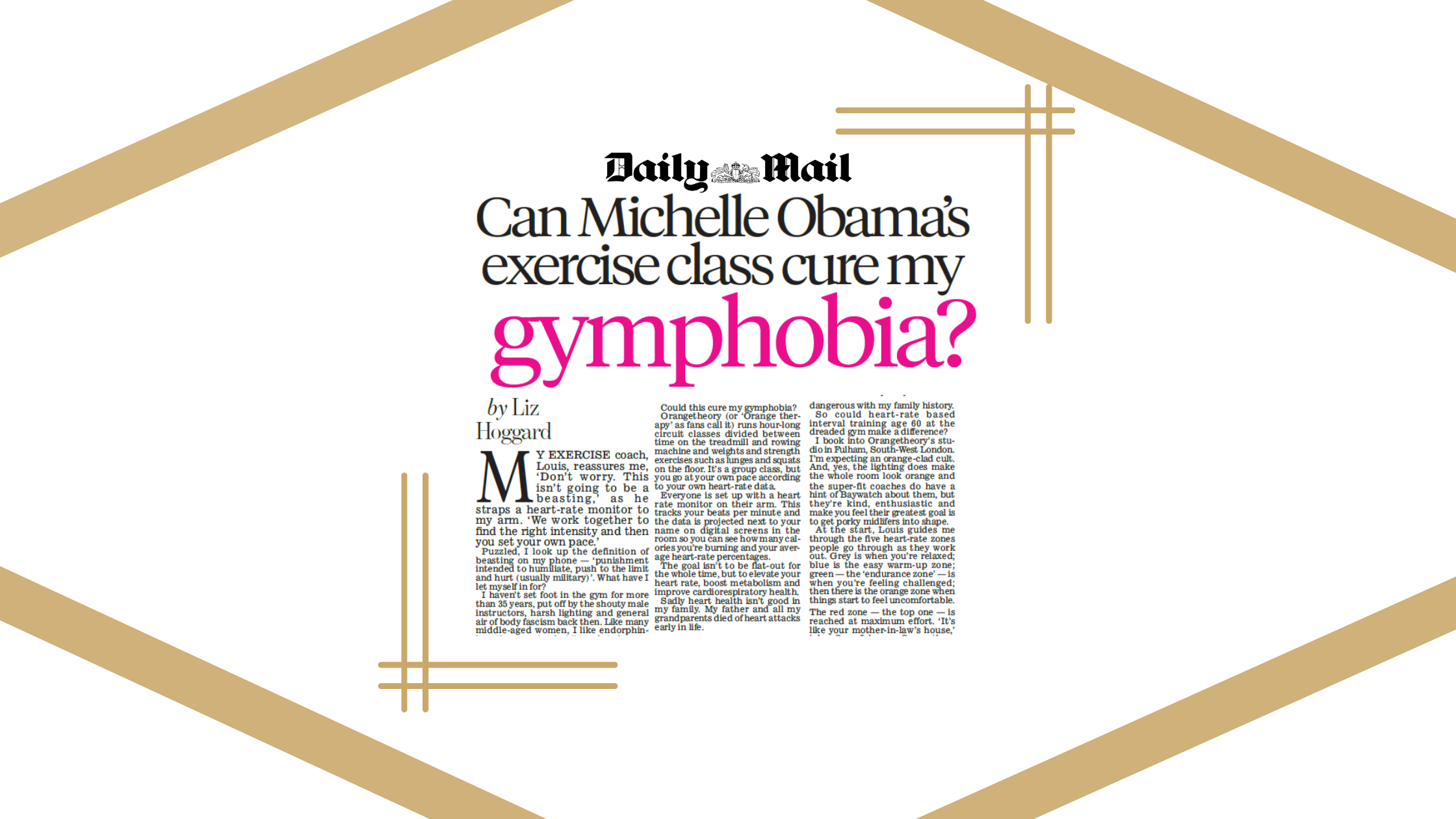
Hyper-locality is the name of the game when it comes to regional or local press. Where nationals look for topics and news relating to a broader audience, regionals prioritise stories and brands that have local and community focus.
Regional titles also rely more on brand support to keep their papers and teams running. We always encourage businesses to look at complementing any editorial work with advertorial spend in order to gain more access and impact across local media.
If your brand requires local press but doesn’t necessarily have the right community focus, a great way to work around this is to host a local event – even better if there is a celebrity or charity angle with it! In our blog here, we talk about how local events can gain media appeal in an area and build fantastic regional relationships too.
Consumer Glossies
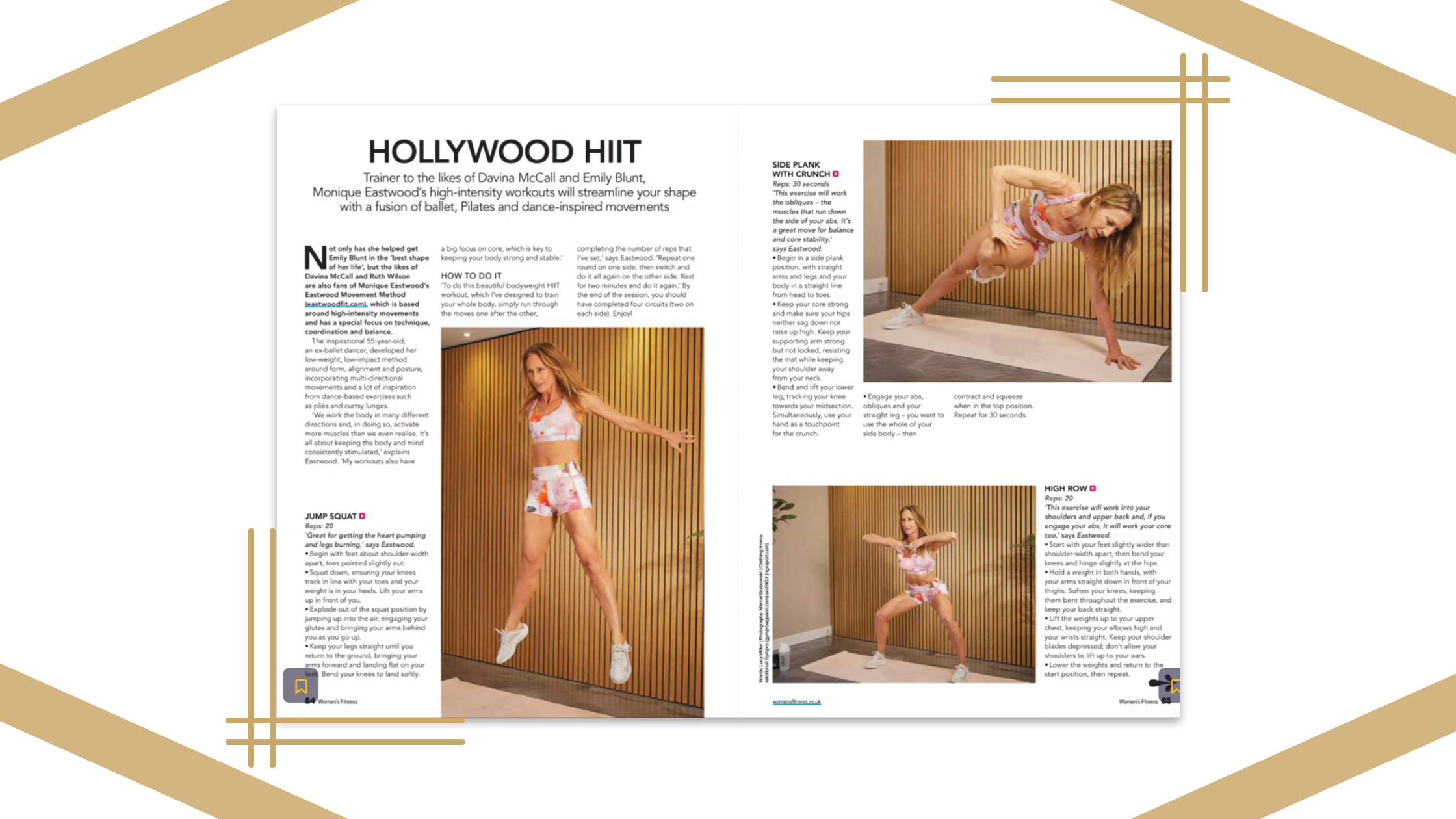
Magazines are a beautiful and impactful way to bolster brand awareness. Although many magazines are either published weekly or monthly, it means they don’t come out as regularly – which means they have longer lead times and therefore the editorial teams behind them work much further in advance to pull together the stories and features within them. Magazines require three things in particular:
- Forward planning
- Visual appeal
- Expert knowledge
At Action, we work with the teams behind all the major magazine publishers to ensure our stories and experts are at the forefront of the planning decisions. We pitch stories sometimes up to a year in advance of publishing to ensure that our brands are showcased in the right months.
The other key distinction is that in magazine editorial, the teams can be vast and each ‘slot’ will need to be targeted in a tailored way. Whether it’s full page spreads or a box-out review, a good PR will know the different ways to target a features writer versus a real-life stories reporter.
Broadcast
As we’ve mentioned in a previous blog, not all PR stories will make for good TV! Simply sending a press release to a planning editor on the broadcast desks won’t necessarily get you too far. At Action, we tend to work within the remit that a strong enough story for screen will require:
- Something exciting, amusing or moving to film
- Inspirational or emotional spokespeople to interview
- A strong ‘why now’ reason that makes this news
Broadcast teams are notoriously busy. They have to consistently deliver visual and compelling content to viewers that will keep them not only informed but also entertained. Within broadcast, we also ensure we make the distinction between national and regional broadcast – where the above rules apply too.
We also work as a team to ensure our brands and businesses are showcased across relevant podcasts. There’s a full blog about why podcasts are key to a PR strategy here.
A Note on Online
Many PR’s are not only great at honing a news story, nurturing a relationship or finding the best journalist to target – they are also good writers. This is key for journalists as many publications now require copy and news faster than a lot of press can even write it! Online media therefore require articles and angles that are almost 90% complete. At Action, we have a couple of ex-journalists among the team, so we have insider knowledge on how to create compelling copy with different angles and outcomes that press can use at the drop of a hat.
Not to mention, getting online coverage is fantastic for brands looking to build their online presence. A decade ago, getting column inches in print was the holy-grail of media success – seeing your brand name printed out in a real magazine or newspaper would be a real highlight! These days, given we’re at the peak of the digital era – what businesses want more than ever is their brand linked in online publications so that it provides them with stronger SEO presence.
There are a few publications that are next to impossible to get linked content in – the BBC for example is notoriously difficult. However, many consumer online titles now appreciate the extra traffic linking provides their own platforms – but a note to the wise, many publications are also learning how to monetise this strategy!
As we say, PR is an art-form – truly because it requires consistent change and development to keep working at the same speed of change within the media world.
Finally, Respect the Code
Having a good relationship with the journalists you want to target is the single most important part in securing outstanding media mentions. Which is why, throughout a PR’s targeting process, one thing that trumps all other aspects of the story is respect.
PR’s work tirelessly to ensure they understand what a journalist requires to successfully commission, draft and publish a story. It’s not only about providing the correct information to the journalist in a timely manner, but also about understanding how each publication and journalist differs and respecting when to support and assist, or when to stop and step away. You can read more about how we cultivate long-standing and meaningful relationships with media in our blog here.
Whether you’re looking to increase brand awareness, reach more of your target audience, or tell your story, then get in touch with us. We are experts in consultancy, marketing, PR and advertising, so if you’re a small business or a multi-million pound turnover one, we can help you. Email us: info@action-group.co.uk

