
As an agency we’re briefed by clients and potential clients on a daily basis. Briefs can range from small projects with a tight turnaround to major undertakings that require serious planning and detail. However not all briefs are created equal…
What constitutes a good brief will change based on the situation. Each project is unique and may require a different approach. Below are a few things to include in order to put an agency in the best position to help you reach your desired goal.
Include business background and current context in your agency brief
Even if it’s an agency you’ve worked with in the past, setting out the background and the context the agency would be operating in will help inform an agency’s response. One of the biggest hurdles any agency faces is understanding the needs and desires of internal stakeholders or any partners involved in the work. Setting out the information and details from the start can ensure your agency doesn’t respond with ideas that fall foul of important stakeholders due to a lack of information.
Set out your objective(s)
The company objectives must always be the starting point. Don’t just jump straight to ‘I want PR coverage for my brand’. Think about how success in your role is measured and the role an agency can play in delivering on that. It could be customer satisfaction, brand awareness or sales, but any PR or marketing campaign will need to align to the overarching company objectives and how success is measured.
Setting a clear objective means those responding to the agency brief can advise on the best route to achieving it, even if it’s not through the channels you’re expecting. It may be that you’re hoping to roll out a PR campaign to launch a new product or service with the intention of driving sales, but you may find that a targeted marketing campaign will actually yield more tangible results for you.
A strong brief sets out a clear objective that aligns with your company’s objectives, and leaves room for an agency to recommend the best strategy to achieve it.
Our work with celebrity trainer Monique Eastwood has expanded from a pure PR brief over the last few years. Responding to demand during Covid lockdown, Monique performed a number of Instagram Live and On-Demand workouts hosted on her website. We have since migrated all her content to a beautiful, user-friendly subscription-based app – read more about our work for Monique here.

Give a clear time frame
Setting out a complete time frame for the briefing and pitching process is fundamental to a good brief. Including things like: the date the brief is sent out, a deadline to submit a response, dates for pitching, and an ideal start date. This will make it clear to agencies what is expected and when, and also help you to project manage the process.
Giving an overview of the whole process also helps agencies plan their resource. This ensures your brief gets the attention it deserves and the best work possible is put forward.
Give an indication of the budget available
Often we’ll hear in a brief that a client doesn’t want to constrain the creative thinking with a budget. However some indication of the budget available is incredibly important. The sky’s the limit with most marketing and PR, but without budget guidelines it can be difficult to identify which ideas are realistic and worth the time of building out fully to pitch.
Agencies will plan campaigns around the budget available so have a sum in mind that you are willing and able to sign off. The budget doesn’t have to be exact but even a guideline gives an agency a good idea of the opportunities available.
We’re used to working with budgets of all sizes. For Gympass, we were challenged to improve their media relations as lockdown ended and gyms began to reopen. We worked with a number of Gympass’ partners to create the ‘Gympass Wellbeing Tour‘ for press, an in-person tour of several facilities on the Gympass platform, supported by digital mental health offerings as media walked between stops. The Tour ultimately saw Gympass built relationships with several of its key media targets, and led to numerous pieces of coverage over the long run.
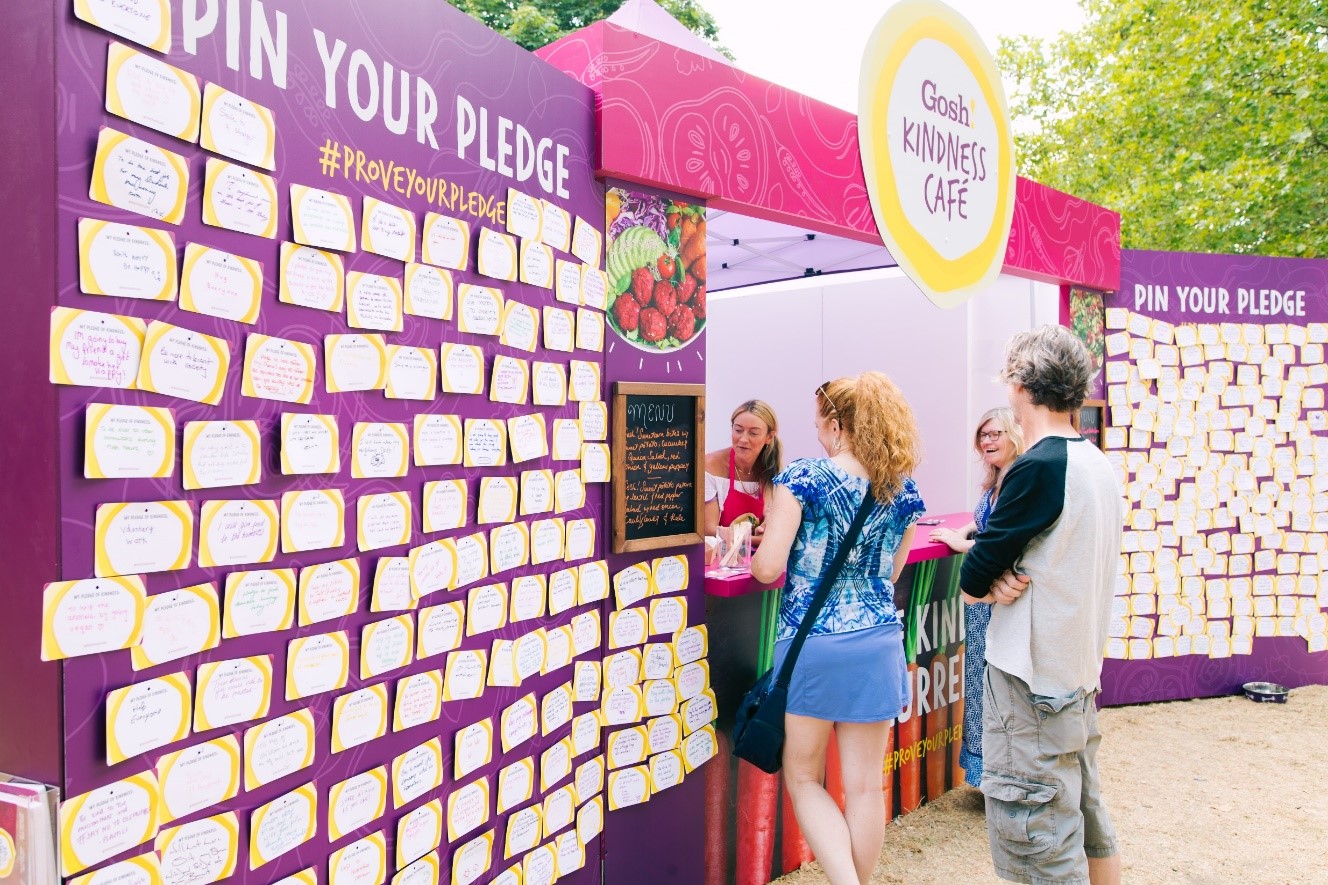
One of our larger scale campaigns was to raise awareness of plant-based food brand Gosh! food. With a significantly sized budget we launched the Kindness Cafe. An ambitious project with a simple message – to pledge an act of kindness in return for a free lunch that is kind to your body. The Kindness Cafe toured a number of locations around the UK, delivering thousands of free meals. Read more about the Kindness Cafe here.
Don’t overcomplicate it
Finally, keep it simple. The best agency briefs are clear and concise, it doesn’t have to be pages and pages of information, just enough to set out the challenge and the points above and you’re good to go.
Once you’re brief is written and shared, the next step is thinking about how to get the best out of your agency.
If you’re ready to talk about a brief and what Action Group can do for your business, please get in touch. Email us at info@action-group.co.uk
