

Wearable technology has once again been crowned the #1 Trend in the American College of Sports Medicine (ACSM) annual report, read here. Since it was introduced to the survey in 2016 it has claimed the top spot six out of eight years, even then it only fell to the silver and bronze positions in 2021 and 2018 respectively. It is clear that wearable technology is here to stay, and perhaps we have only scratched the surface of what is possible so far.
The history of wearables in fitness
One of the first ever wearables to hit mainstream popularity was the simple step-counter, designed in 1965 by Dr Hatano, a Japanese professor who was researching how to combat obesity. In fact, he proposed the idea that 10,000 steps provided the correct balance of activity-expenditure to calorie intake to maintain a healthy body, a marker many modern fitness trackers still use.
Arguably one of the biggest mainstream ‘wearables’ used in the fitness industry was the Sony Walkman portable cassette player. Fitness enthusiasts could don their finest over-ear headphones and blast out tracks while they jogged, roller-skated or did an aerobics class. This was a game changer as it turns out, with music subsequently proven to boost motivation and performance.

After the Walkman, in 1982 Polar launched the world’s first wearable wire-free heart rate monitor, the Sport Tester PE 2000 – focusing on professional use. This allowed athletes and serious fitness enthusiasts, who could afford it, the ability to track their heart rate with a reasonable degree of accuracy. Although technically wearable, the device was relatively large and heavy, at least compared to today’s standards.
Wearable technology was still fairly limited in the early 2000s, but advancements in computing power, battery technology, memory cards, screen displays, Bluetooth and optical sensors meant that technology was doubling in capabilities and halving in size almost yearly.
Wearables today and tomorrow
Statista’s 2019 survey found 36% of UK men and women owning a smartwatch or fitness tracker, and 2021 research from Deloitte’s Digital Consumer Trends Report highlights that some 40% of British adults now have a fitness tracker or wearable of some kind – and we’re sure the numbers from 2022 and 2023 will be even higher.
Smartwatches are the most common form of fitness wearable today, with the likes of Fitbit, Garmin, Apple, and Samsung dominating the market today. Fast forward from the clunky original designs from 10-15 years ago, multi-sport activity watches can now accurately track the data of: live/resting heart rate and heart rate variability, blood oxygen levels, stress levels, steps taken and floors climbed, calories burned, skin temperature, respiration rates, sun exposure, sleep duration and quality, and even track performance metrics such as training status, VO2 levels and lactate thresholds, and much more.
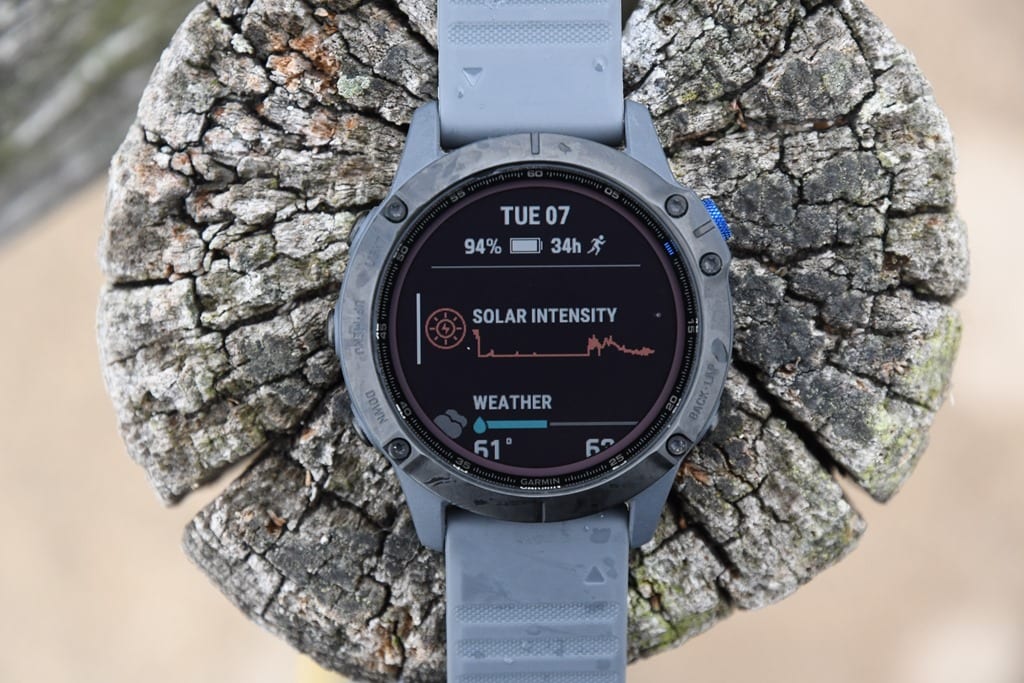
Growth and development in technology has allowed the expansion of wearable tech to dig deeper into each sport, entering new markets and reporting on new metrics:
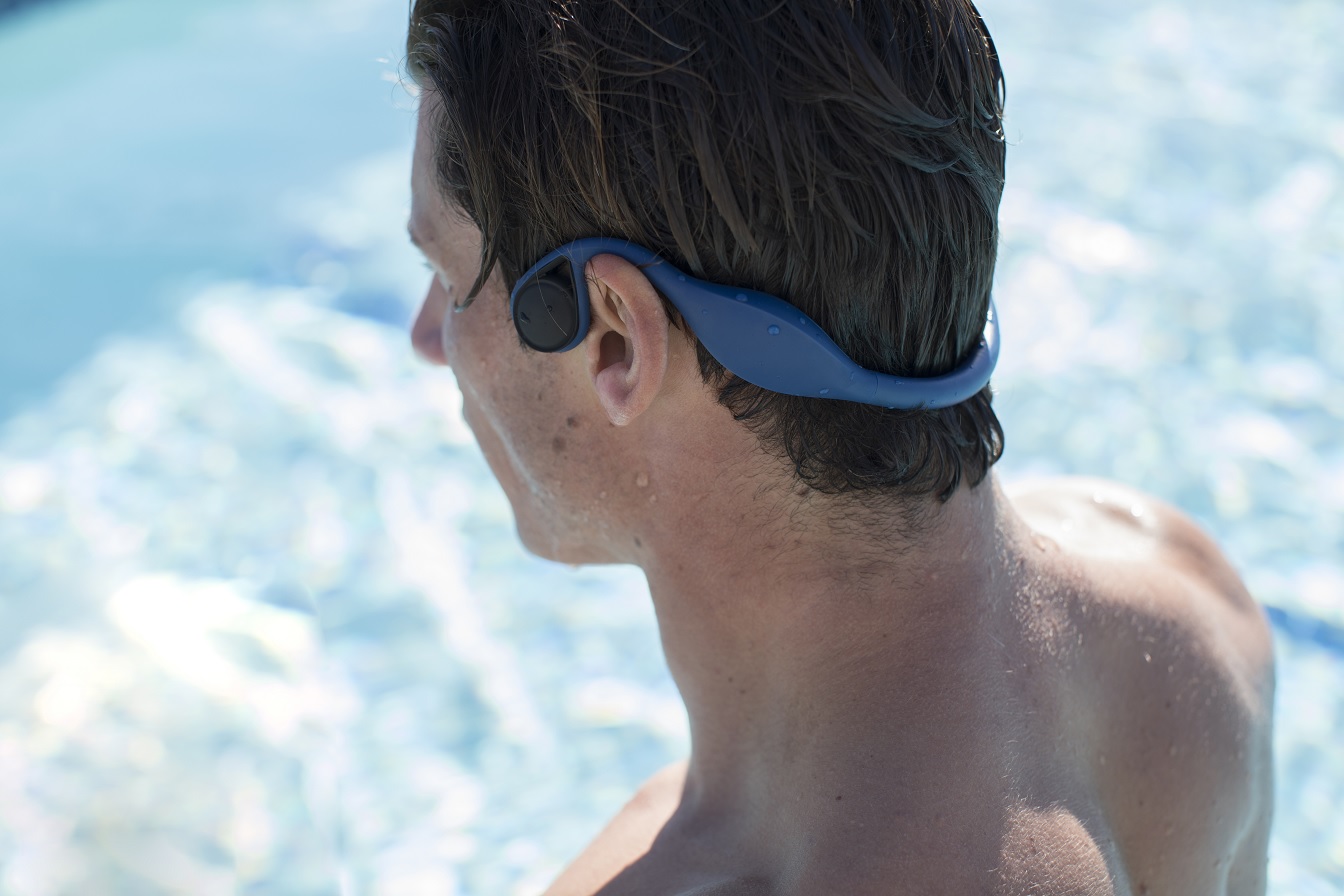
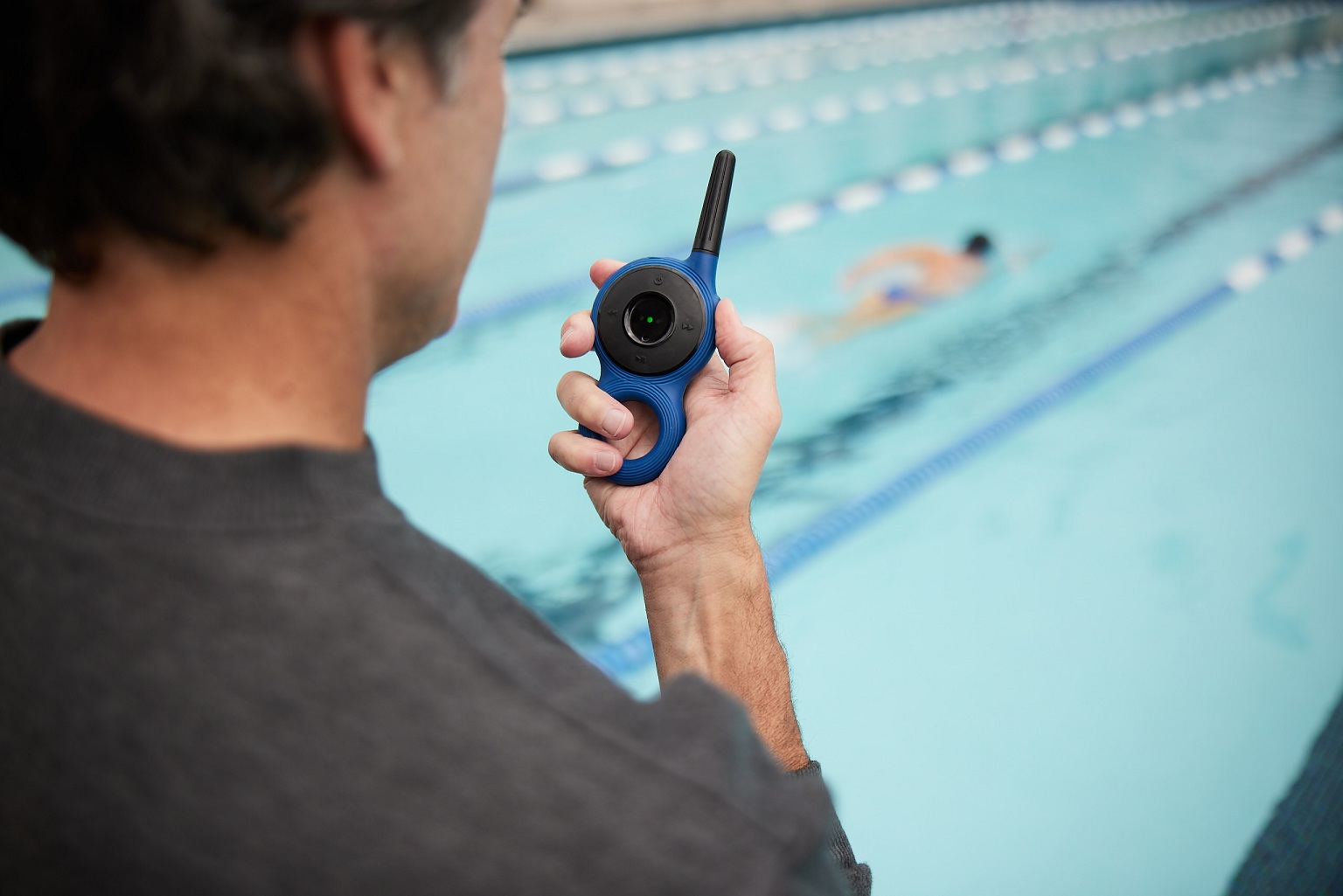
For example companies like Nuurv have developed a clip-on device for runners that measures your gait, cadence, balance and running economy to optimise technique. Zygo manufactures bone-conducting headphones, allowing swimmers to listen to music or podcasts while they swim, and the coaching option also enables swimmers to hear their instructor through the headphones as they swim. Playermaker attaches to your boots and records your football skills, collecting data about touches, possessions, distance covered, sprint speed, L/R balance and more.
Wearables have also entered the real-time-performance-analysis arena too, for example, Supersapiens have developed their constant glucose monitoring system, designed specifically for endurance athletes like cyclists to ensure their fuelling strategies are optimised and perfected. Likewise, Nix’s bio sweat sensor monitors your sweat levels, enabling you to monitor your hydration and electrolyte levels in real time. Fitness wearables have even fully crossed into the tech industry, with VR/AR fitness being an incredible tool that can help make fitness more exciting and encourage more people to try it.

There are even wearables for your horse, Ceefit is a horse fitness tracking system that includes medical insights into your horse’s overall health. It is particularly useful for show jumpers, giving detailed statistics about each jump, including take-off speed, energy absorbed at landing, and cadence in approach.
But will the wearable wear out?
We think there is a LOT more to come in the fitness wearable industry, and it begs the question in the first instance, why are we so interested in wearables?
We think one reason why we all love wearables so much: Data. Humans are data collectors and analysers. Our daily lives are filled with incoming data: light, sounds, vibration and we must analyse it and make decisions based on it. Wearables allow us to track our own data, and for those who care enough, enjoy progression: getting better, stronger, fitter etc. Identification is the first step to ‘recovery’ (or getting better). If we identify, through our smart watch, that alcohol has a negative impact on our heart rate variability and has significantly impacted our sleep, then we can start to make better-informed lifestyle decisions. If you’re a runner, perhaps your fitness wearable will tell you that your heel strike is too aggressive and could be causing you knee pain, potentially identifying an issue before it manifests.
Bring on the wearables, we’re looking forward to more businesses joining and bringing some truly innovative and useful tech to the fitness industry.
If you are a wearable fitness brand and looking for help launching, or PR, Marketing, Design and Website Consultancy – then get in contact with us, we’d LOVE to hear from you: info@action-group.co.uk